The Shadow Fleet Squeeze: Can Europe Enforce Sanctions Without Triggering a Maritime Crisis?
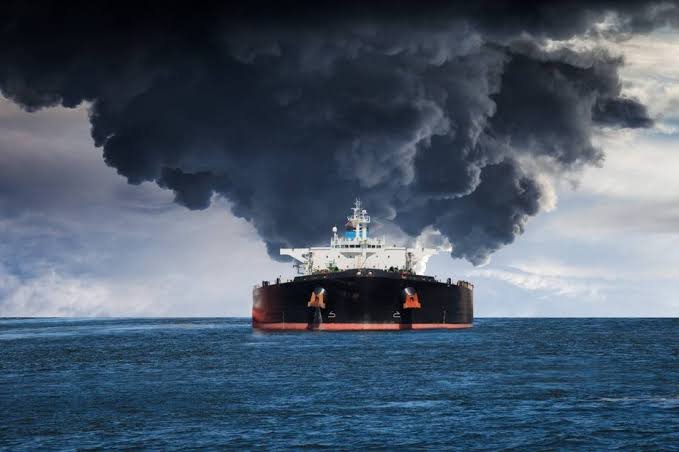
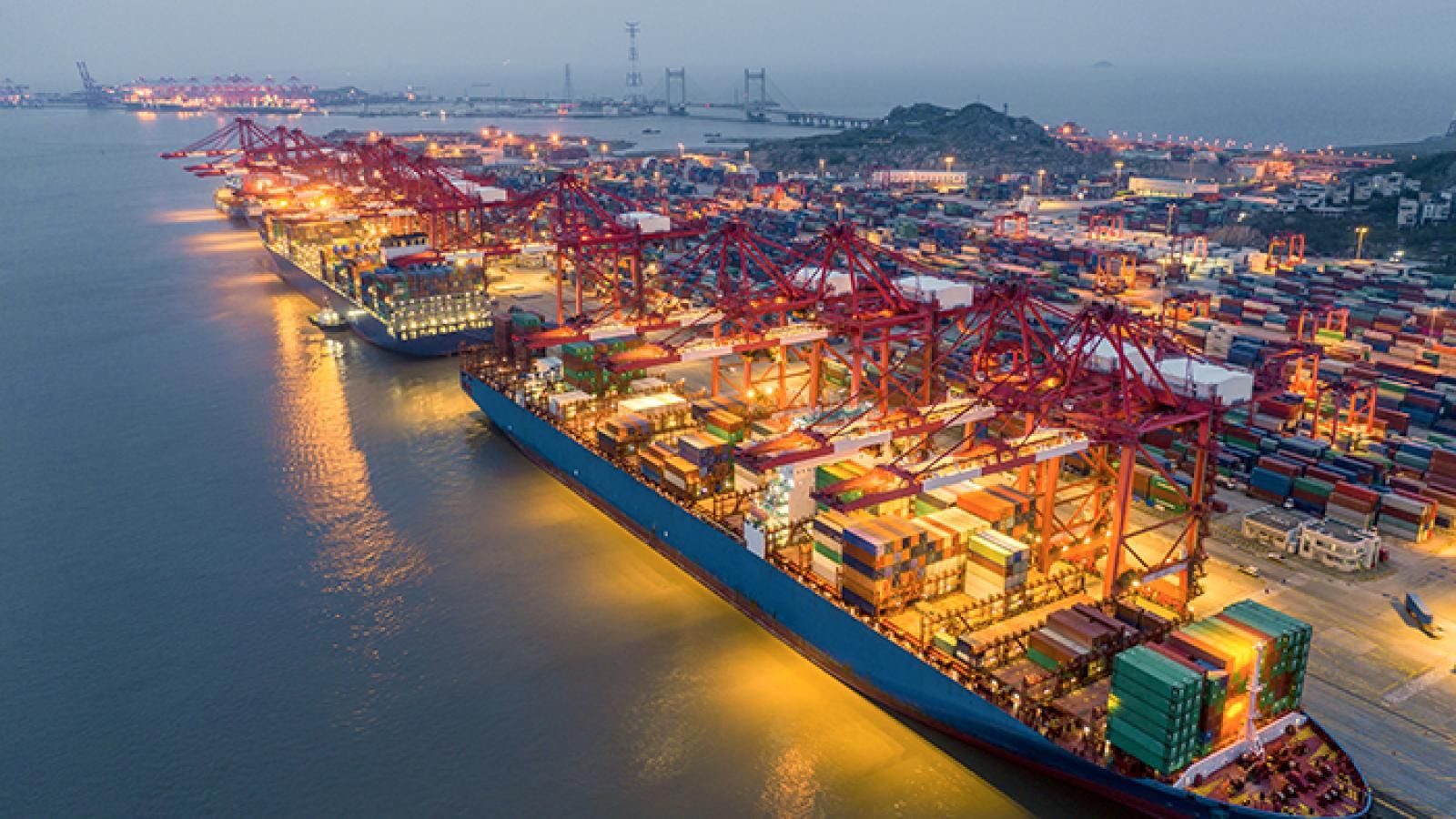
Europe has moved beyond naming Russia's shadow fleet. It is beginning to stop, inspect and, in some cases, detain the ships that keep Russian oil moving outside established Western services. The European Union's twenty-first sanctions package in July 2026 added 41 vessels to the 632 already listed, taking the total above 670. The United Kingdom said in October that it had sanctioned more than 600 tankers. New measures also reach the network around the ships, including traders, managers, bunkering vessels, crewing agencies and logistics companies.
The first interdictions show both the promise and the danger of this policy. British forces boarded the sanctioned tanker Smyrtos in international waters in June after questioning its nationality, then moved it to an anchorage for investigation. Sweden stopped the Jin Hui in its territorial waters in May over a suspected false Syrian flag and seaworthiness concerns. France intercepted the DF Peak south of Reunion in October after doubts about its claimed Beninese registration; Russia denounced the operation as piracy. An EU naval force also boarded the Toa Payoh in the Mediterranean in August to verify its flag.
These actions did not establish a general right to seize every sanctioned tanker. Their legal basis depended on facts beyond an EU or British listing. A ship on the high seas normally falls under the exclusive jurisdiction of its flag state. Article 110 of the UN Convention on the Law of the Sea permits a warship to visit a foreign vessel only in limited circumstances, including reasonable suspicion that it is without nationality. A false flag can therefore open the door to verification. It does not turn sanctions evasion into universal jurisdiction or make confiscation automatic.
The distinction matters because the fleet is no longer a purely commercial instrument. Russia has shown that it may protect sensitive shipping activity with military power. Estonia decided in April not to detain suspected shadow-fleet tankers in the Baltic because its naval commander judged the escalation risk too high. The decision followed a 2025 incident in which a Russian fighter entered NATO airspace while Estonia tried to stop an unflagged tanker. A boarding that begins as a document check can quickly become a confrontation involving warships, aircraft, an uncooperative master and a heavily laden oil tanker.
Europe can enforce more effectively without accepting that risk on every voyage. The strongest approach is a controlled squeeze on the fleet's operating system. Port bans, service prohibitions, insurance checks, flag verification, ship-registration scrutiny and sanctions on facilitators can make a vessel commercially unusable even when it is not seized at sea. The ship's IMO number survives changes of name, owner and flag. A coordinated record of registration, insurance, classification, management, cargo history and deceptive tracking can follow the hull through each attempt to rebrand it.
This approach also uses jurisdiction where it is strongest. Port states can inspect and detain substandard ships that enter their ports. Coastal states can act in territorial waters under their domestic law and the law of the sea. States may verify nationality where there are reasonable grounds to suspect statelessness. Flag-state consent can authorise pre-arranged inspections farther offshore. By contrast, boarding a properly registered foreign ship on the high seas solely because Europe has sanctioned it would create a weak legal case and a dangerous precedent.
The objective is not to maximise the number of dramatic seizures. It is to reduce the fleet's ability to move oil safely, cheaply and anonymously while preserving freedom of navigation and coalition unity. Europe can tighten the shadow-fleet squeeze, but only if each operation is legally specific, operationally controlled and connected to a wider campaign against the services that make the trade possible.
Europe has started turning listings into interdictions
The shadow fleet expanded because the oil price cap separated Russian exports from much of the established maritime system without eliminating global demand. Older tankers moved into opaque ownership structures, adopted flags with weak oversight and relied on insurers, managers and traders outside the main Western networks. Changes of name, registration and corporate ownership made the trade harder to trace, while the ship's physical identity and IMO number remained the same.
European sanctions initially focused on access. Listed ships could not enter EU ports or receive a wide range of maritime services. That imposed costs, but many tankers could sail from Russian terminals to buyers in Asia without calling at a European port. The Paris Memorandum of Understanding on Port State Control warned in its 2025 annual report that false-flag and shadow-fleet ships were passing through European coastal waters while avoiding the regional inspection system. Port control remained powerful at the berth and largely absent from the voyage.
The policy changed in 2026. The EU's July package listed another 41 vessels and expanded the criteria to ships supporting the shadow fleet. Five bunkering vessels were included because they regularly refuelled sanctioned tankers. The package also targeted companies and a crewing agency. In October, the Council listed further entities in the United Arab Emirates, India and the Seychelles that it said belonged to the shadow-fleet ecosystem. The aim was to reach the commercial network, not only the hull carrying the cargo.
National enforcement became more physical. On 3 May, the Swedish Coast Guard and police boarded the Jin Hui south of Trelleborg. The tanker was suspected of using a false Syrian flag and failing seaworthiness requirements. Sweden ordered it to an anchorage in territorial waters while investigators examined the case. The ship was also on EU and UK sanctions lists, but the immediate grounds for action were flag status and maritime safety.
The United Kingdom went farther on 14 June. Royal Marines and National Crime Agency officers boarded the Smyrtos in international waters during a six-hour operation supported by a frigate, a minehunter, helicopters and a maritime patrol aircraft. The government cited reasonable suspicion that the vessel was without nationality, the right of visit under Article 110 and domestic sanctions and criminal powers. The ship was then held off the English coast while the investigation continued. In August, the Italian-led EU naval operation Irini inspected the Cameroon-flagged Toa Payoh west of Pantelleria. The captain initially failed to cooperate, and a team boarded from a helicopter to verify nationality and examine documents. The tanker was sanctioned, but the operation's stated purpose was flag verification. That distinction preserved the connection between the naval action and an accepted legal ground. France repeated the model on 12 October, intercepting the DF Peak about 450 nautical miles south of Reunion. The tanker claimed Beninese registration, but the flag proved irregular. French authorities escorted it to Reunion and investigated the master for failing to establish the ship's nationality. Moscow called the action piracy. France described it as enforcement against a falsely flagged vessel involved in illicit fuel traffic. Together, these cases mark a real shift. Europe is testing whether sanctions can be converted into control at sea. They also show why no single template will work. Sweden acted in territorial waters, Britain and France relied on suspected statelessness, and Irini used a mandate for flag verification. The sanctions listing identified the target, but jurisdiction determined whether officers could go aboard.
Pressure on the support network is safer than mass seizures
The fleet cannot operate through hulls alone. Every voyage depends on registration, certification, crews, fuel, brokers, buyers, payment channels and some form of liability cover. These connections give Europe leverage that does not require a boarding team. The July EU package recognised this by listing bunkering vessels and a crewing agency, while the October measures targeted logistics and shipping companies linked to circumvention. Insurance verification is one of the most useful tools. A tanker carrying a large cargo through the Baltic, North Sea or English Channel presents a public risk even if its oil trade falls outside European jurisdiction. Coastal states can request evidence that credible cover exists for pollution and maritime claims. The EU now requires ships entering mandatory reporting systems around its coast to provide insurance information, including vessels merely passing through. Germany and several Nordic and Baltic states have also begun requesting proof from suspected shadow-fleet ships in key traffic areas.
The request does not automatically authorise detention, but it creates information. A missing certificate, an unverifiable insurer or inconsistent ownership can trigger closer monitoring, flag-state queries and alerts to ports farther along the route. Reliable documents help legitimate vessels separate themselves from the shadow trade. Repeated failure to answer can support sanctions against the insurer, manager or registered owner.
Flag administration is the next pressure point. The International Maritime Organization reported in April that 529 ships had falsely used a country's flag during the previous year and that nearly 40 member states had experienced fraudulent use. Its new registration guidelines call for stronger checks on ownership, identity and eligibility. European governments should make rapid registry confirmation routine and help smaller flag states respond around the clock. A ship should not gain weeks of ambiguity because the claimed registry cannot answer an email.
Port and service coordination can then close the route. A vessel denied entry in one jurisdiction should not quietly obtain bunkers, repairs, classification work or a crew change in the next. Authorities need a shared record tied to the IMO number, including flag history, beneficial ownership, technical managers, insurers, class societies, cargo patterns, ship-to-ship transfers and unexplained gaps in tracking. Commercial providers should receive precise notices that identify the prohibited service and the legal basis.
These measures can produce a stronger effect than a seizure. A tanker that cannot establish its flag, buy credible insurance, retain a crew, obtain fuel or enter a repair yard becomes an expensive stranded asset. Owners may return to compliant flags and services, accept the price-cap conditions or leave the trade. The pressure is cumulative, less visible and harder to answer with a Russian warship.
Enforcement should also follow the money beyond Europe. Buyers, traders and intermediaries in third countries determine whether a listed tanker can still earn revenue. The EU's October designations against companies in the UAE, India and the Seychelles show the direction of travel. Consistent evidence and diplomatic engagement are more likely to win cooperation than demands that third countries adopt European sanctions wholesale.
Europe needs a controlled enforcement ladder
The first step should be a common target file, not a naval deployment. European maritime agencies, sanctions authorities and intelligence services should assemble evidence around each vessel's IMO number. The file should establish current and claimed flag, registration history, owner and manager, class, insurer, cargo pattern, port calls, ship-to-ship transfers, tracking anomalies and links to listed entities. A ship should move from monitoring to interdiction only when the facts create a recognised jurisdictional basis.
The second step is notice. Authorities should request registration and insurance documents through a standard channel and give the master a clear time to respond. The claimed flag state should receive an immediate verification request. SafeSeaNet and the IMO's registration systems can distribute the answer to coastal and port states along the route. False or inconsistent information should trigger a formal alert rather than a series of disconnected national inquiries.
The third step is commercial containment. Ports should deny access where sanctions require it, while preserving emergency and safety exceptions. Bunkering, repairs, classification, brokering, crewing and financial services should be restricted under clearly stated rules. Facilitators that repeatedly support listed ships should face designation. This stage applies pressure without creating a ship-to-ship confrontation.
The fourth step is flag-state cooperation. Europe should negotiate standing arrangements with registries frequently used by the fleet. The EU's 2025 declaration specifically identifies advance consent for boardings as a useful tool. Agreements can set response times, evidence standards, boarding conditions and procedures for diversion. A valid flag should lead to cooperation, not immunity; a false flag should be confirmed quickly enough for the right of visit to remain operationally relevant.
The fifth step is a controlled inspection. Coastguard, customs or police officers should lead whenever possible because the objective is evidence and legal process. Naval forces can provide surveillance, force protection and specialist boarding capacity. The master should receive the legal basis, location and required action by radio before officers approach. The boarding plan must include fire, medical, salvage and pollution response, as well as a route for the crew to challenge treatment through ordinary legal channels.
Detention or seizure should be the final step, not the default result of inspection. Authorities must know which domestic offence applies, where the ship can be taken, who will maintain it and how cargo, crew and environmental liabilities will be managed. A vessel held without a clear prosecution path becomes a costly symbol and invites claims of arbitrary confiscation. Political control is equally important. Governments should notify allies before high-risk boardings, maintain military communication channels and agree conditions for disengagement if Russian forces appear. Public statements should separate the sanctions designation from the legal ground for the operation. Releasing registry confirmation, relevant documents and the procedural timeline can rebut misinformation without disclosing intelligence methods.
Finally, Europe should measure results that matter. The useful indicators are fewer deceptive re registrations, more verified insurance, reduced access to bunkering and technical services, lower volumes carried by listed ships and higher compliance with the price cap. Seizure totals are an incomplete measure. A small number of legally strong interdictions can reinforce a broad commercial squeeze; a large number of weak ones can produce a maritime crisis and fracture the coalition.