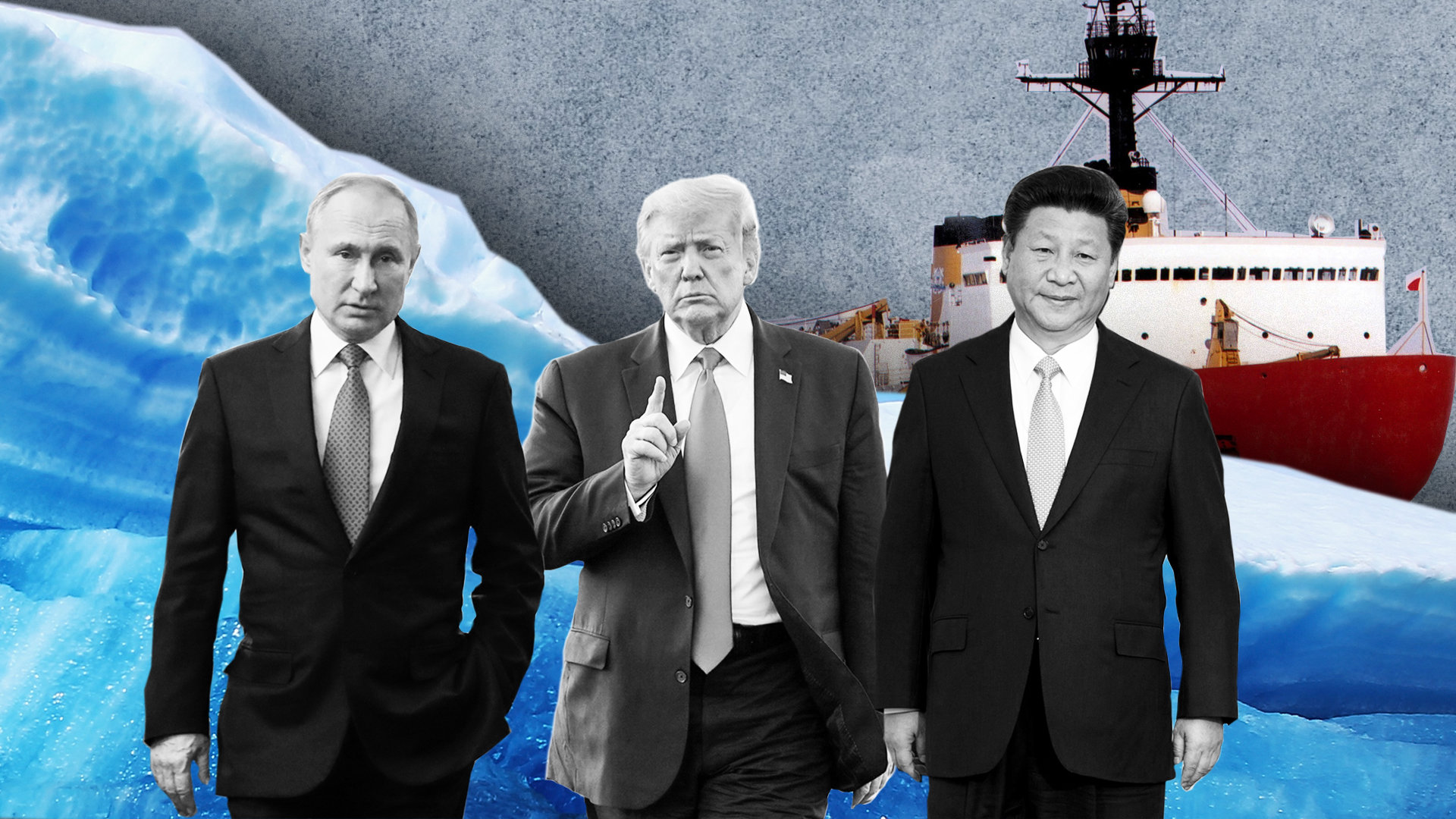
Arctic Sentry: The High North’s New Cold War
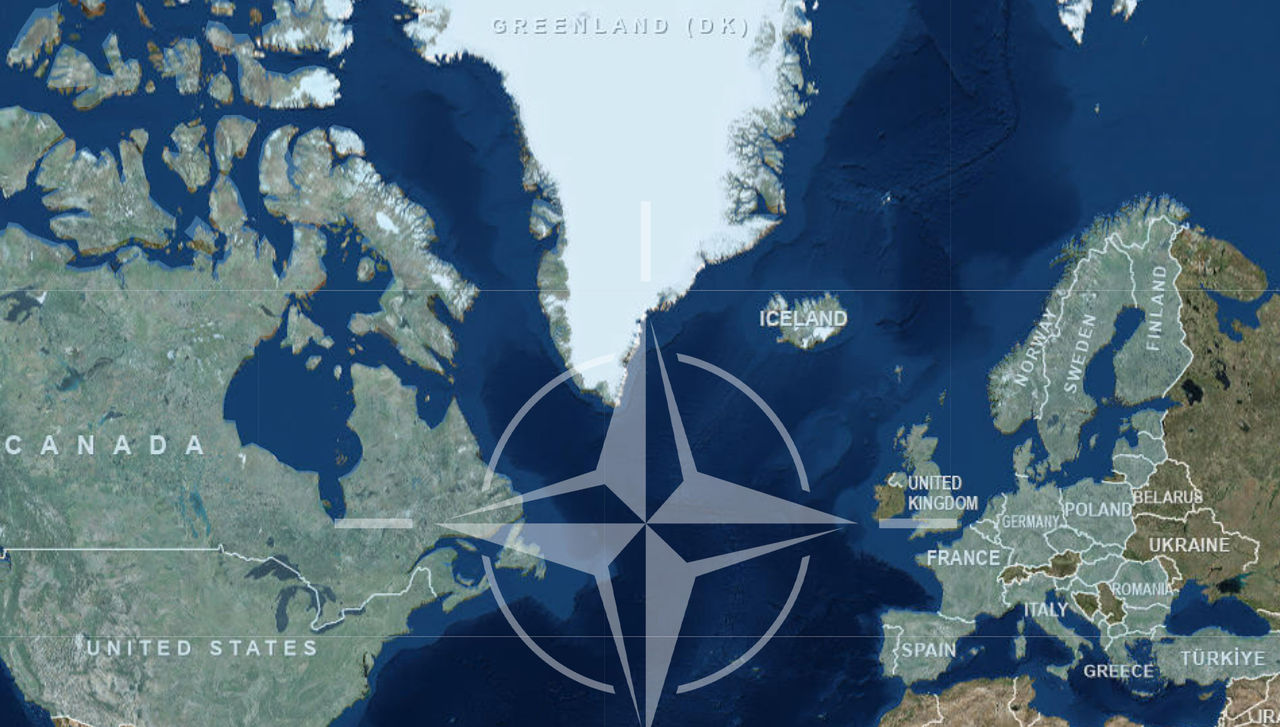
In February 2026, NATO launched Operation Arctic Sentry – a multi-domain “enhanced vigilance” mission under Joint Force Command Norfolk – to bolster allied deterrence in the Arctic and High North. As NATO’s Secretary-General noted, this brings “everything we do in the Arctic together under one command”. Arctic Sentry consolidates existing exercises (Norway’s Cold Response, Denmark’s Arctic Endurance, etc.) and establishes new coordinated patrols and surveillance, akin to NATO’s Baltic/Eastern vigilance operations.
All NATO Arctic states (now 7 of 8, including Finland and Sweden) are integrated into the command framework. Nordic members have pledged forces and bases: Sweden will deploy Gripen fighters around Iceland and Greenland, Denmark is boosting its Arctic fleet (new icebreakers, F‑35 jets and P‑8 patrol aircraft for Greenland), and Finland hosts a new Forward Land Forces HQ (to be led by Sweden). In December 2025, SACEUR formally placed Finland, Sweden and Denmark under JFC Norfolk’s area of responsibility, creating a cohesive posture spanning the North Atlantic (Norway, UK, US) and European Arctic.
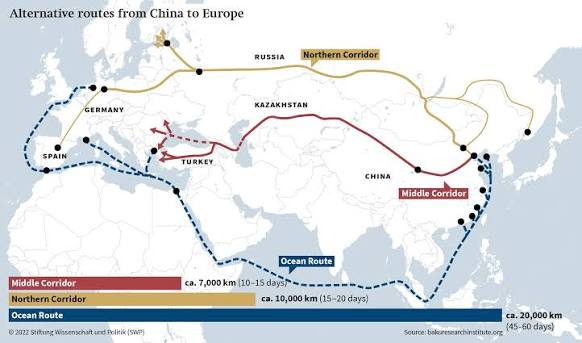
The mission responds to mounting Russian and Chinese moves in the High North. Russia has re activated Soviet-era Arctic bases and modernized its Northern Fleet (new nuclear icebreakers and missile corvettes), and is using the remote village of Teriberka (Kola Peninsula) as a sanction‑busting LNG hub. China – a self‑declared “near-Arctic” state – is pursuing a “Polar Silk Road” shipping route and conducting joint military patrols with Russia (bomber flights near Alaska, coordinated naval escorts). NATO officials describe these as “concerning signals,” spurring investments in radar and maritime surveillance.
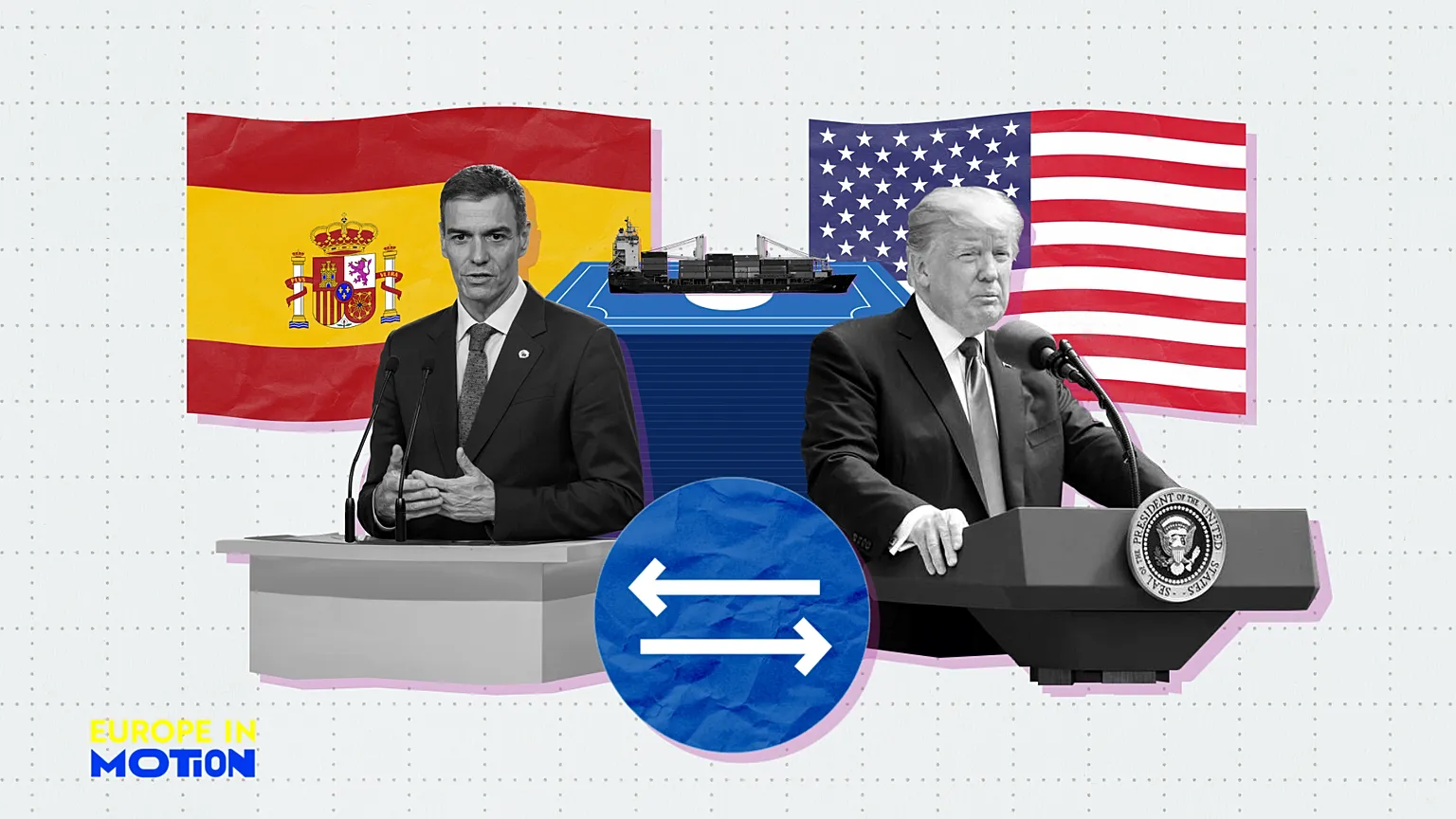
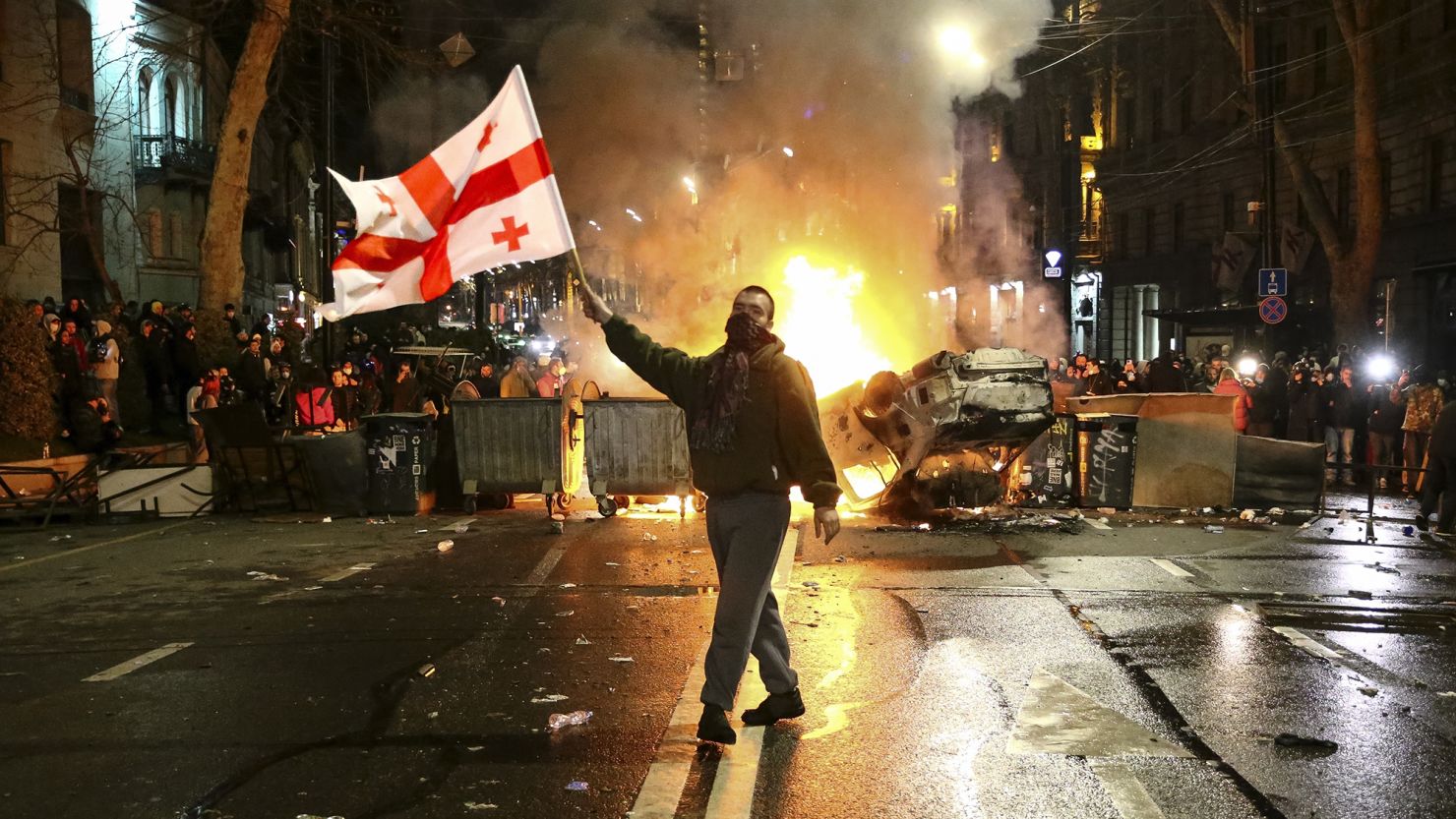
A Greenland crisis in early 2026 underscored alliance solidarity. When President Trump renewed demands on Greenland, allies swiftly reaffirmed that NATO’s collective-defence pledge covers the Danish territory. After talks at Davos in January, Trump publicly renounced any use of force or tariffs on Greenland. Observers note that Arctic Sentry was partly born of this episode – a way to “depoliticize” Arctic defence by giving Denmark NATO‑wide support rather than forcing one ally to face US pressure alone. In a joint statement, seven NATO countries declared their commitment to “strengthening Arctic security” and stood “in full solidarity” with Denmark and Greenland.
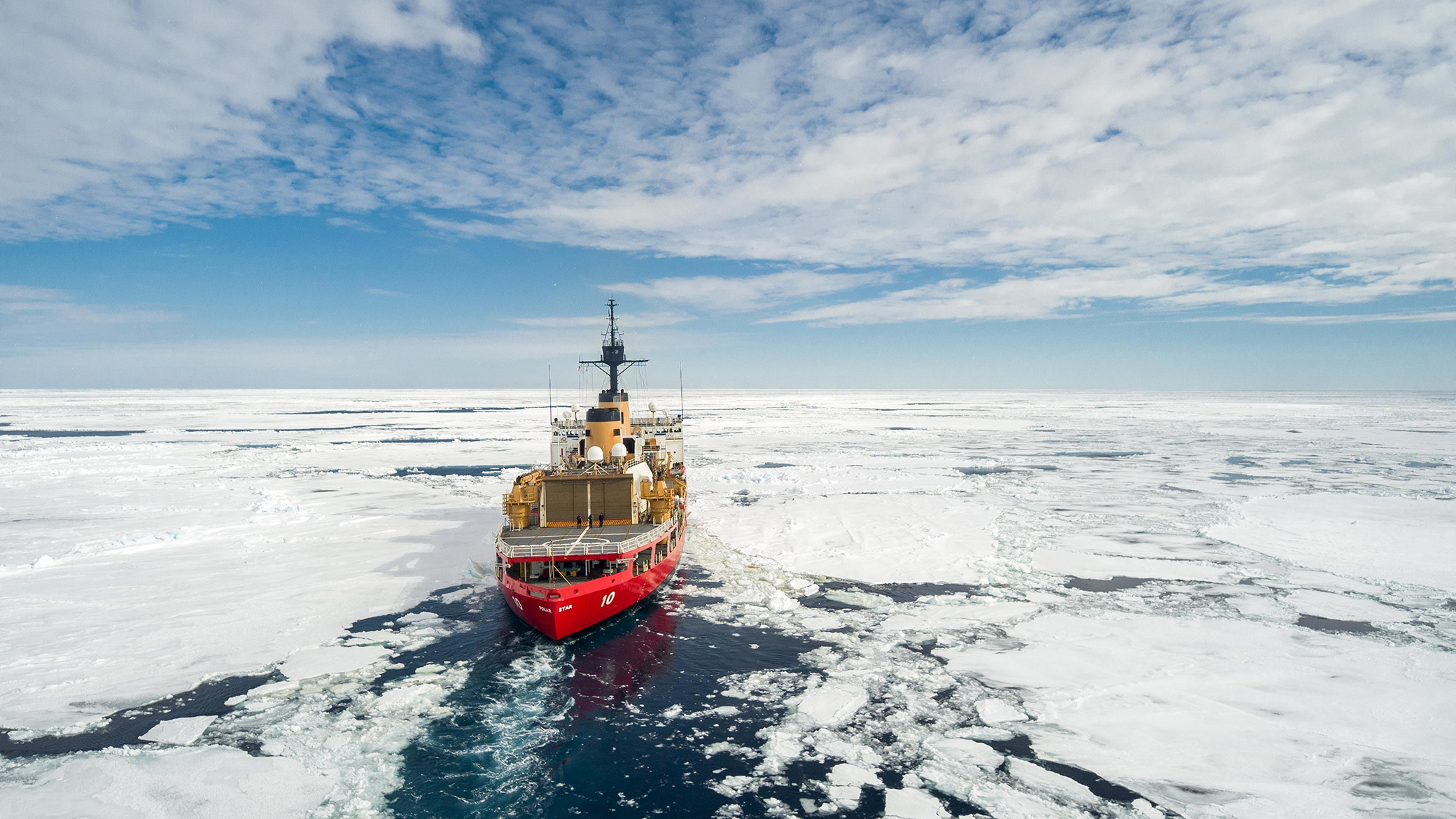
Sustaining operations above the Arctic Circle poses significant legal, environmental and logistical challenges. Extreme cold, polar darkness and remoteness demand specialized training, equipment and support. Vast distances and sparse infrastructure (few roads, ports or airfields) complicate reinforcement and search‑and‑rescue. Fragile ecosystems and unclear maritime claims (e.g. control of the Northern Sea Route) add further constraints. NATO analysts stress that Arctic defence will require long-term commitments and major investment in icebreakers, polar communications and shared logistics.
Looking ahead, analysts argue NATO and Arctic nations must “move from vigilant presence to credible deterrence.” Recommended steps include pooling Arctic ISR assets, expanding joint cold weather exercises (an enlarged Cold Response/Arctic Endurance), and rapidly fielding ice capable forces (new icebreakers, submarines, drones and satellites). Enhanced cooperation through diplomatic forums (Arctic Council, Nordic Defence Cooperation) is also advised. Fully implementing these measures would bolster deterrence and help maintain stability in the High North.
Background: Arctic Geopolitics to 2026
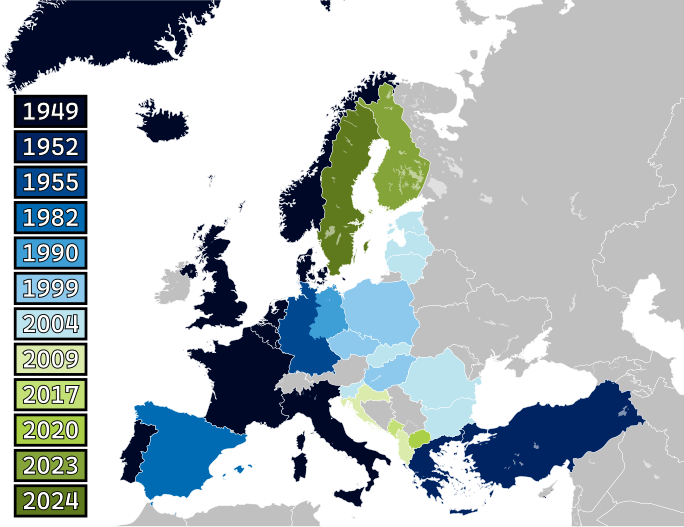
By 2026 the High North had become a contested arena of great-power competition. NATO’s collective defense now encompassed 7 of the 8 Arctic littoral states (all except Russia), following Finland’s NATO accession in 2023 and Sweden’s in 2024. Russia, the sole non‑NATO Arctic power, views the High North as strategically critical. Its Arctic accounts for roughly 20% of national GDP and hosts the Northern Fleet on the Kola Peninsula (home to nuclear‑armed submarines and airbases). Under Putin, Moscow has re-opened dozens of Cold War bases and accelerated military build-up: deploying hypersonic missiles, nuclear subs, missile-armed corvettes, and commissioning new nuclear icebreakers (including the 270‑m Rossiya, due in 2027). Russia’s energy exports to Asia via the Arctic have also created a “shadow fleet” of sanction‑evasive LNG tankers near Teriberka.
China, though not an Arctic state, has positioned itself as a “near-Arctic” power. Beijing’s Polar Silk Road initiative seeks to open northern sea routes to Asia and tap Arctic resources (oil, gas, minerals). In recent years US officials have documented growing Russia–China cooperation: joint bomber patrols off Alaska and coordinated naval transits through the Bering Strait. For example, US Arctic envoy Michael Sfraga warned that joint exercises and dual-use infrastructure are “sending very concerning signals” about shared Russia–China influence in the region. Melting sea ice – famously 3× faster warming than the global average – is also reshaping the environment and opening new activity, which NATO acknowledges as a security challenge.
NATO and its allies have begun to adapt. Even before 2026, Allied ministers and commanders stressed the strategic importance of the Arctic/North Atlantic. Norway has long maintained a substantial force posture above the Arctic Circle, and other allies have increased Arctic training. Notably, at the 2023 NATO Vilnius Summit leaders approved a regional defence plan covering the Northern Flank, tasking Joint Force Command Norfolk to coordinate High North defence. In December 2025 SACEUR officially expanded JFC Norfolk’s area of responsibility to include Denmark, Finland and Sweden, uniting all NATO Arctic Allies under one operational command. These steps reflected growing consensus – as one NATO deputy chief put it, security in the High North is “in the interest of all NATO Allies, not just those with Arctic borders”. By early 2026 then, the High North had emerged as a central focus of NATO strategy, setting the stage for the Arctic Sentry initiative.
NATO’s Arctic Sentry Initiative (Feb 2026)
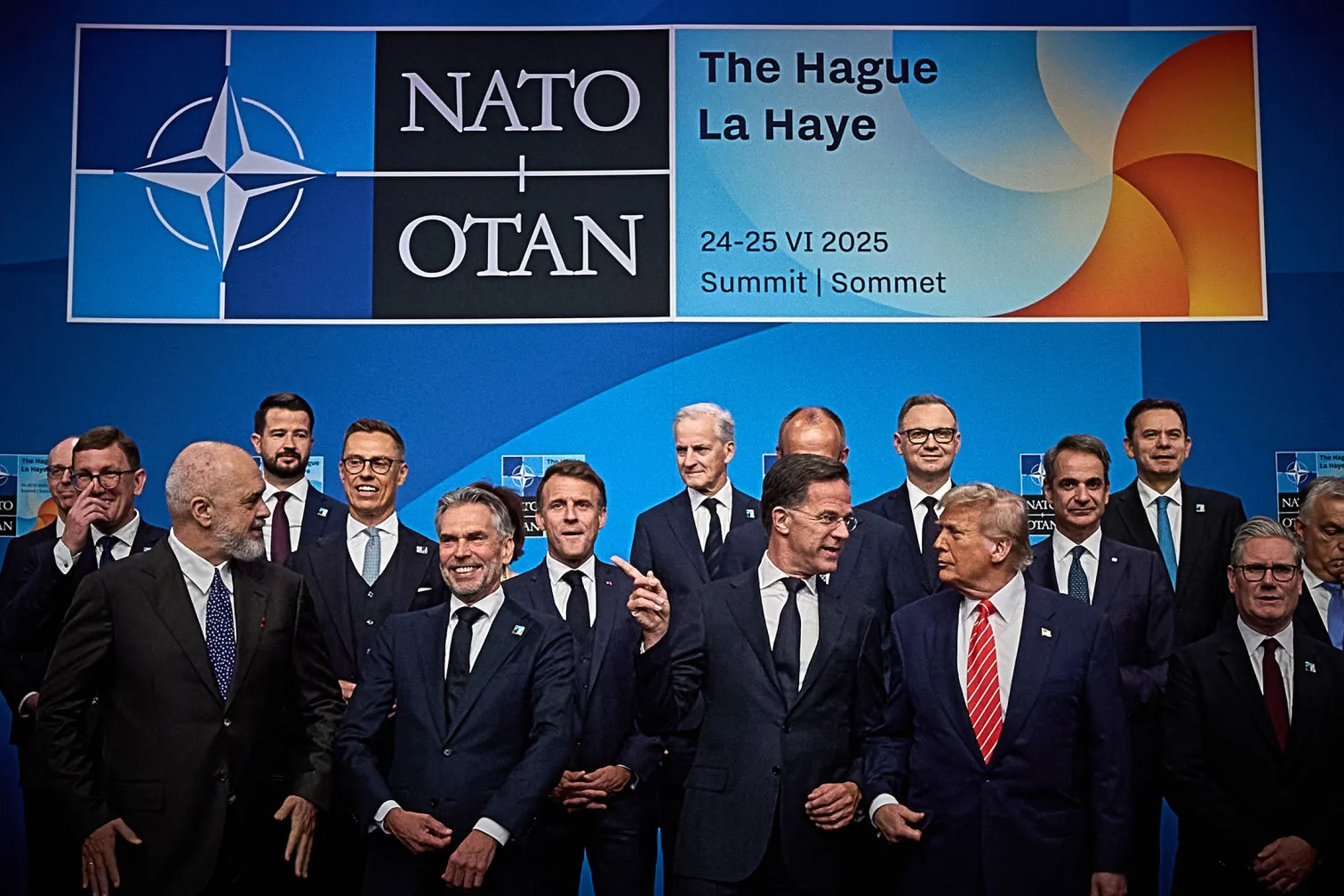
NATO formally unveiled Operation Arctic Sentry at the February 2026 Defence Ministers meeting. Described as a year‑round, multi-domain vigilance activity, Arctic Sentry is intended to “strengthen NATO’s posture and defence capabilities” in the region. In practical terms, it brings together Allied national efforts under a unified framework. In the words of a NATO press release, the operation “provides planners with full visibility of Allies’ national activities across the Arctic, allowing them to consolidate operations into a single, coordinated approach”. Ministers have stressed that, given Russia’s intensified northern armament and China’s Arctic interests, NATO must “do even more” collectively to safeguard the High North. For example, Dutch Prime Minister Rutte warned that “we know [Russia’s and China’s] presence is growing… it’s a real threat and we have every need to protect this vital part of NATO territory”.
Arctic Sentry is structured under Allied Command Operations (ACO) with strategic oversight from SACEUR (Supreme Allied Commander Europe). The day‑to‑day execution is led by Joint Force Command Norfolk in Norfolk, Virginia – the US Second Fleet headquarters – which now has the High North added to its remit. JFC Norfolk will coordinate the operation, integrating Air, Maritime and Land components and liaising with allied and national commands. It will operate in close conjunction with Allied Command Transformation (for doctrine and capabilities) and with other defense structures (US Northern Command, US European Command and US‑Canada NORAD) to align NATO’s efforts. In practice, JFC Norfolk will bring allied exercise plans (such as Cold Response and Arctic Endurance) into a single operational C2 scheme, testing and validating the new command arrangements. As one analyst notes, Arctic Sentry is in part “an exercise to evaluate the arrangements necessary for NATO command and control in the High North,” by running multinational drills under unified planning. This mirrors the model of NATO’s “Baltic Sentry” or “Eastern Sentry” vigilance activities, but extended to the Arctic.
Nordic Allies: Integration and Roles
Finland. A NATO member since April 2023, Finland is already a major Arctic partner. Its 280,000 strong defence forces include brigade-sized units in Lapland specially trained for winter warfare. In February 2026 Finland announced that Rovaniemi will host a NATO Forward Land Forces Headquarters. This permanent HQ (to be led by Swedish officers) will coordinate allied ground forces across northern Fennoscandia. Finnish troops (armor, artillery and air defence) routinely take part in Exercise Cold Response, and Sweden’s defence ministry notes that parts of Finland’s FLF concept have been exercised in Cold Response under the Arctic Sentry framework. Finland’s inclusion in JFC Norfolk’s area means its airfields (Rovaniemi, Oulu, Ivalo) and radar sites can feed into the NATO picture, and its planned F‑35 fighters (replacing F/A-18s) will strengthen allied air policing up north.
Sweden. Joining NATO in March 2024, Sweden is likewise a frontline Arctic ally. It fields cold weather brigades in its north, and contributes one large icebreaker (Oden) and patrol vessels to Arctic missions. In late 2025 Sweden pledged to send JAS 39 Gripen fighters to support NATO in the Arctic – specifically “around Iceland and Greenland” as part of Arctic Sentry. Prime Minister Kristersson cast this as a demonstration of Sweden’s solidarity: participation shows Sweden is “a reliable and active ally” committed to common defence. Sweden’s government emphasized that Arctic Sentry “consolidates NATO’s presence” in the region and will encompass allied exercises (Arctic Endurance, Cold Response). In practice, Swedish forces will join coalition exercises in the High North and also host rotations of NATO AWACS or F-35s from Iceland as part of the common air policing. The Swedish Air Command has begun reorganizing to operate jointly with NATO in northern bases (e.g. Luleå and Kiruna).
Denmark. As Arctic manager (Greenland and Faroe Islands), Denmark is a key advocate for NATO’s High North engagement. It already maintains the Joint Arctic Command and has been building its Arctic capabilities (icebreakers, F-35 jets, P-8 patrol aircraft and new helicopters for Greenland). Denmark has taken the lead in NATO’s Greenland exercises. Its annual Arctic Endurance series, run with allied participation, has explicitly been subsumed under Arctic Sentry. For Arctic Endurance 2026 Denmark invited ten NATO allies to train in Greenland’s demanding environment (from Feb Mar 2026), with stated objectives of deterring the use of force and strengthening Arctic defence. According to Danish reports, participants will include Allied frigates, submarines, F-35s and a US Navy P-8 maritime patrol plane, as well as Danish Arctic troops. In January 2026 eight NATO governments (including Denmark itself) jointly declared their “full solidarity” with Greenland and underlined that the Danish exercise poses “no threat to anyone”. Denmark’s Arctic infrastructure (ports at Nuuk and Thule, airfields at Kangerlussuaq and Sondrestrom) will support NATO deployments, and Denmark is strengthening its search-and-rescue and air surveillance assets. In all three Nordic cases, national forces and bases are now slated to operate under JFC Norfolk’s umbrella, creating a unified NATO northern flank.
Russia and China in the Arctic
Russian and Chinese activities in the Arctic have driven much of NATO’s urgency. Russia’s strategy is both military and economic. It has massively rebuilt its icebreaker fleet to dominate the Northern Sea Route – launching the 33,500-ton Yakutia in 2024 and the 69,000-ton Rossiya (capable of breaking 4 m of ice) in 2027 – thereby ensuring year-round navigation from Europe to Asia through Russian waters. Militarily, Russia has deployed new fighter and helicopter regiments to Arctic bases, deployed S‑400 and Pantsir anti‑air systems along the Kola coast and stationed its newest Borei‑class ballistic-missile submarines and Yasen class attack subs in northern ports. Moscow’s official doctrine treats the Arctic as vital to national security, given its resource wealth and strategic location. For example, one analyst notes Russia attributes roughly 20% of its GDP to the Arctic and views control of Kola as essential.
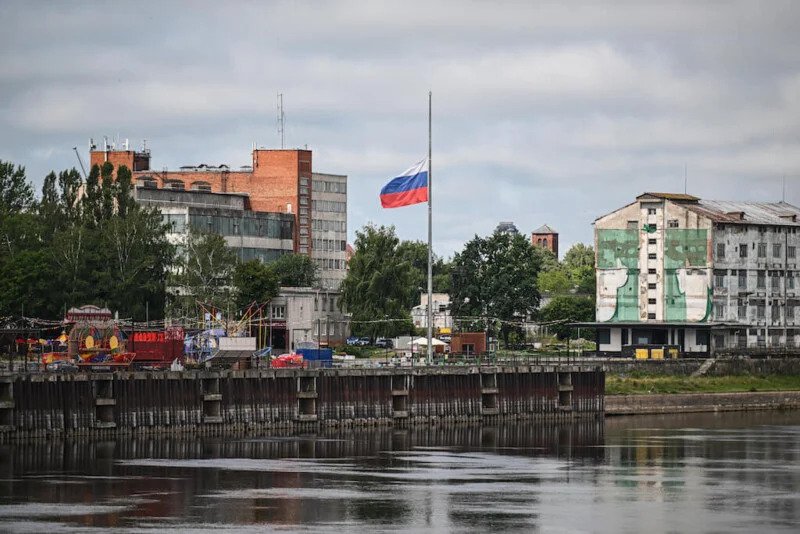
Of particular concern to NATO is Russia’s use of Teriberka (on the coast of the Kola Peninsula) as an improvised LNG export hub. Barents observers report dozens of LNG tankers (some blacklisted by the West) loitering near Teriberka and Ura Bay to transfer fuel from anchored ships, circumventing sanctions. This “shadow fleet” demonstrates Russia’s willingness to exploit the Arctic’s remoteness to evade export controls. It also brings military targets close to Norwegian and NATO areas of operations, since Teriberka lies only ~125 km from Norway’s border.
China’s Arctic footprint is growing too. Beijing has built two polar research icebreakers and announced itself a “near-Arctic state” in 2018. Its Polar Silk Road policy envisions regular shipping through the Arctic as an alternative to the crowded Malacca Strait, citing energy security and shorter transit to Europe. China has invested in Arctic infrastructure projects (such as buying equity in Russia’s Yamal LNG project) and is advancing satellite and navigational capabilities for the polar region. Most worrying to NATO has been the rise in joint Russian‑Chinese naval activities: long-range bomber sorties near Alaska have been flown with Russian support, and Chinese Coast Guard vessels routinely sail through the Bering Strait alongside Russian escorts. US and NATO leaders caution that these patterns – including the “concerning” bomber flights – signal a deepening tactical alignment between Moscow and Beijing in the Arctic, even as both nations press legal claims. In short, Allied analysts see the Russo-Chinese Arctic buildup as aggressive, requiring NATO to counter with vigilance and presence.
The Greenland Crisis and Alliance Cohesion
The early 2026 “Greenland crisis” began when President Trump again floated the idea of seizing Greenland or forcing its sale to the US, even hinting at military action or punitive tariffs on Denmark. The move provoked an immediate diplomatic backlash. Danish officials demanded an apology, EU leaders condemned the suggestion, and NATO allies unanimously affirmed that Greenland was firmly under Denmark’s sovereignty (and thus protected by Article 5 if attacked). NATO Secretary-General Rutte, who as Dutch PM had dealt with Trump in Davos, handled the issue with discretion. In public comments he emphasized the Arctic’s collective defence importance and insisted Allies would resolve the issue behind closed doors. Privately, senior diplomats warned Trump to drop the idea. By January 21, at the Davos World Economic Forum, Trump quietly agreed to abandon any forcible claim on Greenland. The alliance then shifted to damage control, with Rutte and others counseling unity: as he said, all seven Arctic-border NATO members “agree that we need to do the next steps” on Arctic defence and that none of them can consider the region safe unless NATO is united.
The incident tested allied cohesion but ultimately reinforced it. A joint statement by Denmark, Finland, France, Germany, the Netherlands, Norway, Sweden and the UK made clear that Greenland’s security was a shared responsibility. The Danish-led Arctic Endurance exercise that immediately preceded the crisis even took on a political edge: officials described it as a demonstration of collective resolve (it was framed as “no threat to anyone”). Indeed, many analysts believe Arctic Sentry was conceived to address the very vacuum exposed by the crisis. By pooling NATO resources in the High North, the mission ensures that Denmark (and Greenland) will henceforth have broad allied support. In the words of one Arctic security analyst: Sentry “depoliticizes” regional defense by having NATO stand behind Denmark, rather than forcing any single country to face US pressure or Russian coercion alone.
Legal, Environmental and Logistical Challenges
Operating in the Arctic remains enormously complex. Legal issues: All Arctic states are parties to UNCLOS, which governs territorial claims and freedoms. However, some disputes persist. Russia treats parts of the Northern Sea Route (NSR) as its internal waters requiring icebreaker escort, whereas NATO sees it as an international route. Canada claims the Northwest Passage as its internal waters, conflicting with US/European views of it as international straits. The 1920 Svalbard Treaty (which grants access rights) and recent Russian militarization there raise ambiguities. Furthermore, there is no broad security treaty for the Arctic beyond NATO/EU and the Arctic Council (which by mandate excludes hard-security issues). Thus, allied forces must carefully navigate airspace and waters, observing civilian law-of-ship while deploying military assets. Environmental factors: Climate change is reshaping the theater. NATO now explicitly warns that warming, permafrost thaw and changing ice conditions “present immediate and long-term risks” for operations. Melting ice opens search-and-rescue missions and environmental protection issues (oil spills, polar bears). Logistics: The sheer remoteness is a major obstacle. There are very few all season deepwater ports (e.g. Murmansk, Kirkenes, Nuuk, Sisimiut) and limited overland infrastructure. Extreme cold and darkness mean equipment wears out faster and human operations (like refueling or medical evacuation) are risky. Even communications are difficult – satellite coverage is sparser at high latitudes. Supplying a brigade or naval task force in winter requires immense effort. In short, Arctic operations demand specialized gear (cold-weather vehicles, polar radio networks, ice-capable ships, etc.) and pre-positioned stocks. As analysts note, success will require “substantial long-term commitments” – in forces, funding and infrastructure – far beyond what most Allies currently allocate to the North.
Scenarios and Policy Recommendations
Looking forward, several broad scenarios are plausible in the Arctic:Steady deterrence scenario: NATO continues to build presence (more exercises, patrols and allied rotations) and Russia maintains a firm but cautious posture. Here, Arctic Sentry and allied coordination keep the peace by demonstrating resolve. Key to this scenario is sustained Allied cohesion and burden-sharing, with Europe assuming a larger role in Arctic patrols (in line with recent calls by EU leaders).
Crisis escalation scenario: A collision or confrontation (for example, a clash between a Russian air patrol and NATO jets, or a shadow-fleet incident near Greenland) could ignite a local crisis. In a worst case, such incidents risk sliding into a larger U.S.–Russia standoff. Analysts warn that domestic politics (e.g. future provocations over Greenland or polar resources) could suddenly pressure NATO. In this scenario, failure to maintain unity (for example, if one ally resists joint action) would embolden Russia or China.
Strategic pullback scenario: Domestic shifts (e.g. a withdrawal of the U.S. from Arctic priorities, or EU fatigue) could leave Europe to cover the northern flank. This could strain smaller Nordic countries’ budgets and test Article 5 commitments. Some pundits warn of a “free-rider” risk unless NATO allies find common burdens. To guard against these, policy experts recommend both strengthening capabilities and enhancing cooperation: To guard against these, policy experts recommend both strengthening capabilities and enhancing cooperation:
Arctic-specific forces: Allies should accelerate procurement of Arctic-capable assets. This means more icebreakers (the US alone plans 11 new polar ships), amphibious vessels, Arctic drift patrol crafts, and long-endurance drones/satellites for polar ISR. Air forces should maintain year-round NATO presence (e.g. more frequent rotations of AWACS, P‑8 and fighters to Norwegian bases). For example, Sweden recently announced new polar-capable C‑130 transports for crisis reinforcement.
Infrastructure investment: Building runway and port capacity in the North is urged. Canada’s new Arctic patrol ships and Norway’s mountain brigade upgrades are model examples. Some analysts urge NATO to help fund projects like expanded Kirkenes base (Norway) or Greenland airfields, to shorten supply lines. Investing in Arctic-comms (satellites, a northern fiber link) would also pay dividends.
Allied coordination: Codifying Arctic command relations is a priority. One idea is a permanent NATO Northern Command (akin to SACEUR’s other sub-commands) to provide consistent leadership. At minimum, JFC Norfolk should remain fully resourced. Allies should also boost intelligence-sharing on Arctic threats (e.g. jointly monitoring Russian naval movements or shadow‑fleet operations). Formal agreements (much like NORAD’s Canada/US Air Defense) for Arctic air policing or naval patrolling could be considered.
Legal and diplomatic steps: NATO and its member-states could use the Arctic Council (where Russia, China and all NATO countries meet on non-security issues) to establish crisis hotlines or confidence-building measures. Allies should reaffirm international law: e.g. by jointly pledging to respect UNCLOS norms in any transit. Likewise, a renewed effort to update the 1951 Greenland bases treaty or to negotiate Arctic Search & Rescue protocols could ease legal friction.
Environmental cooperation: Policy-makers note that the High North will also see climate driven issues like maritime accidents or resource competition. Continued multinational monitoring of icebreakers and emergency-response planning (with Russia and China included) would mitigate risks. Practitioners stress engaging indigenous and Arctic communities in planning, to improve local knowledge and legitimacy.
In summary, analysts urge NATO and Nordic governments to maintain high focus on the Arctic, matching or exceeding Russia/China’s scale of effort. As Sweden’s Prime Minister put it, “we must take responsibility for our own security” by investing in the High North. Achieving credible deterrence will require both hard power (troops and ships) and soft power (diplomacy and stable rules) – to ensure that the new Arctic Cold War remains cold.