The Shadow Winner: How the Gulf Crisis Re-Fueled Russia’s War Machine
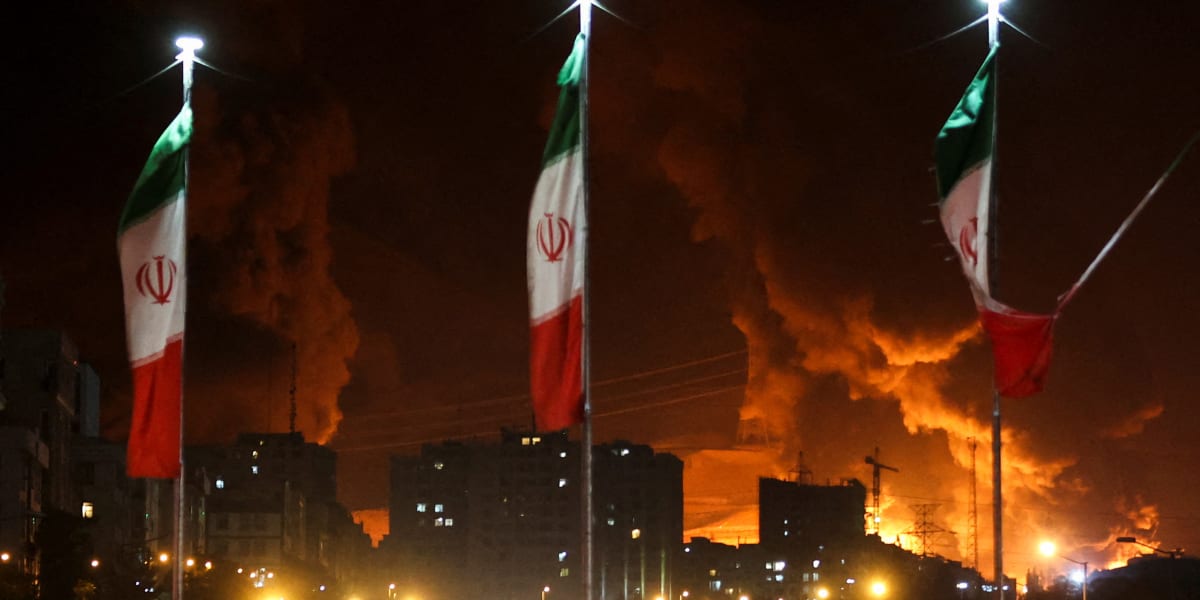
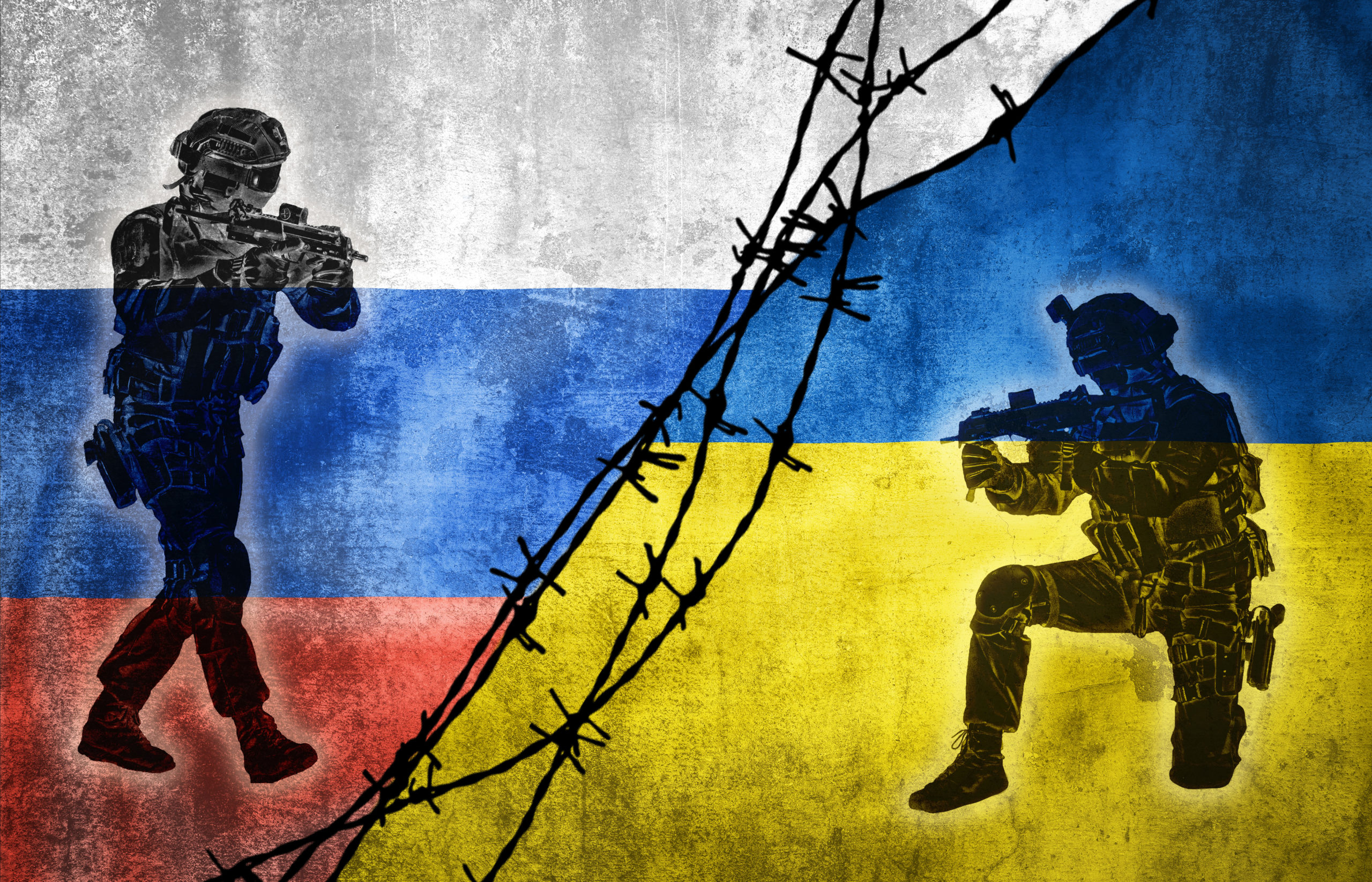
While journalists and markets fixate on burning oil tankers in the Gulf, a quiet financial revolution is unfolding in the Kremlin. As the Strait of Hormuz disruption pushes Brent crude past $85 per barrel, and at times above $100, Russia’s 2026 war budget is shifting from structural deficit to a de facto surplus, giving Moscow fresh billions to fund its grinding campaign in Ukraine without overt new tax hikes or borrowing.
The Brent Surge and the Kremlin’s “Windfall”
The program runs through the CBP Home Mobile App. Anyone without legal status can download it for free. Here is exactly how it plays out. First, you open the app and say you want to leave voluntarily. The app checks your background quick. No serious crimes? You pass vetting in hours.
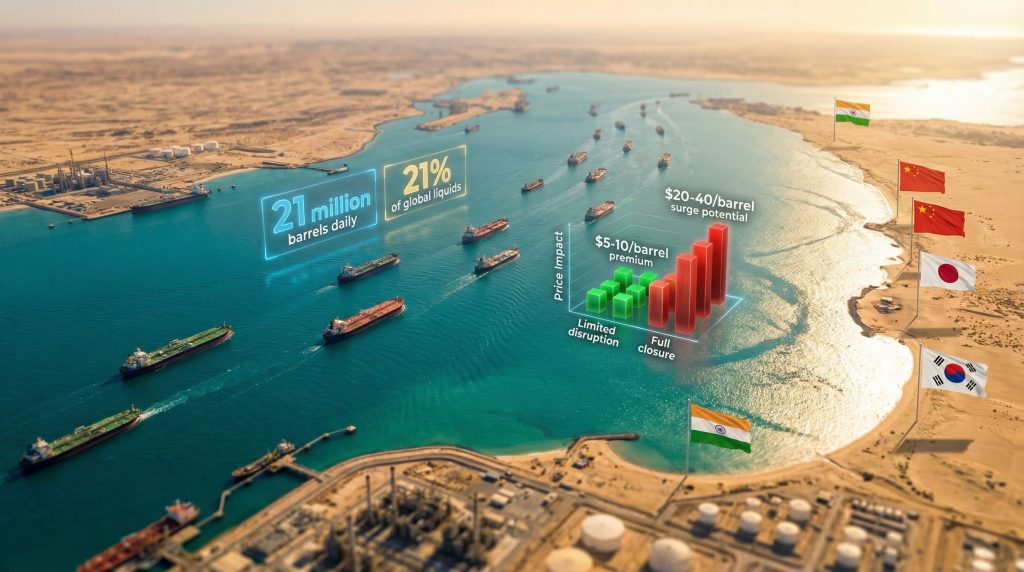
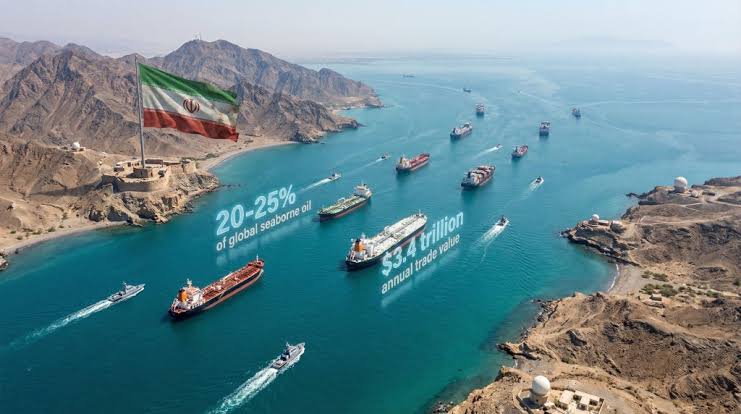
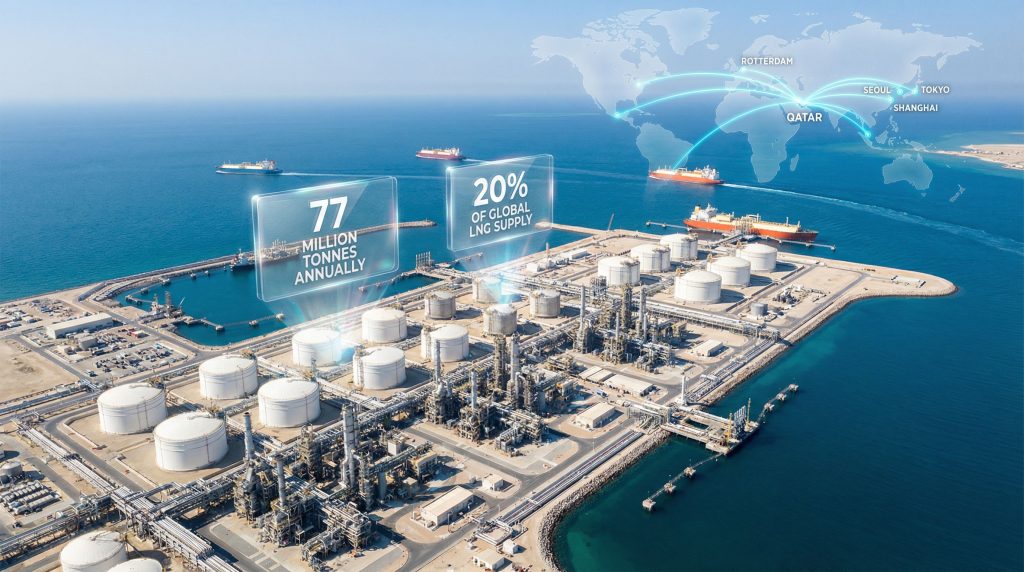
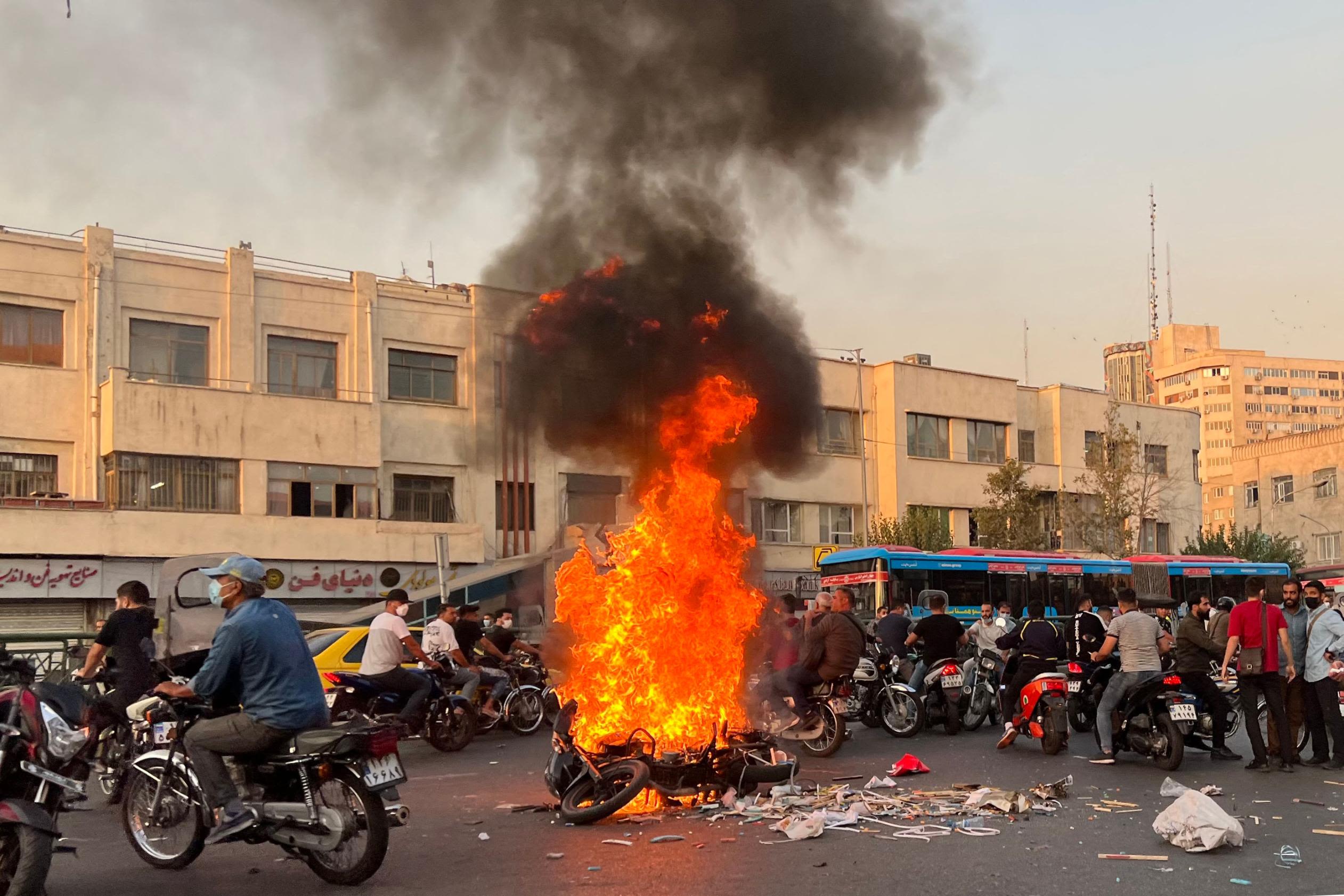
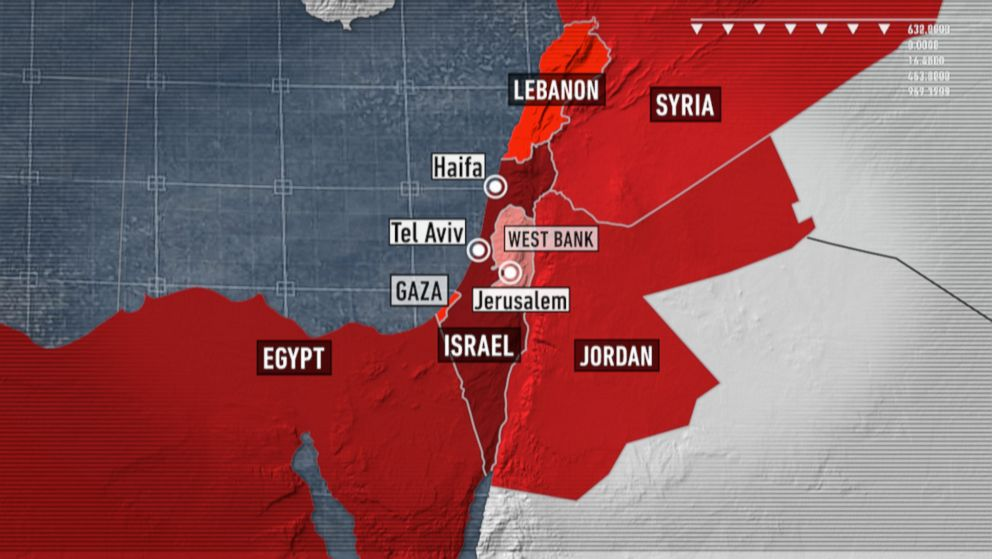
The Iran–Israel war and US–Iran clashes have choked the Persian Gulf trade artery, taking roughly 20% of global oil exports temporarily off the market. Futures markets have priced Brent crude at levels not seen since 2022, with spot prices briefly touching $103–$105 per barrel in mid March 2026.
Even though Russian Urals blends still trade at a steep discount to Brent, the global surge lifts Moscow’s effective tax base. Russia’s 2026 federal budget assumes an oil price of 5,440 rubles per barrel (roughly $59 at 92.2 rubles to the dollar). By early March, the domestic oil-price-for-taxation benchmark hit 6,105 rubles per barrel, an 82% jump from the pre-campaign level and well above the budget assumption. That move alone converts Russia’s forecast fiscal gap into a hefty surplus in oil-and-gas terms.
Russia’s 2026 War Budget: From Deficit to “War Chest”
Official data show that Russia’s federal budget fell into a 3.45 trillion ruble (about $42–44 billion) deficit in January–February 2026, equal to roughly 1.5% of GDP, as the initial sanctions and low-Oil-price environment squeezed revenue. At that time, the Kremlin hinted at possible spending cuts, including in defense, if Urals stayed around $40–$45 per barrel.
The Hormuz shock changes that calculus dramatically. Analysts at Russian banks estimate that if Urals averages $75–$80 per barrel for the year, Moscow could net an additional 3–4 trillion rubles (about $37–$50 billion) in oil and gas revenues. The Ministry of Finance has quietly signaled that, after a sharp monthly spike in April, oil and gas revenues could grow by around 70% compared with March, hitting a record 0.9 trillion rubles in one month alone.
With 12.9 trillion rubles (roughly $157 billion) already earmarked for defense in 2026, Moscow can now:
Avoid announced defense cuts and instead sustain, or even quietly expand, frontline spending;
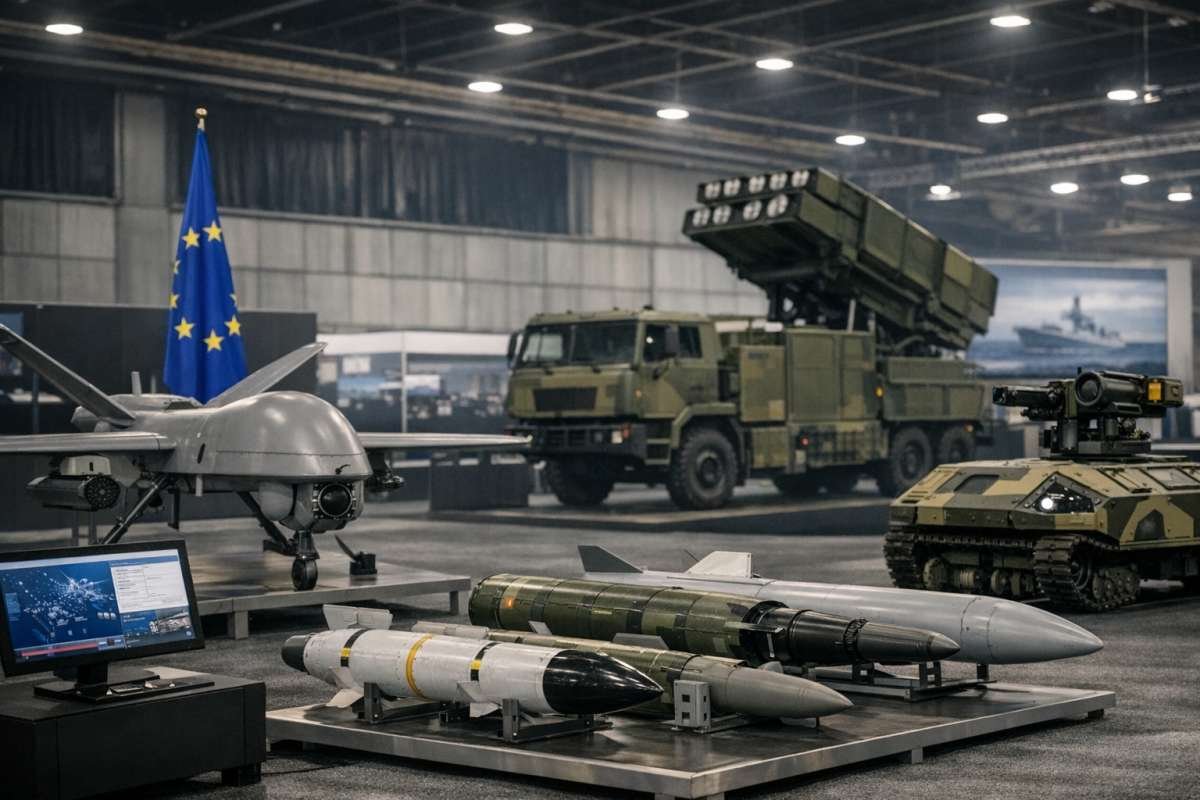
Boost procurement of artillery shells, drones, air-defense systems, and spare parts without adding to the budget deficit;
Fund domestic mobilization schemes, including higher wages and incentives for conscripts and contract soldiers, which are critical in a war now entering its fifth year.
The Discounted Oil, but Still Winning
Western sanctions and the EU-UK price cap still force Russia to sell much of its oil below the Brent benchmark, often at discounts of $20–$30 per barrel. However, Moscow’s “shadow-fleet” of tankers, opaque trading networks, and growing sales to Asia and non-aligned states ensure that barrels still flow. The current environment—where the whole oil market flushes higher—means that even these discounted cargoes now yield more rouble revenue than they did when global prices were lower.
The International Monetary Fund and several independent think tanks now estimate that Russia’s oil and gas revenues for 2026 could reach, or slightly exceed, the 8.9 trillion ruble target (roughly $108 billion) originally set by the Kremlin, despite earlier doubts that the number was realistic given sanctions and weak demand. Where once analysts expected a revenue shortfall and painful cuts, the Gulf crisis has instead provided a cushion that keeps the war-funding machine running.
Strategic Implications for Ukraine and the West
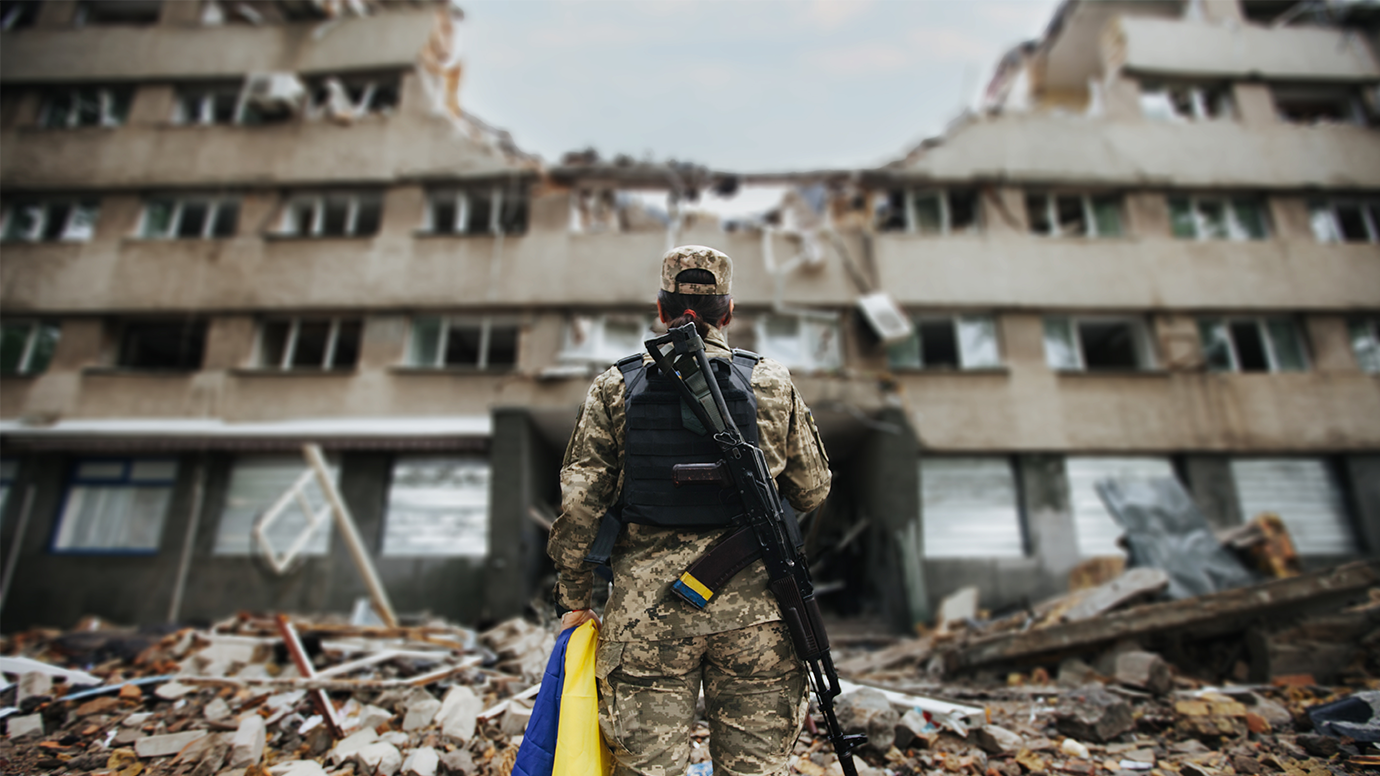
The real impact of all this is not just in Moscow’s budget tables; it is on the frontlines of Ukraine. More rouble revenues mean Moscow can:
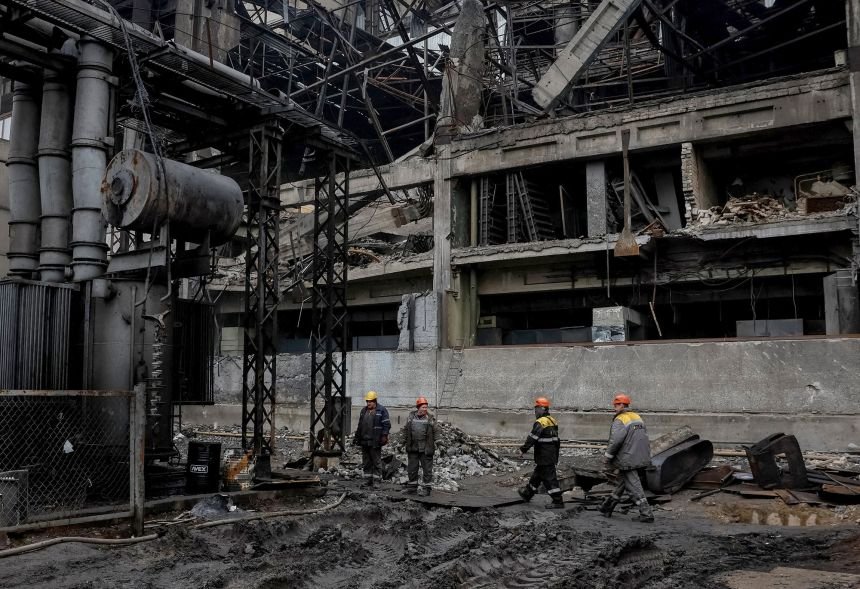
Continue long-range missile and drone strikes on Ukrainian energy and industrial infrastructure without depleting reserves;
Replenish artillery stocks and modernize air-defense networks around key depots and logistics hubs;
Drag out the war of attrition, betting that Western publics will grow impatient while Russian energy rents keep the state solvent.
For NATO and EU capitals, this dynamic is deeply frustrating. The West hoped that sanctions and market pressure would gradually erode Russia’s ability to finance the war. Instead, the Iran–Gulf crisis has inadvertently plugged Russia’s fiscal gap, turning Moscow into a covert “shadow winner” of the Middle East war. The more the Gulf burns, the more Russia can afford to keep the war in Ukraine burning too.
The Longer-Term Outlook
The Kremlin’s exuberance over the oil surge is tempered by risks. If the Iran–Israel war ends quickly and the Strait of Hormuz reopens fully, Brent may fall back toward the $70–$80 range, eroding Moscow’s windfall. Moreover, Europe and the United States may again lean on pressure mechanisms such as new sanctions, enforcement of the shadow-fleet framework, and expanded energy-transit diversification to reduce Russian revenue over time.
But for the first half of 2026, the picture is clear: while the world fixates on fire and smoke in the Gulf, the biggest financial beneficiary is Russia. The Kremlin’s war machine, once heading toward a gritty, constrained 2026, now has a breathing room that could prolong the fighting in Ukraine for many more seasons. The Gulf crisis, in this sense, is not just a regional tragedy; it is a structural gift to Russia’s war economy—one that Moscow is determined to exploit.
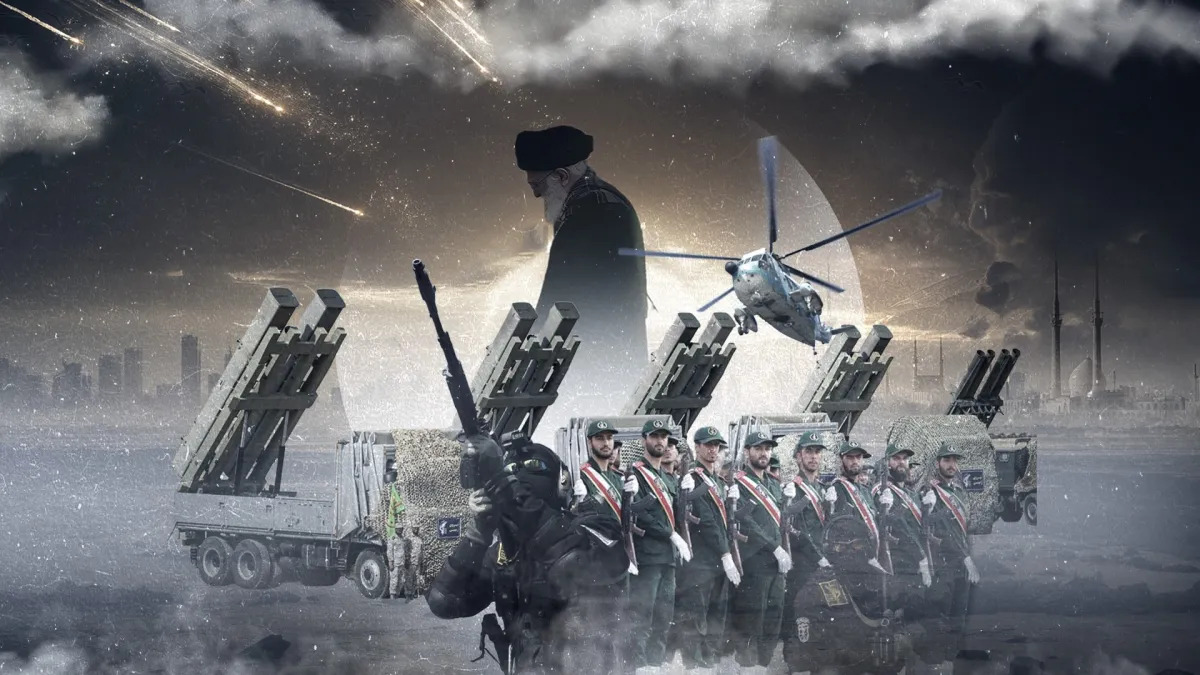
The intensifying crisis in the Middle East now centered on Operation Lion’s Roar, the death of Supreme Leader Khamenei, and the wider US-Iran-Israel war is directly prolonging the war in Ukraine by straining Western military, financial, and political bandwidth, reinforcing energy-market volatility, and reshaping the global coalition against Russia.
The more absorbing and dangerous Middle-Eastern conflict becomes, the more it buys military space, political breathing room, and financial benefits for Russia, all of which reduce pressure on Moscow and tilt the balance in Kyiv’s war of attrition.
Diversion of Western Military and Financial Resources
Ammunition and system priorities: In 2025 and early 2026, even brief exchanges between Israel and Iran, and repeated Houthi and Hezbollah attacks, caused delays in munitions and equipment shipments to Ukraine as the United States and European air-defense, missile, and C-UAS inventories were drawn down to defend US bases in the Gulf and Israel.
A direct-war escalation does more: A full-scale US-Iran war would force NATO to shift additional F-35 detachments, Patriot/THAAD batteries, and naval assets toward the Gulf and Eastern Mediterranean, pulling those assets out of rotational plans for Eastern Europe and Black Sea escort operations.
Budget pressure: As the United States, Israel, and Gulf states ramp defense spending and emergency aid, Ukraine’s share of Western security budgets and emergency appropriations becomes politically harder to sustain at current levels, even as Ukraine’s need for artillery, air defense, and drones continues to rise.
As the US-Iran-Middle East war grows, the relative “packaging” of Ukraine as a single-theater priority gives way to a multi-theater scramble, meaning Ukraine aid is delayed, fragmented, or re-traded politically directly extending the duration of the war by constraining what Kyiv can achieve each season.