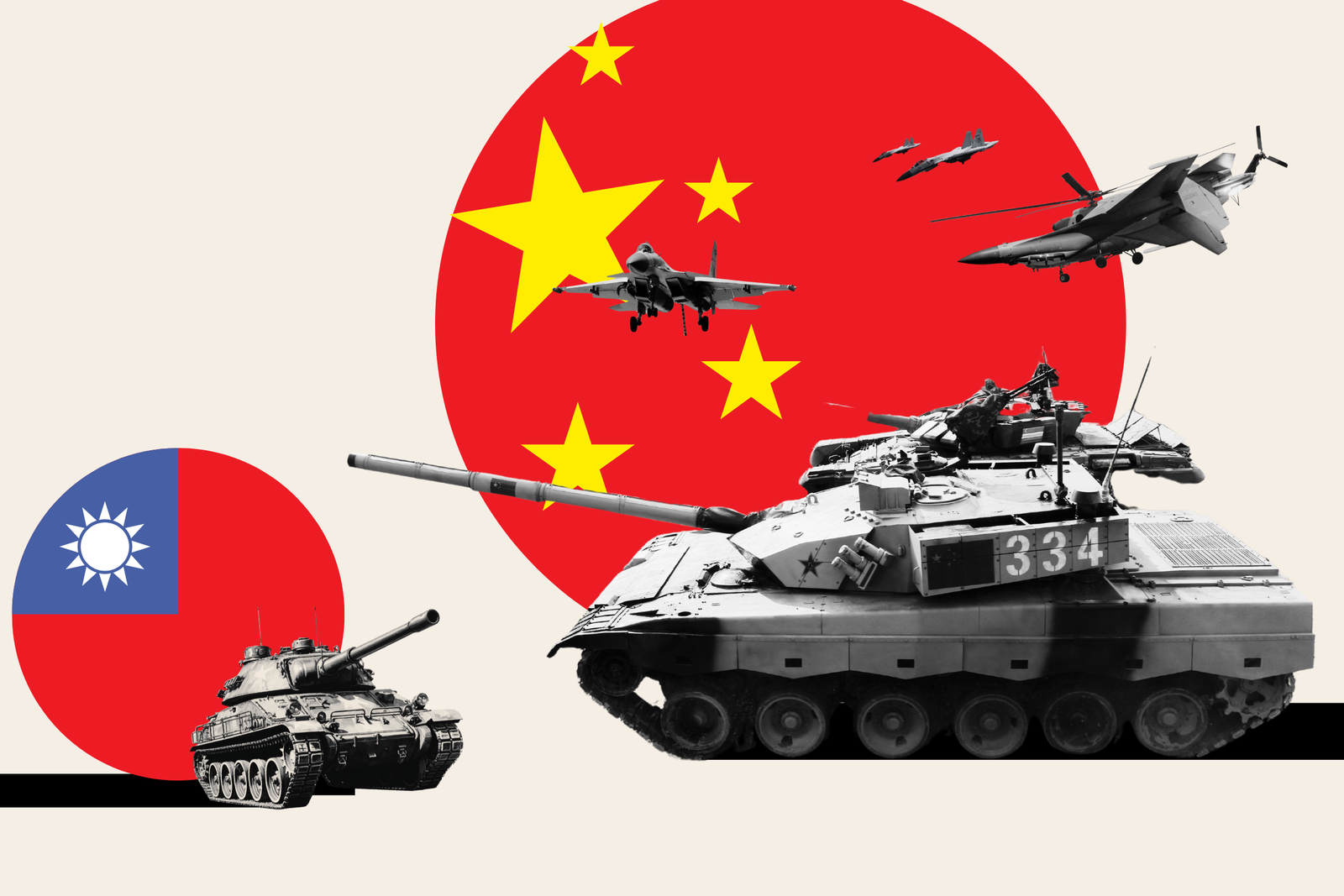
The Ballot Before the Blockade: How China’s Digital Pressure Campaign Is Preparing the Battlespace Around Taiwan
Taiwan’s local elections on 28 November are being contested in an information environment under sustained pressure from China. Taiwan’s National Security Bureau reported that more than 2.5 million pieces of disputed or false China-originated content targeted the island during the first nine months of 2026, an increase of about 48 per cent from the same period in 2025. The material focused on energy, food security, defence policy and individual candidates. Over the same period, Chinese cyberattacks on Taiwanese government agencies averaged 2.58 million a day, with large surges in July and August.
These figures do not prove that Beijing has decided to impose a blockade or attack Taiwan. They do show why election interference should not be treated as a self-contained democratic problem. The campaign gives Chinese actors repeated opportunities to map the information environment, test narratives, identify trusted local voices, probe government networks and observe how institutions respond under political pressure. Capabilities developed for an election can be adapted quickly to a military crisis.
The most important continuity lies in the subject matter. Claims about power shortages, food supplies, mobilisation, defence spending, American reliability and government competence can influence voters in peacetime. During a blockade or quarantine, the same themes could generate bank runs, panic buying, doubts about military orders and pressure for premature concessions. Beijing would not need to persuade every Taiwanese citizen. It would need to create enough uncertainty that officials, businesses and households hesitate at the moment when coordinated action matters most.
China’s approach increasingly combines external production with domestic amplification. State media, content farms, fake accounts and artificial intelligence can introduce or multiply a narrative. Taiwanese politicians, commentators and influencers may then be quoted, clipped or repackaged because familiar voices carry more credibility than overt propaganda. The resulting content can remain politically useful even when its origin is disputed. It exploits real disagreements inside an open society and makes foreign manipulation difficult to separate from legitimate debate.
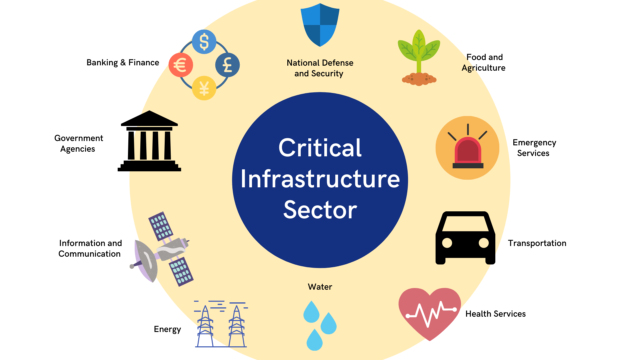
This is why the 2026 local elections matter beyond the result. They are a live test of Taiwan’s ability to identify coordinated behaviour without policing opinion, correct false operational claims without becoming partisan, and keep public communications credible during a fast-moving event. Local authorities also run essential services and will help manage civil defence, emergency shelters and public information in a crisis. Weakness exposed during a campaign could become an operational vulnerability during coercion.
Taiwan should join election security and blockade preparedness into one resilience system. That requires stronger protection for government and campaign accounts, rapid technical sharing with platforms, resilient communications for local authorities, rehearsed public messages on essential supplies and clear procedures for authenticating emergency orders. Exercises should combine military pressure with cyber disruption, cable failures, manipulated video and false reports of surrender or negotiation.
The response must remain visibly democratic. Broad censorship would validate Beijing’s claim that Taiwan’s government fears dissent and could deepen the divisions foreign operators seek to exploit. Attribution should focus on evidence of coordination, concealed sponsorship and malicious access rather than political viewpoint. Independent researchers, fact-checkers, opposition parties and news organisations should be included in preparedness arrangements under transparent legal safeguards.
The strategic objective is not to eliminate falsehoods. No open society can do that, especially during a crisis. It is to ensure that manipulation cannot prevent the public from finding authentic instructions, comparing evidence and making political choices. If Taiwan can preserve those functions under digital pressure, the information campaign will remain disruptive but will not prepare the ground for coercion as effectively as Beijing intends.
The local election is a live test of the information environment
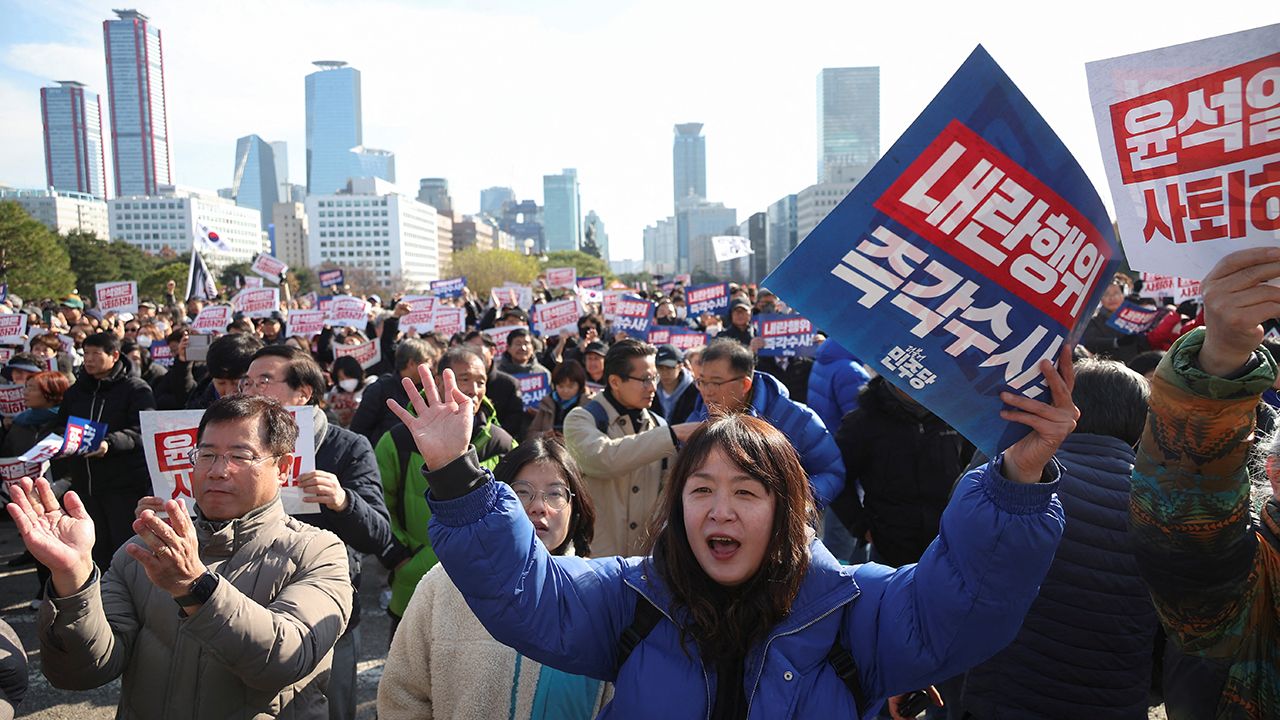
Taiwan’s 2026 election is unusually useful to an adversary because it is large, decentralised and politically competitive. The Central Election Commission expects about 19.65 million eligible voters, 18,244 polling places and contests for more than 11,000 local offices. Mayors, magistrates, councillors and neighbourhood leaders are close to the services and communities that citizens encounter every day. A narrative about electricity prices, food safety or local government competence can therefore be tailored to a place and a candidate rather than delivered as an abstract argument about cross-strait relations.
Taiwanese intelligence describes a campaign that operates through several connected layers. Official Chinese outlets establish themes. Content farms and public-relations contractors repackage them. Fake accounts, coordinated comments and artificial intelligence increase volume and apparent popularity. Material then circulates on Facebook, Threads, YouTube and local forums, where the distinction between foreign messaging, partisan advocacy and ordinary sharing becomes harder to see.
Independent research shows how those layers adapt. Doublethink Lab found that a China-linked operation used 549 fake Threads accounts to direct users towards content farms targeting Taiwan and Japan. Meta reported a China-based network that used Taiwan proxy addresses and traditional Chinese characters to appear local. During the 2024 presidential election, Doublethink Lab documented twelve major manipulation cases and found that videos, including AI-generated presenters and voiceovers, had become more common. The operation often amplified existing conspiracy theories rather than inventing wholly new ones.
That preference is strategically important. False content is more durable when it attaches itself to a real argument. Taiwan has genuine disputes about energy policy, defence budgets, relations with the United States and the balance between deterrence and dialogue. Beijing can select the most useful statements, strip away context and send them back through state and social media. Reuters and the Taiwan Information Environment Research Center documented a growing effort in 2026 to amplify Taiwanese critics of the governing Democratic Progressive Party, including opposition politicians and commentators. Familiar accents and local grievances reduce the visible distance between the source and the audience.
Influence is not the same as control. Opinion surveys cited in the Reuters investigation showed no clear shift in attitudes towards unification or independence during the period of intensified information activity. Researchers also warn that correlation between exposure and political attitudes does not establish that a campaign changed a vote. Taiwan’s competitive media, active civil society and public awareness of Chinese pressure limit the effect of many operations.
The absence of decisive electoral impact does not make the activity a failure. Operators learn which narratives travel, which accounts gain trust and which communities are receptive. They can measure the time between a false claim and an official correction, observe disagreements among agencies and identify platform rules that slow or accelerate removal. Artificial intelligence can support audience segmentation and rapid variation, allowing the same theme to be expressed differently to defence sceptics, economically anxious households or voters who distrust a particular party.
Cyber operations add another form of preparation. The National Security Bureau’s 2026 figures show sustained attacks on government networks and sharp monthly surges. Some activity may be espionage, criminal traffic or routine scanning rather than election interference, and public totals do not reveal the severity of every event. Even so, repeated probing can expose weak accounts, unpatched systems and dependencies that matter during a crisis. Stolen documents can later be leaked selectively, altered or combined with fabricated material. Access obtained for intelligence collection can also support disruption when political pressure escalates.
The election is therefore a rehearsal space rather than a prediction. It lets Chinese actors practise across social, technical and institutional boundaries while remaining below the threshold of armed conflict. Taiwan’s response should be judged not only by whether ballots are counted accurately, but by whether the country learns faster than the networks testing it.
Digital pressure can shape the opening phase of a blockade
A blockade would not begin only with ships moving into position. Beijing would need to establish a legal and political narrative, confuse decisions in Taipei, deter outside assistance and convince commercial actors that continued access was unsafe. Digital operations could support each objective before the first vessel was stopped.
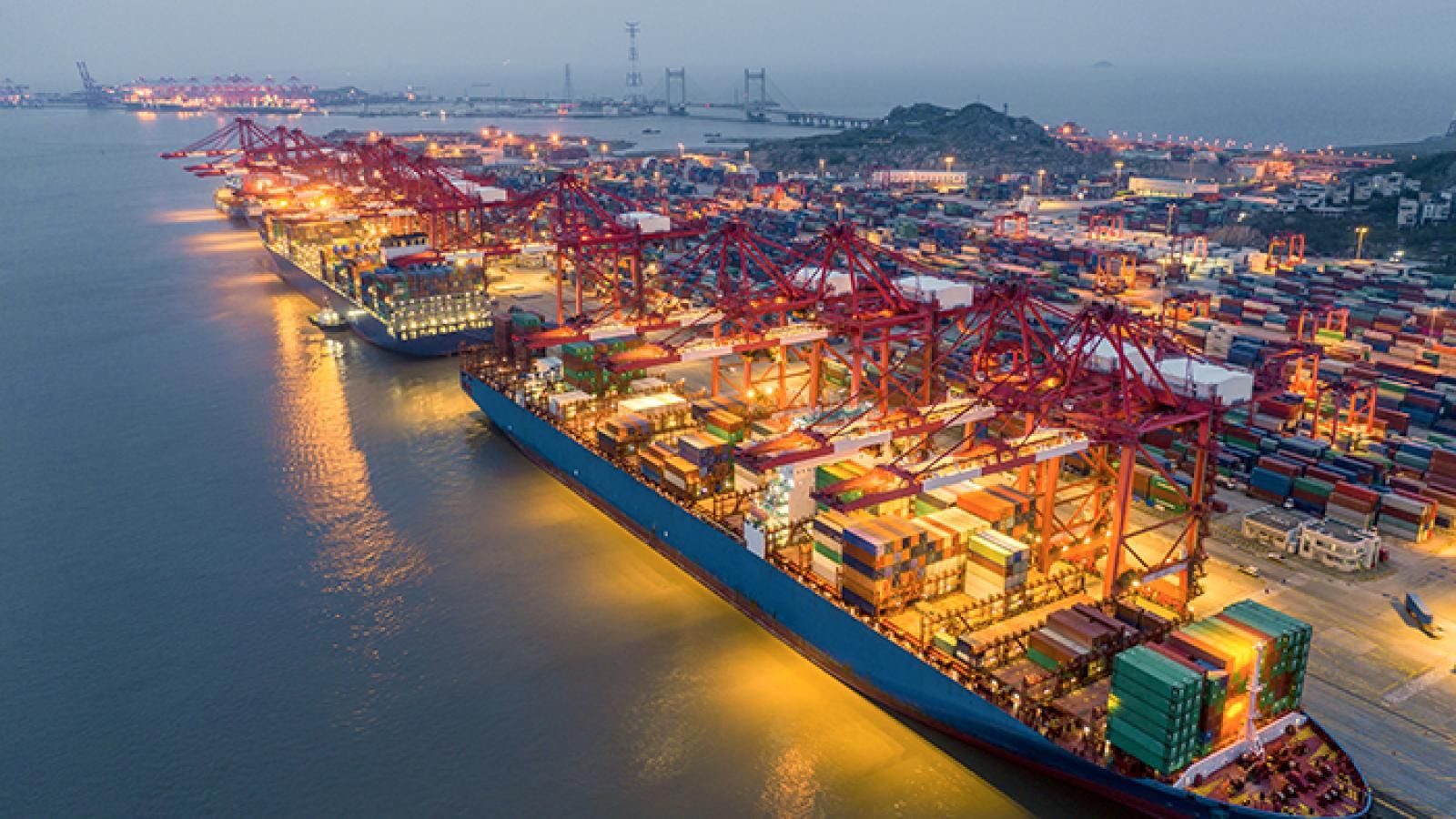
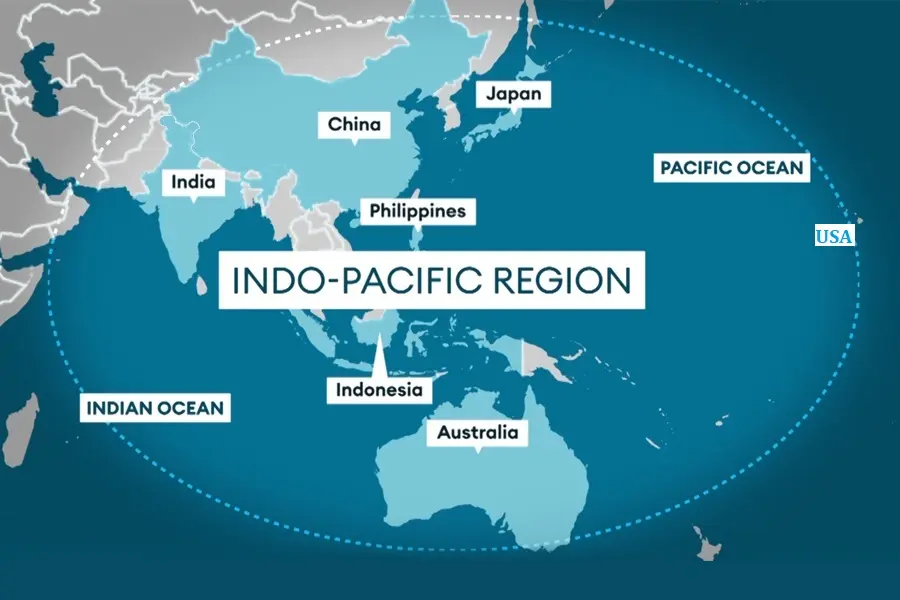
China has already rehearsed the physical components. Taiwan’s 2025 National Defense Report describes exercises involving naval, air and coast guard forces that practised encirclement, port control, boarding and inspection, and disruption of energy imports. CSIS blockade wargames concluded that such an operation could cause severe hardship, especially through pressure on energy supplies, but would also create escalation risks and heavy costs for China. Information control would help Beijing manage that uncertainty by presenting coercion as lawful enforcement, a limited quarantine or a response to Taiwanese provocation.
The first operational task would be to define reality. Beijing could announce inspection zones, sanctions or exclusion areas while its media ecosystem circulated maps and legal claims. False reports might allege that foreign ships had accepted Chinese authority, that insurers had withdrawn cover or that Taiwan’s leaders were negotiating privately. Cyberattacks against government websites and news outlets could delay corrections. A convincing fake recording released during the disruption would not need to survive forensic examination for long; it would need to occupy the first minutes in which officials and markets react.
The second task would be to turn material dependence into social pressure. Taiwan imports most of its energy and relies on maritime trade. Narratives tested during the election about electricity, fuel and food can be adapted to claim that reserves are exhausted, rationing has failed or a particular city is being abandoned. Images of queues or dark buildings can be taken from another place, generated artificially or presented without context. Coordinated accounts can make a local shortage appear national before authorities establish the facts.
The third task would be to weaken confidence in resistance. Messages can exaggerate Chinese military dominance, depict defence spending as wasteful and suggest that the United States will not help. Other content can falsely claim that units have surrendered, officials have fled or mobilisation orders are fraudulent. Taiwan’s civil-defence handbook already instructs the public to treat reports of national surrender as false unless authenticated. That precaution reflects a central feature of modern coercion: an adversary can attack the chain of belief even when it cannot immediately break the chain of command.
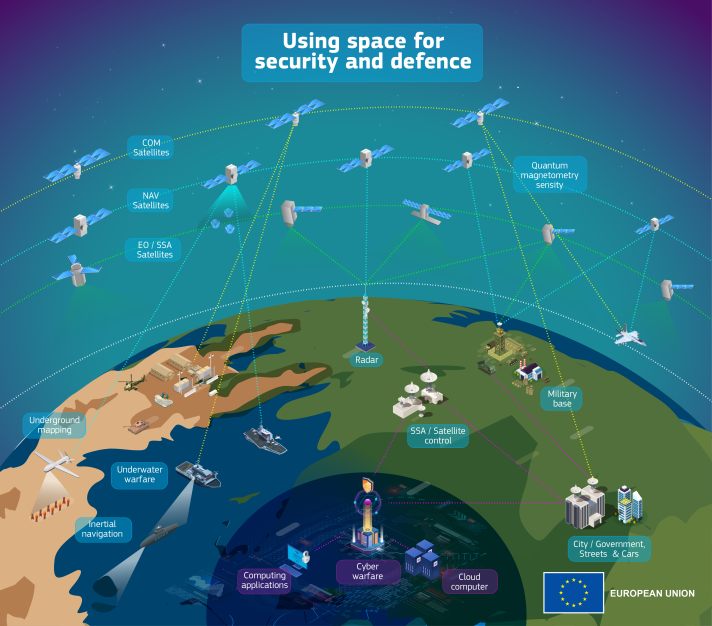
The fourth task would be to narrow Taiwan’s communications. A 2026 CNAS study identified undersea cables, satellite links and the electromagnetic spectrum as central to a cross-strait information contest. Taiwan is connected internationally through a limited number of undersea systems, while satellite capacity can provide selected backup but cannot replace fibre at national scale. Cable damage, jamming or attacks on telecommunications could reduce bandwidth and make the remaining platforms more important. China might preserve some connectivity precisely because it provides a route for cyberattacks and influence operations.
This interaction makes the digital campaign more than propaganda. Communications disruption determines which messages arrive. Cyber access determines which institutions can speak. Coordinated amplification determines what appears popular. Military manoeuvres supply the fear that gives a false claim urgency. Economic pressure gives households and businesses a reason to act before certainty is available. Each instrument increases the effect of the others. Local government would sit near the centre of that contest. Municipal and county officials would communicate about shelters, transport, hospitals, utilities and distribution. They would also be politically diverse. An adversary could impersonate an office, compromise a local account or circulate contradictory instructions from different jurisdictions. Real disagreements between central and local leaders could then be presented as evidence that the state had lost control.
The risk is decision compression. A blockade crisis would generate military, legal, economic and humanitarian questions at once. Officials may have minutes to authenticate information that reaches millions of people instantly. Platforms may lack the language expertise or context to distinguish a dangerous fabrication from political argument. Newsrooms may publish an apparent leak before confirming its origin. Citizens may share warnings because the cost of ignoring a true message appears higher than the cost of spreading a false one. None of this guarantees that manipulation will succeed. Taiwan has extensive experience with disinformation and a dense network of civic groups, researchers and fact-checkers. The same open networks that permit manipulation also allow rapid correction. The strategic warning is narrower: election-period operations help Beijing identify where uncertainty accumulates, and a blockade would give that uncertainty immediate operational value.
Democratic defence faces a credibility problem
Taiwan cannot answer this threat by treating every criticism of the government as foreign influence. The method Beijing increasingly favours is to amplify authentic Taiwanese speech. A statement can serve Chinese objectives without its speaker acting on Chinese instructions. Labelling the person an agent on that basis would be analytically weak and politically damaging.
The distinction should rest on behaviour and evidence. Investigators can examine coordinated posting, concealed account control, shared infrastructure, paid distribution, forged identities, cyber intrusion and undisclosed state direction. Those indicators are different from agreement with a narrative. Public attribution should state what is known, how confidently it is known and which part remains an assessment. When evidence cannot be released, officials should explain the constraint rather than substitute accusation for proof.
Speed complicates this standard. A government that waits for complete forensic certainty may allow a false operational claim to dominate. A government that responds too quickly may misidentify satire, legitimate reporting or an authentic leak. The answer is to separate correction from attribution. Authorities can rapidly state that an order, video or claim is not authentic while investigators continue to determine who produced it. The public needs actionable facts first and a responsible account of origin later.
Partisanship is the larger danger. Election security measures will fail if half the electorate sees them as a tool of the governing party. Opposition candidates and local governments should have access to the same reporting channels, technical assistance and account-protection services. Independent election authorities should lead on voting procedures. Civil society should investigate information networks, while security agencies focus on foreign coordination and malicious access. Clear institutional boundaries make it harder for any administration to suppress lawful disagreement under the language of national security.
Platforms also need rules that recognise the difference between content and conduct. A false opinion about defence policy should normally be contested through evidence and debate. An impersonated election account, coordinated bot network or fabricated polling instruction requires operational action. Platforms should preserve data for independent research, publish meaningful Taiwan-specific transparency reports and provide rapid channels for verified public agencies and candidates. Removal decisions should remain reviewable, especially during an election.
Taiwan’s strongest defence is public trust, but trust cannot be demanded during the emergency. It is accumulated through accuracy before the crisis. Officials who correct their own errors, release usable data and avoid partisan exaggeration are more credible when they ask citizens to reject a manipulated message. News organisations that label uncertainty and verify digital material build a similar reserve. Fact-checkers are most effective when they explain evidence rather than instruct people what to believe. Beijing benefits if Taiwan faces a choice between passivity and censorship. A democratic resilience strategy should refuse that choice. It can expose concealed coordination, protect networks and authenticate public information while leaving political judgement with voters. The legitimacy of the method matters because legitimacy is part of the battlespace.
Election security and blockade readiness should become one system
Taiwan has already built important elements of a response. The Central Election Commission has established a deepfake task force and a reporting mechanism with the Ministry of Digital Affairs, law enforcement bodies, platforms and fact-checkers. Cybersecurity testing and national simulations are planned for the vote-counting system. These measures protect the election, but their value will be greater if they are connected to continuity arrangements for a wider national crisis.
The first priority is authenticated communication. Central and local authorities need verified channels that remain recognisable when websites are unavailable or accounts are compromised. Emergency messages should use multiple networks, including broadcast, mobile alerts, radio and resilient satellite links. Citizens need a simple way to confirm whether an evacuation notice, mobilisation order or statement by a senior leader is genuine. Authentication procedures must be public before a crisis and usable without specialist knowledge.
The second priority is scenario-specific preparation. Generic media literacy will not be enough when people fear that food, fuel or cash is running out. Agencies should publish how essential supplies would be allocated, which authority announces rationing and where reliable local updates will appear. Pre-bunking should focus on likely operational falsehoods: fabricated surrender messages, false bank closures, invented evacuation routes, counterfeit military orders and claims that foreign assistance has been cancelled. The purpose is to give the public a decision process, not a list of approved views.
The third priority is technical resilience across the information chain. Election bodies, local governments, utilities, media organisations, campaigns and civil-society groups need strong account security, protected backups and tested recovery procedures. Incident reporting should allow indicators to move rapidly between government, platforms and trusted researchers. Telecommunications planning should assume simultaneous cable faults, congestion, jamming and power loss. Priority bandwidth must be allocated in advance to emergency services and authentic public communications.
The fourth priority is integrated exercising. Taiwan’s 2026 civil-defence drills have begun testing how local authorities respond to blockade, sabotage and information warfare. Future exercises should inject a sequence of plausible digital events into military and economic scenarios: a stolen document mixed with false pages, an AI-generated mayoral statement, a compromised news account, a cable outage and coordinated rumours about fuel reserves. Officials should measure how long authentication takes, which agency speaks and whether corrections reach the affected audience.
The fifth priority is democratic oversight. Election counter-interference teams should operate under published law, retain records and face independent review. Parties should receive equal security support, and researchers should have lawful access to platform data that protects user privacy. Any emergency restrictions should be narrow, time-limited and tied to specific harms such as impersonation, forged instructions or coordinated inauthentic behaviour. Viewpoint should not become a proxy for foreign control.
Allies can strengthen this system without becoming its public face. The United States, Japan, European partners and technology companies can share threat intelligence, help attribute infrastructure and provide alternative communications. They can support cable repair, satellite capacity and cyber incident response. Taiwan should retain ownership of public messaging because foreign endorsement can be repackaged as evidence that the government is controlled from abroad.
Finally, success needs a realistic measure. The volume of false content will not fall to zero, and engagement statistics do not show whether an operation changed behaviour. Taiwan should track whether citizens can locate authentic instructions, whether essential agencies keep communicating, whether manipulated content crosses platforms before detection and whether corrections reach the same communities. The relevant outcome is continuity of democratic and operational decision-making. The 28 November vote offers a final national stress test before the next major cross-strait crisis, whenever it comes. Lessons should be collected across party lines and translated quickly into crisis plans. An election can reveal weaknesses at comparatively low cost. Leaving them uncorrected would allow the same networks, narratives and access to reappear when the cost of confusion is far higher.
Biosecurity needs controls across the whole chain
The most credible response is a layered architecture that assumes individual safeguards will fail. RAND’s defence-in-depth strategy identifies a network of mutually reinforcing mitigations and emphasises that ambiguous signals become more useful when combined across the AI-biology ecosystem. A user probing several models, ordering from multiple synthesis providers and accessing specialist tools may appear ordinary at each node. Together, the pattern may justify review.
The first layer is capability measurement. Governments and developers should agree common biological evaluation categories: expert knowledge, novice and expert uplift, tacit troubleshooting, multimodal interpretation, tool selection, agentic persistence and the ability to reproduce specialist systems. Tests should include realistic time limits and internet baselines, measure both success and error, and examine how performance changes with scaffolding. Results should trigger predetermined obligations, including stronger safeguards, independent review and controlled access.
The second layer is identity and access. High-risk capabilities should not be anonymously available at scale. Providers need reliable customer verification, institutional validation for sensitive access and controls against proxy services that conceal the end user. This does not require every biology question to be tied to a passport. It requires stronger assurance when a user seeks the most capable models, removes safeguards or connects them to consequential tools.
The third layer is monitoring and information sharing. Model companies, synthesis providers, cloud laboratories and relevant authorities need legally protected channels for reporting serious patterns. The focus should be behaviour and risk, not the mass collection of benign scientific activity. Shared indicators can include verified attempts to circumvent biological safeguards, suspicious identity reuse and coordinated probing across services. Independent oversight, defined retention limits and penalties for misuse of monitoring data are necessary to preserve trust.
The fourth layer is synthesis and equipment screening. The United States’ nucleic-acid synthesis framework links federal procurement to providers that screen customers and orders, while a 2025 executive order called for a revised, comprehensive and verifiable approach, including non-federally funded settings. National rules should cover commercial providers and benchtop synthesis devices, use updated methods able to detect both known and predicted hazards, and create a route for legitimate orders that require specialist review. Screening standards should be interoperable internationally so that risky procurement does not simply move to the least regulated supplier.
The fifth layer is institutional governance. Many biosafety and dual-use rules were written before generative AI and automated design. Research institutions should update review processes to ask what models, data and tools are being used, whether external services retain sensitive information and whether automation changes the scale or novelty of the work. Privately funded research should not fall outside enforceable standards. Funders and publishers can require evidence that appropriate review occurred without demanding publication of sensitive technical detail.
WHO’s global guidance treats responsible life-sciences governance as a shared responsibility across governments, researchers, funders, publishers and industry. Its Biorisk Implementation and Evaluation Tool, launched in August 2026, turns that principle into a structured national and institutional self assessment. Countries should use it to map gaps and track progress, but voluntary assessment needs resources, political ownership and connection to regulation. Lower-capacity states will require technical support if global standards are not to become a new scientific divide.
The final layer is resilience after prevention fails. The United Kingdom’s new AI Biosecurity Lab, backed by public funding and model-company commitments, is designed to apply frontier AI to early detection and medical countermeasures. OpenAI’s biodefence plan similarly argues for using advanced systems to strengthen detection and response. These initiatives reflect the essential symmetry of the problem: the technology that may accelerate biological development can also accelerate defence.
Governments should invest in pathogen-agnostic surveillance, secure data integration, microbial forensics, broad-spectrum therapeutics and adaptable vaccine, diagnostic and manufacturing platforms. Public health agencies need access to advanced models before a crisis, not a procurement process after one begins. Systems should be tested in exercises that include ambiguous signals, deliberate deception and simultaneous cyber disruption. The aim is to detect unusual biological events quickly, characterise them without assuming a natural origin and deploy countermeasures fast enough to limit spread.
International coordination is indispensable. Models, code, data and synthetic materials cross borders, while oversight remains national. A common minimum should include frontier-model evaluations, serious incident reporting, synthesis screening, secure access to high-risk biological tools and assistance for biosurveillance. States will not agree on every threshold, but they can agree that a provider should not gain competitive advantage by ignoring a risk another jurisdiction has required its peers to control.