BRICS Expansion and Its Security Implications for the West
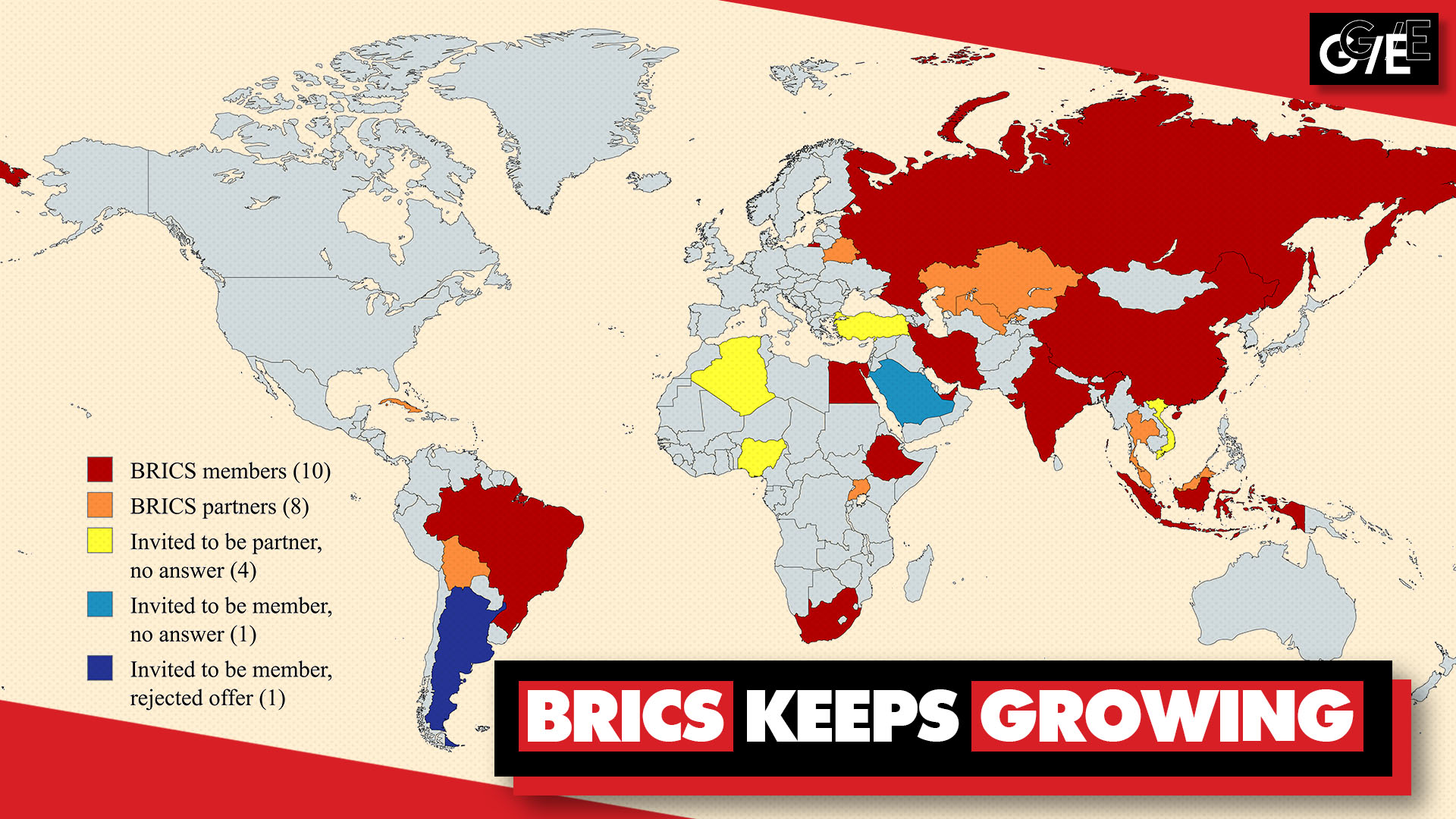
What began as a loose economic grouping of five emerging markets (Brazil, Russia, India, China, South Africa) has in just a few years become a broad, geopolitically consequential platform. BRICS’ recent expansion, formal additions in 2024 and a wider “BRICS+” outreach to partner states is both a symptom and a driver of a multipolar moment: countries across Africa, the Middle East and Asia are now more directly linked into an institutional network that foregrounds alternatives to existing Western-dominated financial and governance architectures. For Western security planners, the question is no longer only economic (trade, investment, currency) it is strategic: how will a larger, more politically ambitious BRICS influence alliance behaviour, defence cooperation, intelligence sharing and the stability of regions important to Western security?
What changed — The factual baseline
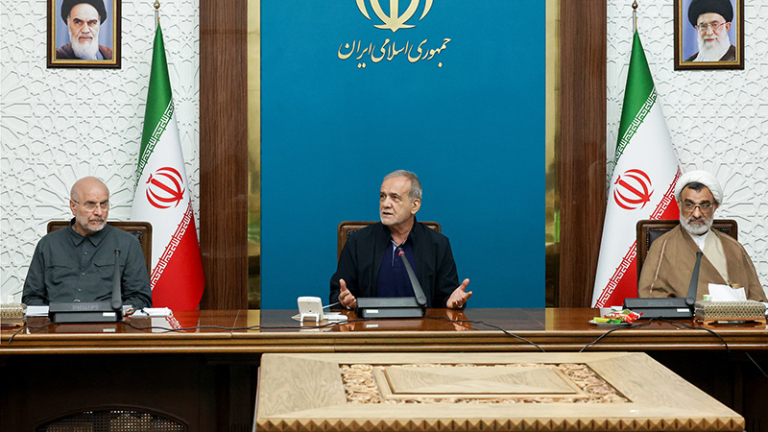
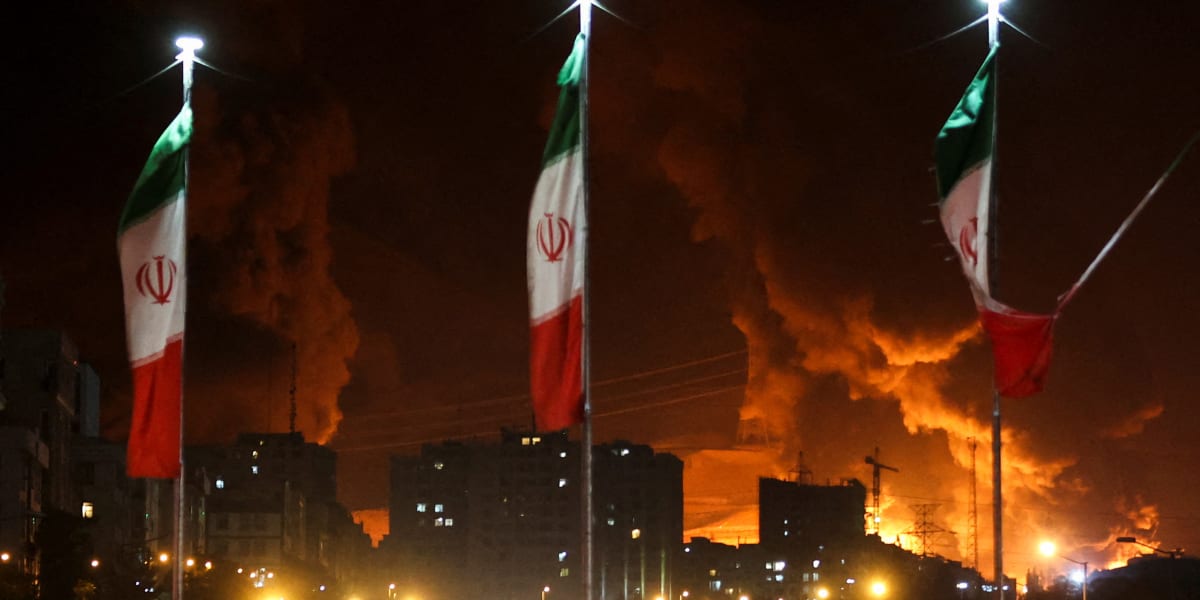
BRICS began expanding in stages after 2023. On 1 January 2024 the bloc admitted four new members — Egypt, Ethiopia, Iran and the United Arab Emirates — increasing BRICS’ geographic reach into North Africa, the Horn of Africa and the Middle East. That expansion followed earlier invitations and a 2023 decision to open membership to additional countries.
Since then, BRICS has continued to institutionalize mechanisms for broader partnerships (sometimes called “BRICS+”), and several countries have been designated partner states or moved toward membership in 2024–2025. By mid-2025 BRICS’ membership and partner network had become materially larger and more diverse.
Those membership changes are not merely symbolic. The expanded grouping now brings significant natural-resource producers, major energy exporters and large-population states into closer institutional alignment, a shift that multiplies BRICS’ bargaining power in multilateral fora and on issues such as international finance, energy policy and development lending. Recent finance-minister communiqués show the enlarged group pressing for changes to global financial governance, including IMF reform and new instruments through the New Development Bank.
Why expansion matters to security
A larger BRICS matters for Western security in three interlocking ways:
Strategic autonomy and new partnerships. New members and partners widen the space for states to diversify security and defence relationships — reducing automatic alignment with Western security umbrellas and creating room for alternative suppliers of arms, surveillance equipment, and advisory support.
Institutional leverage over norms. By coordinating on finance, trade and diplomatic positions (including at institutions like the IMF, UN and G20), BRICS can blunt Western diplomatic tools and create alternative norms that complicate sanctions, export controls and coalition-building.
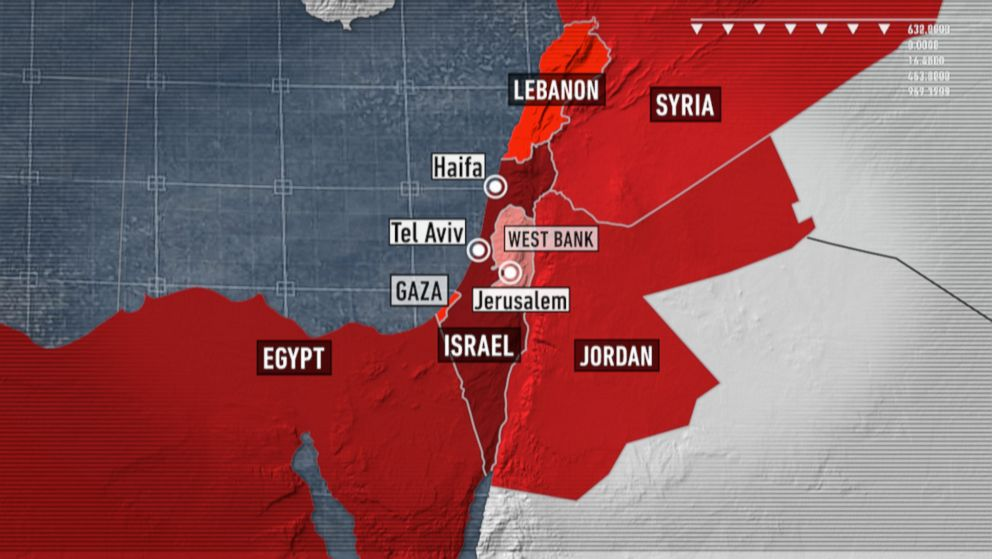
Regional effects and contestation. Expanded BRICS membership entangles regions that are strategically important to the West, North Africa, the Middle East and Southeast Asia, potentially shifting local security balances and affecting bases, logistics, or access critical for NATO and allied operations.
Together, these dynamics increase the salience of BRICS for defence planners and foreign ministries that must anticipate both direct and indirect security consequences.
How BRICS expansion can change concrete security dynamics
Below are the principal channels through which expansion can reshape security relationships.
Arms, dual-use technology and alternative suppliers
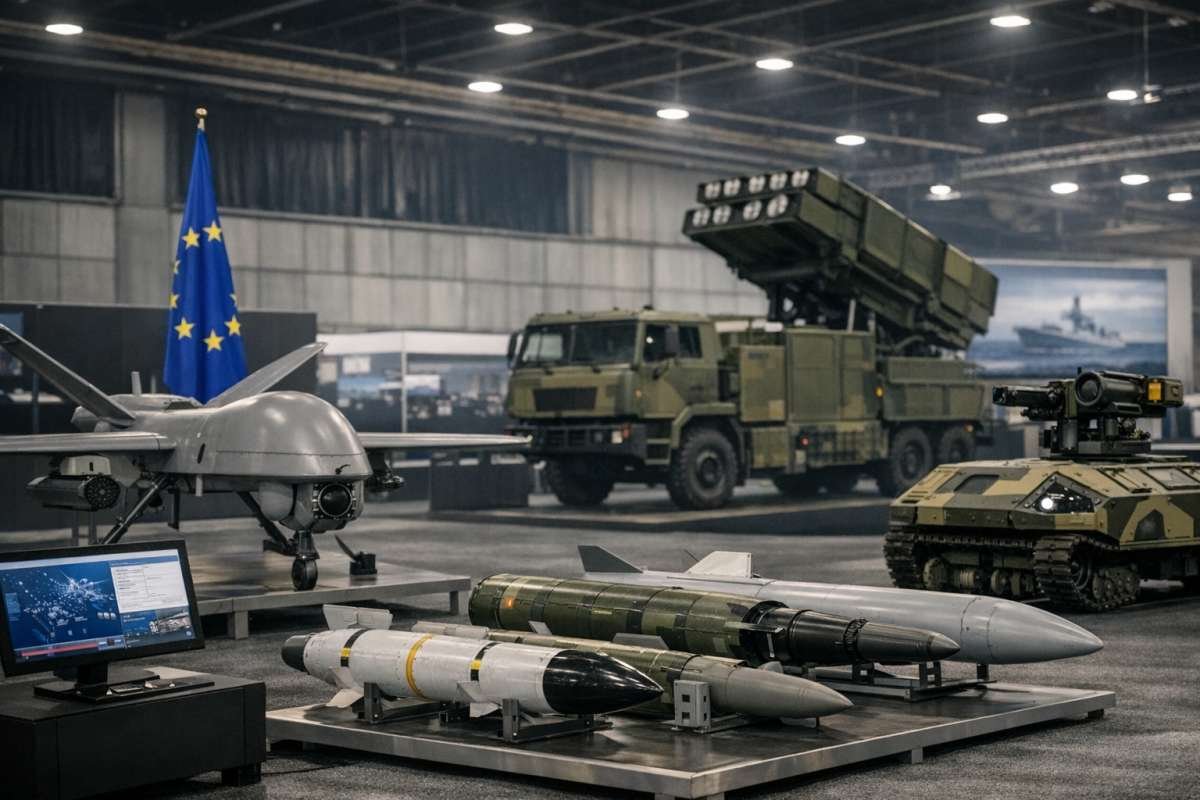
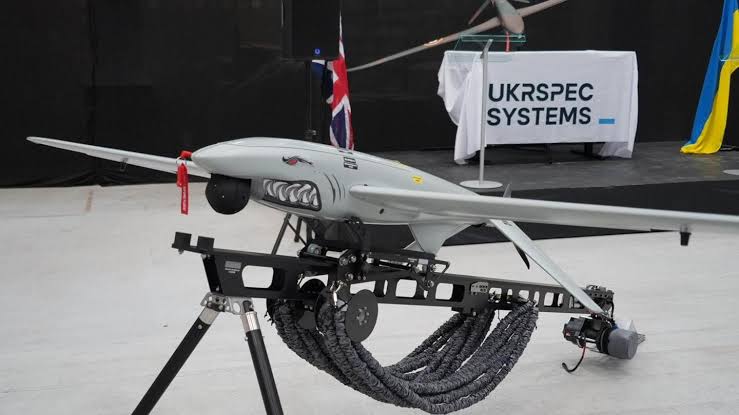
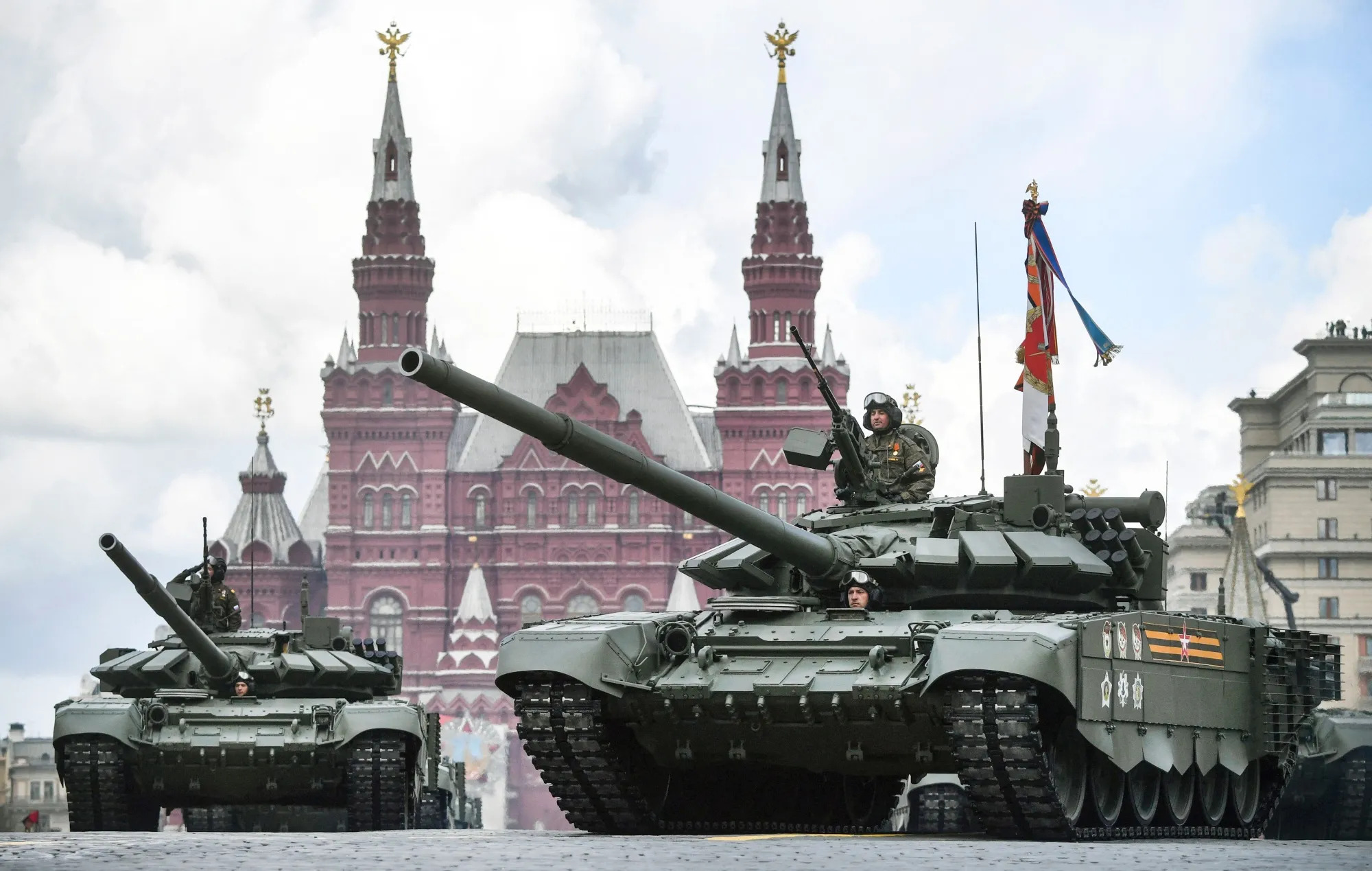
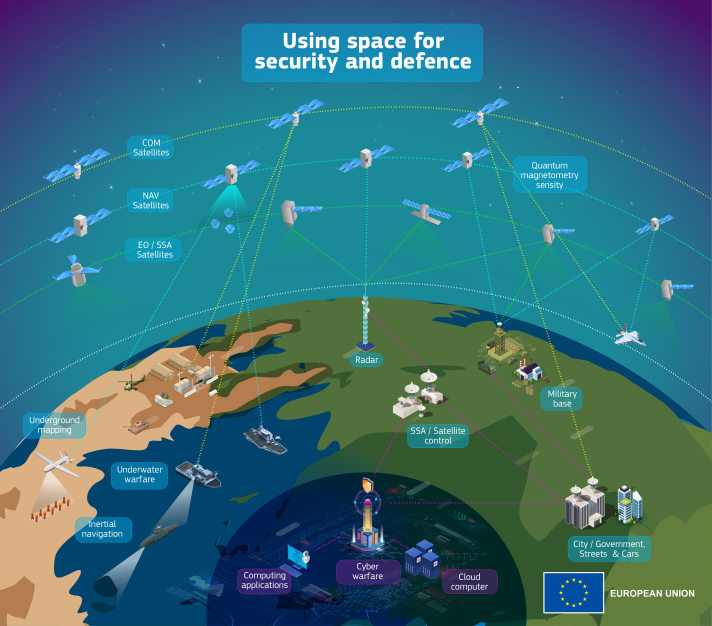
As BRICS grows, its members and partners deepen trade and defence ties. China and Russia are already large exporters of military equipment; new BRICS linkages can facilitate arms transfers, joint training, intelligence-sharing deals, and co-production agreements outside Western-led supply chains. Countries seeking alternatives to Western restrictions may increasingly turn to BRICS partners for ISR (intelligence, surveillance, reconnaissance), electronic-warfare systems, or secure communications. While such transactions do not automatically mean aggressive postures, wider availability of dual-use technologies complicates export-control regimes and constrains Western ability to isolate proliferators.
Financial tools and strategic cushions
BRICS’ stated interest in reforming IMF quotas and in developing financial instruments that reduce dependence on Western-dominated dollar systems has security implications. States subjected to Western sanctions or to coercive diplomacy could find alternative financing channels, swap lines or trade settlement mechanisms that blunt the effect of sanctions reducing the West’s leverage over targets whose behaviour it seeks to change. Unified positions at global financial institutions could also shift the rules of the road, making some coercive instruments less straightforward to apply.
Diplomatic cover and voting blocs
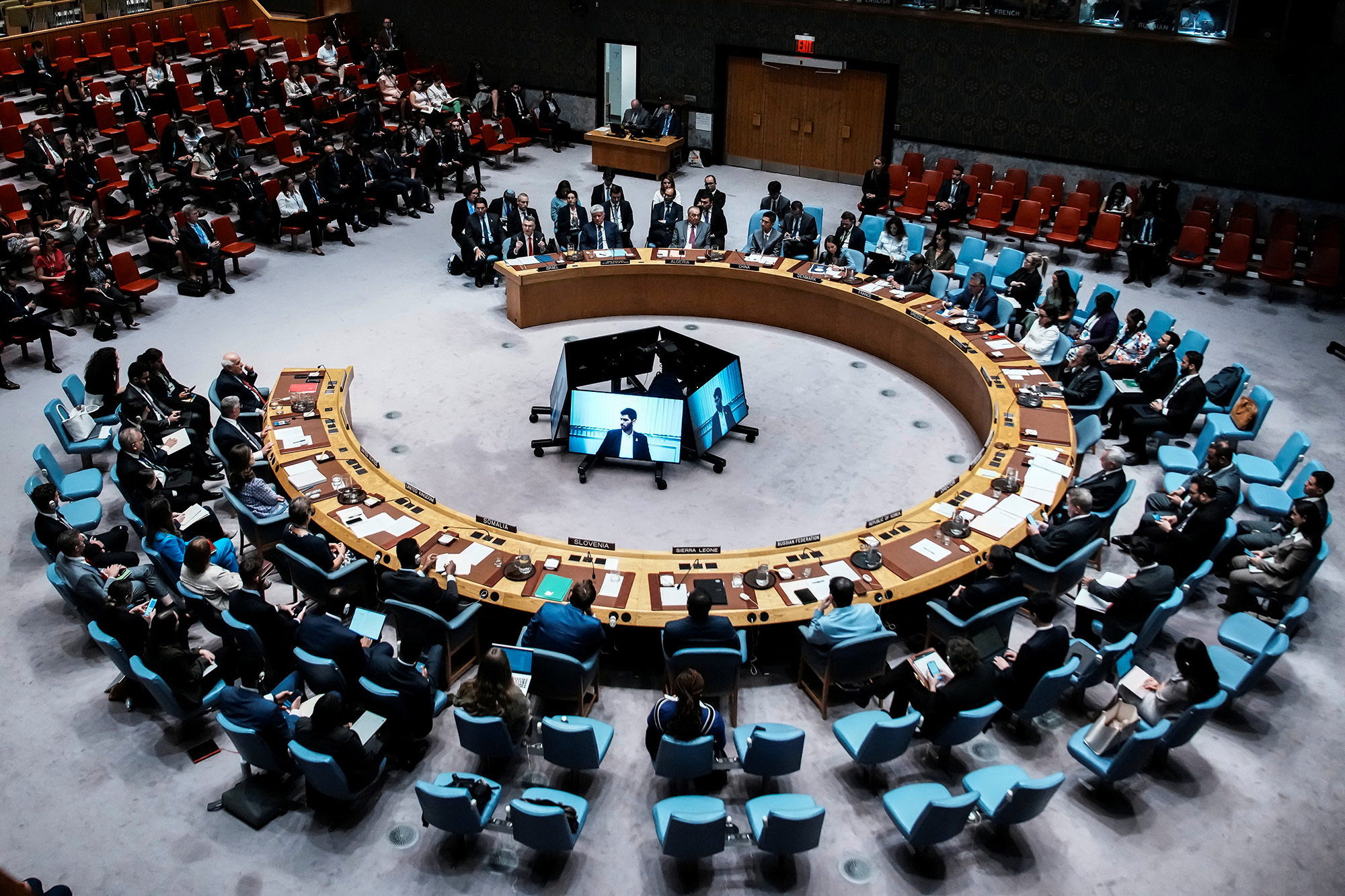
An enlarged BRICS with coherent diplomatic messaging can provide political cover for states targeted by Western pressure. In the UN General Assembly or other multilateral forums, coordinated votes and joint statements can complicate sanctions architecture, recognition decisions, and peacekeeping mandates — forcing Western governments to build broader, more time-consuming coalitions to achieve outcomes they would previously have carried more easily.
Geopolitical bargaining and regional balance
BRICS’ growth changes local bargaining dynamics. For example, energy exporters within the expanded BRICS can link their commercial choices to diplomatic stances, complicating Western efforts to shape partner behaviour. In fragile regions, the presence of BRICS partners offering rapid finance or security assistance can shift the incentives of local elites away from alignment with Western institutions and onto different strategic patrons. This can affect basing agreements, overflight access, and other logistical arrangements that underpin Western power projection.
Where the West is already adjusting
Western reactions are neither monolithic nor uniformly alarmist, but they are pragmatic and multi-pronged:
Diplomatic outreach and competitive offers. Western governments have boosted high-level engagement with prospective BRICS members and partners to offer alternatives (investment, trade deals, security cooperation) that preserve ties and reduce the political attractiveness of deep strategic switches.
Reinforcing alliances and interoperability. NATO and U.S. partners have emphasized strengthening interoperability, intelligence-sharing, and resilience against non-kinetic threats (cyber, supply-chain vulnerabilities) as a hedge against shifting alignments. Allies are signaling that expanded economic ties do not automatically close security doors. (For example, defence cooperation and capacity-building programs have continued alongside economic competition.)
Targeted economic measures and diplomatic signaling. At the same time, some Western actors are exploring calibrated measures that punish malign behaviour while avoiding collateral humanitarian harm recognizing that blunt cut-offs could accelerate partners’ drift toward BRICS alternatives. This tension between principle and leverage is a recurring theme in recent Western policy debates.
Risks and limits of BRICS influence on Western security
It is important to avoid both hyperbole and complacency. Expansion increases BRICS’ tools, but there are real limits:
Internal heterogeneity. BRICS members are diverse in interests and values alignment on some financial corridors does not equate to agreement on security doctrine or alliance commitments. Political disagreements among BRICS members constrain the bloc’s ability to act as a fully unified strategic actor.
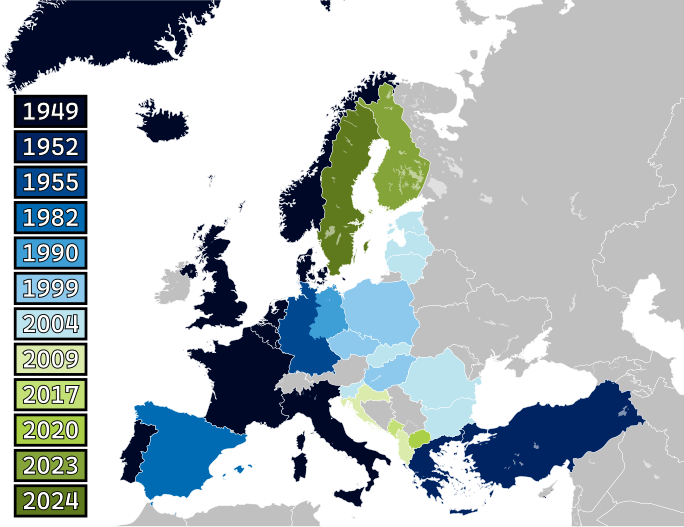
Institutional depth. BRICS is still far less institutionalized than NATO or the EU; it lacks formal collective defence commitments, and many new partnerships are transactional rather than treaty-based. This weakens the proposition that BRICS expansion will automatically translate into a parallel military bloc.
Practical constraints. Technical hurdles, interoperability, sanctions risk for third parties, and the complexity of building new financial infrastructures mean that dedollarization and alternative finance will be incremental, not instantaneous. Western tools therefore retain potency for the near term.
Scenarios: from manageable competition to strategic decoupling
Managed strategic competition (most likely). BRICS expands influence in trade and finance; Western alliances deepen resilience and selectively engage with rising members. Competition is intense but contained through diplomacy and targeted economic measures.
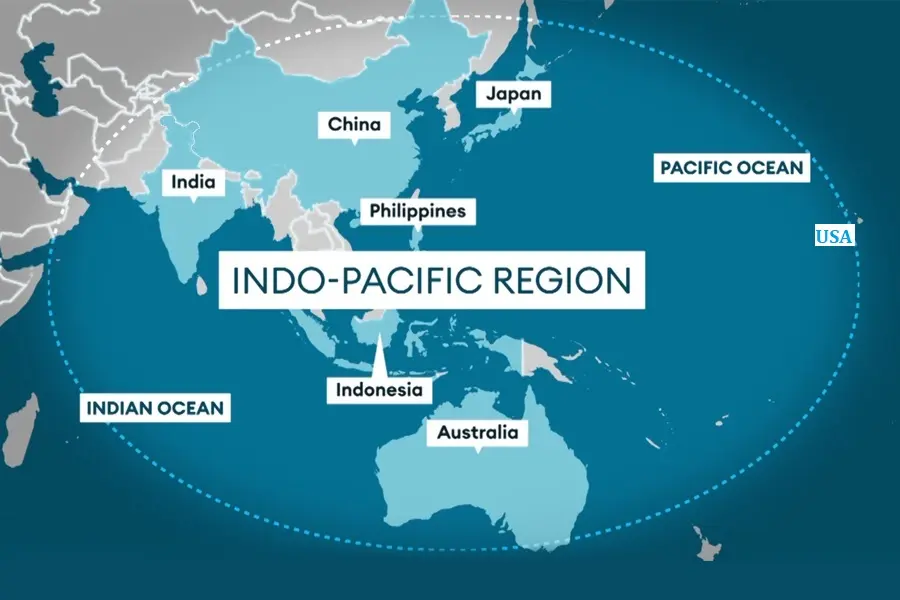
Regional tilting and transactional drift. Several strategically located countries tilt toward BRICS for economic and security benefits, complicating Western logistics and access in key theatres (Mediterranean, Horn of Africa, Indo-Pacific). Western influence contracts in specific regions but remains strong elsewhere.
Strategic fragmentation and parallel orders (less likely, higher impact). BRICS develops deeper institutional mechanisms for financial and security cooperation that systematically undercut Western coercive tools and enable coordinated diplomatic resistance — forcing a structural shift in the international security order. This outcome would require sustained political alignment among BRICS members that currently looks difficult given their divergent interests.
Policy takeaways for Western policymakers
Double down on alliance resilience. Strengthen intelligence-sharing, logistics agreements and interoperable capabilities across NATO and like-minded partners — measures that raise the strategic cost of sudden tilts toward rival blocs.
Offer alternative economic value propositions. Security ties are often the product of broader political bargains; Western actors should combine credible development finance, infrastructure offers, and technology partnerships with governance incentives to keep strategic doors open.
Modernize export controls and sanctions tools. Targeted, flexible mechanisms that minimize humanitarian impacts and account for third-party workaround channels will be more effective than blunt, sweeping measures.
Invest in global governance reform proactively. Engaging in meaningful IMF, World Bank and UN reform reduces the political appeal of alternative architectures championed by BRICS an approach that addresses demand-side drivers of expansion rather than only reacting to supply-side competition.
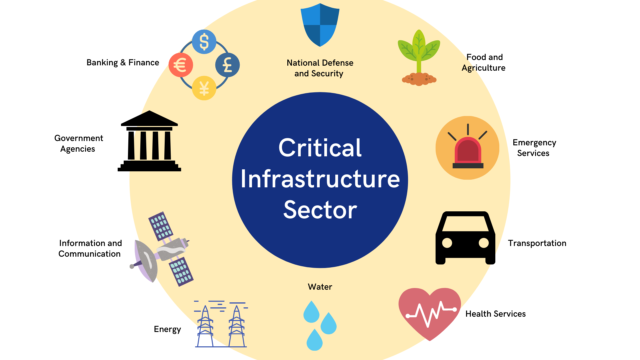
Prioritize cyber and supply-chain resilience. Non-kinetic vulnerabilities (critical minerals, semiconductors, secure software supply chains) are the most immediate vectors through which geopolitical competition affects Western operational readiness — and these require long-term investments.
BRICS expansion is a strategic fact that the West must take seriously, but it is not an automatic substitute for Western alliances or a guaranteed alternative security order. The enlarged grouping increases the options available to many states, raises the bar for Western diplomacy, and complicates the application of traditional levers of influence. Yet heterogeneity among BRICS members, limited institutional depth, and the technical friction of building scalable alternatives mean that Western security tools remain effective — if they are applied smartly, with coordination, and with attention to the economic and governance grievances that drive states toward new partnerships.
In short: expect a longer, more complex era of strategic competition. The smart Western response combines strengthened alliances, credible alternatives in development and finance, modernized coercion tools, and patient diplomacy aimed at reforming global institutions in ways that reduce incentives for radical realignment.