How Upcoming U.S. and EU Elections Are Reshaping Global Security Strategies
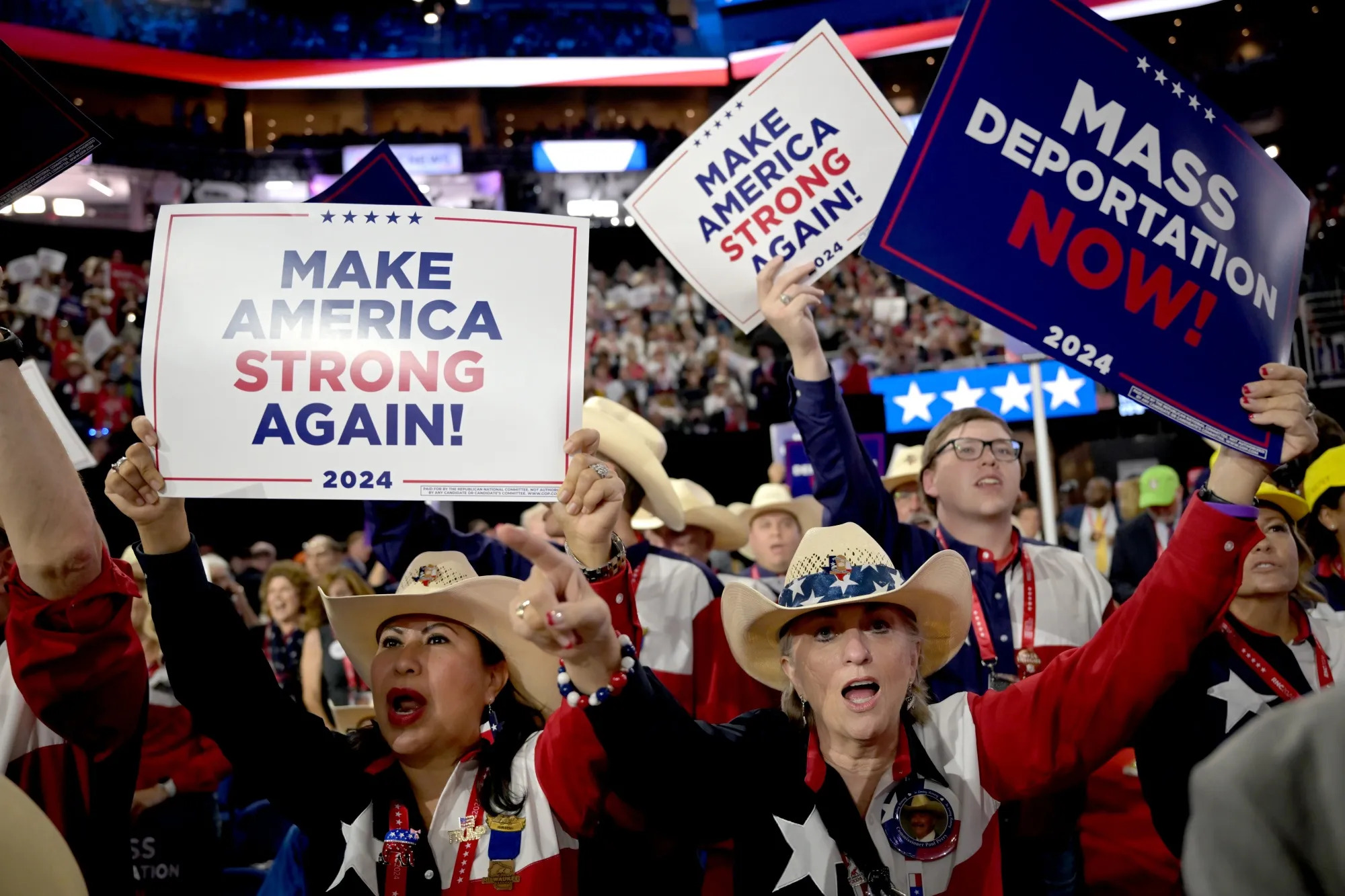
The United States and European Union face pivotal votes over the next year, and pundits warn these elections carry global security implications. In Europe, the June 2024 Parliament elections are shaking up the political center, with surging nationalist and right-wing parties poised to influence EU defense, foreign policy, and Ukraine assistance. Across the Atlantic, the November 2024 U.S. presidential race (and follow-on 2025 transition) is similarly fraught. Washington’s vote has been called a “unique threat to NATO,” since the rival candidates hold starkly different views about America’s global alliances. Indeed, some analysts fear a second Trump term could become a “category 5 hurricane” for the transatlantic alliance. With Europe heavily reliant on U.S. security guarantees, and Washington’s choices potentially shifting its foreign policy focus, many capitals are already preparing for turbulence. As one policy brief notes, European anxiety about a potential Republican president “is a matter of existential importance,” inspiring calls for greater strategic sovereignty for Europe. In short, every vote in 2024–25 – from Washington to Brussels – is being watched as a bellwether for alliances, defense budgets, and the rules-based world order.
U.S. 2024 Presidential Election: Stakes for Global Security
The U.S. campaign is highly polarized, with the Democratic incumbent ticket (Biden/Harris) and the leading Republican (Trump or another nominee) presenting very different foreign policy agendas. Both parties agree on some basics – for example, there is bipartisan support for countering China’s rise and protecting U.S. industry. But on critical security issues they diverge sharply:
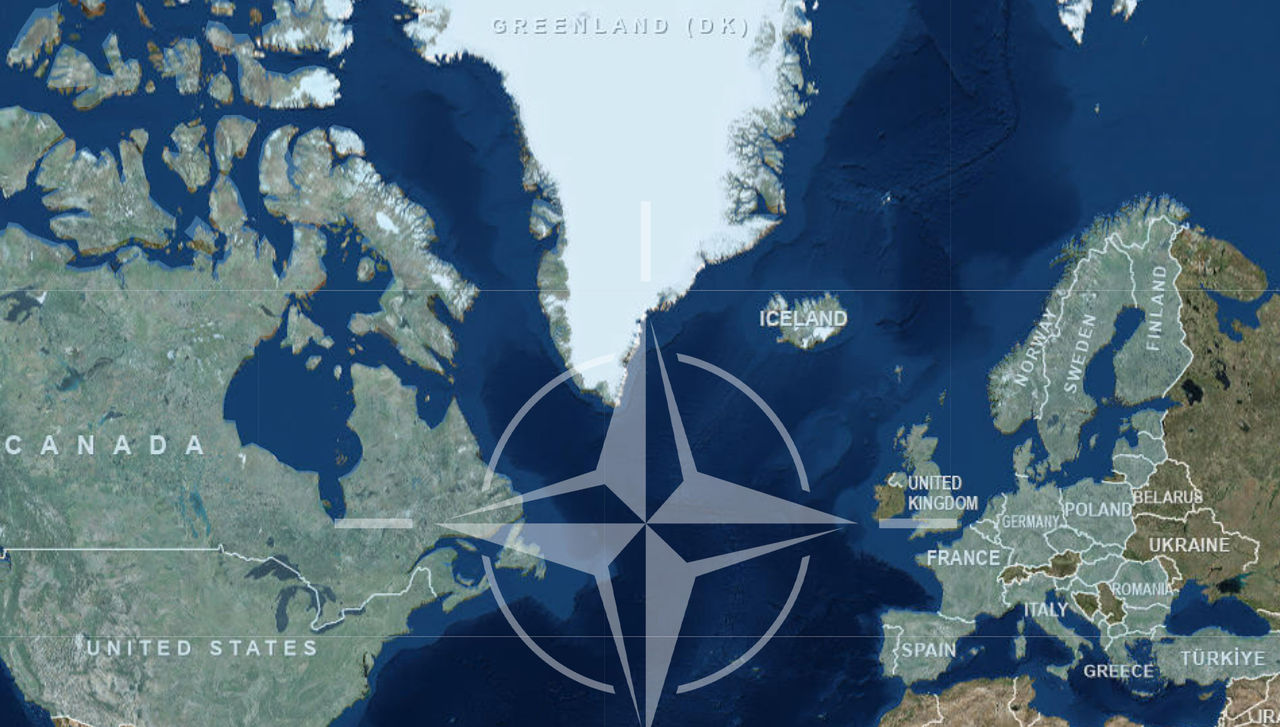
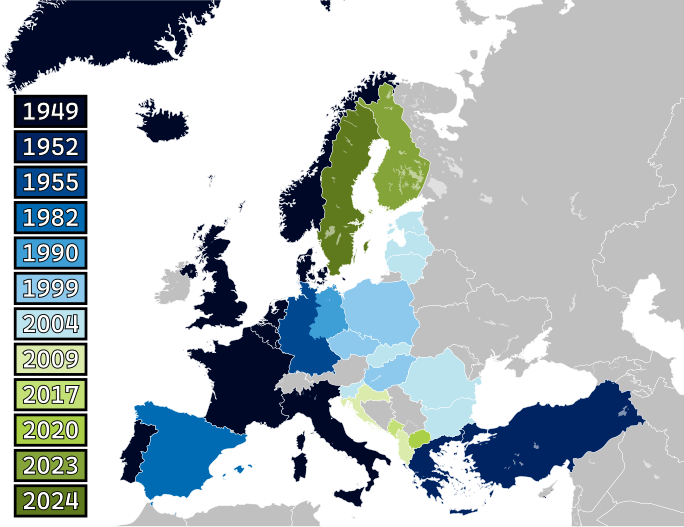
NATO and Europe: President Biden has worked to strengthen NATO, even expanding membership to Finland and Sweden, reflecting a continued American leadership role in Europe. In contrast, former President Trump has repeatedly questioned U.S. obligations under Article 5, floated the possibility of U.S. withdrawal, and urged Europeans to pay more for their own defense. For instance, Trump’s campaign has circulated plans for a “dormant NATO” with Europe assuming the conventional military burden while the U.S. retains only its nuclear umbrella and bases. Congress has even passed provisions (in the 2023 defense bill) barring a presidential NATO exit without Senate consent – a hedge against abrupt policy swings. These mixed signals have left allies on edge: as one analysis put it, “the U.S. election poses a unique threat to NATO,” because one candidate could sharply withdraw support.
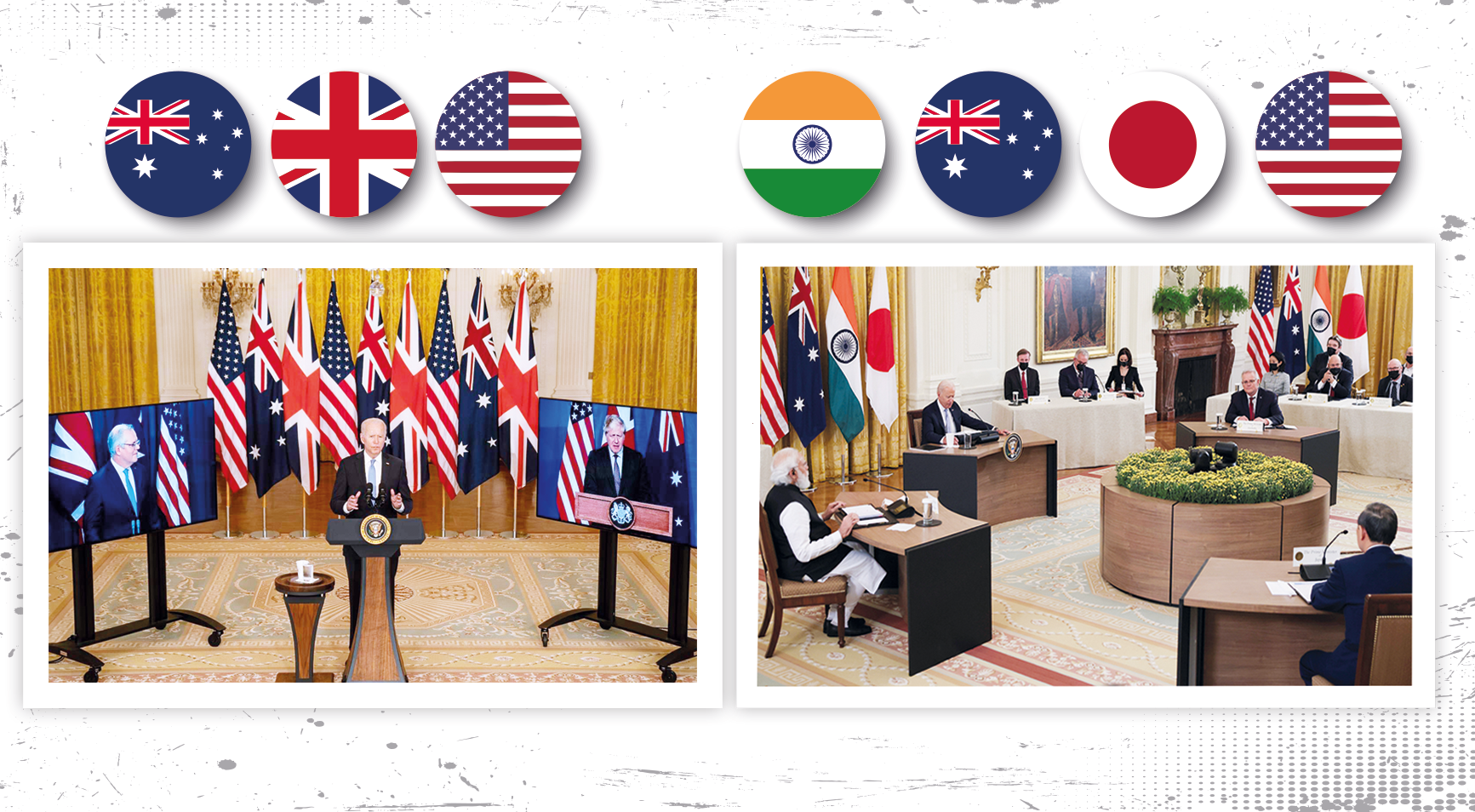
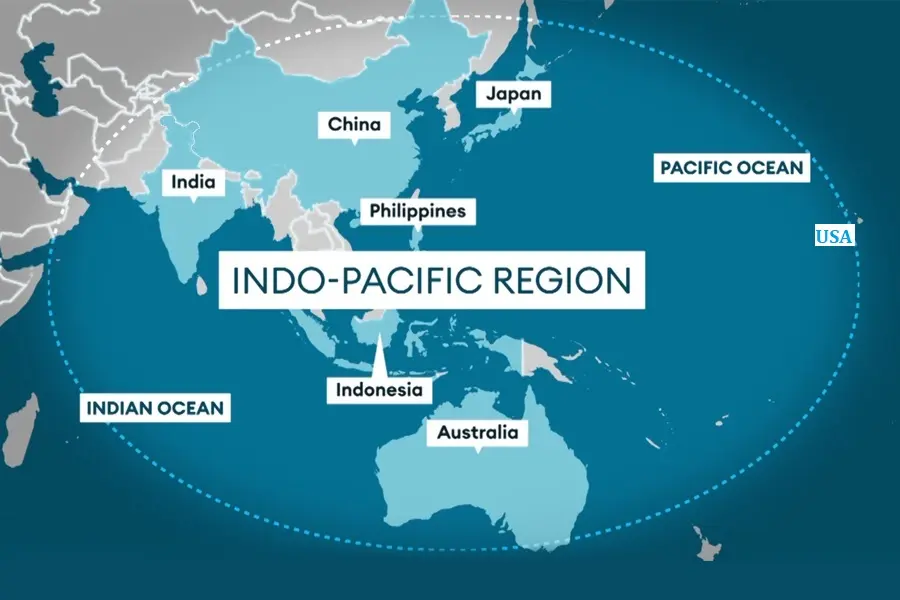
China and the Indo-Pacific: Both parties see China as a strategic rival, but they emphasize different tactics. Trump’s first term combined a hard-edged trade war with heavy naval deployments in the Pacific, yet he was notably circumspect on Taiwan. By contrast, the Biden–Harris administration has publicly pledged to defend Taiwan if attacked, and it has strengthened regional alliances like AUKUS (linking the U.S., UK and Australia) in order to counter Beijing’s influence. In short, a Republican president might lean on military deterrence and bilateral arms sales, whereas a Democratic president has favored multilateral partnerships and formal security commitments.
Industrial and Trade Policy: Both parties are moving away from old laissez-faire trade policies toward protecting domestic industries. There is growing consensus in Washington on using tariffs and subsidies to keep key technology and manufacturing at home. Trump famously imposed sweeping tariffs on China and even on allies he thought were “free-riding.” The Biden-Harris team has continued strategic protections (for example on climate technologies), but generally speaks of “derisking” the Chinese economy rather than complete decoupling. Either way, expectations of a more protectionist U.S. economy are shaping global supply chains and alliance policies now.
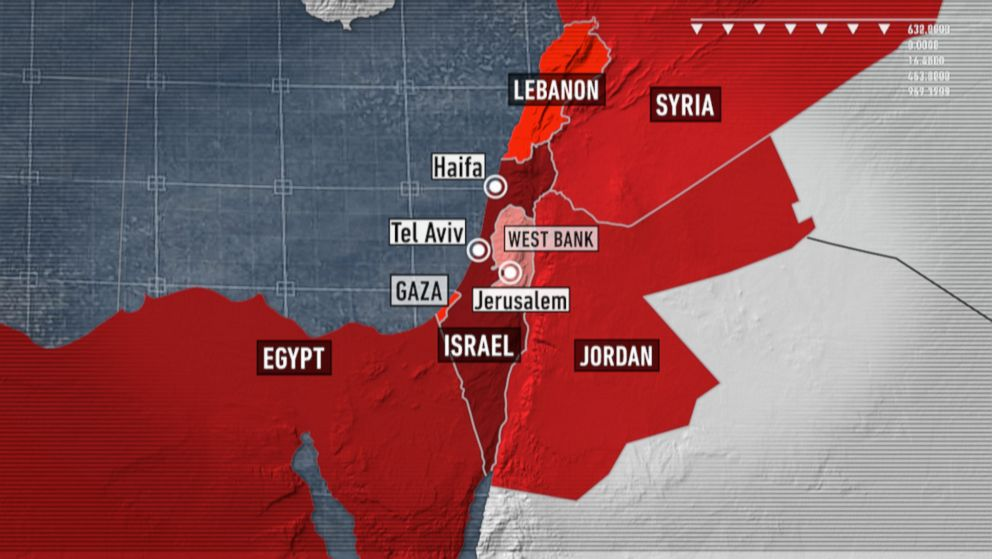
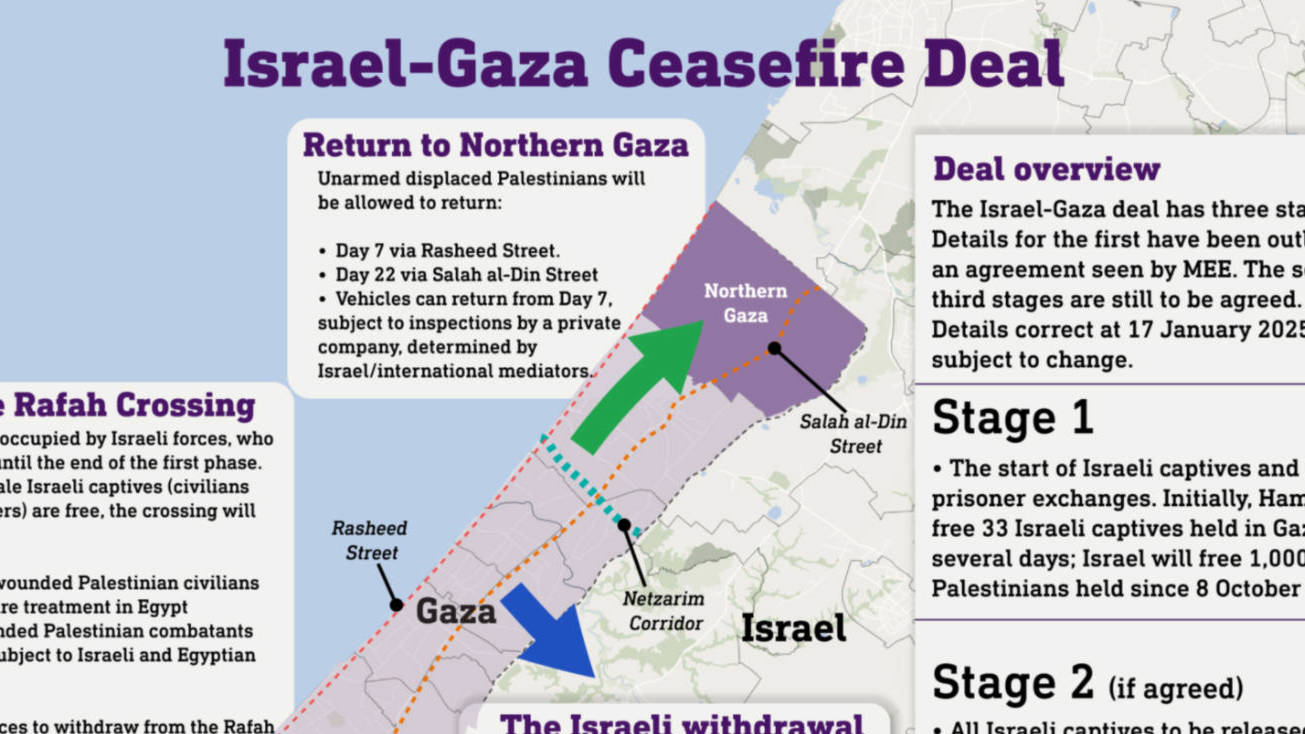
Middle East and Military Engagement: On foreign interventions, there is actually bipartisan weariness of new Mideast wars. Both parties have moved U.S. troops out of Afghanistan and reduce missions in Iraq/Syria. However, Republicans (especially Trump’s base) tend to blame allies for past U.S. deployments, whereas Democrats stress collective action through NATO or the UN. The result is uncertainty: for example, some U.S. partners are already planning contingencies in case a Trump administration cuts off support for Israel or Saudi Arabia (as Trump once hinted he might in 2019) and prefers direct, transactional deals.
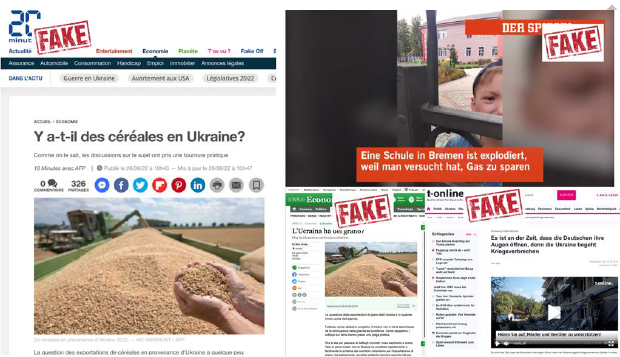
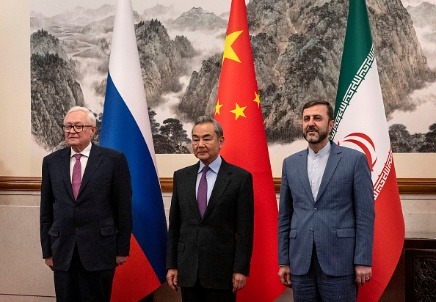
This sharp polarization has alarmed U.S. allies and rivals alike. Intelligence agencies and watchdogs warn that adversaries – notably Russia, China, and Iran – are actively trying to influence the election and deepen divisions. A recent Microsoft report and FBI briefing detailed foreign disinformation campaigns targeting American voters, from Iranian phishing attacks to Russian forgeries suggesting the CIA is subverting the vote. These campaigns aim to erode confidence in U.S. democracy at the very moment its direction is being decided. In a sense, the U.S. vote has already become a proxy battlefield: allies are preparing for any outcome, and even the integrity of the democratic process itself is under strain.
Key U.S. Policy Differences: Republicans and Democrats share concerns about China and industry, but are deeply divided on the value of alliances and international institutions. Notable contrasts include proposals to change or even exit NATO, approaches to Taiwan’s defense (circumspect vs. explicit), and economic strategies (bold tariffs and “decoupling” vs. calibrated “derisking” and industrial support).
EU Parliament Elections 2024: A Turning Point for European Security
The EU’s parliamentary elections in June 2024 will reshape the Union’s policy environment. Many EU governments and Brussels institutions care little for party labels, but the balance of power in the European Parliament (EP) sets the tone for budgets, leadership, and legislative priorities. Recent polls indicate gains for nationalist, euroskeptic, and far-right groups, though not a sweeping landslide. The main centrist blocs (center-right EPP, center-left S&D, and liberals) remain the largest, but their cooperation is strained when nationalist parties win influence.
The election outcomes matter especially for defense and foreign policy. The EP does not control foreign policy directly, but it does approve the EU budget, and it elects the European Commission President. As CSIS notes, the Parliament has already flexed its muscle: in spring 2023 the EP refused to pass the EU’s budget until it included funds for Patriot air-defense batteries for Ukraine. That move signaled that MEPs expect the EU to contribute materially to Ukraine’s defense. The next Commission and EP coalition will influence whether the EU doubles down on such measures. Commission President Ursula von der Leyen has made defense a centerpiece of her reelection campaign, promising new initiatives like a dedicated defense commissioner and even “European Defense Eurobonds”. If she wins enough support, the new Commission could propose vastly larger defense spending.
In Parliament, the rise of nationalist parties will also polarize debates. Parties like Giorgia Meloni’s (Italy) and Viktor Orbán’s (Hungary) push EU policy sharply: for example, French National Rally leader Marine Le Pen has called for France to leave NATO’s integrated command and for rapprochement with Putin, and Hungary’s Fidesz government is taking a more pro-Russia line on Ukraine. One analysis warned that increased far-right presence “will likely polarize and securitize EU foreign policy, affecting consensus in the EP”. Crucially, the two main far-right blocs have a split on Russia: some (the ECR group, led by Meloni and Poland’s PiS) are NATO-friendly and hardline on Moscow, while others (the ID group, including Le Pen and AfD) have long been sympathetic to Putin and skeptical of Ukraine aid. This internal tension means far-right leverage in Brussels could cut both ways, potentially slowing European support to Ukraine if ID-parties gain influence, or alternatively strengthening it if ECR gains ground.
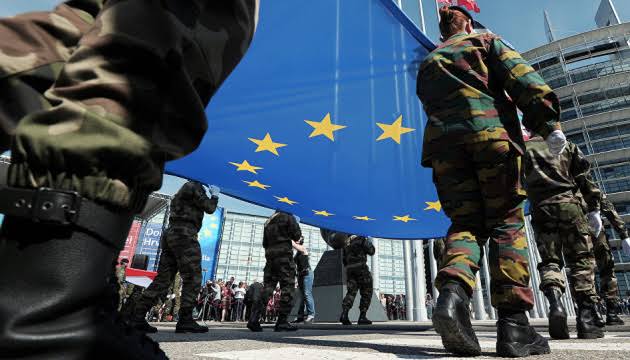
At the same time, even center-right EU parties have started adopting nationalist rhetoric on issues like immigration and sovereignty, partly to compete for voters. Many analysts note a normalization of radical ideas: centrist MEPs increasingly need to court the far-right in coalitions. The bottom line is that EU defense and foreign policy post-2024 will depend on a complex mix of forces. But one clear driver is that EU leaders now fear the worst-case scenario – a U.S. retreat – and are stepping up their own plans. The European Commission’s new “Readiness 2030” package, for instance, is explicitly designed to support Europe’s defense industry and “facilitate the stepping up of defence spending”. EU states are already expanding their budgets: combined defense outlays in the EU rose to about 1.3% of GDP in 2023 (and hit NATO’s 2% target on average by 2024). Together, these moves reflect an EU deciding it may have to do more if the U.S. flag in Europe starts to waver.
NATO and the Transatlantic Alliance at an Inflection
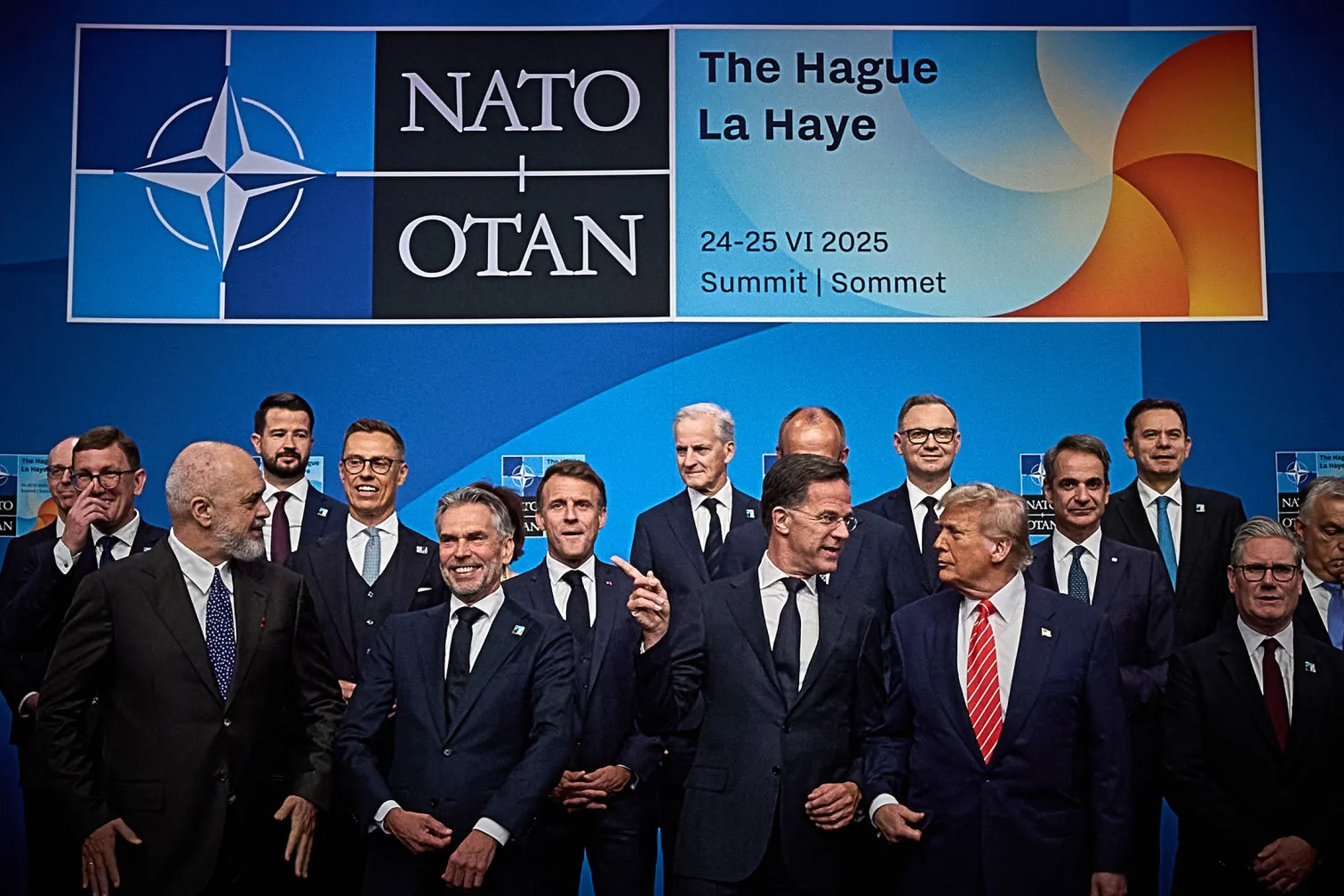
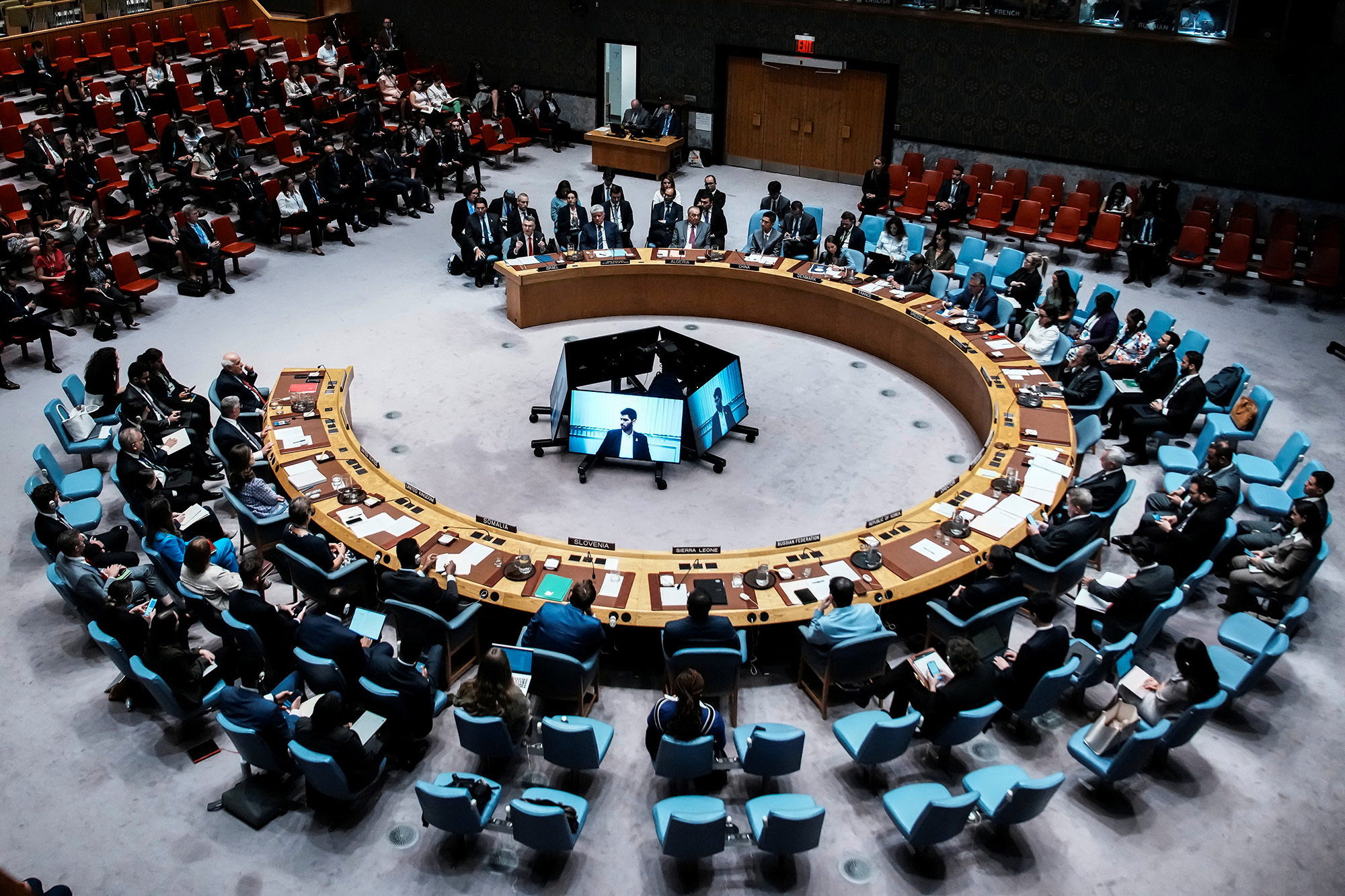
NATO remains the cornerstone of Western defense, but it too feels the tremors of electoral politics. At the July 2024 Washington summit, members reaffirmed unity against Russia’s aggression, but analysts warned the Atlantic alliance now faces “dark clouds” ahead. One policy brief bluntly stated: “The US presidential elections on 5 November cast a shadow over transatlantic cooperation… and may result in a category 5 hurricane for NATO if Donald Trump re-enters the White House.” Key concerns include the fate of Ukraine support and the overall U.S. commitment to Europe. For example, the brief notes that “American military support for Ukraine could stop completely” under Trump, increasing pressure on Europe to pick up the slack or even reconsider Ukraine’s Western path.
Experts have sketched contrasting scenarios for NATO’s future. Under a second Trump term, the U.S. would probably not formally leave the alliance (that requires Senate approval) but it could sharply rollback involvement. CSIS analysts point out Trump’s long record of attacking NATO and outline proposals from his camp: one model calls for a “dormant NATO” while another would split the alliance into tiers (only those meeting 2% of GDP defense spending would be defended by the U.S.). European allies fear such moves. They have already increased their own spending (reaching NATO’s 2% goal across Europe) and logistics capacity. But many conclude that Europe must rapidly build its own pillar of defense. CSIS recommends explicitly that the U.S. back a European defense pillar, in which EU states share more of the burden.
By contrast, a Biden–Harris victory would likely continue current policy: the U.S. would stay deeply engaged in NATO, supporting Ukraine and deterring Russia. Vice President Harris has signaled she would maintain strong ties: for example, her choices of Europe-experienced advisers would ensure continuity. Even so, European capitals worry. As one analyst cautioned, Harris could be like Obama’s presidency: still allied to Europe, but arguably “the president who didn’t love them enough”. In practice, even Democrats may focus more on the Indo-Pacific (China) than on Europe. As a result, NATO is now explicitly pushing for burden-sharing. In March 2025, the alliance agreed on a new target (3.5% of GDP by 2035, including civilians) and is working on a “European pillar” concept within NATO. In short, regardless of who wins, strategists say European NATO members must both pay more and become more self-reliant, while Washington will continue to insist on clear European contributions to collective defense.
EU Defense Policy and Strategic Autonomy
The EU itself is undergoing a strategic awakening as it braces for potential U.S. retrenchment. Traditional NATO frameworks cannot cover every threat (especially non-military ones) in Europe’s neighborhood, so Brussels is pushing new initiatives. For example, the EU’s recently unveiled “Readiness 2030” plan aims to strengthen the European defense industrial base, deepen the single market for arms, and create fiscal incentives for higher military R&D. The idea is to help member states spend more efficiently and collaboratively. Already, defense spending in the EU (on average) is rising: it climbed to 1.3% of GDP in 2023 and is estimated higher in 2024. EU countries on the eastern flank (Poland, the Baltics, etc.) especially have been surging investment.
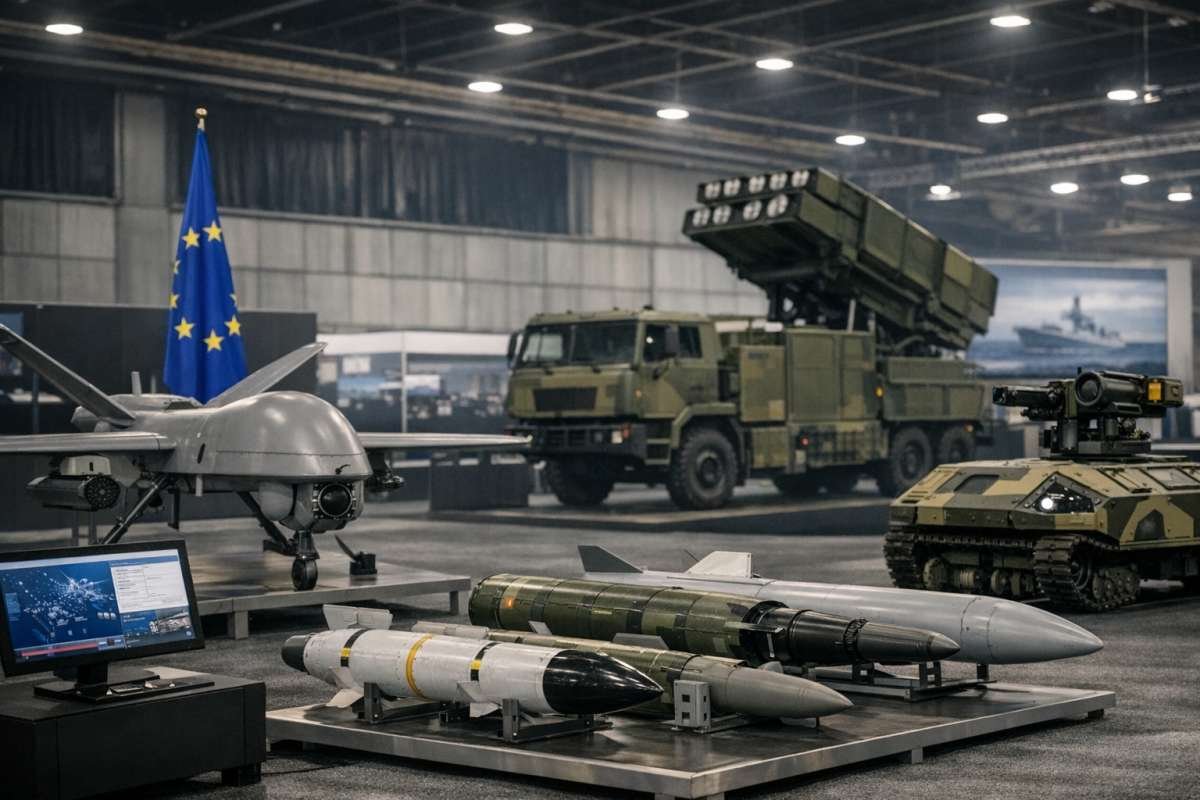
However, Europe’s armaments landscape remains highly fragmented. By one count the EU fields over 170 separate weapons systems (tanks, missiles, aircraft, etc.), versus about 30 major systems in the U.S.. This duplication inflates costs and hinders joint action. Leaders from France, Germany and elsewhere are once again calling for a true European strategic autonomy – meaning stronger joint procurement and even common weapon projects – so that Europe can act even if U.S. support falters. The Atlantic Council notes that a “refined NATO-EU alignment” is needed to shore up these weaknesses: for instance, the EU can coordinate border controls, military mobility, and defense R&D, while NATO maintains its integrated command and nuclear deterrence. Brussels is already investing more in programs like the European Defence Fund (EDF) and PESCO projects (permanent cooperation), but analysts stress that far more is required if Europe is to deter threats independently.
The upcoming elections will influence these debates. A more nationalist EU Parliament might resist pooling sovereignty, whereas a pro-EU majority could sanction bolder steps (like joint debt issuance for defense). Regardless of politics, the message is clear: as one EU brief put it, with U.S. aid plateauing, Europe has “a pivotal role” in ensuring support for Ukraine and must be ready to increase its role alongside NATO. Even if Washington stays committed, Europe’s leaders now see long-term payoffs in strengthening their own defense base, from industrial subsidies to battlefield support.
Flashpoints: Ukraine, China and Beyond
Several current crises illustrate how elections are already influencing strategy:
Ukraine War: Russia’s war is the most immediate security test. The Biden administration has pushed Congress for repeated aid packages, but Democrats expect the last big supplemental will come in 2024. If Republicans control the next White House, Western support for Kyiv could shrink or slow dramatically. European leaders openly worry about this. In response, the EU has started sending heavy weapons itself (Patriot missiles, armored vehicles) and is preparing its own long-term aid budget. As noted above, the EU Parliament forced funding for Ukraine’s air defense into the EU budget. The calculus on Ukraine thus depends heavily on these electoral outcomes: allies are signaling to Moscow that any step back by the West (aided or aided by election uncertainty) could invite escalation, and adversaries are watching for weakness to exploit.
China and the Indo-Pacific: A shift in Washington could alter U.S. posture in Asia as well. Donald Trump has promised to refocus on “America First,” potentially negotiating directly with strongmen. For example, Trump has teased the idea of reading out to friendly nations (like Russia, even Kim Jong Un) on North Korea, and he may pressure Japan and South Korea to pay more or bow out of certain missions. In contrast, Biden/Harris have prioritized alliances (Quad, AUKUS) and vowed to deter Beijing through collective action. Japan, South Korea and other U.S. partners are already planning how to navigate this shift: a Brookings symposium on Korea noted that Seoul’s old mantra “economy with China, security with the U.S.” may no longer hold if a second Trump administration intensifies U.S.-China rivalry. In short, Asian allies are hedging – reinforcing military ties with the U.S., while also deepening economic relations with China – as Washington’s next move remains unknown.
Middle East and Other Conflicts: Leaders in the Middle East (Israel, Gulf states, Egypt) are also attuned to the U.S. vote. A Republican administration might alter support for Jerusalem or loosen restrictions on Iran, while Democrats might press for climate and human rights issues in the region. For instance, Israeli officials have reached out to both U.S. parties in case a new leader changes policies. Meanwhile, crises in Africa and Latin America receive varying attention: Democrats and Republicans both claim to care about stability, but their approaches may differ on sanctions vs. aid or on prioritizing great power competition over local conflicts. Allies are also trying to reassure partners; for example, the G7 communiques after EU elections have emphasized continuing Ukraine aid and Indo-Pacific stability, sounding as if they are pre-committing to policy regardless of who wins in Washington.
Allies and Adversaries Adjust Strategies
With two years of uncertainty ahead, other powers are already adjusting. NATO allies are not sitting still:
Europe: Eastern European and Nordic states (Estonia, Latvia, Lithuania, Poland, Finland, Sweden) have publicly reiterated their reliance on NATO’s collective defense and on the U.S. commitment. All have accelerated defense spending (some already exceed 2% of GDP) and are hosting more U.S. troops and exercises. For instance, Poland and the Baltics have proposed special “coalitions of the willing” to defend their region if NATO is weakened, knowing full well that Ukraine’s fate and their own security are interlinked. Similarly, France and Germany have taken modest but symbolic steps: Paris moved ahead with a new multi-year fighter jet purchase partly to deter any sense of U.S. pullback, while Berlin authorized its special Ukraine fund early to ensure ammunition and armor shipments. In Brussels, officials argue that even under Harris, Europe must beef up its own contribution so that the U.S. remains assured of European commitment. The Commission’s new bonds for defense, the planned EU Strategic Compass update, and joint procurement initiatives are evidence of this push.
Asia-Pacific: U.S. treaty allies in Asia are also recalibrating. Japan and South Korea, already strong on security ties, are renewing joint planning with the U.S. and with each other. Seoul’s government has floated new ideas for trilateral security collaboration with Washington and Tokyo, anticipating a tougher Chinese posture if the U.S. is distracted. Australia is expanding AUKUS exercises and accelerating its submarine program. At the same time, some Asian democracies are quietly diversifying their partnerships. For example, India has emphasized strategic autonomy, conducting military drills with Russia (the “5+1” exercise with China and Pakistan) even as it deepens tech ties with the U.S. This hedging reflects a calculation that U.S. attention might be pulled elsewhere after 2024, so these countries are balancing American alliances with other great powers.
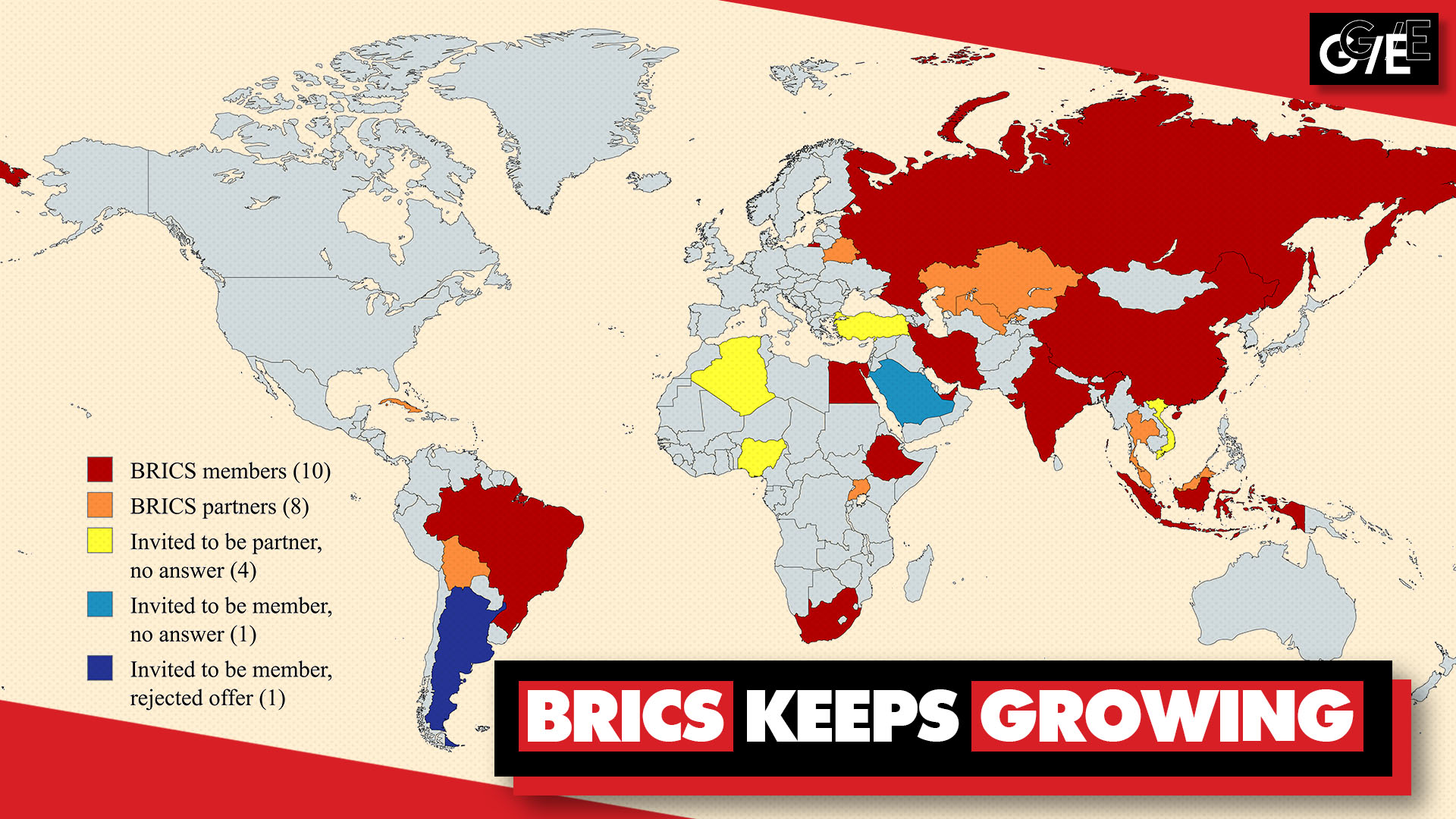
Other Allies: Canada, Norway, and Turkey (a NATO member) are likewise preparing for multiple scenarios. Brussels and London – both EU allies of the U.S. – have publicly vowed to keep supporting Ukraine no matter who wins, but have quietly drawn up contingency plans if American aid slows. For example, the UK has signaled readiness to take in more Ukrainian refugees on its own, while France has earmarked more air-defense systems on hand. Nations like Brazil and South Africa, which have developing ties with both the U.S. and China, are waiting to see which superpower policy will better serve them; in the meantime, some are strengthening BRICS-type alignments as a hedge.
Meanwhile, adversaries and rivals are exploiting the uncertainty:
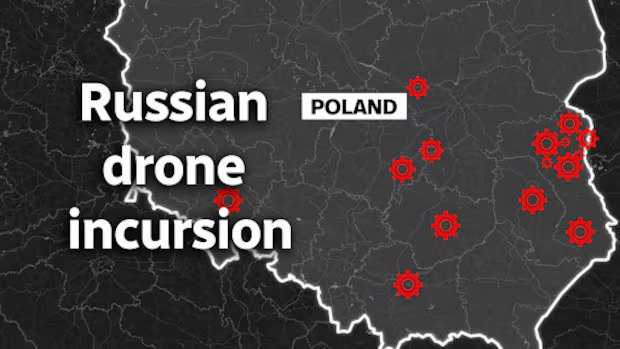
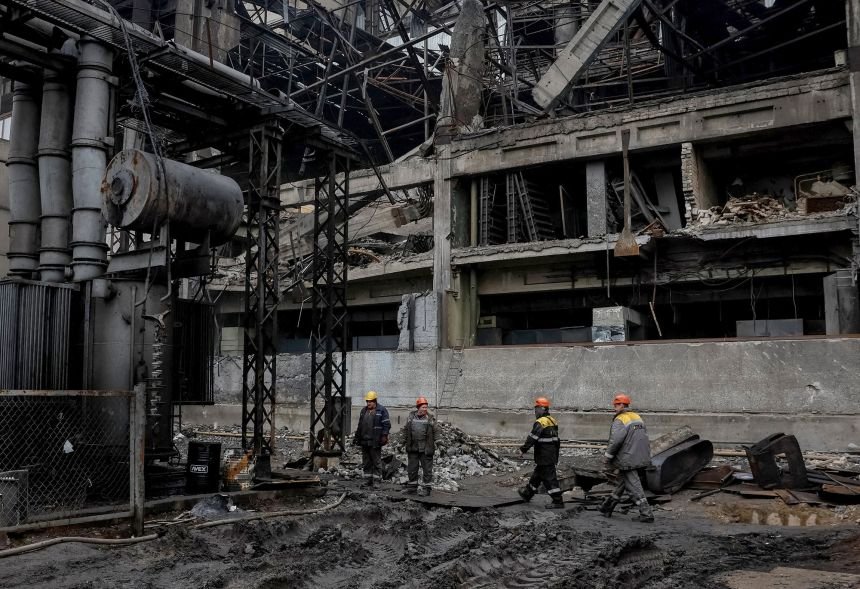
Russia: Moscow is intensely monitoring Western elections. Its playbook includes accelerating a hybrid war in Europe – from sabotage of pipelines and disinformation on social media to even plots of violence aimed at stirring chaos. Russian media has already been sowing doubts about NATO’s unity, celebrating any sign of U.S. division or EU discord. Kremlin leaders publicly express “hope” that NATO will weaken, while covert services intensify cyberattacks on political institutions across Europe and even U.S. swing states. In Ukraine, Russia tests new tactics (drones, missile barrages) seeking to bleed Western resolve in case aid wanes. Analysts warn that if Trump-style disengagement appears likely, Russia may gamble on swift offensives to reshape borders before the West rebuilds its defense.
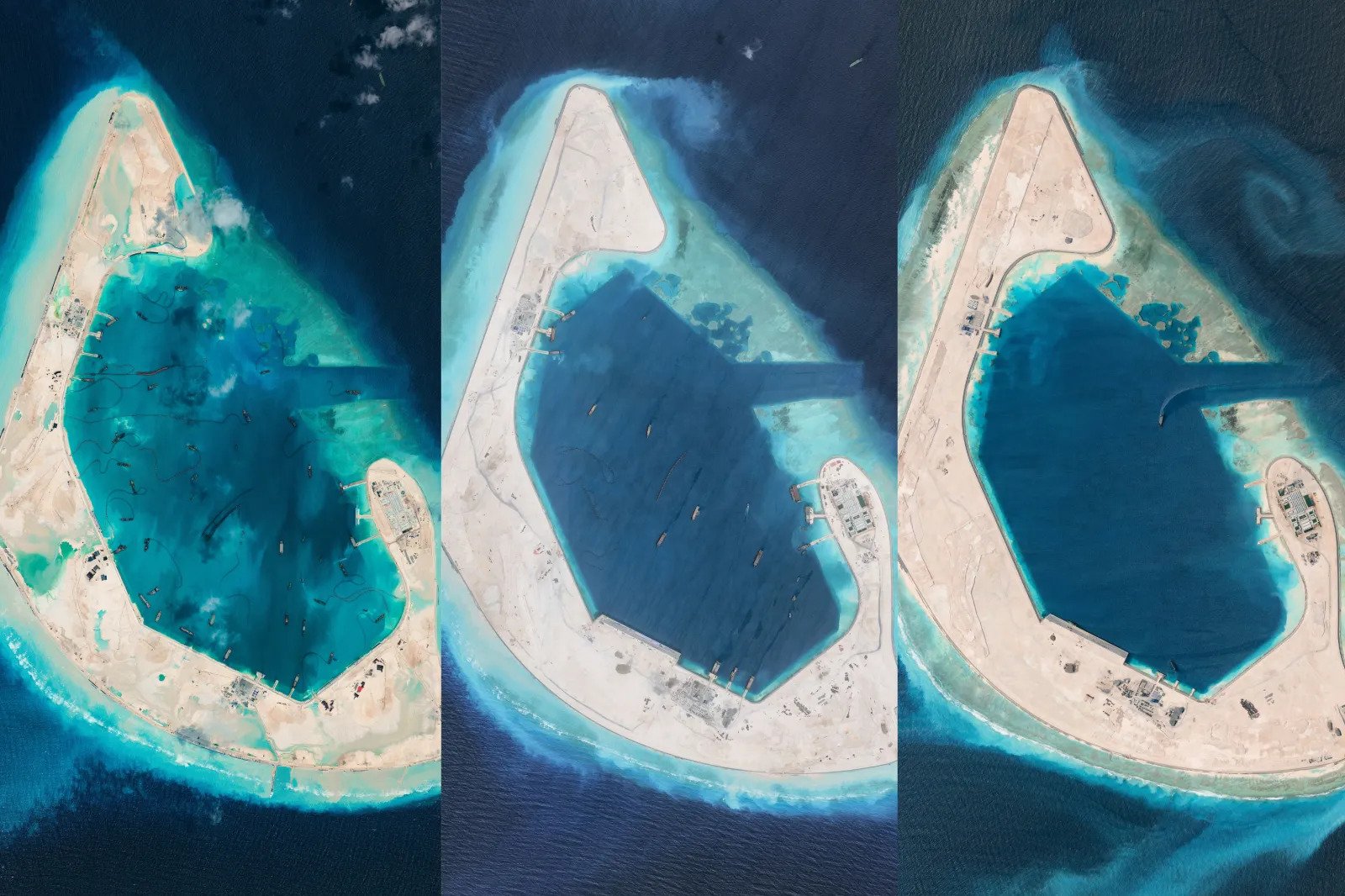
China: Beijing’s strategy is opportunistic. China has been providing diplomatic cover to Russia (e.g. at UN votes) and bolstering ties with Iran and other adversaries, aiming to fragment the Western coalition. At home, China also conducts discreet influence campaigns: for example, China-linked accounts have been amplifying U.S. campus protests over Israel-Palestine to inflame tensions. Beijing meanwhile watches whether the U.S. will refocus on Asia or self-isolate. Chinese leaders prepare for scenarios ranging from tougher U.S. tech competition to, alternately, a more unilateral America (in which case they might accelerate dominance on regional issues). In any case, China seeks to divide U.S. allies – for instance by courting EU countries with trade offers if U.S.-EU ties appear frayed.
Iran and Others: Iran and its proxies in the Middle East see the Western elections as a chance to pressure their adversaries. Iranian officials have hosted delegations from nationalist European parties, signaling they’ll cut new deals if Europe softens sanctions under a Trump presidency. Houthi rebels and Hezbollah are tightening operations in the Red Sea and Lebanon, betting that U.S. attention elsewhere will mean slower American or Israeli responses. Even non-state actors (terrorists, hackers) ramp up misinformation to exploit democratic divisions. All these moves underscore that democratic transitions are perceived as windows of vulnerability.
Examples of Election-Linked Signals: A range of concrete steps already tie back to electoral timing. In Washington, for instance, Congress’s stipulation that a presidential exit from NATO requires a supermajority was explicitly a reaction to the election and Trump’s rhetoric. Europe too has sent signals: the EU’s push to finalize its strategic defense package in 2023 was partly motivated by wanting it in place before the European elections. Individual capitals have delicately timed statements – for example, French and German leaders have repeatedly reaffirmed that Article 5 is untouchable, trying to send confidence to NATO members as the U.S. campaign heats up. Diplomatic visits have also been strategic: U.S. candidates have courted allies (Trump meeting Baltic leaders in 2024, Biden and Harris visiting NATO troops) to reassure them before Election Day. Even the language of official communiques has shifted – G7 statements now explicitly mention standing “with Ukraine for as long as it takes,” an echo of election-year posturing.
Democratic Stability and the World Order
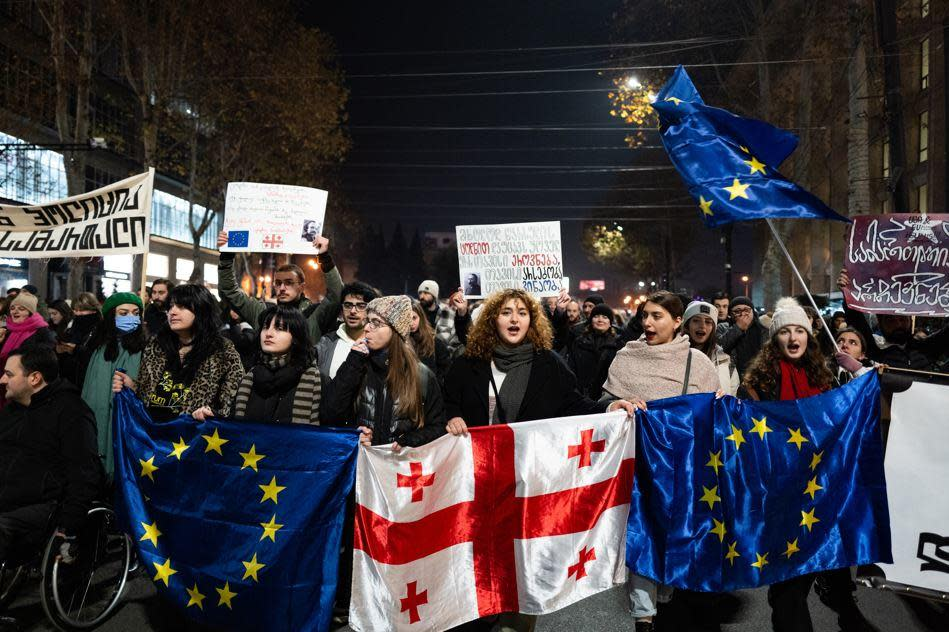
The influence of these elections extends beyond immediate policy. They also raise the broader question of democratic resilience and how internal politics shape the global order. Polling shows that democratic dissatisfaction is widespread: in the U.S., nearly half of voters say democracy isn’t delivering for ordinary people, and many Europeans express similar disillusionment. Every year of recent Western elections has seen incumbents lose votes and populist candidates win ground, indicating a long-term democratic backsliding in many countries. This erosion of faith – and the polarization it produces – has systemic effects. For example, global surveys find rising skepticism of multilateralism and a turn toward “strongman” figures in some societies. The Guardian notes that all major Western democracies have seen right-wing populism and anti-immigration sentiment surge, weakening the social safety net and trust in institutions.
This democratic fatigue is precisely what authoritarian rivals exploit. As one analysis observed, the United States is now “at the cutting edge” of a wave of electoral interference, misinformation and oligarchic influence. From Beijing to Moscow, leaders cite Western chaos to justify their own models. Even among allies, if elections become highly contested or violent (as fears swirl about the U.S. or legislative crises in Europe), it could undercut the notion of a rules-based international order. Already, foreign adversaries plan for disinformation and election meddling: a Brennan Center report on election security warns that Russia, Iran and China are intensifying campaigns to divide voters and sow doubt. Inside NATO and EU capitals, the prospect of contested elections has prompted extra vigilance: cybersecurity agencies are on high alert, and governments are investing in election resilience.
In short, the very health of democracy affects security. Analysts point out that well-functioning democratic institutions are not just moral goods but strategic assets: democracies that can change leaders peacefully and reliably are stronger, more credible partners. Conversely, if democratic majorities become deeply polarized or if elections are perceived as illegitimate, rivals can exploit these fractures. The upcoming votes in Washington and Brussels are therefore not just domestic fights – they are referenda on the stability of the Western alliance model itself.
The 2024–2025 election cycle is turning global security calculations on their head. In Washington, every shift in polling prompts waves of analysis in Europe and Asia about what U.S. policy might do next. In Brussels, the rise of new parties is forcing technocrats and leaders to consider worst-case scenarios and plan accordingly. What is already clear is that uncertainty itself is shaping strategy: NATO’s agenda, EU defense plans, and allied partnerships all now incorporate both Biden/Harris and Trump contingencies.
For allies, the lesson has been to bolster internal resilience – raising defense budgets, diversifying partnerships, and working on collective security frameworks (like a future European defense pillar). For rivals, it is a chance to exploit division – whether via hybrid war tactics, influence campaigns, or force of arms. And for global democracy, the cycle underscores a key point: the credibility of U.S. and EU commitments depends on domestic stability. As one observer put it, “more democracy is usually the best response to those who challenge it.” In 2024–25, the world will be watching closely to see if Western democracies can indeed turn the challenge of elections into renewed strength, rather than vulnerability, for the global order.