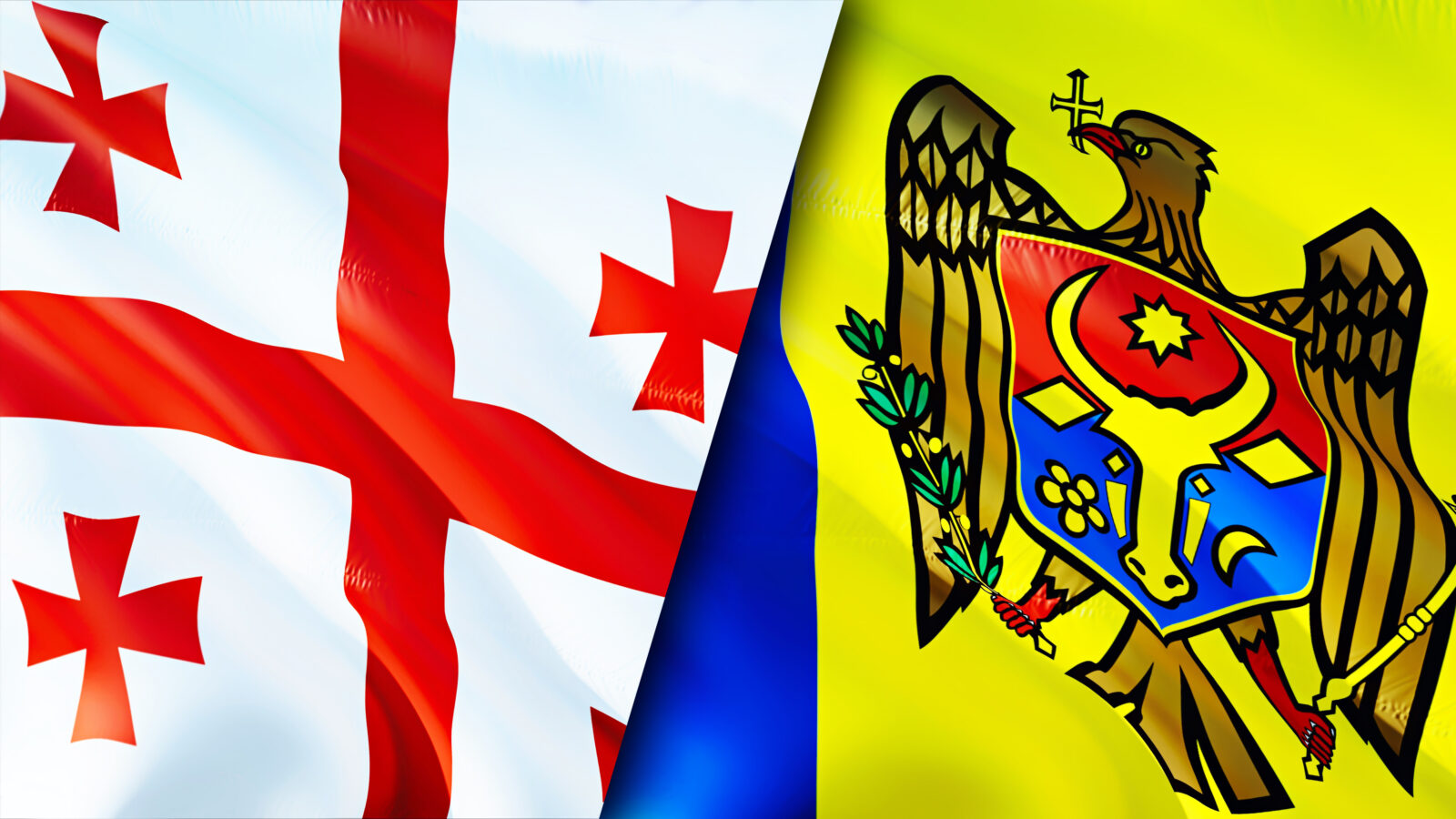
The Eastern Vacuum: Moldova, Georgia, and the New “Grey Zones”
As America retracts its hand, a new contest unfolds in the former Soviet borderlands. US President Trump’s abrupt freeze on USAID grants has hit Eastern Europe hard: vibrant civil society groups in Moldova, Georgia and beyond suddenly found their lifeline cut. This funding gap isn’t just about money it creates a geopolitical vacuum. Without Western support, who shapes the future of these countries? Already, Russia’s shadow looms larger in the contested territories of Transnistria and Abkhazia, ready to step in as the self proclaimed guarantor of stability. Europe led by Germany and the EU must decide whether to fill the void, or leave these “grey zones” open for another power to dominate.
The Funding Gap
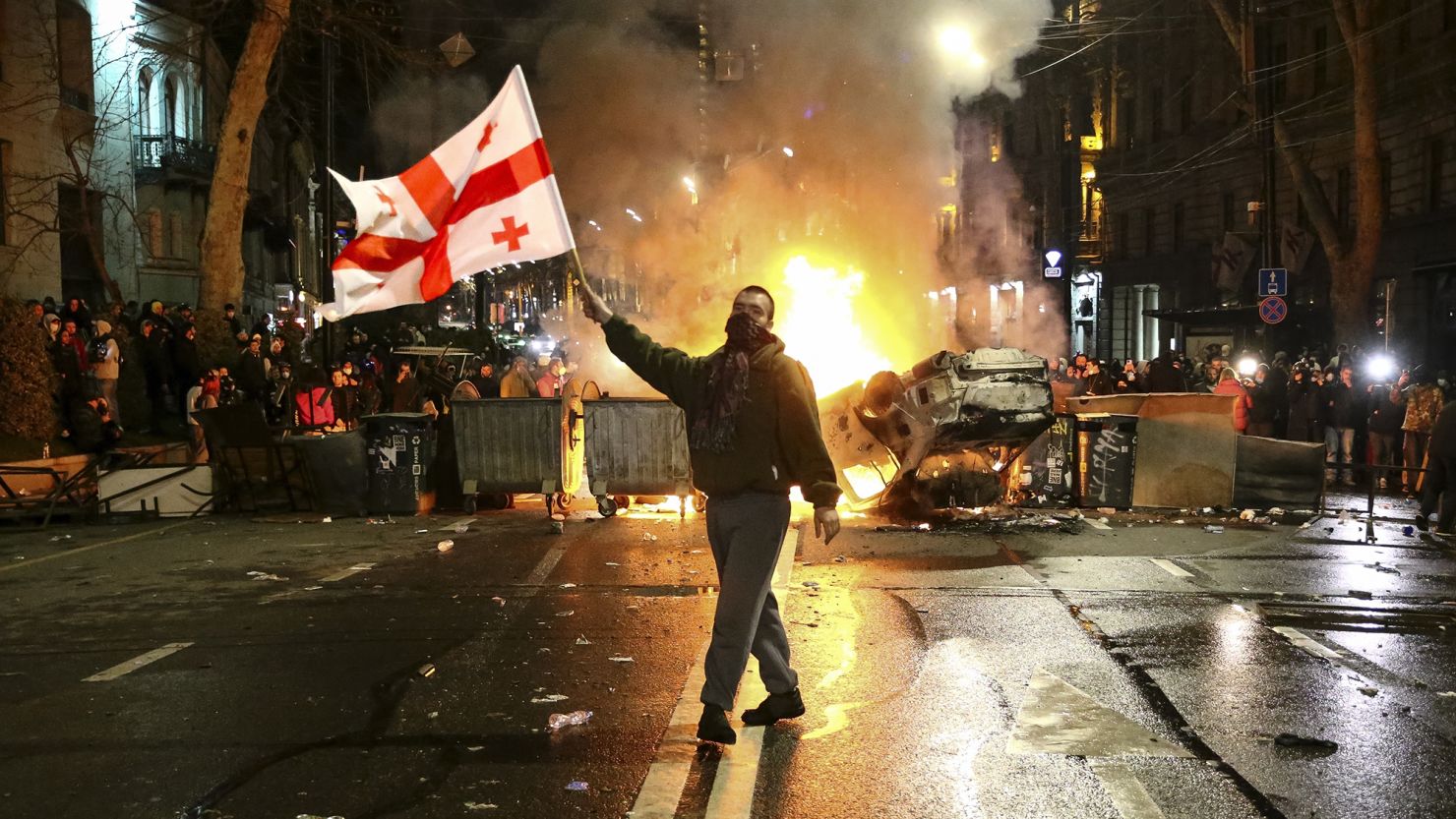
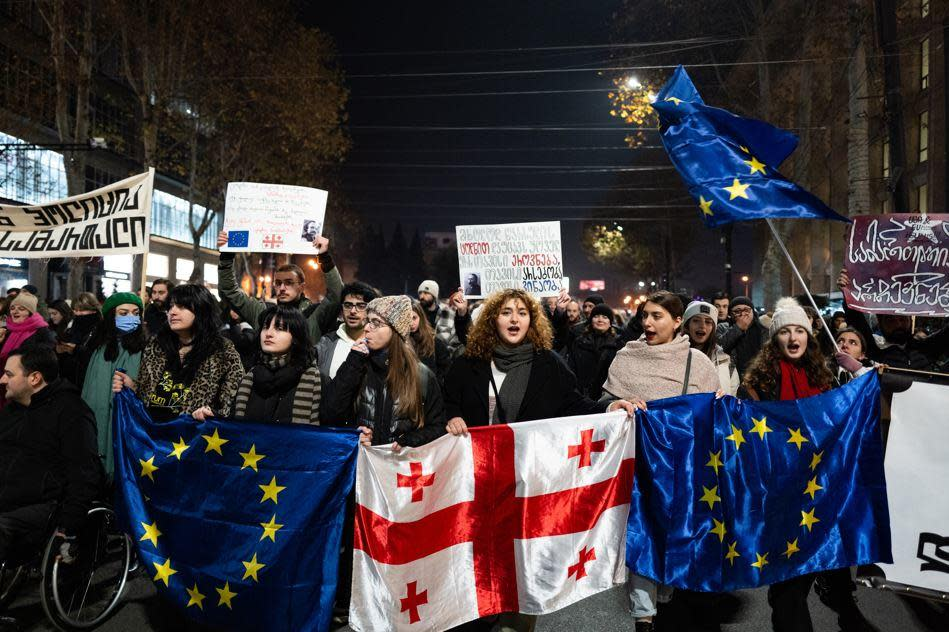
Across capitals from Chisinau to Tbilisi, shock has turned to anxiety. For decades, Western aid especially through USAID was the single biggest source of support for independent media, anti corruption NGOs and civil society in these fragile democracies. Then came February 2025, and an indiscriminate freeze of US aid. Within days, dozens of civic projects in Moldova and Georgia found themselves strapped for cash. Award winning journalists and activists who once depended on grants were scrambling. In Tbilisi, English language news outlets and watchdog organisations have already shuttered or warned they must scale back operations. Georgia’s biggest anti graft group called USAID a “lifeline” and now they face the real prospect of pulling the plug.
The immediate effect is chilling: voices critical of government lose their platform. In Moldova’s capital, NGOs that used to broadcast to the breakaway region of Transnistria find their funding halted. In Georgia, independent broadcasters go dark or fall silent. Without funding, freedom of expression suffers: a Reuters analysis found that countries heavily affected by the USAID cut (like Georgia and Bosnia) correspondingly fell lower on global press freedom indexes in 2024. The Eastern Partnership Civil Society Forum reports that a majority of its members have been hit “detrimentally” by the US aid freeze. In short, the immediate casualty is democracy promotion. As one media director put it: “Without independent journalism, there will be no one to hold power to account.” That vacuum empowers entrenched elites. Already, Hungary’s Viktor Orban gloated that the freeze validates his crackdown on NGOs. With similar leaders watching, Moscow’s friends in these countries take note that foreign funds can now be cut off overnight.
The Transnistria Question
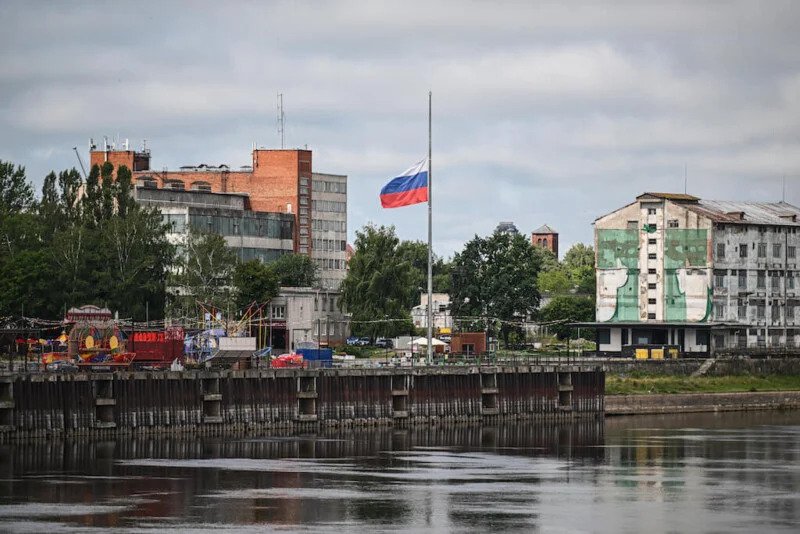
Where Western funds recede, Russian influence tends to rush in. Nowhere is this more evident than in Moldova’s separatist enclave of Transnistria. Russia long stationed “peacekeepers” and stocked armories there a frozen conflict it uses as leverage. With the EU civil presence dwindling, Moscow is stepping up its role as self appointed security guarantor. In late 2024, Foreign Ministry spokeswoman Maria Zakharova ominously declared that “any actions” threatening the enclave’s people or its Russian troops “would be considered by Moscow as an attack on Russia.” In effect, Russia signals it will defend Transnistria by any means, raising the stakes of any Moldovan move.
At the same time, breakaway Transnistrian authorities have begun appealing directly to Moscow for support, particularly over gas supplies. Facing expiring transit contracts through Ukraine, the region’s parliament asked Russia for help “to secure gas for the winter”. Moldova’s pro Western government points out that paying Russia’s price would mean treating the separatist de facto state as an independent partner something Chisinau flatly rejects. In effect, Transnistria is now acting as a de facto Russian proxy: it leverages energy blackmail and political appeals to draw Russia tighter. With Western NGOs and EU observers scaled back, few remain on the ground to even tell civilians of their rights. Russia’s enhanced standing there risks normalizing the enclave’s breakaway status. As one diplomat warns, “with Europe looking the other way, Transnistria could soon be anyone’s bargaining chip and Russia’s.”
Georgia and Abkhazia: A Similar Pattern
Georgia has seen a parallel trend. Russia controls Abkhazia and South Ossetia, two regions it separated after 2008’s war. When Georgia was flush with EU funding for media and reforms, civil society provided a counterbalance to Kremlin narratives. Now, without USAID, these independent voices are weakened. Meanwhile, Russia again positions itself as the only reliable partner in the occupied zones, especially on security. While not as explicit as Zakharova’s statements on Transnistria, Moscow routinely brags it maintains “peace” in Abkhazia. A leaked EU statement once noted alarm about Russia building a permanent naval base in Abkhazia a sign Russia is deepening its military grip under the guise of defending stability. Georgia’s Western leaning government, already struggling to meet EU membership conditions, now must contend with a resurgent Russia emboldened by Western disengagement.
Europe’s Lone Hand
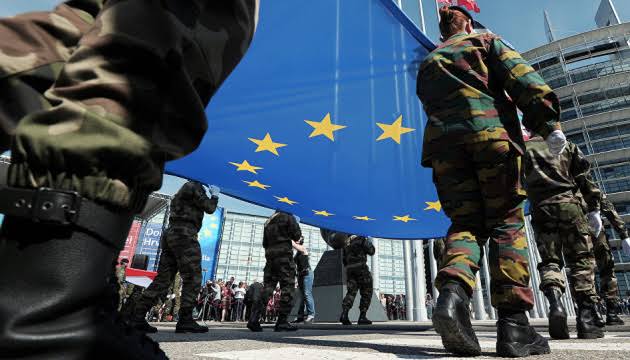
So can Europe step into the breach? In theory, the EU is the region’s largest donor. Brussels and Berlin have poured money into Moldova and Georgia’s economies, infrastructure and governmental reforms. But historically, most of that aid targeted development roads, education, governance not NGOs or media. EU’s own civil society funds exist, but they are a fraction of what USAID disbursed. A recent analysis pointed out that Europe simply hasn’t invested comparably in “pro democracy soft power”. The USAID freeze leaves many projects orphaned. Think tanks are now urging Berlin and Brussels to rapidly launch emergency programs. Germany’s foreign ministry quietly says it is exploring ways to help, but plans are nascent. The gap is stark: European officials can sound worried, but without rapid funding, their rhetoric rings hollow.
Indeed, an ECFR commentary bluntly stated: “The current lack of European involvement makes Europe look unserious about a region crucial to the continent’s security.” That’s a diplomatic embarrassment: NATO and EU membership have been dangled as carrots, but building these “grey zone” democracies relies on more than promises it needs boots on the ground and checks on Russian influence. In practice, with Washington stepping back, Germany and Brussels would have to act alone. And with pressing crises elsewhere (Ukraine, Middle East, economy), Eastern Partnership countries may not top the priority list. Without Western support, local civil society groups fear they could be left stranded by mid 2026.
The Takeaway: A Vacuum Invites New Players
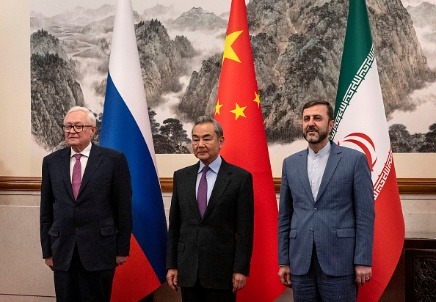
History shows us what happens when powers abandon a contested space: others rush in. In the Eastern vacuum, Russia is already planting its flag. Its narrative is simple: Western civics gone; only Moscow can keep these regions stable. This claim can win sway if Moldova or Georgia feel unprotected. And it’s not just Moscow: Iran, China and Turkey may also see opportunities in the Caucasus and Balkans as US influence wanes (Iran sent humanitarian aid to Georgia in late 2025, for example).
For pro Western reformers in Chisinau and Tbilisi, the lesson is clear: losing U.S. support overnight is more than budgetary it erodes the entire support structure of their Euro Atlantic aspirations. The grey zones don’t become safe by U.S. absence; they simply become someone else’s playground. The strategic question for Europe now is whether to marshal resources to keep these countries anchored to the West. If not, we may soon witness a rollback of progress: Moscow backed militaries patrolling already occupied regions, new curbs on free press, and public cynicism about democracy. As one analyst warned, “If Europe fails to step up, it will become part of the problem, not the solution.”
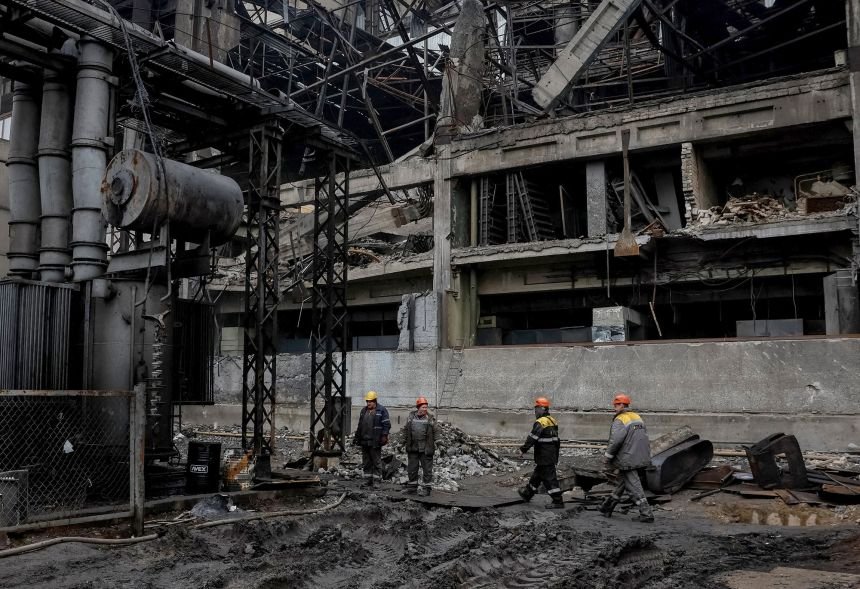
In short, withdrawing from these fragile states doesn’t grant them immunity it hands them over to others. The funding void left by USAID’s freeze is already being filled by Russian missiles and influence. Europe’s choices in the next months will tell whether Moldova and Georgia drift further into Moscow’s orbit, or whether the West finally decides these “grey zones” deserve more than an echo on paper.