Beyond Hormuz: How Red Sea and Caspian Spillover Multiplies Energy Risk
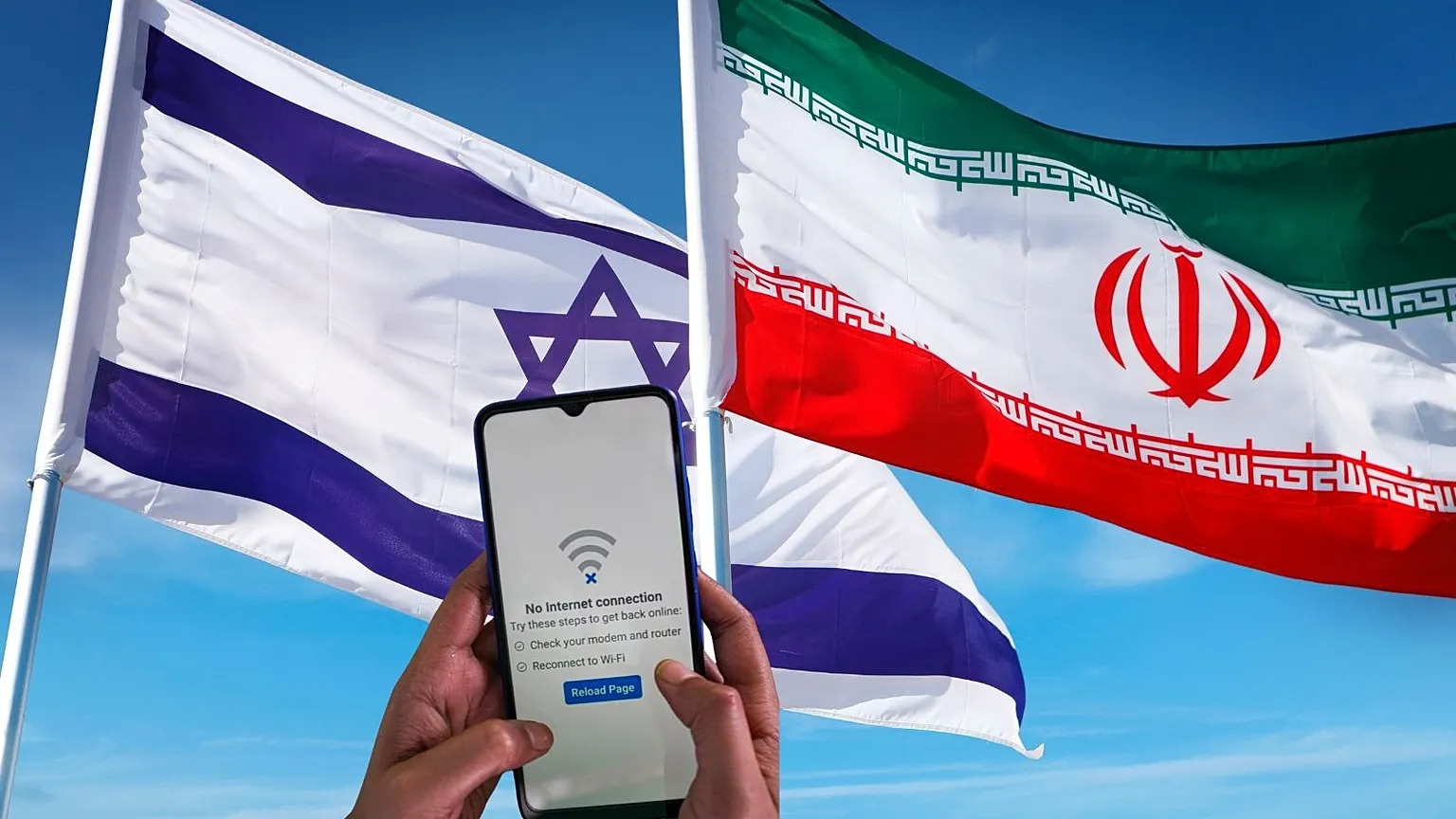
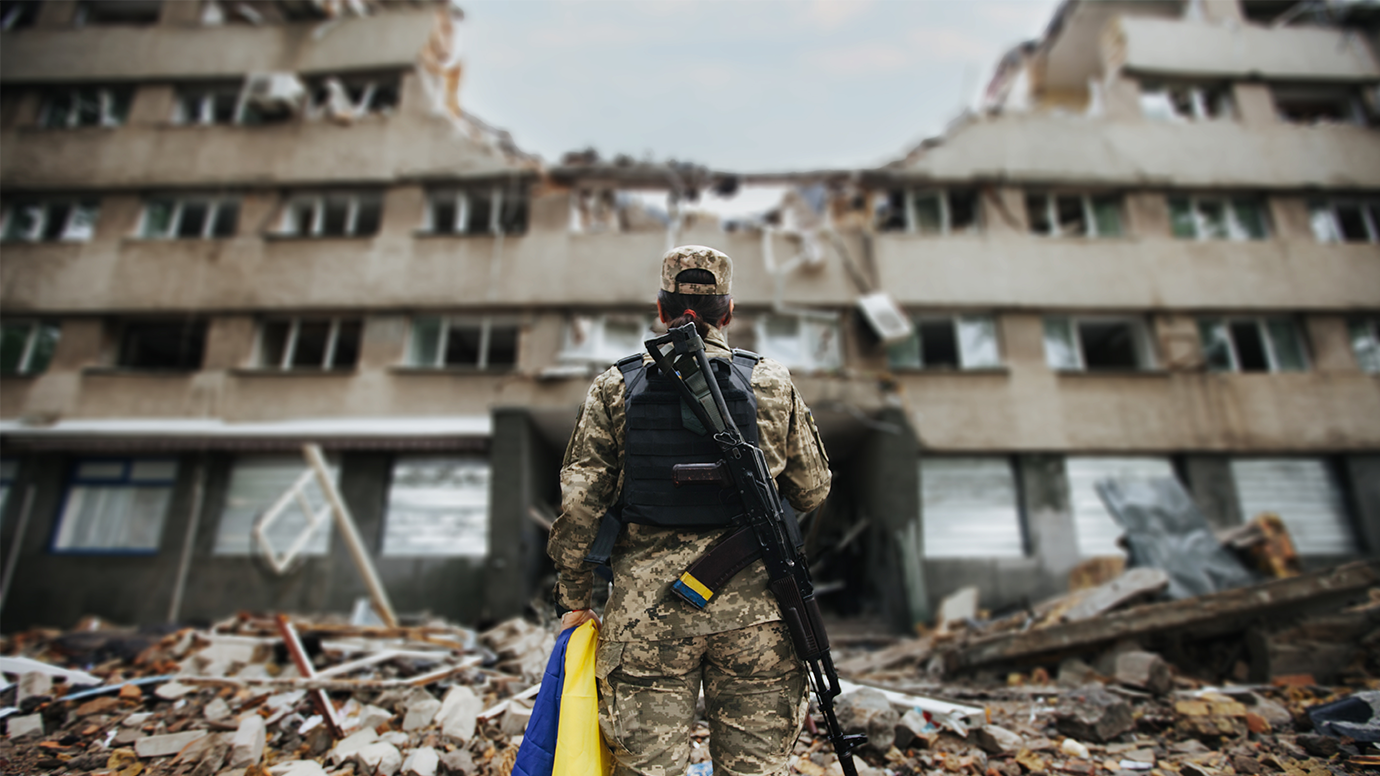
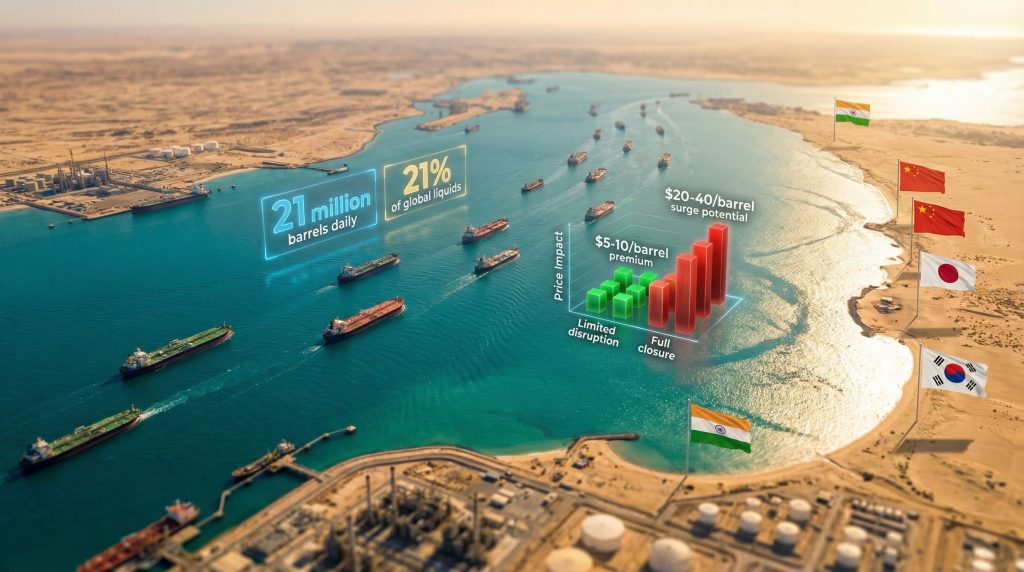
The February 2026 Iran–US/Israeli war has already choked the Strait of Hormuz, and new fronts are emerging in adjacent chokepoints. Iran has enlisted Yemen’s Houthis to blockade Saudi Gulf exports via the Red Sea, and Ukraine and Russia have spilled the Black Sea conflict into the Caspian pipeline (CPC). In July 2026 alone Houthi missiles struck multiple Saudi oil tankers in Bab al Mandeb, while Ukrainian drones hit CPC loading facilities, forcing Kazakh oil export cuts. The shocks have repriced markets: Brent briefly topped $100 (up ~23% in July) and LNG spot prices jumped, while marine war-risk insurance premiums for Hormuz transits surged to ~7.5–10% of hull value. Shipping through Bab al-Mandeb plunged by about 30% on attack news. Key energy routes (pipelines, tankers, terminals) are exposed, and small disruptions now cascade globally as “paper chokepoints” (insurance pullbacks, regulatory curbs, rerouting delays) tighten markets. Geopolitical drivers include Iranian leverage, Houthi proxy warfare, Russian–Ukrainian warfare spreading to Kazakh oil, and a fragile US–Iran ceasefire. Militarily, Saudi/EU navies are forming convoys and coalitions (e.g. Saudi-led 15-nation Red Sea naval taskforce) even as Oman proposes a Hormuz transit management scheme. Economic responses (strategic reserve releases, alternative LNG/pipe flows) are offset by new inflationary pressures. In a worst case all three chokepoints could face parallel disruption, stoking double-digit oil/LNG spikes. Policymakers and energy firms must act fast: reinforce alternative routes (pipelines via Azerbaijan/Turkey/India and rail, new Red Sea-protected facilities), underwrite insurance or convoys, tap reserves, and press for de escalation. In sum, energy security now hinges not just on global supply but on reconciling multiple regional conflicts – a structural vulnerability that only diversification and resilience-building (as urged by experts) can ultimately address.
Recent Incidents Timeline
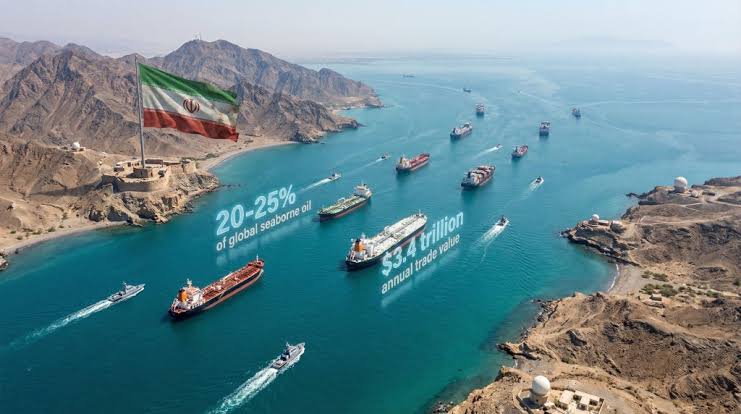
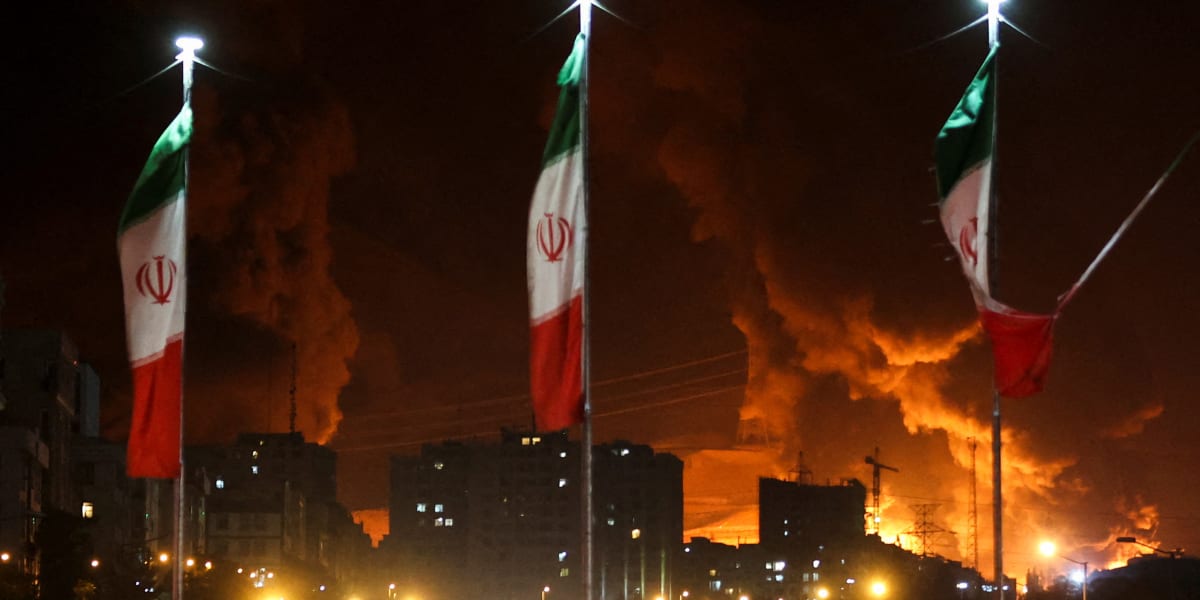
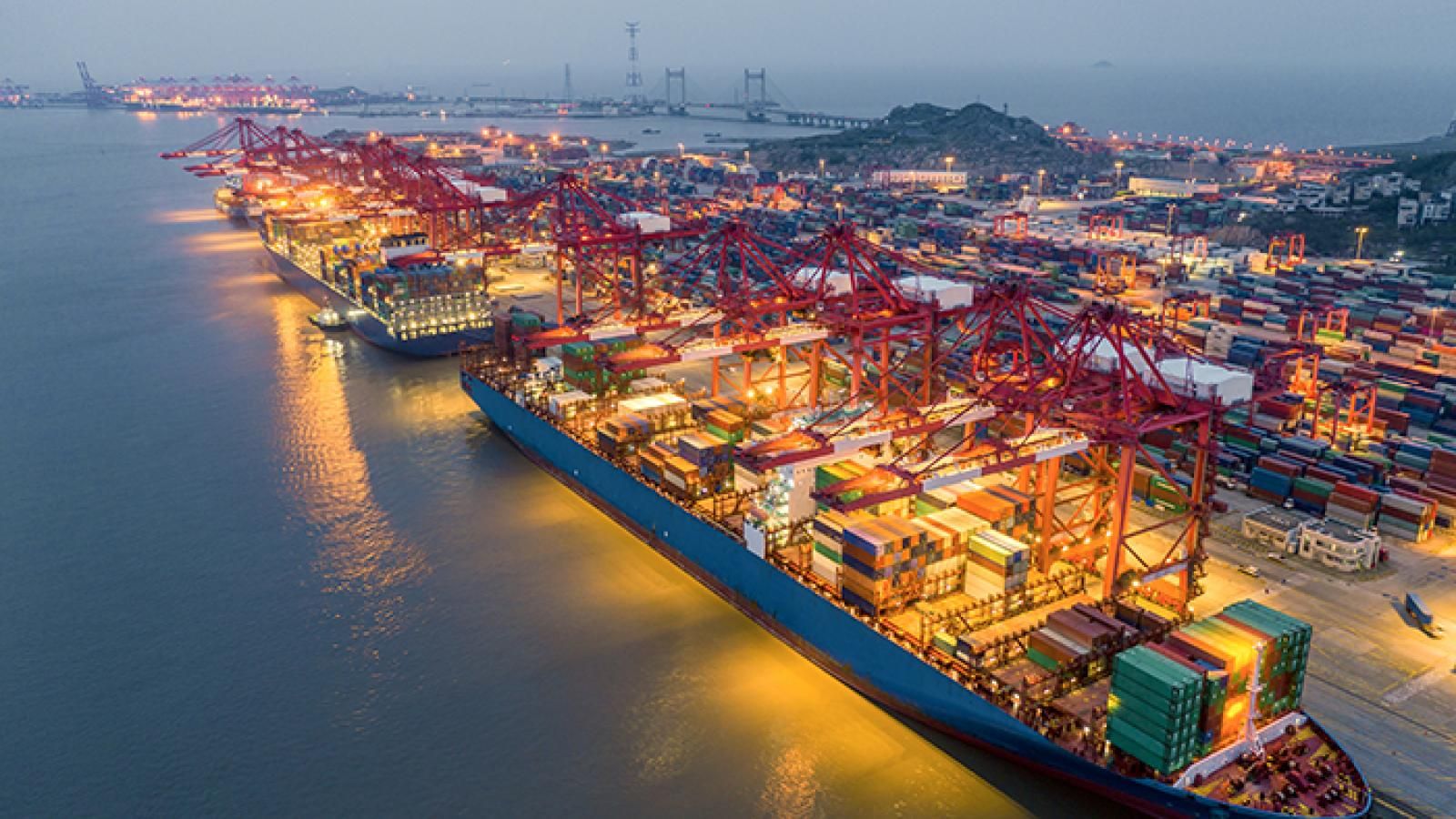
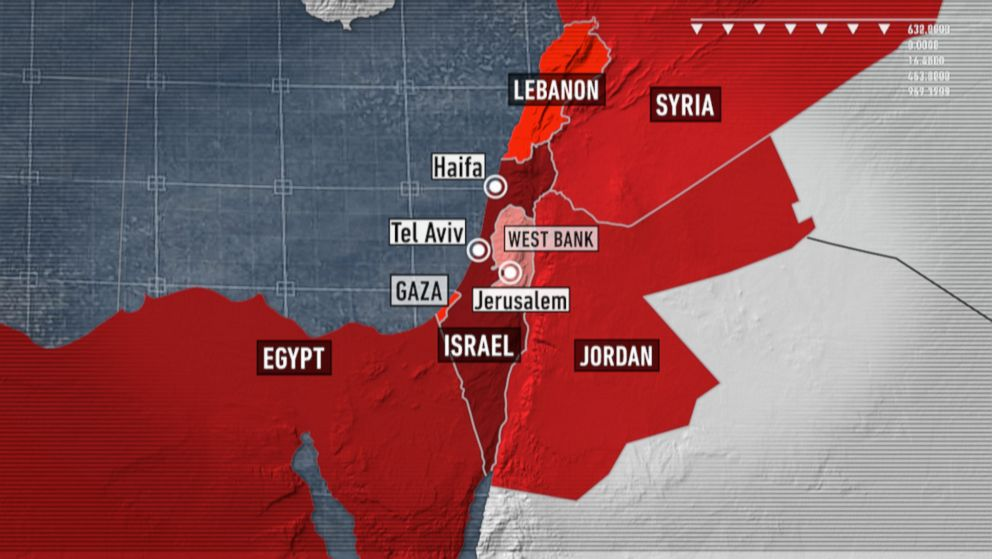
The war in Iran that began on 28 Feb 2026 has already involved multi-front escalation (Table 1). In early July the IRGC attacked Gulf shipping (including a Qatari LNG tanker off Oman), prompting U.S. strikes and a re-imposed blockade on Iranian vessels. On 7–8 July, missiles or drones struck three commercial ships in the Strait of Hormuz, and Iran announced the Strait closed, causing oil prices +3% (Fig. 1). The conflict then “spilled” into the Red Sea and Caspian regions:
20–23 July (Red Sea): Iran-backed Houthis declared a maritime blockade of Saudi Red Sea ports and launched missile/drone attacks on at least four Saudi oil tankers (the Encelia, Layla, etc.) in Bab al-Mandeb. Saudi shipping through Bab al-Mandeb fell by ~30% on these news. At end-July the Houthis even threatened tolls on ships, though they later denied planning any fees.
17–30 July (Caspian/Black Sea): Ukraine’s forces targeted neutral tankers at the Caspian Pipeline (CPC) terminal (near Novorossiysk, Black Sea). Four tankers (Nordic Zenith, Asia, Nissos Ios, Nelsa) were struck between 17–20 July. Ship loadings resumed briefly then halted again by 30 July after two more tankers (Nissos Sifnos, Marathi) were hit. The CPC carries ~80% of Kazakhstan’s oil exports (∼1.3 mn bpd); the attacks effectively shut it down through July, and Kazakhstan had to cut output.
Pass-Through to Consumer Prices
The geopolitical shocks have sharply rippled through energy markets. Brent crude spiked: by 23 July it jumped ~7% to $100.7/bbl, and even on July 31 remained ~$97 (still +11% over June). Goldman Sachs warned that continued Red Sea attacks could push Brent above $120 by year-end. Global LNG prices rose too: Asia’s JKM spot price jumped from the mid-USD 17s to high-USD 20s on 17–21 July as Strait of Hormuz risks threatened Qatari/Emirati exports. Henry Hub (US gas) stayed low ~$2.9/MMBtu due to local supply, but Asia/Europe saw ~20–30% jumps in July. Overall, the IEA noted that closing Hormuz removed ~20% of world LNG supply, sending Asian/European gas prices to multi-year highs.
Shipping insurance costs have surged even more dramatically. Before the war, seven-day war-risk cover in the Gulf cost ~0.15–0.25% of hull value. By mid-March 2026 it briefly reached 7.5–10% (e.g. $21m to insure a VLCC’s voyage). Although premiums eased in June as hostilities paused, Bab al-Mandeb war-risk premiums are now ~0.5% of hull (vs ~0.1% before). Al Jazeera’s S&P analysis estimates Gulf–China oil insurance at ~$77.96/tonne on 21 July (down from a March peak ~$140). Nonetheless, charterers now pay multi-million-dollar apportionment premiums per tanker to cover voyage risk. Markets already price these “paper chokepoints”: as E3G notes, insurance pullbacks and rerouting delays can tighten markets without any physical pipeline break.
Shipping & Infrastructure Risks
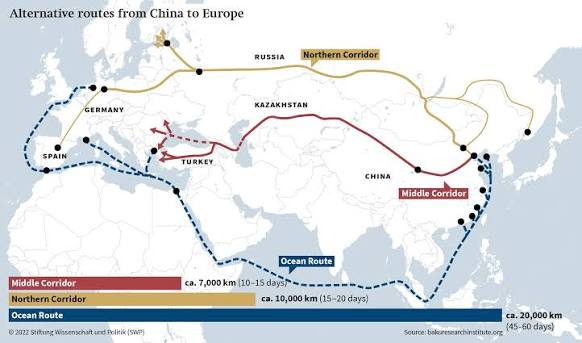
With the Hormuz choke closed, crude flows have rerouted north via Saudi’s 5.6 mn bpd East–West pipeline to Yanbu (Red Sea), and via eastbound rail/lifeboats to India. But the new threats jeopardize even these alternatives. In the Red Sea, the Bab el-Mandeb Strait is barely 18 mi wide and easily targeted by anti-ship missiles or mines. The Saudis report Houthis have mined or fired on ships near Bab al-Mandeb. Though Houthi claims of formally charging a “toll” were later denied, their blockade announcement and sinkings have chilled Red Sea transit: maritime intelligence shows ship traffic through Bab al-Mandeb at multi-month lows. For example, S&P data showed 41 crossings on Monday (20 Jul) vs only 29 after attacks on 22–23 Jul. Vessels now must either sail around Africa (adding ~$3–5/bbl in fuel cost per trip) or risk expensive war-risk premiums.
Likewise in Eurasia, the CPC terminal is a single hub: two 20-km subsea offloading buoys at Novorossiysk, supplied by a 1510 km pipeline from Kazakhstan. With 80% of Kazakh exports tied to it, there is no alternative shipment route short of costly Caspian transhipment to Baku–Tbilisi Ceyhan (capacity 20% of CPC) or eastward to China (limited capacity). Past shutdowns forced Kazakhstan to slash output. In July 2026, Ukrainian drone attacks on CPC tankers have repeatedly halted loading. Even a brief suspension hit an oil supplier seeking alternative deliveries to EU refiners. If the CPC remains offline for weeks, global crude markets could feel it despite spare OPEC capacity – prices jumped 1–2% on each attack report.
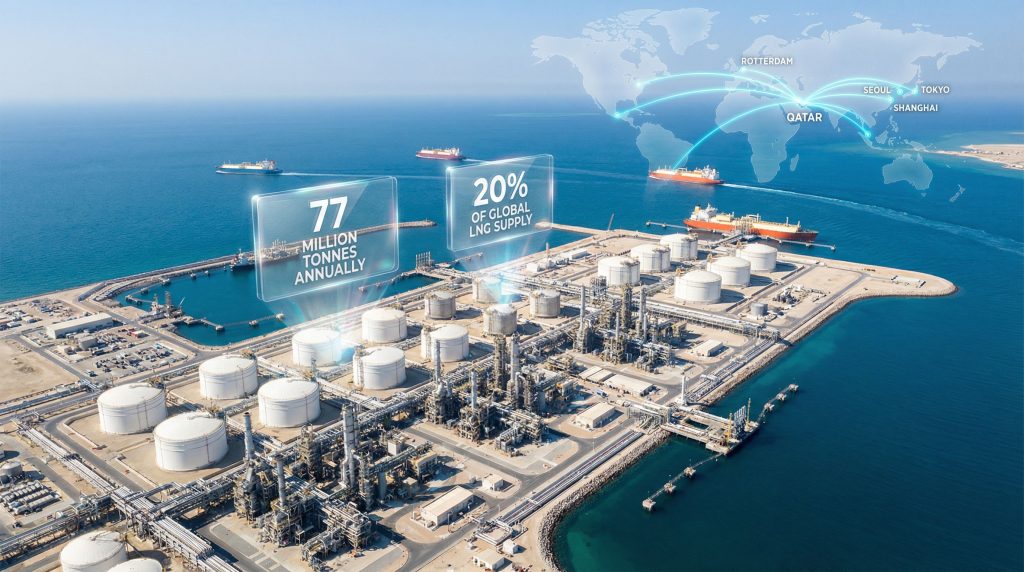
Other energy infrastructure also faces risks. Qatar and UAE – the world’s largest LNG exporters – have terminals on the Gulf. Hormuz closure and strikes (e.g. on a Qatari LNG tanker) will disrupt Qatari LNG flows, tightening Asian and European markets as IEA warned. Iran controls southern terminals; recent reports of explosions on Kharg Island(Iran’s oil export hub could (if credible) hint at escalation. Saudi’s Yanbu port (unconnected to Red Sea attacks by geography) now handles ~7% of global oil (once via Pipeline 1-2); its safe operation is vital. In sum, any chokepoint attack now risks a chain reaction: a Houthi mine or missile could scatter oil/lng cargo, a drone strike could sever a pipeline, and insurance “blacklisting” could freeze routes even if physically intact.
Geopolitical Drivers & Dynamics
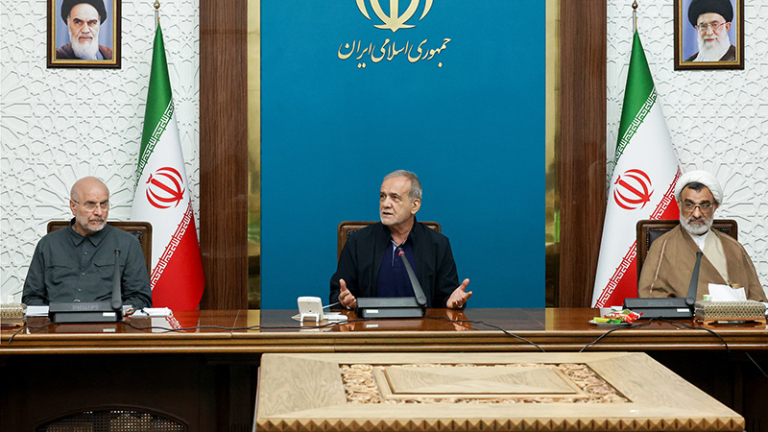
Several regional conflicts are intersecting. Iran’s strategy has been to leverage Hormuz closure as a bargaining chip – controlling a chokepoint that transits 20% of global oil. Reuters notes Tehran openly warned that Hormuz would stay closed until U.S. concession (the ceasefire terms) was fully honored. Meanwhile, Iran has essentially opened a second front: it encouraged the Houthis to attack Saudi exports from the Red Sea, saying they would close Bab al-Mandeb if Iran’s power grid was hit. This “axis of resistance” tactic ties Yemen’s civil war to wider Gulf politics. In practice, the Houthis appear aligned with Iran (Iranian advisors routinely visit Sanaa), but also test Saudi Arabia’s limits – they even attacked Najran airport in NW Saudi in early August 2026 (post this report).
In the Caspian theater, Ukrainian forces have justified hitting the CPC as targeting Russian oil, but the collateral is Kazakhstan. Kazakhstan walked a diplomatic tightrope (supporting Ukraine’s territorial integrity yet condemning strikes on its facilities). Russia, for its part, has condemned Ukraine’s attacks as market-destabilizing, implying escalation could draw NATO/EU attention given the pipeline’s Western investments (Exxon, Chevron). Thus European energy interests (nearly 2% of world oil) are also caught in the spillover, even though the CPC is far from the Middle East.
Each new attack has contagion risk beyond its locale. E3G analysts warn that “oil and LNG markets are globally interconnected, so disruption in one location can have rapid knock-on effects elsewhere”. For example, even if Bab al-Mandeb flow is rerouted, the extra tanker demand competes for limited global VLCCs, raising freight rates and premiums. And the mere threat of an attack can choke insurance: insurers preemptively halt coverage until risk subsides. The three chokepoints (Hormuz, Bab el-Mandeb, CPC/Black Sea) thus form a triad of vulnerability – a simultaneous crisis in all could blackout vast export volumes of crude and LNG, sparking a global energy shock.
Military/Naval Responses
To protect trade, several naval and security responses have mobilized. On 26 July, Saudi Arabia announced a 15-nation “Islamic Naval Coordination Task Force” for the Red Sea, including Bahrain, UAE, Jordan, Senegal, Egypt, etc. The US has since signaled participation, and European partners revived an 18-nation coalition (codenamed Aspides) to escort merchant vessels past Bab al Mandeb. These navies conduct convoy/escort operations and patrols to deter missile/drone attacks and mines. The UK reported intercepting Houthi missiles aimed at shipping in mid-July (not yet public record, but likely through security briefings). Oman meanwhile proposed an $200 transit fee through Hormuz under Omani control, essentially “managing” the choke point – a plan still embryonic.
On the Caspian, Russia deploys coast-guard vessels to patrol Novorossiysk (blocking foreign navies from entry by bilateral agreements), but Ukraine’s remote drone strikes have shown the vulnerability of so-called “secure” coasts. Kazakhstan has reached out diplomatically: it discussed CPC security with US Sec. of State Marco Rubio. The US has not directly intervened in CPC (to avoid escalation with Russia), but other measures (e.g. intelligence sharing, sanctions) may shore up CPC resilience.
Rules of engagement remain complex: Houthi attacks are aimed at flagged or chartered vessels linked to Saudi/GCC or US interests, leading Western ships to reflag under “neutral” countries and companies sometimes buy their own war-risk cover. Equally, NATO’s presence near Hormuz is sensitive: open conflict with Iran’s navy is a red line. Thus, responses so far are primarily defensive (shields, escorts) and punitive (US air strikes on IRGC assets to deter continuation).
Economic & Policy Responses
Governments and firms are scrambling for policy fixes. On supply, OPEC+ has agreed to raise output (~188 kb/d in Sept), and some countries are drawing on reserves: the US modestly released SPR barrels, while Japan and India have tapped strategic oil reserves to tame prices. The EU has sped up diversification: Spain’s Repsol just began loading a new FSRU gas vessel for LNG imports, partly to lessen CASPIAN reliance. More broadly, the energy industry is accelerating non-Middle-East sourcing: Japan signed a new 15-year LNG deal with the US (via Sakhalin) in July, after losing Qatari volumes to disruptions. China, too, has pivoted from Qatari LNG to Canadian imports in 2026, partly to sidestep Hormuz risk.
Insurance markets might receive government backstops. UK officials are reportedly discussing an “insurer war-risk facility” to subsidize coverage for vital Middle East trades. Likewise, Lloyd’s and P&I Clubs remain the primary channels, but maritime insurers have asked flag states to ensure escorts before deploying vessels. Some suggest governments co-insure certain routes or mandate convoys.
Diplomatic measures include heavier pressure on Iran (tougher sanctions, or linking Hormuz freedom to political deals). The recent Biden–Rouhani dialogues (through Oman) and Israeli Iranian prisoner swap talks imply that a diplomatic outlet still exists, though trust is low. Sanctions are more likely to widen: new EU/UK sanctions target “oil-smuggling networks” that lift Iranian crude at sea. Economic measures also extend to demand: some importers (like EU states) have increased biofuel blending mandates to displace oil, and have encouraged LNG-to-gas switches in power plants to absorb diverted gas supplies.
Finally, long-term resilience strategies are under review. As E3G emphasized, no country is immune to chokepoint risk. Many governments are now re-evaluating energy security plans: storing fuel reserves equivalent to several months, boosting renewable power to cut oil/gas dependency, and investing in alternative pipelines. For example, India is expediting a $10 bn oil pipeline from Iran’s Chabahar (if reopened), and the EU is revisiting a Trans-Caspian Pipeline (TAP II) from Azerbaijan to reduce CPC dependence. All these measures aim to turn “short-term shock absorbers” (like reserves or stockpiles) into “long-term exposure reducers” (diversification and low-carbon shifts) as recommended by experts.