The Jet-Drone Shock: Why Faster Shahed Successors Are Rewriting the Economics of Air Defence
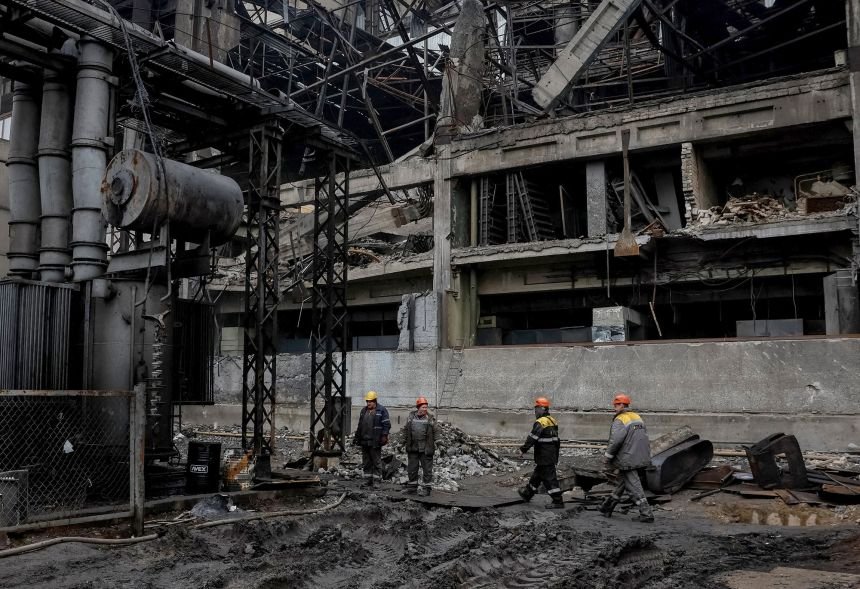
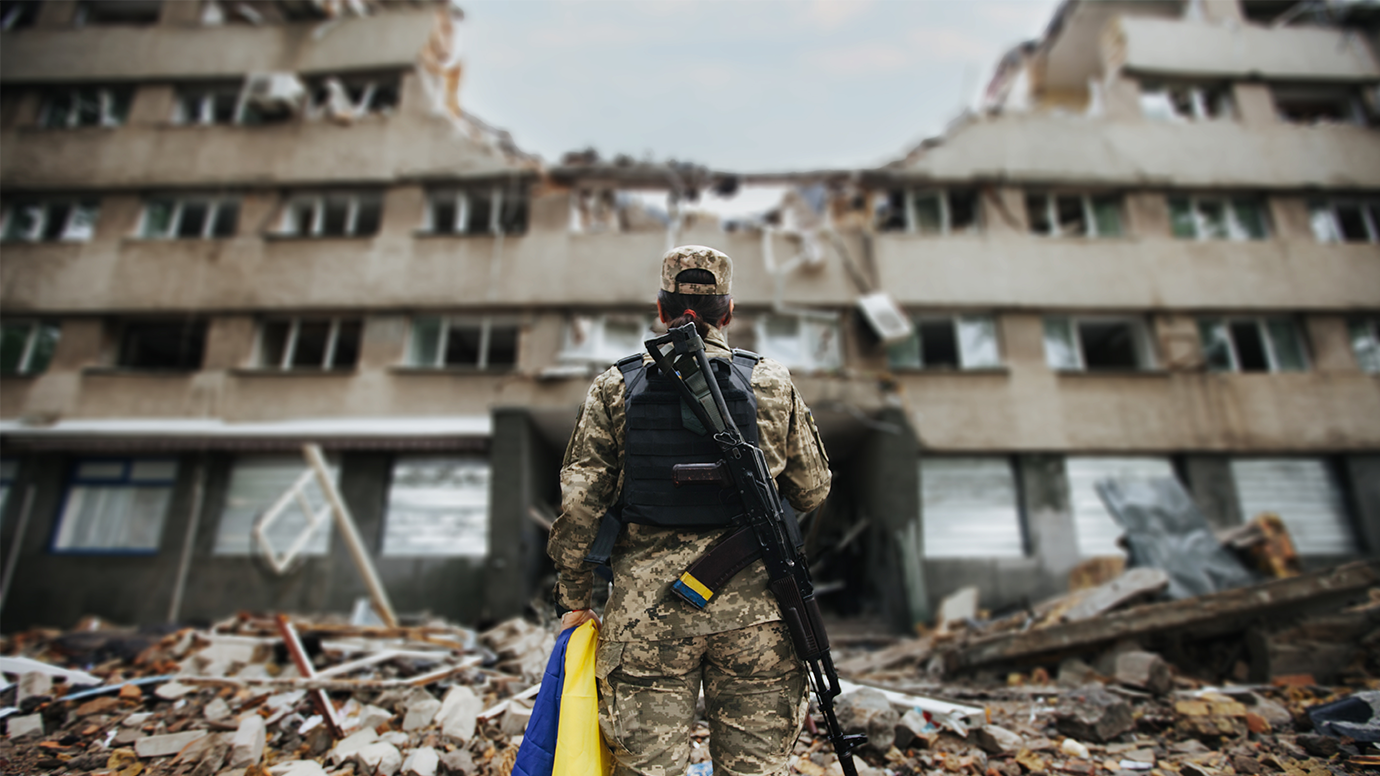
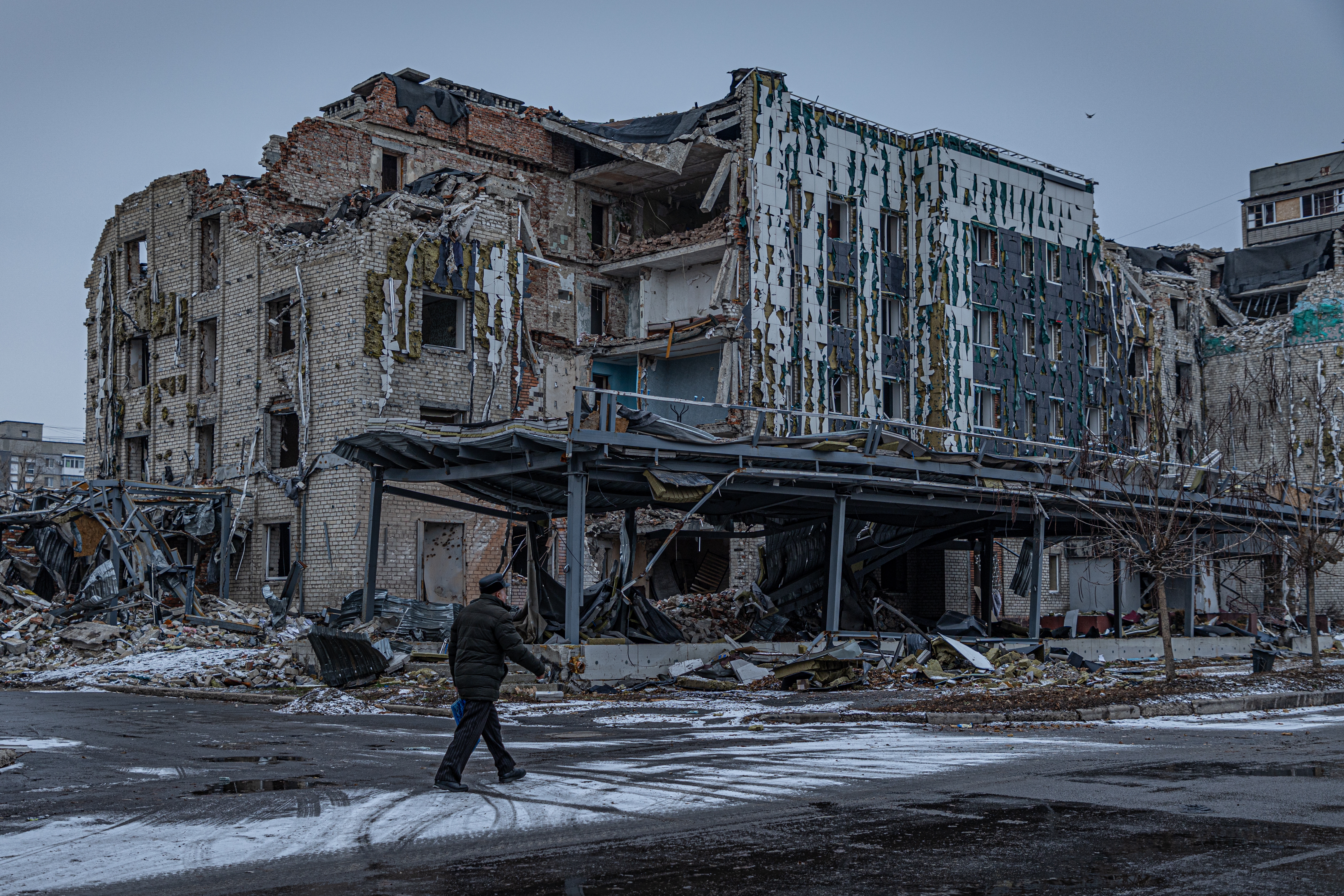
The Shahed threat is changing category. During the final four days of August 2026, President Volodymyr Zelenskyy said Russia launched nearly 1,500 drones at Ukraine and that more than half were jet-powered. Kyiv endured repeated daytime and nighttime alerts as faster weapons struck warehouses, industrial sites and residential areas. The significance was not simply another increase in volume. Russia was combining mass with speed, attacking the defensive model Ukraine had built to make the original propeller-driven Shahed economically manageable.
That model relied on a layered system. Electronic warfare diverted some drones. Mobile fire groups, machine guns and relatively inexpensive interceptor drones destroyed others. Fighters and surface-to-air missiles were available when lower-cost layers failed or when the threatened target justified a more expensive engagement. Jet-powered Geran variants compress that ladder. They shorten the time between detection and impact, reduce the area in which ground teams can engage, and make the geometry of a low cost drone interception far less forgiving. A defender that loses the cheap layer must reach sooner for scarce missiles, aircraft or more sophisticated interceptors.
The attacker therefore does not need a jet drone to be as cheap as the original Shahed. It only needs the additional speed to improve the probability of penetration, force a costlier response, or impose enough disruption that the higher unit price remains worthwhile. Public cost estimates are uncertain and different variants should not be treated as one weapon. Yet the strategic direction is clear: Russia is investing more in each airframe to make Ukraine spend more time, money and magazine depth defeating it.
Simple comparisons between the price of a drone and the price of the interceptor are inadequate. A costly missile may be rational if it prevents the destruction of a power station, ammunition depot or air-defence radar. The correct question is whether the defensive architecture can protect essential functions over a sustained campaign without exhausting its interceptors, crews or production base. Success must be measured in protected value, defended sorties and time to restore operations, not merely in the cheapest possible shot.
The answer is not one new interceptor. Ukraine and its partners need a counter-economy: distributed sensors, automated command-and-control, electronic warfare, guns, high-speed interceptor drones, passive protection, rapid repair and strict rules for reserving premium missiles for the threats that demand them. NATO's July 2026 commitment to invest more than $40 billion in counter-drone capabilities is a recognition of the scale of the problem. The real test is whether those resources create thousands of interoperable, replaceable effectors before the next Shahed successor changes the engagement again.
August made the transition visible
The original Shahed-136, known in Russian service as the Geran-2, was dangerous because it combined range, an explosive payload and a production cost far below that of a conventional cruise missile. Its slow speed was also a weakness. Ukraine learned to detect its acoustic and radar signature, track predictable routes and engage it with systems that did not consume the most valuable surface-to-air missiles. By April 2026, Reuters reported a national network of roughly a thousand interceptor-drone crews. Ukrainian officials said interceptor drones were destroying a growing share of long-range attack UAVs, while electronic warfare, mobile guns, helicopters, fighters and missiles provided other layers.
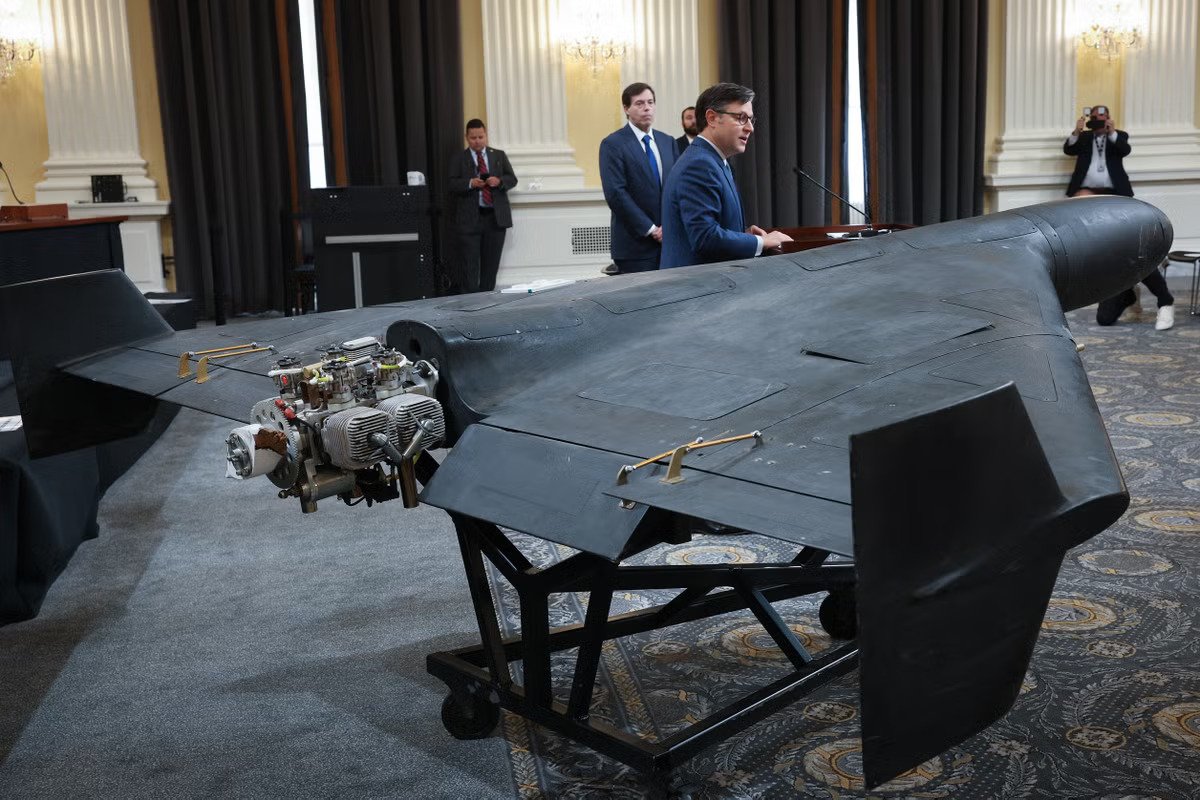
Russia adapted. The Geran-3 placed a turbojet engine into a modified Shahed-family airframe. Ukrainian Defence Intelligence assessed that the Chinese-powered version could fly at 300 to 370 kilometres per hour and had an operational range of about 1,000 kilometres. It reportedly used maximum speed selectively, including in areas covered by air defence and electronic warfare and during the terminal approach. That detail matters: the drone did not have to pay the fuel penalty of maximum speed for its entire journey to use velocity as a defensive countermeasure.
The Geran-4 represented a more deliberate redesign. In May 2026, Ukrainian intelligence said Russia had strengthened the airframe for high-speed manoeuvring and fitted more powerful turbojet options. It assessed a maximum speed of up to 500 kilometres per hour, a ceiling of approximately 5,000 metres and the ability to carry different warheads, with range declining when the heavier payload was used. These are Ukrainian intelligence assessments based on recovered systems, not independently verified manufacturer specifications. They nevertheless show a design process focused on defeating the defensive ecosystem that had emerged around the slower Geran-2.
By August, the transition was operational rather than experimental. Ukrainian Air Force spokesperson Yurii Ihnat said Russia used five times as many jet-powered UAVs in July as in June and that such systems accounted for as much as two-thirds of some strike packages. On 28 August, Zelenskyy said jet-powered Shaheds were specifically getting through and made strengthening defence against them a command priority. Days later, Reuters reported that more than half of nearly 1,500 drones launched over four days were jet-powered.
The exact model mix remains difficult to confirm. Wreckage is required to distinguish variants reliably, and official claims made during war deserve caution. The trend, however, is supported by the frequency of reported high-speed attacks, the changing composition of raids and Russia's continued redesign of the Geran family. The Shahed is no longer a fixed product. It is an evolving attack system built around the defender's latest solution.
Speed is an attack on the engagement cycle
Air defence is a sequence: detect, classify, assign, launch, acquire and destroy. A faster target compresses every stage. If a drone is detected at the same range but travels twice as fast, the defender does not merely lose half the flying time. It loses the time needed to resolve uncertainty, avoid engaging a decoy or civilian aircraft, select the appropriate effector, position a mobile team and recover from a failed first shot.
This is especially important at low altitude. Radar coverage is limited by terrain and the curvature of the earth. Buildings, forests and ground clutter can delay detection or complicate tracking. A propeller-driven drone may remain within a local engagement zone for several minutes. A jet-powered successor can cross the same zone before a crew receives a complete track, launches its interceptor and establishes visual contact. The coverage footprint of each team therefore shrinks even if its equipment has not physically changed.
Speed also changes interception geometry. A low-cost drone interceptor does not need missile-like performance when it can be positioned ahead of a slow target and guided into a favourable crossing path. Once the attacker approaches or exceeds the interceptor's maximum speed, the defender becomes dependent on early warning and precise cueing. A tail chase may be impossible. A late launch may have no valid intercept point. More crews and more launch sites are required to cover the same territory, which raises the system cost even if the individual interceptor remains inexpensive.
The effect extends beyond the hard-kill layer. Electronic warfare works only if the target's navigation or communications can be disrupted in time and in the relevant frequency bands. Updated inertial navigation, protected satellite receivers, mesh communications and terminal sensors can reduce the consistency of jamming. Guns still offer inexpensive shots, but their effective engagement envelope is short and the firing solution becomes harder as speed and altitude rise. Fighters can engage fast drones, yet every sortie consumes fuel, maintenance hours, aircrew availability and weapons that may be needed against cruise missiles or aircraft.
The strategic value of speed is therefore decision compression. It forces a defender to make more consequential choices with less information. An attacker can exploit that pressure by mixing slow and fast drones, decoys, missiles and different flight profiles in the same package. The defender must decide which tracks are genuine, which targets are threatened and which interceptor inventory can be risked before the raid reveals its full design.
The cheap defensive layer is losing geometric margin
Ukraine's interceptor-drone model was an answer to an otherwise unfavourable exchange. Reuters reported in April that conventional Shahed production was estimated at around $35,000 per airframe, while Ukrainian interceptor drones cost several thousand dollars and the cheapest models less than $1,500. These figures are estimates rather than audited prices, but the order of magnitude explains the attraction. A large network of disposable drone hunters could absorb raids without depleting missile stocks reserved for more demanding threats.
The model was never as simple as one cheap interceptor for one Shahed. Crews require sensors, vehicles, communications, launch equipment, maintenance, training and enough density to place an effector in the right location. Weather and visibility affect electro-optical acquisition. Some interceptors miss, and several may be launched against one target. Even so, the architecture could distribute thousands of relatively inexpensive shots across a wide area.
Jet-powered attackers target the narrowest part of that architecture: the performance margin between hunter and target. Reuters reported that an early Ukrainian interceptor became ineffective after Russia increased Shahed speed from about 170 to more than 200 kilometres per hour. Ukrainian developers then pushed interceptors toward 300 kilometres per hour, only to face jet variants reportedly capable of around 400 kilometres per hour or more. The contest resembles a moving treadmill. Faster motors require larger batteries or different propulsion; both increase weight, heat, cost and manufacturing complexity. Higher closing speeds increase the need for automated terminal guidance because human reaction and video latency consume a larger share of the available engagement window.
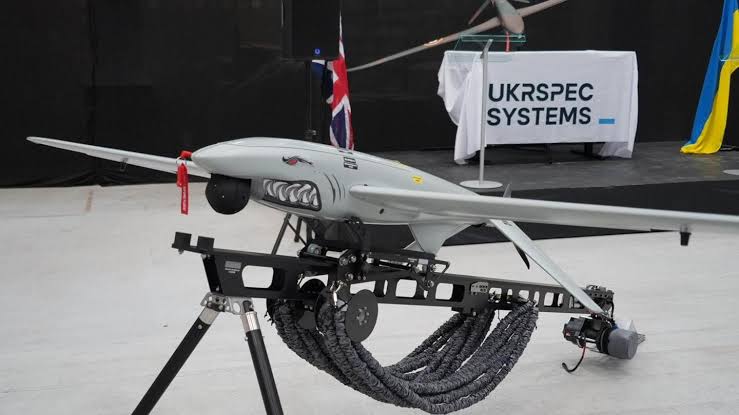
Ukraine is responding. The Ministry of Defence has authorised high-speed systems such as JEDI Shahed Hunter, which it says can exceed 350 kilometres per hour and receive automatic radar cueing. The combat tested Octopus programme has been licensed across multiple manufacturers, with an April order for 8,000 interceptors. In June, the ministry reported combat tests of technology automating 95 percent of the interception cycle. By the end of August, Ukraine's defence minister said four potential interceptors for jet powered drones had been tested, with a goal of eventually producing thousands.
These developments are significant, but they do not permanently restore the old economics. A faster interceptor will generally cost more and may cover less distance or remain airborne for less time. Jet propulsion can restore closing speed but adds a turbine, fuel system, thermal signature and new production dependencies. Reusability after a missed engagement may reduce lifecycle cost, yet recovery also complicates design. The cheap layer can survive, but only as a continuously renewed industrial system rather than a one-time procurement.
Why the attacker can spend more and still improve the exchange
The usual story of drone warfare contrasts a cheap attacker with an expensive defensive missile. Jet powered Shahed successors complicate that picture because the attacker is deliberately raising the cost of the air vehicle. This is not a contradiction. Cost effectiveness depends on the effect produced, not on achieving the lowest possible unit price.
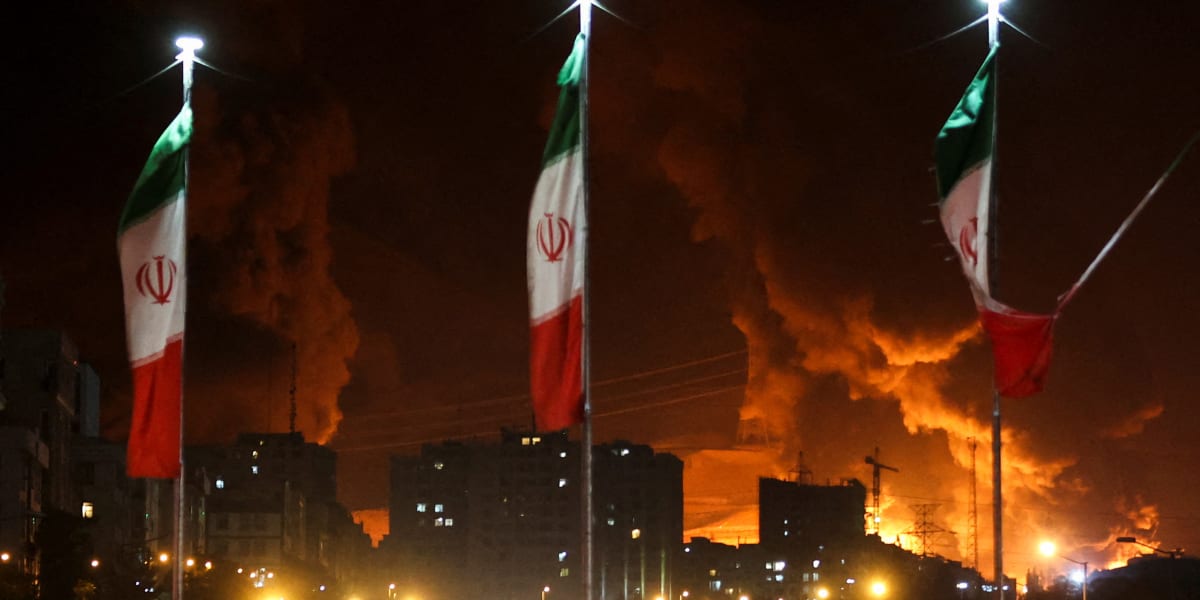
A faster drone can create value for Russia in at least four ways. It can increase the probability that the warhead reaches its target. It can compel Ukraine to use a more expensive interceptor. It can force the defender to spread crews and sensors more densely. It can also impose disruption without a direct hit: closing airspace, halting trains, keeping emergency services under cover and sustaining air-raid alerts through the day. The late-August campaign around Kyiv showed this wider effect as repeated alerts interrupted commuting and attacks struck logistics, retail and industrial facilities.
The attacker also gains information. Mixed raids reveal which tracks trigger high-end missiles, which corridors remain covered by mobile teams and how quickly a new defensive system is deployed. Decoys and slower Gerans can occupy sensors while jet variants exploit the resulting gaps. Even a drone that is destroyed can contribute to the campaign if it forces an air-defence battery to radiate, causes a fighter scramble or consumes an interceptor that cannot be replaced at the same rate.
For that reason, the relevant exchange is not the purchase price of one attacking drone against one defensive round. It is the marginal cost of generating a successful defensive outcome over an entire raid and then repeating that performance for months. A jet drone may be several times more expensive than a propeller version and still be economically rational if it reliably displaces the defender into a missile tier costing far more, or if a small increase in leakage threatens targets worth millions.
Russia does not need every airframe to be jet-powered. A mixed fleet may be more efficient. Slow drones preserve volume and endurance. Decoys thicken the radar picture. Jet variants attack time-sensitive or well-defended targets and accelerate through defended zones. Cruise and ballistic missiles exploit the attention and magazine depletion created by the drones. The campaign becomes a portfolio in which each weapon is designed to change the defender's allocation problem.
Interceptor price is the wrong denominator
Cost-exchange comparisons are useful warnings, but poor decision rules. A surface-to-air missile that costs more than its target is not automatically wasted. If the engagement prevents the destruction of a transformer, an ammunition stockpile, a command post or an air-defence radar, it may protect value many times greater than the interceptor price. It may also save lives and preserve an operational function whose loss cannot be repaired quickly. The opposite is also true. A very cheap defensive shot is not a bargain if its probability of kill is low, its sensor network is unaffordable, or it requires so many crews that the architecture cannot be scaled. An interceptor that costs $2,000 but needs several launches per target and dense deployment may impose a larger system cost than its sticker price suggests. The unit of analysis must therefore move from cost per shot to cost per defended effect.
Three measures are more useful. The first is protected value: what human, military, economic or infrastructure consequence was avoided? The second is defended sortie cost: what did the complete system spend to detect and defeat the raid, including sensors, effectors, aircraft hours and failed engagements? The third is campaign endurance: how many comparable nights can the defender sustain before stocks, crews or maintenance capacity become the limiting factor?
These measures justify discrimination. A jet drone on a path toward an occupied city centre, nuclear facility or strategic airbase may warrant the best available interceptor. A drone crossing open terrain toward a hardened, dispersed or decoyed target may not. Commanders need rules that incorporate target value, confidence in the track, probability of kill, available lower-tier effectors and the expected composition of the remaining raid. Automation can help rank choices, but political and military authorities must decide the risk tolerance in advance. The most important magazine is not always physical. Operator attention, radar duty cycles, aircraft maintenance and public tolerance are also finite. Russia's near-continuous late-August attacks demonstrated how a campaign can create cumulative exhaustion even when reported interception rates remain high. A defender can win most tactical engagements and still lose economic initiative if every night costs more to defend than the attacker spends to generate pressure.
Jet propulsion creates trade-offs, not invulnerability
Faster Shahed successors should not be treated as unstoppable cruise missiles. Jet engines increase fuel consumption and cost. Depending on configuration, they can reduce range or payload. Their heat and acoustic signatures may improve detection by infrared or passive sensors. Higher speed makes sustained turns and low-altitude manoeuvre more demanding, while stronger airframes and thermal protection add weight. A system optimised for a fast terminal dash may remain slower during other phases of flight.
These trade-offs create opportunities. Passive acoustic and infrared arrays can supplement radar and provide earlier classification. Distributed sensors can create a track before the target enters the defended site's immediate zone. Better cueing lets a slower interceptor launch ahead of the threat rather than attempt an impossible chase. Guns and short-range missiles can be positioned at predicted approach corridors, while electronic warfare can be concentrated against the guidance configurations most susceptible to it.
Attackers also face industrial constraints. Small turbojets require specialised materials, bearings, control electronics and quality assurance. Ukrainian intelligence has repeatedly identified foreign components and Chinese engines in Russian Geran variants. Sanctions and export controls will not eliminate supply, but targeted action against high-consequence components can raise cost, reduce reliability and slow redesign. Strikes or disruption against production, storage and launch infrastructure can be more efficient than waiting to defeat every completed airframe in flight.
The objective is not to find a permanent technical answer. No such answer exists in an adaptive contest. It is to create multiple defensive problems so that Russia cannot improve one parameter - speed - and invalidate the entire architecture. A jet drone should face passive protection if it penetrates, jamming where it remains vulnerable, a drone interceptor where geometry permits, guns at close range and missiles only when the target value or threat class demands them.
Build a counter-economy, not a single counter-drone
A sustainable air-defence model begins with information. Cheap effectors are useful only when they receive accurate, timely tracks. Ukraine and its partners should prioritise distributed radar, acoustic, electro-optical and infrared sensors connected through a resilient data layer. The system must fuse uncertain observations, classify likely variants and send a usable intercept point directly to the nearest crew. Seconds saved in command-and-control may be cheaper than buying additional speed for every interceptor.
The second requirement is a family of effectors. Electric interceptors remain suitable for slow drones, decoys and favourable geometry. Faster propeller or jet interceptors are needed for the high-speed tier.
Electronic warfare should be matched to known guidance and communication systems rather than treated as a universal solution. Automatic cannon, programmable ammunition and short-range missiles can protect fixed high-value sites. Fighters and premium surface-to-air missiles should remain available for leakage, mixed raids and targets whose consequences justify the expense.
The third requirement is passive defence. Dispersed stocks, hardened shelters, camouflage, decoys, redundant power connections and rapid-repair teams reduce the return from any drone that penetrates. This is part of air-defence economics, not an admission of failure. If a $50,000 warhead destroys a visible decoy rather than a unique radar or transformer, the defender has reversed the exchange without firing an interceptor. If a warehouse can continue operating from distributed sites after a strike, the attacker must spend more to achieve the same disruption.
The fourth requirement is modularity. Sensors and effectors should connect through open interfaces so a new interceptor can be added without replacing the command network. The same track should be usable by a drone crew, gun system, fighter or missile battery. NATO's Layered Counter-UAS Initiative and the NATO Support and Procurement Agency's 2026 framework contracts point in this direction by emphasising common command-and-control, modular sensing and a choice of electronic and hard-kill effects.
Finally, procurement must reward learning speed. Contracts should buy production options, software updates, replacement components and rapid testing, not freeze a design for a decade. Front-line performance data must return quickly to manufacturers without exposing sensitive operations. Several suppliers should be qualified for critical components so one factory failure or sanctions bottleneck does not collapse the defensive layer. The architecture that wins will be the one that can change at the speed of the threat.
Production, not maximum performance, is the decisive race
The ideal interceptor on a test range is irrelevant if it cannot be produced in the quantities demanded by a saturation campaign. Reliability, ease of assembly, battery or engine availability, operator training and repairability matter as much as headline speed. A defensive system must survive thousands of launches, not one demonstration.
Ukraine has already shown the value of industrial distribution. The Octopus programme was licensed across a network of Ukrainian producers, allowing a combat-tested design to be manufactured beyond a single company; an April 2026 procurement covered 8,000 interceptors. This model creates resilience and volume, although it also demands strict standards, secure software and quality control. Jet-powered threats will raise the industrial bar. A defender may need some jet interceptors, but it cannot afford to make every engagement dependent on a miniature turbine. The economic objective should be the lowest-cost effector that retains sufficient speed, guidance and probability of kill for a defined threat band. That means preserving electric and gun-based layers even as faster systems enter service. It also means designing expensive components for recovery where practical and making disposable parts simple enough for mass production.
Magazine depth should be specified as a rate, not only as a stockpile. A warehouse of interceptors can be depleted; a production system that replaces them each week is a campaign asset. NATO's 2025 air and missile defence policy, 2026 counter-drone investment and new procurement frameworks all point toward layered, resilient defence. The next step is to translate those principles into orders large and predictable enough for manufacturers to invest in capacity.
The warning for NATO is wider than Ukraine
NATO bases, ports, power systems and reinforcement corridors face the same economic problem on a different scale. A jet-powered one-way attack drone occupies an uncomfortable space between the inexpensive loitering munition and the conventional cruise missile. It is fast enough to stress point defence but potentially cheap enough to use in volume. An adversary could mix such weapons with decoys and missiles to force European air defences to expose sensors and consume premium interceptors before the most dangerous threats arrive.
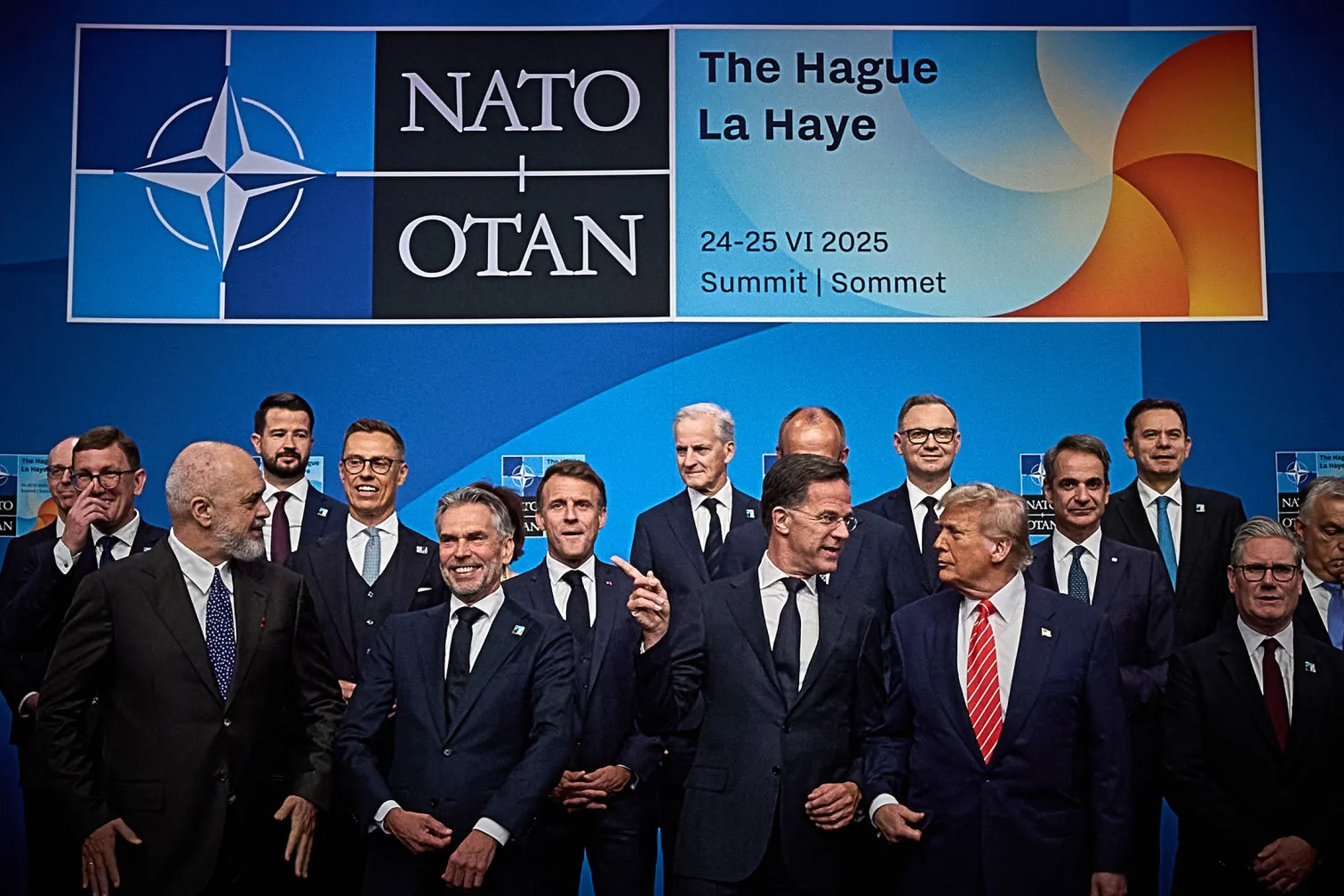
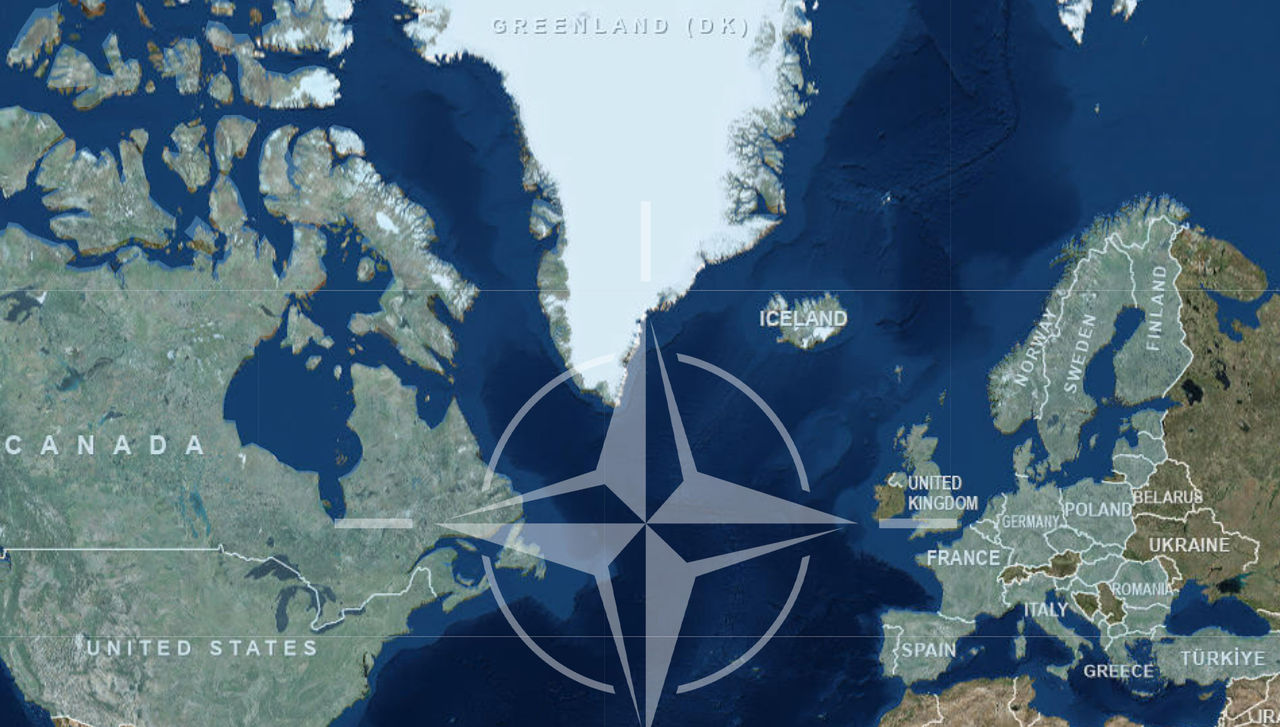
The Alliance has begun to respond. NATO's integrated air and missile defence policy calls for a layered architecture against threats ranging from small UAVs to ballistic and hypersonic missiles. In July 2026, Allies announced more than $40 billion in counter-drone investment over five years, a procurement marketplace and a goal of training five times as many drone operators by the end of 2027. NSPA also established framework contracts built around a common command-and-control backbone and modular sensors and effectors.
Money alone will not solve the problem. If each country buys a separate proprietary system, the Alliance may acquire equipment without creating a coherent defensive network. Europe needs shared track standards, common test conditions, cross-border warning procedures and interchangeable effectors where possible. Procurement should include realistic trials against low-flying, high-speed and mixed salvos rather than slow quadcopters alone. NATO should also treat counter-drone defence as an industrial mobilisation task. The relevant outputs are not only launchers and radars, but interceptors per month, trained crews per site, repaired systems per week and the percentage of critical nodes able to operate after penetration. Ukraine's experience shows that the attacker will change speed, route, altitude, guidance and raid composition as soon as a defence becomes effective. Alliance readiness depends on a supply and learning system that expects that adaptation.