The Evolving Russia-Ukraine Conflict: How Winter Preparations Are Shaping Diplomacy and Defense
The Cold Front of Modern Warfare
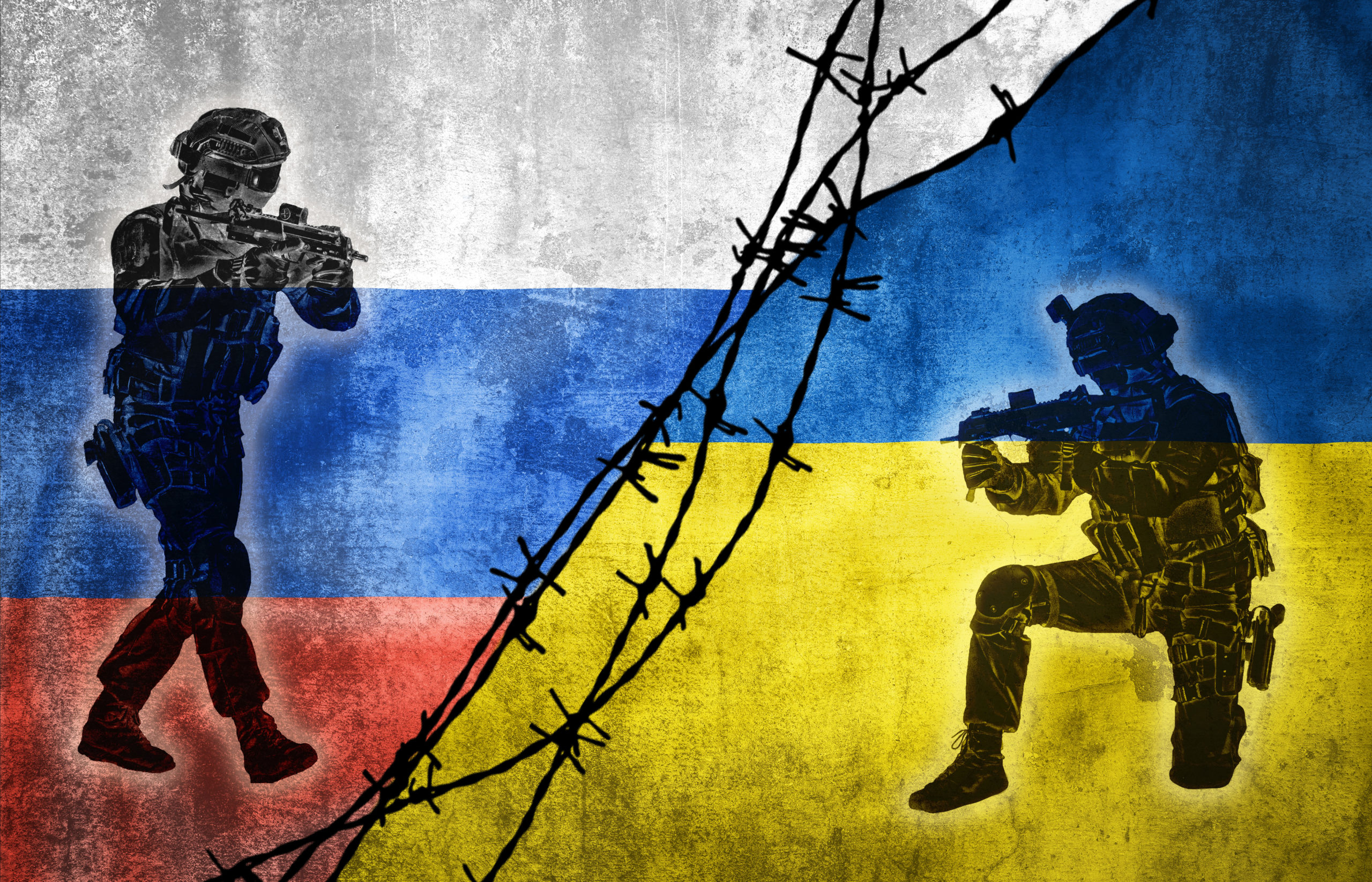
As the Russia-Ukraine conflict enters another winter in 2025, both nations confront a battle that extends far beyond the front lines. Winter has emerged as an unpredictable and formidable force, influencing military operations, civilian survival, and diplomatic maneuvering. This period is not merely a season of low temperatures but a strategic phase where energy systems, humanitarian endurance, and tactical decisions intertwine to define the trajectory of war. The harsh climate has become an active participant in the conflict, reshaping strategies on both sides and testing the resolve of nations and their allies [1][2].
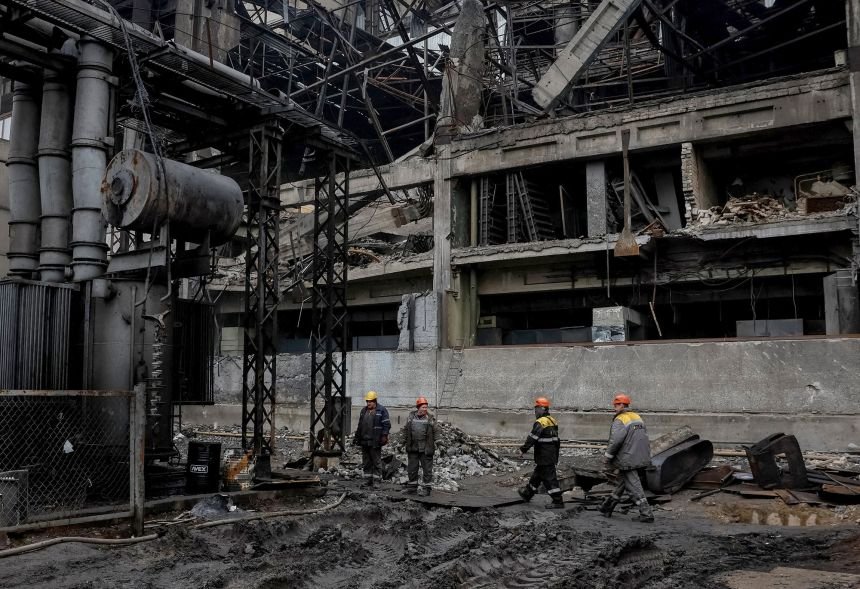
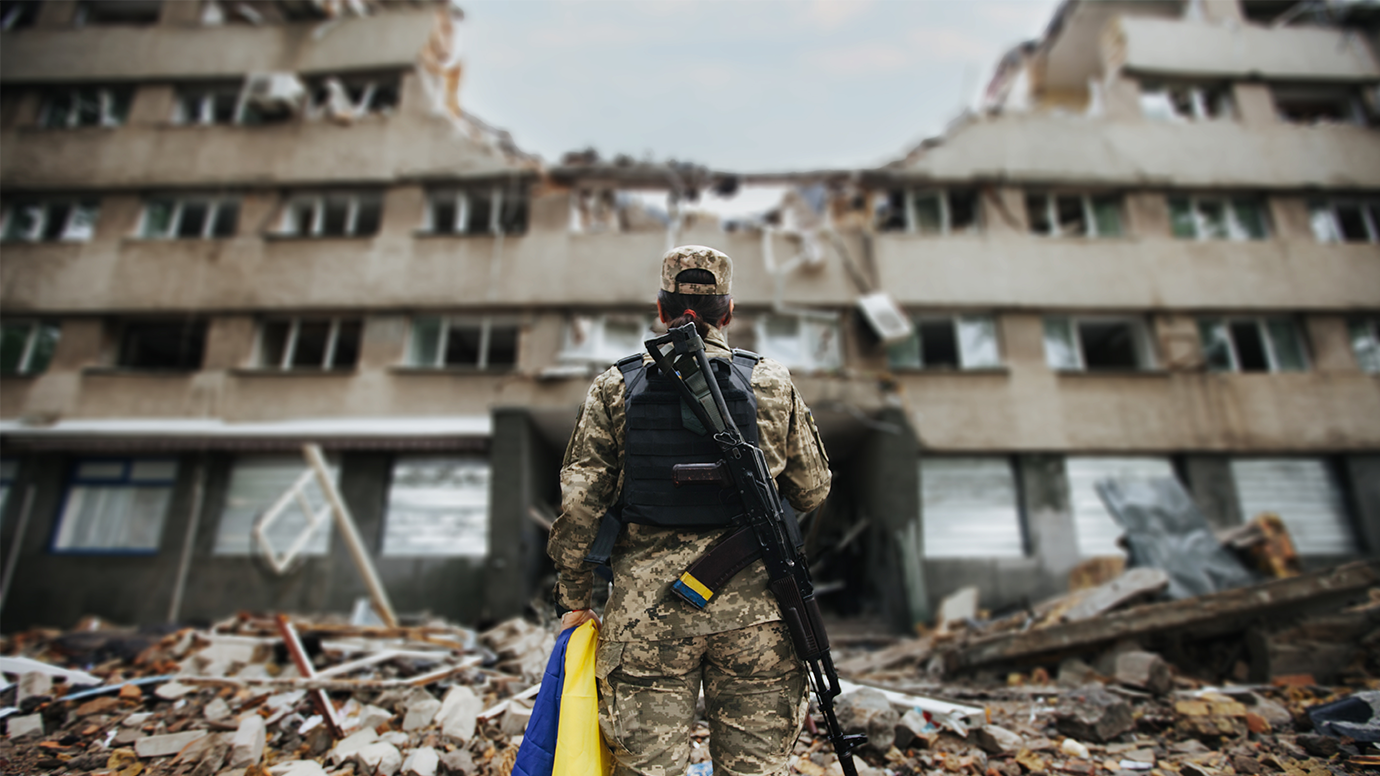
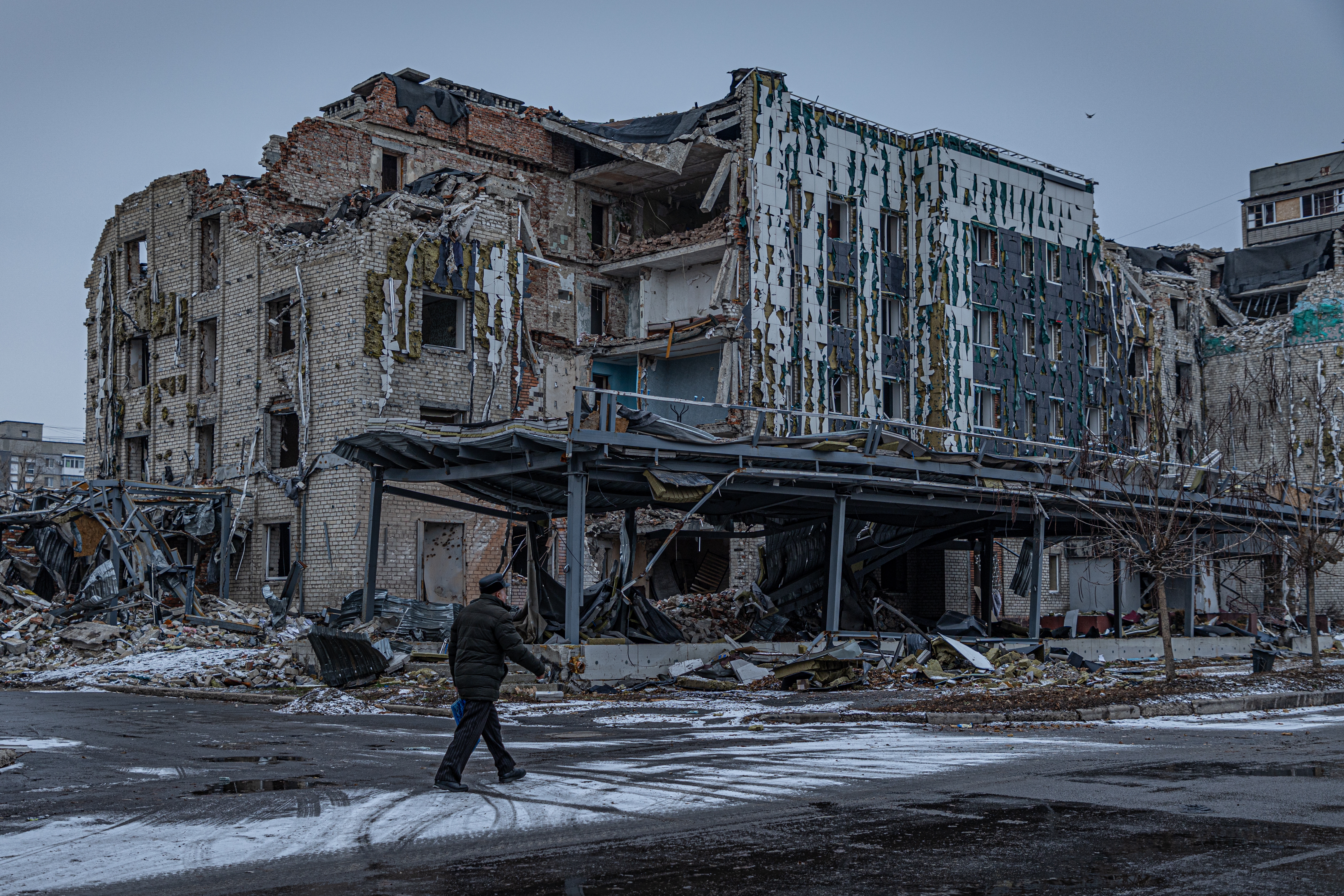
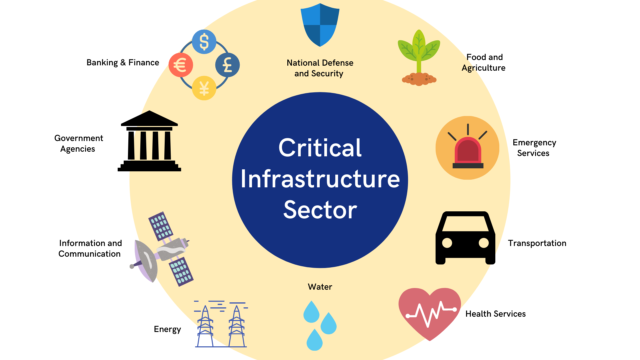
Millions of civilians face life-threatening challenges as temperatures drop, power grids falter, and critical infrastructure comes under attack. In this environment, every strike and negotiation carries amplified consequences. Understanding winter’s evolving role is key to grasping how modern conflicts adapt to environmental realities, blending climate, technology, and politics into a single narrative of survival and strategy.
Russia’s Winter Strategy: Energy Warfare and Tactical Innovation
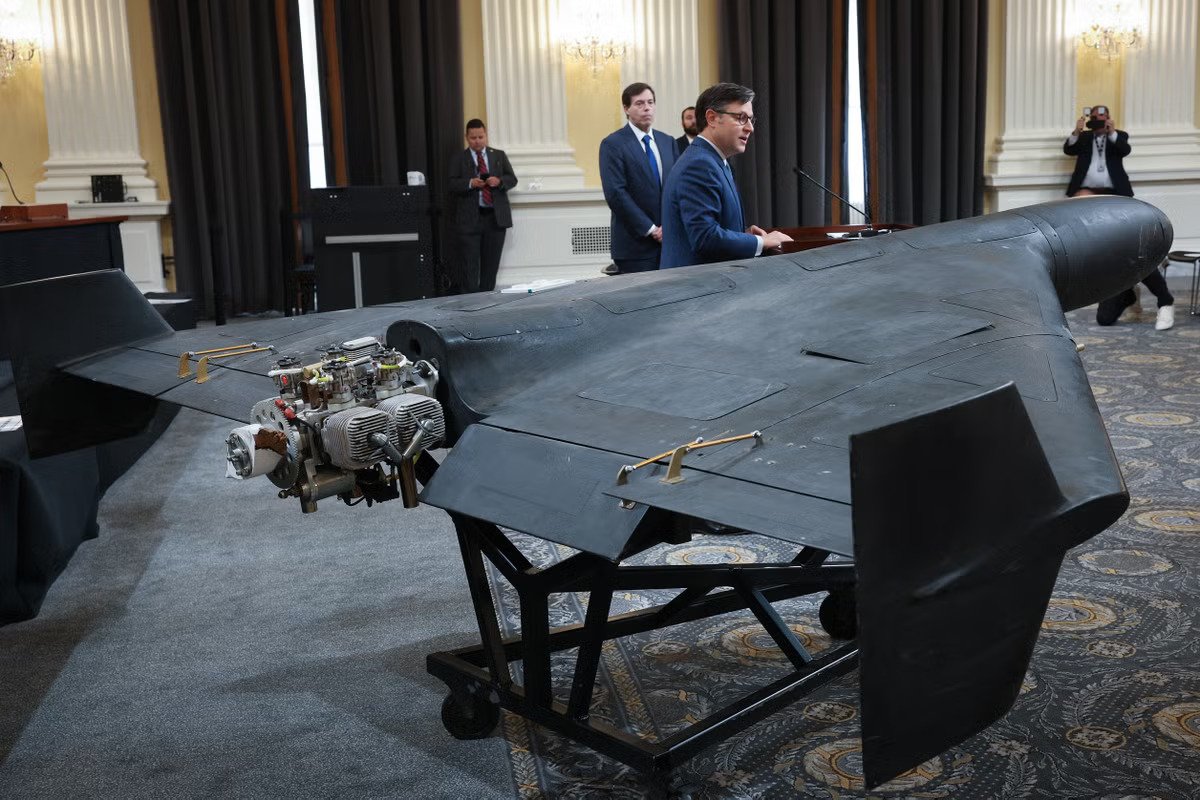
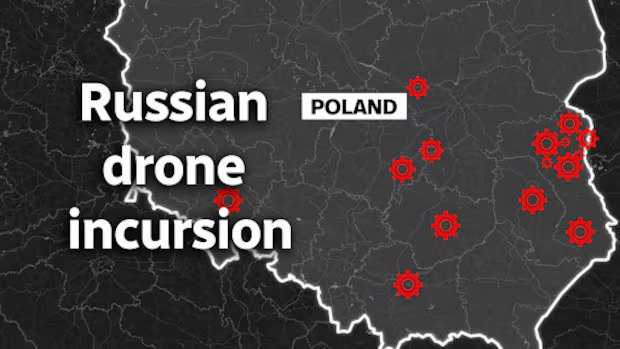
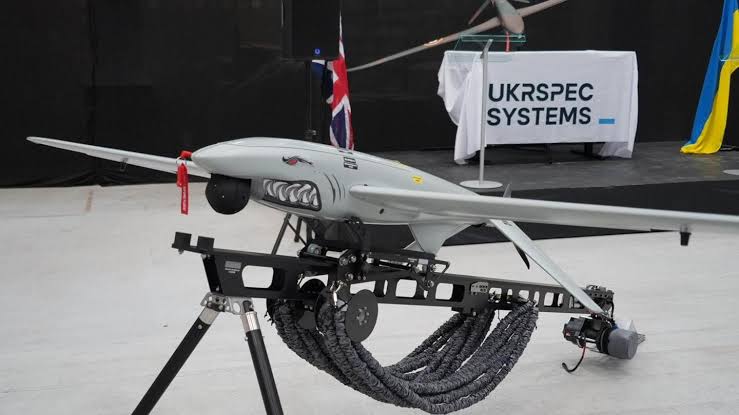
Russia has adapted its tactics for winter warfare, centering its focus on Ukraine’s energy infrastructure. According to independent military assessments, Moscow’s approach now includes drone swarms and precision missile strikes aimed at power grids, gas facilities, and repair hubs [11][12][13]. This campaign seeks to undermine Ukraine’s capacity to provide heat and electricity to its citizens, thus creating internal pressure on Kyiv’s leadership.
Reports indicate that in recent weeks alone, over 380 drones have been launched in overnight assaults, while missile barrages have increased in both frequency and sophistication [13][16]. The updated drone technology allows Russia to bypass radar defenses through erratic flight patterns and software recalibration. These attacks have caused rolling blackouts across major Ukrainian cities, disrupting hospitals, schools, and essential services. The strategy mirrors last year’s energy offensives but with greater coordination and intent to maximize psychological and logistical strain [14][15].
Analysts describe this as a form of energy warfare, a calculated effort to transform the civilian energy grid into a military target. While effective in straining Ukraine’s systems, it raises ongoing debates about the legality and morality of targeting infrastructure vital for civilian survival [14]. Moscow defends its operations as legitimate military objectives, while international observers argue they breach humanitarian law, underscoring the tension between strategic necessity and civilian protection.
Ukraine’s Winter Resilience: Defending Energy and Civil Life
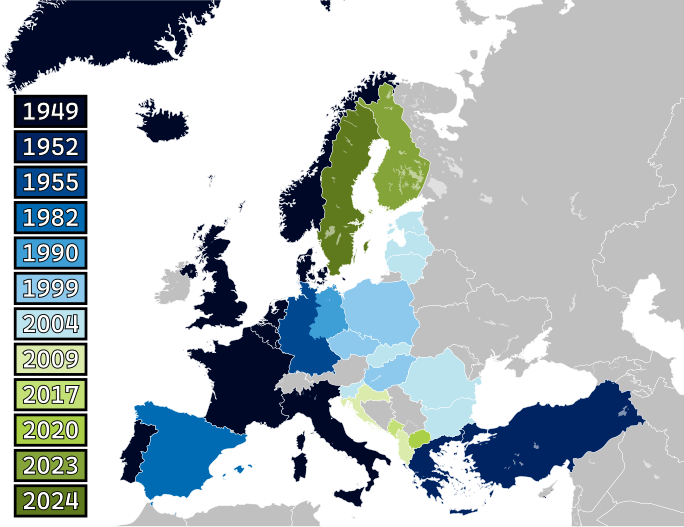
Ukraine’s response combines military resilience with civilian preparedness. Over the past year, Kyiv has intensified its efforts to integrate its power grid with European systems, diversify energy imports, and construct decentralized backup power sources [12][17]. Repair crews are now trained for rapid deployment under combat conditions, often restoring grid sections within hours after attacks. These initiatives have reduced the average blackout duration and bolstered civilian morale in areas most exposed to strikes.
On the civilian front, Ukraine has expanded local resilience networks. Communities have built emergency shelters equipped with heating, food supplies, and medical aid. Public education campaigns teach citizens how to survive extended outages, from insulating windows to conserving energy during critical shortages [15][18]. This civil defense model blends grassroots organization with state coordination, showcasing how non-military preparedness can influence the endurance of a nation under siege.
Ukrainian forces have also adjusted their combat logistics for the winter terrain. Troop rotations now account for exposure risks, and supply lines are reinforced with winterized vehicles and portable power systems. Lessons from previous winters inform these adaptations, allowing the military to sustain operations despite freezing conditions [17]. Such integration of environmental awareness into military planning demonstrates the evolution of modern warfare under climatic pressure.
Winter as a Strategic and Climatic Factor
The influence of winter on warfare is not new. From Napoleon’s failed invasion of Russia in 1812 to the Eastern Front during World War II, harsh winters have historically shifted the course of conflicts. Yet, in the twenty-first century, winter acts not as an isolated hardship but as a strategic component woven into the fabric of modern military planning.
Both Russia and Ukraine exploit winter in distinct ways. Russia leverages cold weather to magnify the effects of its energy strikes, betting that darkness and cold will erode Ukrainian resilience [19]. Conversely, Ukraine uses the season to rally domestic and international support, framing its endurance as both a humanitarian and moral victory. Aid convoys from Europe have begun delivering energy equipment, fuel reserves, and heating infrastructure as part of a coordinated relief effort [18].
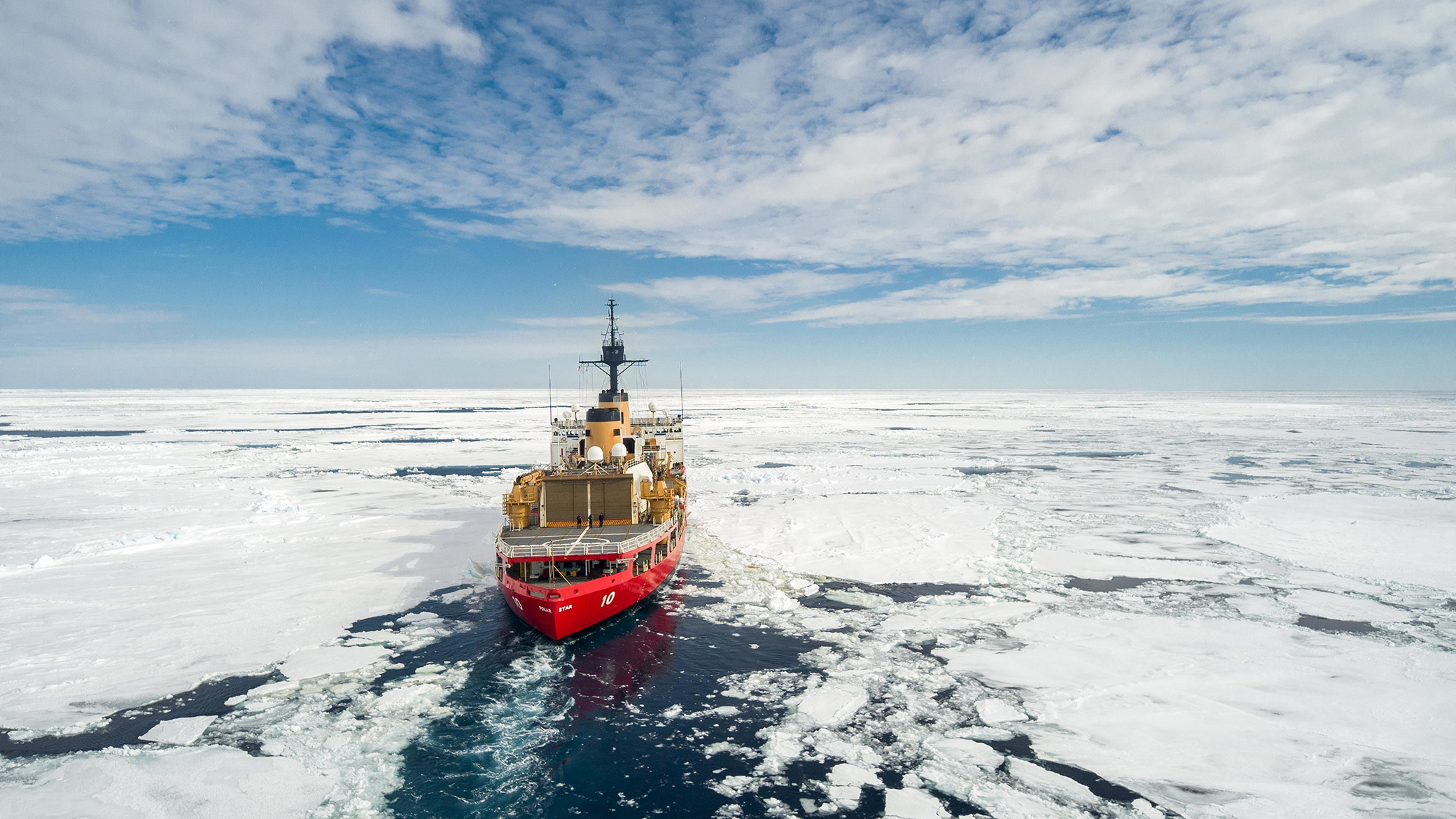
The environment has thus become a dual weapon and shield. Snow, ice, and subzero temperatures limit troop mobility and complicate offensive maneuvers but also protect entrenched positions. Supply chain disruptions, frozen terrain, and the logistical demands of winter sustain a balance where neither side gains an overwhelming advantage. This equilibrium reinforces the notion that climate has reemerged as a defining element in the calculus of contemporary conflict.
Diplomatic Deadlock and the Role of Winter Pressure
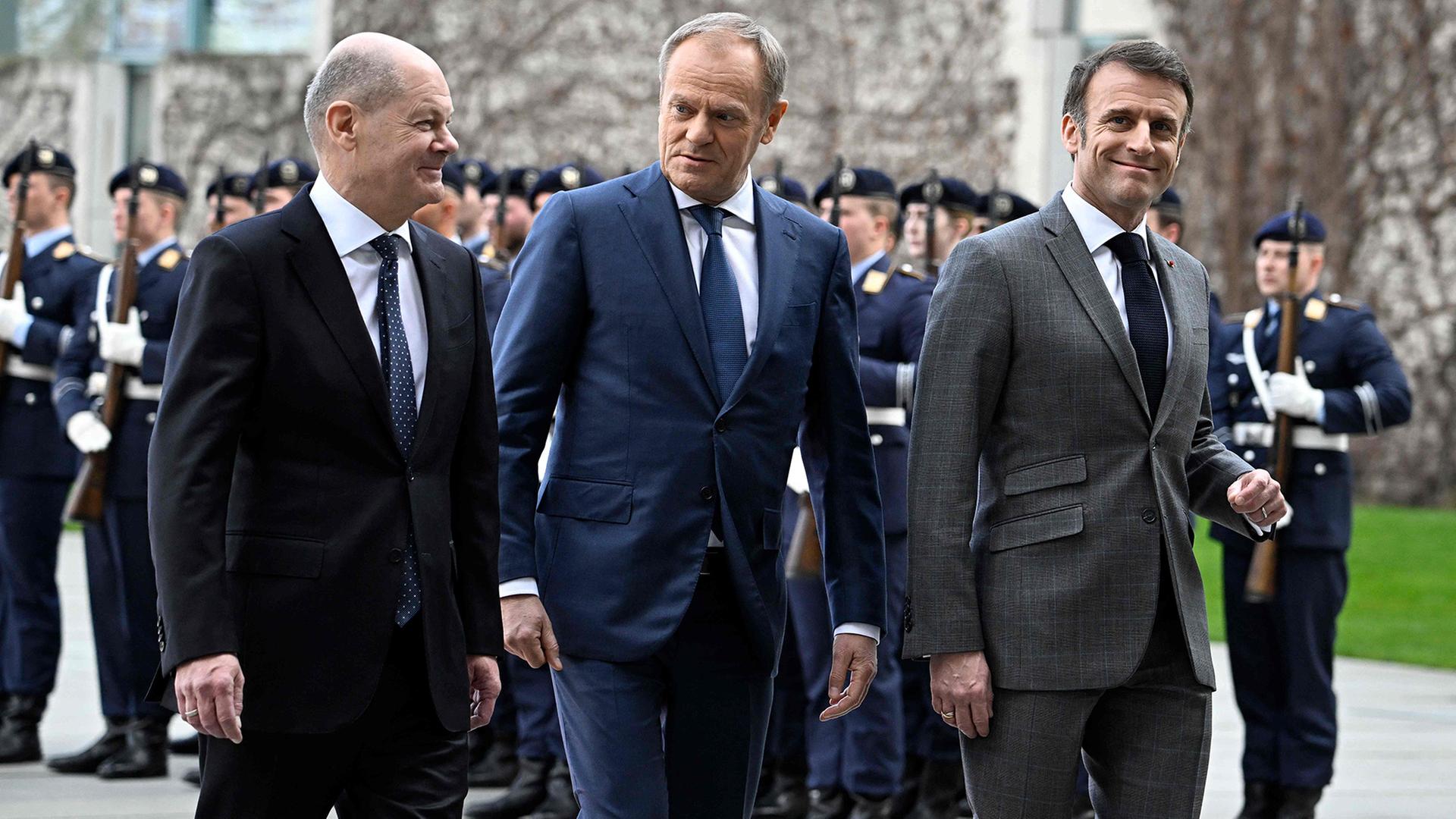
While battles intensify on the ground, diplomatic progress remains stagnant. Attempts at mediation involving key global actors have yielded minimal outcomes. The postponement of high-level summits between Russia and international mediators underscores a growing diplomatic paralysis [20][21]. Both sides perceive winter as a leverage point, Russia to compel concessions through hardship, and Ukraine to appeal for greater Western solidarity under humanitarian grounds.
This diplomatic standoff reveals how climatic conditions intersect with political calculations. Moscow’s use of energy as a pressure tool is not limited to Ukraine; it reverberates across Europe, influencing gas prices, heating supplies, and broader geopolitical dynamics [22]. Meanwhile, Kyiv positions itself as a front-line defender of European stability, arguing that its resilience under energy assault safeguards regional security.
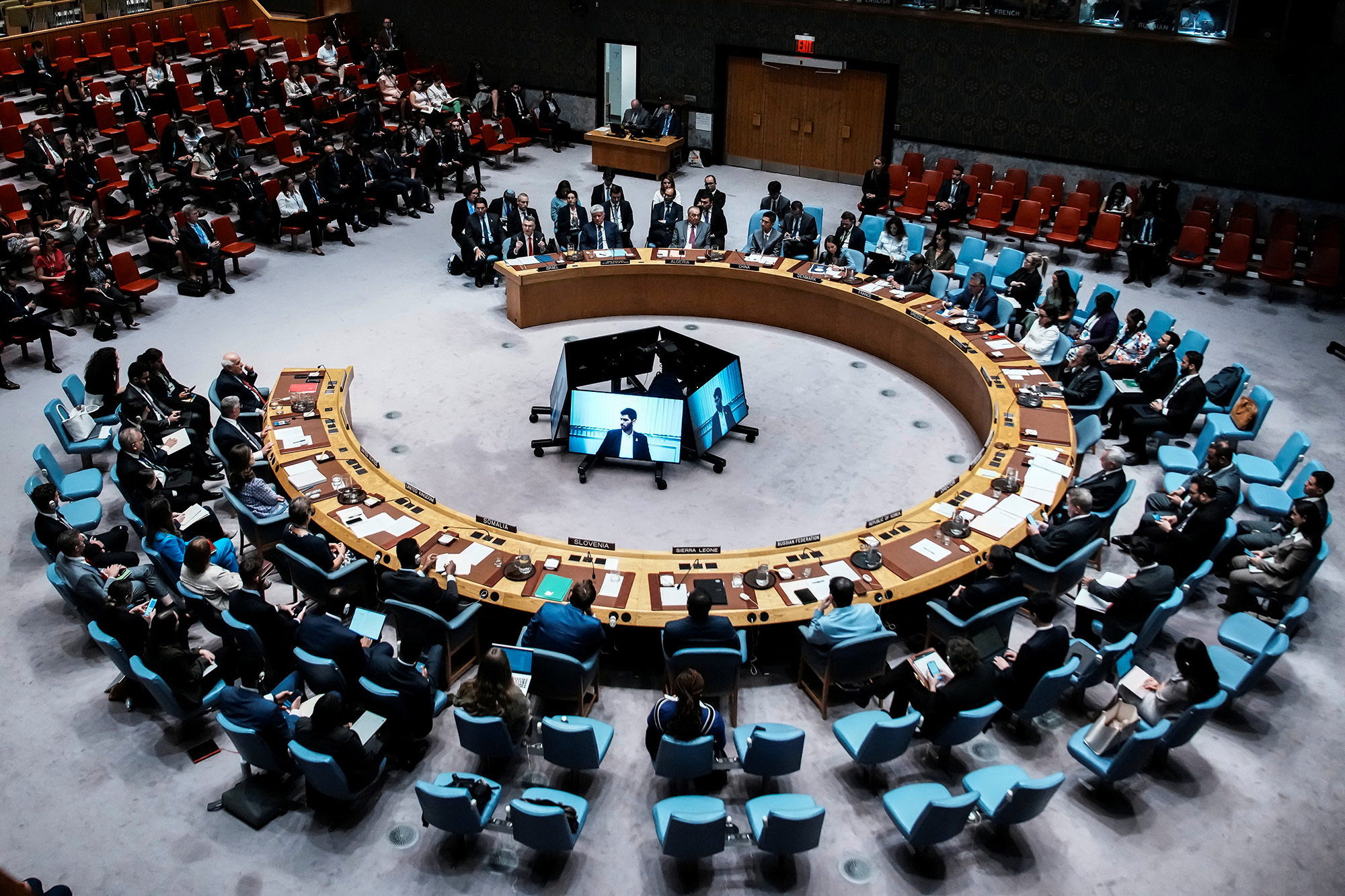
Analysts warn that the combination of environmental hardship and diplomatic impasse could prolong hostilities. With both sides unwilling to yield, winter becomes a test of endurance rather than a window for negotiation. The European Union, United Nations, and humanitarian agencies continue to advocate for ceasefire corridors to deliver aid, yet the feasibility of such initiatives remains uncertain under ongoing bombardment [22][23].
The Human Cost and the Weight of Statistics
The toll of this conflict, magnified by winter conditions, continues to climb. By mid-2025, Russian casualties were estimated to have exceeded 280,000 according to independent assessments, while Ukrainian civilian deaths and injuries have risen sharply due to energy-related disruptions [24][14]. Over 60 percent of Ukraine’s gas production capacity has been affected by targeted strikes, leaving millions vulnerable as temperatures plunge below freezing.
Data compiled by military analysts reveal that Russia’s winter campaigns prioritize nighttime operations using mixed formations of drones and missiles [13]. The intention is to overwhelm Ukraine’s air defenses while exploiting darkness and extreme weather to hinder detection. Despite interception rates reportedly above 70 percent, the sustained frequency of attacks places immense strain on Ukraine’s energy restoration crews and emergency services.
Beyond numbers, the human dimension is profound. Families rely on makeshift heating, children study by candlelight, and hospitals operate with mobile generators. The psychological fatigue of enduring multiple winters under attack weighs heavily on the population. Nevertheless, surveys conducted in urban areas suggest a prevailing sense of unity and determination, with citizens viewing endurance as a patriotic duty [18].
International Response: Aid, Sanctions, and Strategic Calculations
The global response to the winter crisis blends humanitarian assistance with political caution. Western nations have increased shipments of transformers, generators, and fuel reserves to Ukraine, seeking to mitigate the impact of Russia’s energy offensives [4][5]. However, this aid competes with the risk of escalation, as Moscow warns against what it describes as the militarization of humanitarian support.
At the same time, sanctions targeting Russia’s defense and energy sectors have expanded. Yet analysts question their efficacy, as Russia continues to reroute energy exports through alternate partners and adapt its war economy [9]. Meanwhile, Ukraine’s allies emphasize that maintaining resilience through winter is as much about moral endurance as it is about logistical preparedness.
Humanitarian agencies, including the Red Cross, have intensified their winter operations. Relief programs now focus on distributing thermal blankets, portable stoves, and emergency repair kits for civilians trapped in conflict zones [5][18]. The United Nations has urged both sides to respect humanitarian law, particularly in protecting energy infrastructure critical to civilian life.
A War of Attrition in the Cold
As the conflict persists, winter solidifies its reputation as an active participant. The season amplifies existing vulnerabilities while rewarding strategic patience. Russia aims to exhaust Ukraine through attrition and psychological warfare, while Ukraine leverages the adversity to demonstrate resilience and moral legitimacy.
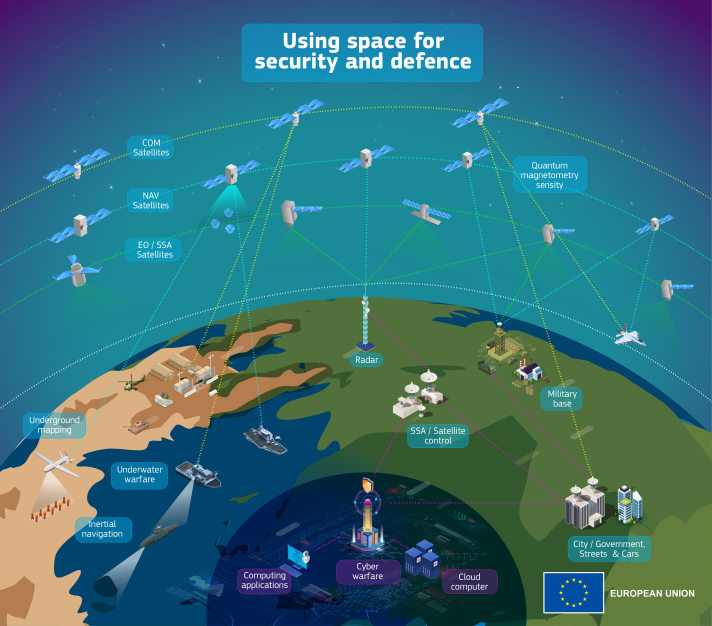
The battlefield extends into cyberspace and energy systems, where digital defense and power restoration have become as vital as artillery and tanks. Modern warfare now transcends geography, operating within a nexus of infrastructure, technology, and environmental adaptation [7][17]. The winter thus transforms from a passive condition into an arena of strategic competition.
Conclusion: Winter at the Crossroads of War and Diplomacy
The Russia–Ukraine conflict in 2025 underscores that winter is not merely a background to warfare but an active force shaping its outcome. Russia’s calculated use of energy offensives and Ukraine’s comprehensive defense efforts illustrate how climatic conditions can redefine both military and diplomatic realities. This intersection of nature and strategy reveals the evolving character of modern conflict; one where temperature, energy, and human resilience carry as much weight as weapons and treaties.
As the world watches another harsh season unfold, the path forward hinges on the endurance of populations, the adaptability of armies, and the willingness of diplomats to turn survival into dialogue. Whether winter becomes a catalyst for peace or another chapter of suffering will depend on how both sides and their allies respond to the profound interplay between climate and conflict.
References
1 - Al Jazeera, How Russia's new tactics pose fresh winter threat to Ukraine, October 21, 2025. https://www.aljazeera.com/news/2025/10/21/how-russias-new-tactics-pose-new-winterthreat-to-ukraine
2 - The Kyiv Independent, Ukraine war latest: Russia is preparing 'an active winter ...', October 19, https://kyivindependent.com/ukraine-war-latest-live-2025-10-20/
3 - AP News, Russia's new energy assault pushes Ukrainians into ..., October 21, 2025. https://apnews.com/article/russia-ukraine-war-blackout-energy-winter-grid-074fafac8a4b5bb556308379808d041b
4 - CNN, Winter is coming for Ukraine: What it will take to keep the ..., September 2, 2025. https://www.cnn.com/2025/09/02/politics/winter-is-coming-for-ukraine-what-it-willtake-to-keep-the-lights-on
5 - International Committee of the Red Cross (ICRC), Ukraine: As Winter Approaches, Communities Prepare, October 2024. https://www.icrc.org/en/article/ukraine-winter-approaches-communities-prepare
6 - Euronews, Russia's new energy assault strategy pushes Ukraine into ..., October 22, 2025. https://www.euronews.com/2025/10/22/russias-new-energy-assault-strategy-pushesukraine-into-another-winter-of-blackouts
7 - 7.The Atlantic Council, Russian strikes on Ukraine's energy infrastructure are a ..., October 13, 2025. https://www.atlanticcouncil.org/blogs/ukrainealert/russian-strikes-on-ukraines-energyinfrastructure-are-a-european-problem/
8 - 8.Modern Diplomacy, Russian Strikes Kill Two in Kyiv as Putin-Trump Summit Put ..., October 22, 2025. https://moderndiplomacy.eu/2025/10/22/russian-strikes-kill-two-in-kyiv-as-putin-trumpsummit-put-on-hold/
9 - Council on Foreign Relations, War in Ukraine | Global Conflict Tracker, September 14, 2025. https://www.cfr.org/global-conflict-tracker/conflict/conflict-ukraine
10 - BBC News, Ukraine War | Latest News & Updates, May 23, 2025. https://www.bbc.com/news/war-in-ukraine
11 - Understanding War, Russian Offensive Campaign Assessment October 21, 2025. https://understandingwar.org/research/russia-ukraine/russian-offensive-campaignassessment-october-21-2025/
12 - The Kyiv Independent, additional reporting on energy assaults and winter resilience, October 2025.
13 - AP News and military assessments for drone and missile campaign data, October 21, 2025.
14 - The Atlantic Council, energy infrastructure analysis and humanitarian implications, October 2025.
15 - Euronews, civilian infrastructure and blackout reporting, October 2025.
16 - CNN, drone warfare and grid impact studies, September 2025.
17 - CPD Ukraine, Will the Winter Period Freeze the War, 2025. https://cpd.gov.ua/en/articles-en/will-the-winter-period-freeze-the-war/
18 - ICRC, Ukraine Winter Approaches, 2024. https://www.icrc.org/en/article/ukraine-winter-approaches-communities-prepare
19 - MN Nonline, Cold is again part of the Russia-Ukraine war, October 20, 2025. https://www.mnnonline.org/news/cold-is-again-part-of-the-russia-ukraine-war/
20 - 20.Modern Diplomacy, Russian Strikes Kill Two in Kyiv as Putin-Trump Summit Put on Hold, October 22, 2025. https://moderndiplomacy.eu/2025/10/22/russian-strikes-kill-two-in-kyiv-as-putin-trumpsummit-put-on-hold/
21 - Table Media, Ukraine: What the Russian Strategy for the Winter Could Look Like, 2025. https://table.media/en/security/feature/ukraine-what-the-russian-strategy-for-the-wintercould-look-like
22 - Council on Foreign Relations, Conflict Tracker and Diplomatic Analyses, 2025. https://www.cfr.org/global-conflict-tracker/conflict/conflict-ukraine
23 - Al Jazeera, Four killed, thousands lose power in Ukraine after Russian attack, October 21, 2025. https://www.aljazeera.com/news/2025/10/21/four-killed-thousands-lose-power-inukraine-after-russian-attack
24 - Wikipedia, Casualties of the Russo-Ukrainian War, 2025. https://en.wikipedia.org/wiki/Casualties_of_the_Russo-Ukrainian_War