Diplomacy in the Desert: Is the “Abu Dhabi Plan” a Peace Deal or a Partition?
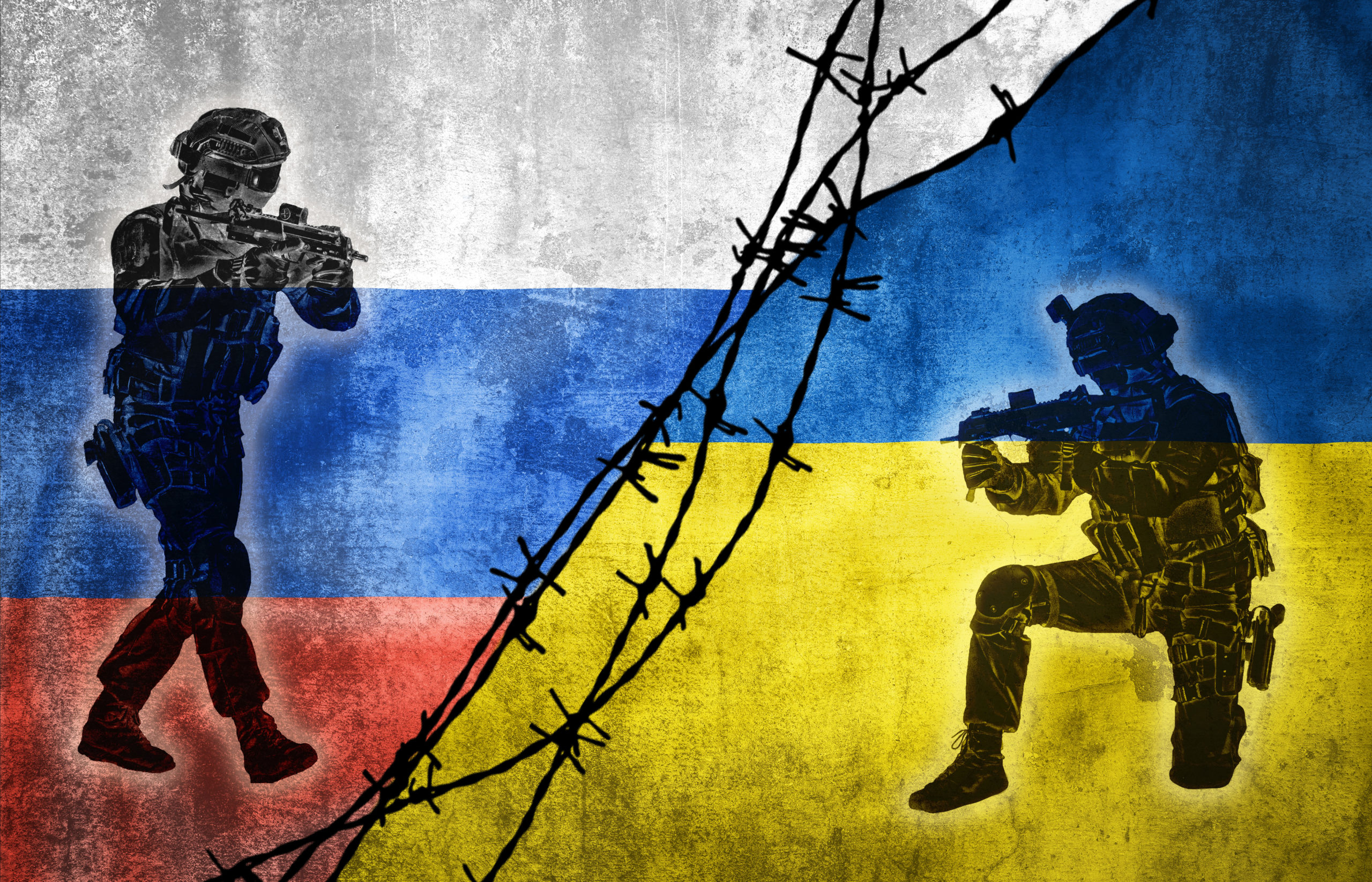
As much of the world held its breath over a ceasefire in Gaza, an unscheduled diplomatic drama was unfolding in the UAE desert. In late January 2026, Ukraine, Russia and the United States held two days of clandestine talks in Abu Dhabi. The surprise outcome was a massive prisoner exchange 314 POWs returned and talk of a broader “peace plan” sketched by US negotiators. Kyiv and Brussels, however, emerged deeply uneasy. On one hand, Ukrainian President Volodymyr Zelenskiy called the talks “constructive,” but on the other he insisted they were “not easy,” highlighting how fraught the deal really is. Allies fear that under the surface of this deal lies a Faustian bargain: peace won at the price of Ukraine’s sovereignty. Critics warn we may be looking at “frozen lines” on a map effectively a new partition of Ukraine under the guise of diplomacy. In short, peace is always the goal, but if peace means surrendering territory, is it really peace at all?
The Fair Deal Paradox: “Not Easy” Negotiations
The Abu Dhabi meetings were brokered by the US, with Special Envoy Steve Witkoff shuttling between Kyiv, Moscow and Washington. When the dust settled, Zelenskiy’s government had secured the return of 157 Ukrainian captives. Yet the Ukrainian leader spoke of the talks in ambivalent terms. He praised the format that brought Americans into the room “we favored any diplomatic format that can realistically bring peace closer” but also warned that key issues remained “not easy”. How could Zelenskiy describe the return of hundreds of soldiers as “not easy”? Because the very process laid bare Ukraine’s dilemma: any big agreement appears to demand some recognition of new lines of control in the east.
Second, ICE gives you temporary protection. No arrests or raids while you pack up. You get 30 days max to finish work, school, or goodbyes. Third, the government books your flight or bus ticket home. No cost to you. They waive all fines for overstaying visas too.
Indeed, prisoner swaps are classic confidence building measures but they rarely by themselves settle deeper conflicts. Here, the “fair deal” paradox is that a humanitarian concession may be built atop a strategic setback. Ukrainian officials reportedly came under intense pressure to acquiesce to Russia’s core demands (for instance, recognition of the current front line as permanent). Zelenskiy has publicly warned against any outcome decided “behind Ukraine’s back,” saying pointedly that “security decisions about Ukraine must include Ukraine” otherwise “there is always a high risk it simply won’t work”. In other words, he fears a superficial exchange (like prisoners) being used to lock in a ceasefire that satisfies Russia, while sidelining Ukrainian interests. This suspicion only grows when the mediator is an external power (the US) negotiating directly with Russia: were Ukrainian interests fully represented, or could this be a way to isolate Kyiv from its European partners?
A Washington Moscow Hotline, Skipping Brussels?
American involvement certainly broke a long stalemate: the Jan. 23 24 talks (quickly dubbed the “Abu Dhabi talks”) were the first direct Kyiv Moscow face to face negotiations in months. US envoy Witkoff even wired a “Washington Moscow hotline” by meeting Putin’s representatives. But this initiative raised alarms in Europe. EU officials bristled that the US appeared to be forcing a deal around European consensus. In Brussels, the Dutch EU chief Kaja Kallas warned sharply in December: “I’m afraid all the pressure will be put on the weaker side, because that is the easier way to stop this war when Ukraine surrenders”. She warned that any lopsided peace plan “would encourage Russia’s warmongering.” In short, EU diplomats fear a repeat of the Trump peace plan episode: a US crafted 28 point framework, drafted with Russian input and little European involvement, that blindsided Kyiv.
There are signs this worry has merit. Reuters reported in November 2025 that plans drawn up by Witkoff and his Russian counterpart Dmitriev would seize $300+ billion of frozen Russian assets, funneling most through a US controlled reconstruction fund. European officials privately complain the West is set up to “bill Europe” for sanctions enforcement while Washington and Moscow negotiate over Ukraine. In Brussels, the message is clear: no deal on Ukraine without Europe and without Ukraine. Even Zelenskiy echoed that sentiment in Abu Dhabi by insisting that future proposals be coordinated “with national leaders” and that capitals be fully briefed. But with a US envoy handling talks bilaterally with Moscow, EU states are worried they are being cut out of the conversation. An opaque “backroom deal” between Washington and Moscow especially if it involves shifting borders would deeply fracture the Western alliance.
The Cost of Peace: Frozen Lines and Partition Risks
So what exactly is on the table? Russian negotiators reportedly pressed for formal recognition of the current front line meaning Ukraine would cede effective control over occupied Donetsk, Luhansk, Zaporizhzhia and Kherson. Kyiv has flatly refused to surrender these lands, and underscores that doing so would violate its constitution and international law. If forced, Ukraine’s deal breaker is inexorable: no territorial concessions to the aggressor. The consequence of any such shift would be permanent “frozen lines” across the east akin to the partition lines drawn in conflicts like Nagorno Karabakh or Moldova’s Transnistria. Analysts caution that these so called “frozen conflicts” can become semi permanent stalemates, storing up trouble for the future.
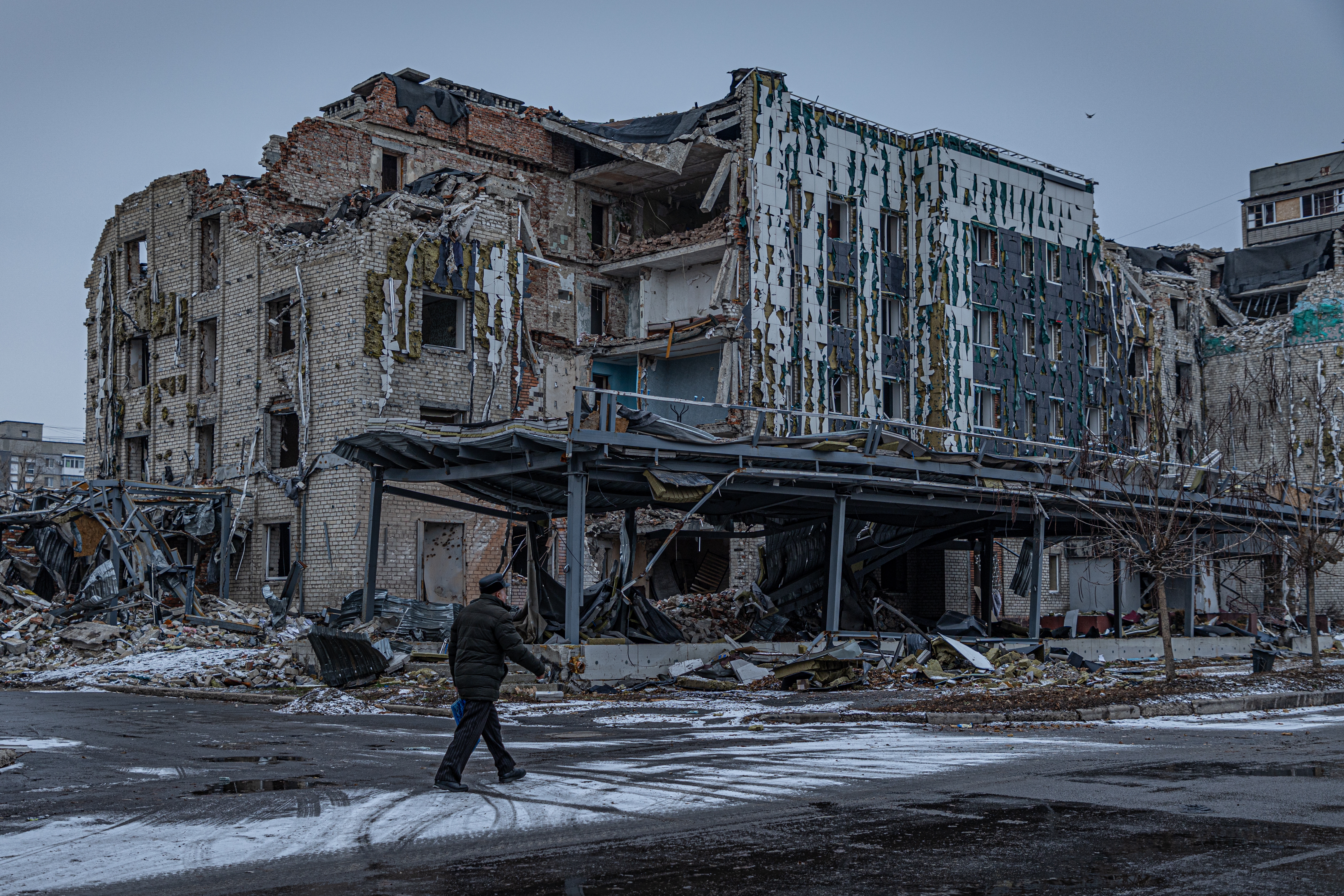
Recent history offers cautionary parallels. In Bosnia (1995), lines drawn by Dayton ended active fighting but locked in a brutal ethno territorial division. Abkhazia and South Ossetia in Georgia remain breakaway regions since the early 1990s. The worry is that a formal peace may merely codify the battlefield of 2026: Ukraine functionally split between government held west and Russian controlled east, with continued uncertainty and risk of low intensity fighting. As one Ukrainian defense analyst put it on social media: peace means “either a forever war or frozen lines,” if national pride and unity are sacrificed. And as the Kyiv Post bluntly noted, Russia’s entire incentive has been to end the fighting precisely on their terms, not Moscow’s retreat. So the danger is a ceasefire that looks like peace but is really an enforced surrender.
Sovereignty Under Fire: International Law Stakes
Behind these geopolitical maneuvers lies a serious legal issue: Ukraine’s sovereignty and international law. A treaty forcing Kyiv to cede land would be unprecedented and legally fraught. Under Article 52 of the Vienna Convention, any treaty concluded under threat or use of force is void. In other words, if Russia’s aggression coerces Ukraine into signing away territory, that pact would be legally invalid absent a UN Security Council endorsement which is impossible while Russia wields its veto. Some scholars note that conventional peremptory law (jus cogens) does not automatically invalidate such treaties, but the coercion rule clearly does. Practically, therefore, any deal cutting away Ukraine’s territory would lack any legal cover.
Even setting aside legal technicalities, Ukraine’s own constitution bars capitulation. President Zelenskiy has repeatedly vowed he will not sign away even an inch of sovereign land. In the talks, he insisted “security decisions about Ukraine must include Ukraine” meaning Ukrainians will not be bypassed. His point echoes loudly: a peace “plan” that Ukraine cannot legally or politically accept is no peace at all. As Zelenskiy reminded the world, deals made without Ukraine’s consent carry a “high risk [they] simply won’t work”. Allies in Kyiv and across Europe fear that violating these principles would destabilize Ukraine internally, undermining the very security a peace is supposed to bring.
The Takeaway: Ceasefire or Capitulation?
The Abu Dhabi talks achieved a much needed confidence building step: Ukrainian captives are returning home. Diplomatically, however, the broader implications are murkier. To Western eyes, any plan that formalizes a Russian “bridgehead” in Ukraine’s east could leave the war’s core injustice unaddressed. It risks entrenching a frozen conflict, potentially making Ukraine weaker in the long run. President Zelenskiy clearly sees this trade off: he called the talks “not easy”. Even as he praised the format, his message to allies was urgent ensure any deal fully respects Ukraine’s sovereignty and its people’s wishes.
In the end, a ceasefire only means peace if it lasts and is fair. If the price of stopping the shooting is capitulation redrawn borders and vassalage to another power then it is no peace but a pause. As the world watches and waits, Kyiv and Brussels are right to be sceptical: true security won’t come from a deal cut at Ukraine’s expense. The real goal must remain a just peace, not just a broken ceasefire.