NATO Expansion and Arctic Militarization Finland, Sweden and the Future of Global Security
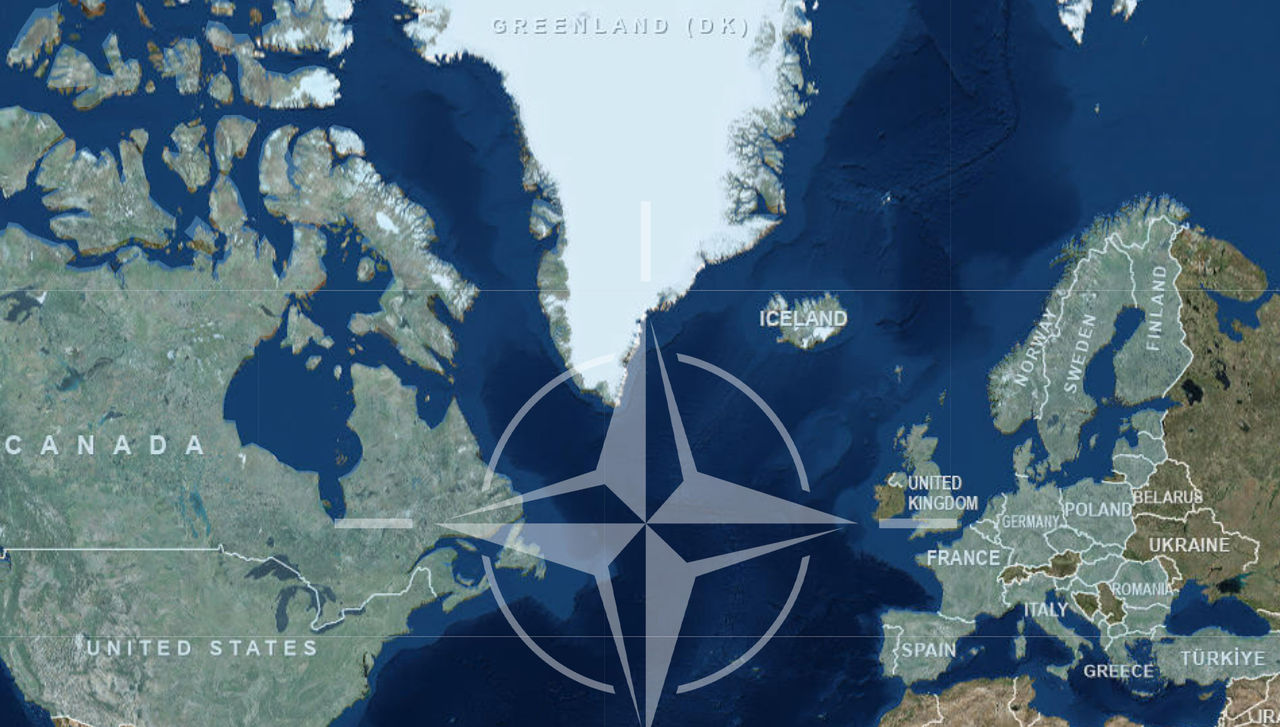
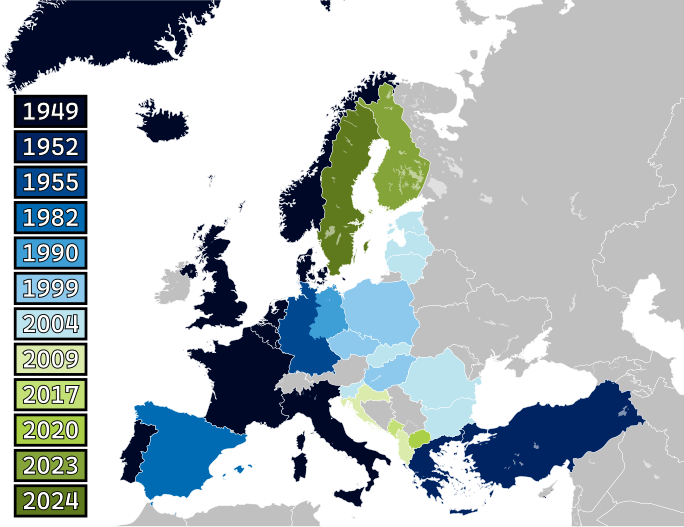
The recent accession of Finland (April 2023) and Sweden (March 2024) to NATO has significantly altered the alliance’s geography and capabilities. With Nordic neutrality ending, NATO’s “High North” flank is now fully integrated into the alliance. This expansion has fortified NATO’s presence from the Baltic Sea through the Arctic, as the Wilson Center’s Janne Kuusela notes: “In the north, NATO is forming a strong and united region from the Baltic Sea to the Arctic region. The defence of the Euro-Atlantic region is being planned, exercised and implemented as a whole.
Finland and Sweden bring substantial military capabilities and geographic advantages. Finland contributes a large conscript army, heavy artillery, and experience operating in Arctic condition. Sweden adds a modern air force and naval forces, and its island of Gotland — long seen as a strategic “cork in the bottle” at the entrance to the Baltic — now falls under NATO’s defense umbrella. NATO Secretary-General Jens Stoltenberg has even declared that “NATO is an Arctic alliance.” Indeed, by 2024, NATO welcomed seven of the eight Arctic Council members, with only Russia remaining outside the alliance. This consolidation means NATO can better coordinate surveillance, air defense, and force deployments across Northern Europe and the Arctic. As one analysis observes, “the accession of Sweden and Finland to NATO is geographically and strategically putting more emphasis on the Northern dimension of the Atlantic alliance,” strengthening the link between the Baltic theater and Europe’s High North.
Significance of NATO’s Expansion
Finland and Sweden joined NATO in the wake of Russia’s 2022 invasion of Ukraine, each reversing decades of non-aligned policy. Both countries cited security concerns and the value of collective defense. Public support in Finland (about 80%) and Sweden (over 50%) was high for membership, reflecting fears of Russian aggression. The transition was not immediate: Turkey and Hungary delayed Sweden’s ratification in 2022–2024, but both Nordic members are now formal NATO allies.
Their entry enlarges NATO by nearly 600,000 km² of territory and adds over 20 million citizens. Militarily, Finland alone brought an 832-mile land border with Russia, now NATO territory. Sweden’s accession likewise closed NATO’s flank along the Baltic Sea. Strategically, Nordic capitals see this as reinforcing NATO’s collective deterrence. The Minister of Finland’s Foreign Affairs says that alliance membership and cooperation “strengthens the stability and security of the Baltic Sea region and Northern Europe”. Similarly, analysts note that a united NATO covering Scandinavia to the Baltic Sea creates a “Baltic-Arctic strategic bulwark” against any aggression in Northern Europe.
Finland and Sweden also bring specialized Arctic expertise and readiness. Both countries train regularly in harsh winter conditions. Norway, Finland and Sweden have long conducted joint Arctic exercises under the Nordic Defence Cooperation (NORDEFCO), and NATO exercises now routinely include tens of thousands of troops training in subzero environments. In fact, 2024 saw a record number of Arctic drills involving the Finnish Defence Forces. NATO recognizes this bolsters its Northern deterrence. For example, Norway, Finland and Sweden announced in 2024 a “trilateral military transport corridor” across the High North to speed logistics, and NATO approved new commands in northern Norway and Finland to manage Arctic land forces.
Arctic Militarization and Security Trends
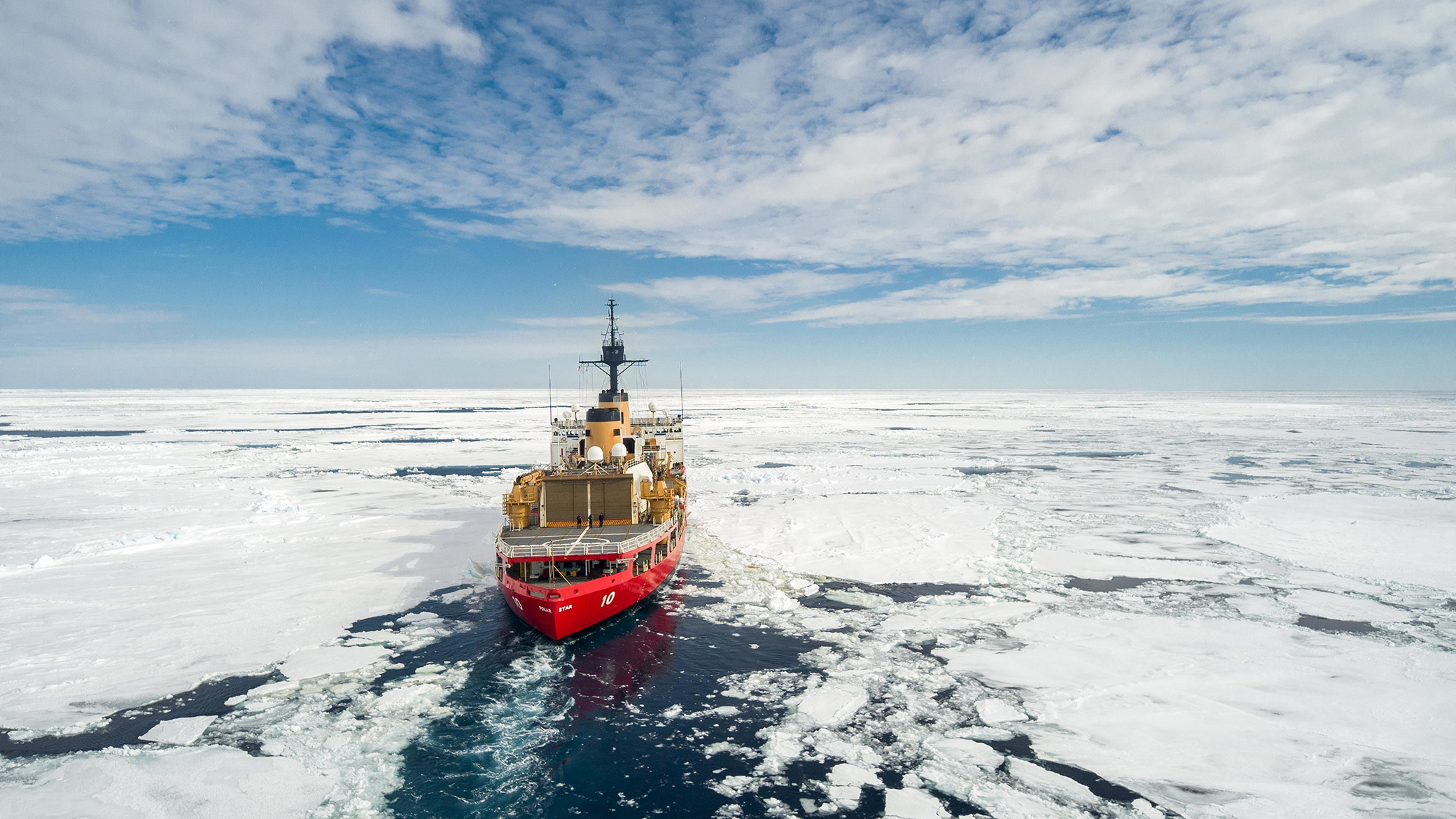
The Arctic is increasingly a zone of strategic competition. Melting ice is opening new sea lanes (notably Russia’s Northern Sea Route) and making remote resources accessible. The U.S. Department of Defense notes that climate change “has meant the melting of ice in the Arctic and the opening of new sea routes… providing new opportunities for commerce and resource exploitation, but also increased risk to nations whose borders were previously protected by [the region’s] inaccessibility.”. As a result, all Arctic states and outside powers are boosting their presence.
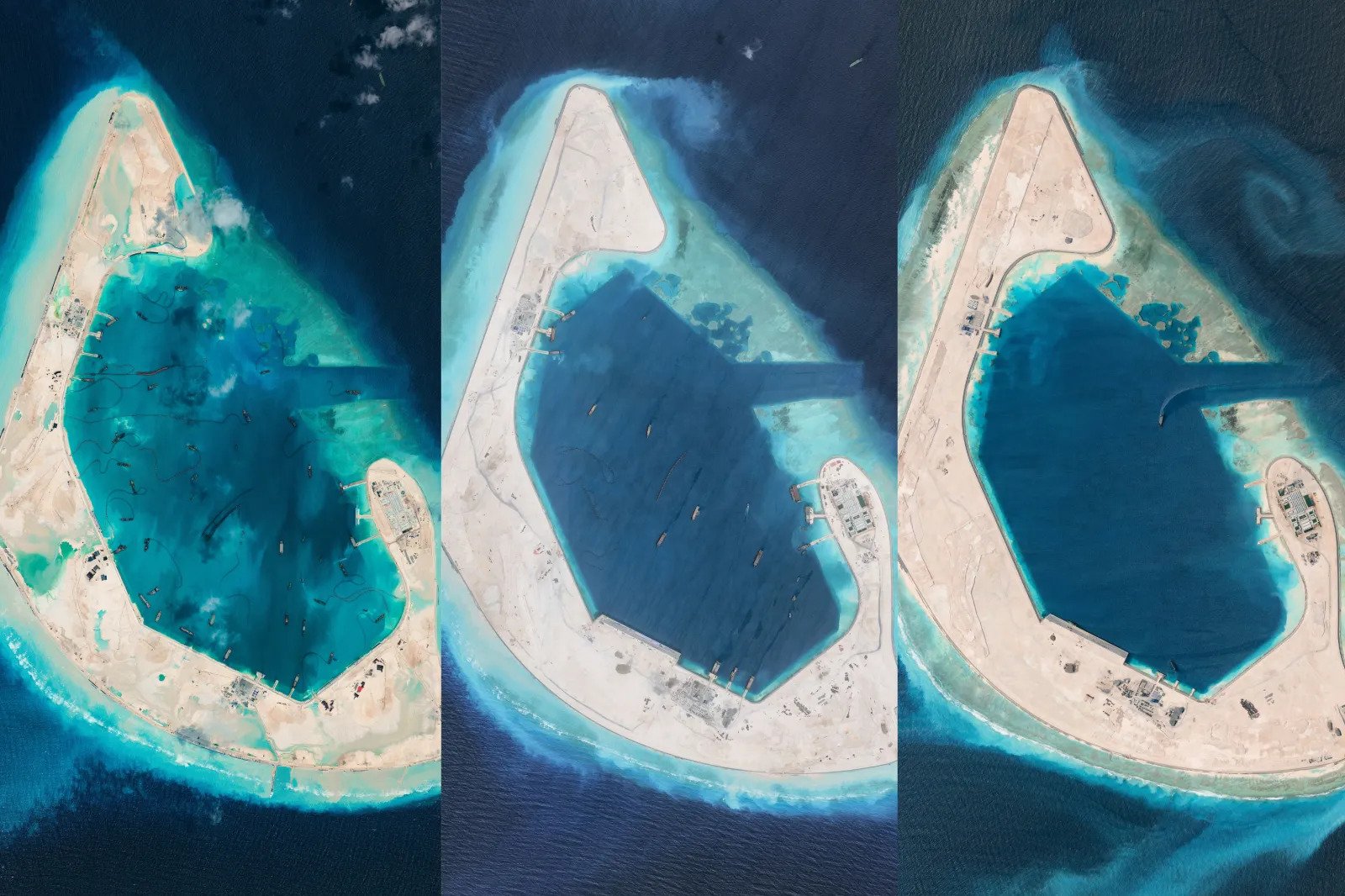
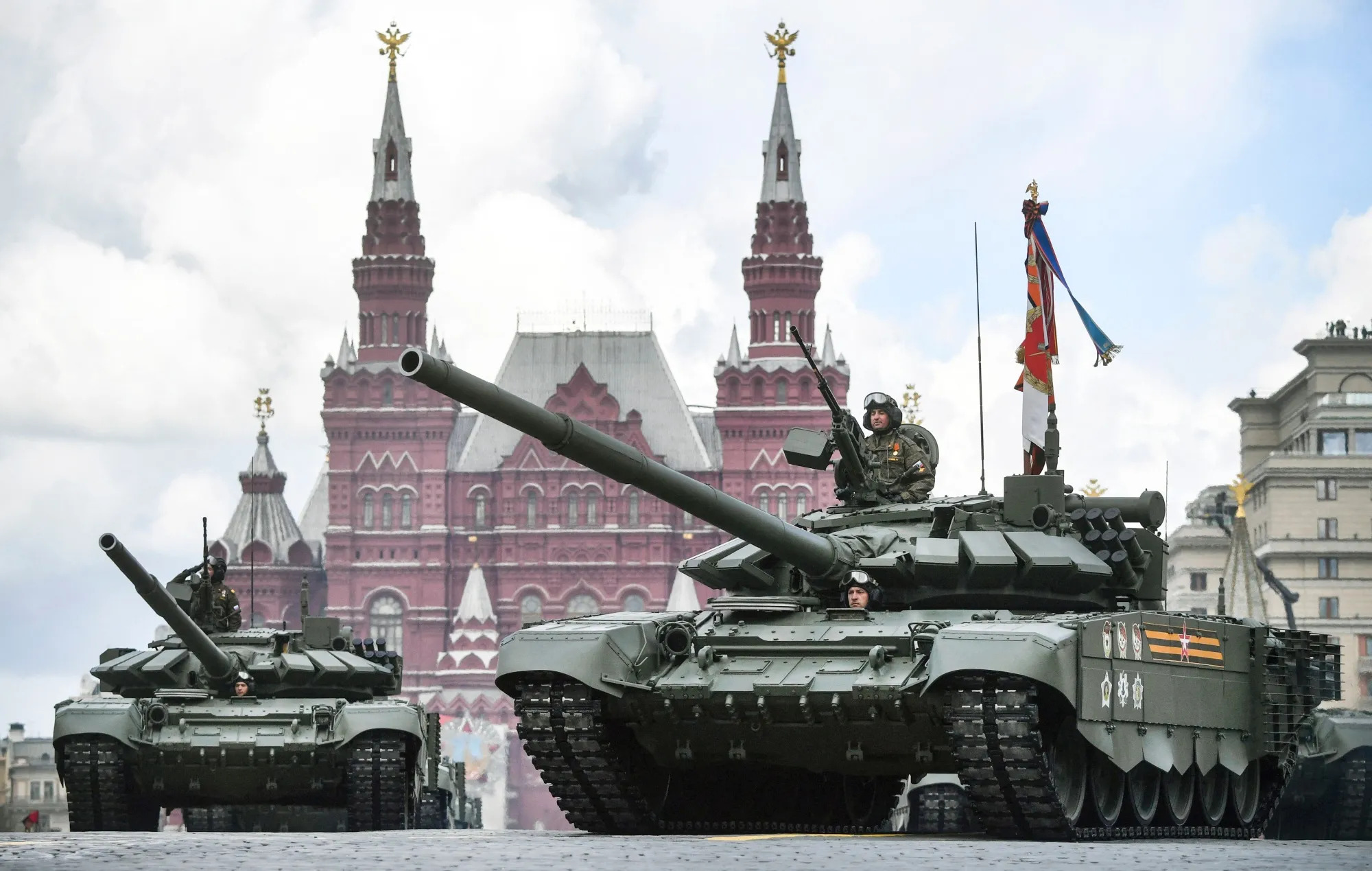
Russia’s military buildup. Russia is by far the most active militarizing Arctic power. Over the past decade Moscow has refurbished Soviet-era bases, deployed advanced air-defense and missile systems, and built new airfields in the High North. In the words of U.S. officials, “Russia continues to pose an acute threat to security and stability in the region”, having built up its military infrastructure and asserted “excessive claims” over Arctic waters. For example, satellite imagery shows Russia expanding the runway at Temp Air Base on Kotelny Island, capable of hosting long-range interceptors and nuclear bombers. Altogether, NATO analysts warn President Putin has “reopened some 20 military bases in the Arctic” with the aim of controlling the Northern Sea Route and extracting Arctic resources. Russia’s Northern Fleet – comprised of nuclear submarines, missile ships and Arctic maritime patrol aircraft – remains the world’s largest Arctic military formation, with ambitions to dominate local sea lanes.
Russia also views the Arctic as its strategic “backyard.” Russian official statements explicitly tie Arctic ice melt to NATO encroachment. In late 2022, Foreign Ministry spokeswoman Maria Zakharova warned that Finland and Sweden joining NATO would leave “all member states of the Arctic Council apart from Russia” aligned against Moscow, potentially accelerating Arctic militarization. Indeed, the Kremlin has expressed fear that “US and NATO will soon increase surface, subsurface, and air deployments closer to the [Arctic Zone of the Russian Federation],” especially with Finland and Sweden’s accession. In practice, Russia has expanded its icebreaker fleet and nuclear-capable radar and missile stations on its Arctic islands (Novaya Zemlya, Franz Josef Land, etc.) to monitor and interdict foreign forces. Maritime analysts note Moscow seeks to declare the Northern Sea Route part of Russian territorial waters, in effect asserting control over far more Arctic ocean than international law would allow.
NATO and U.S. Arctic deployments. By contrast, NATO (especially the U.S., Canada, Norway and the new Nordic members) is now improving its Arctic posture, though it started from a lower baseline. Senior U.S. officials emphasize the Arctic’s growing importance. In July 2024 the U.S. released a new Arctic Strategy, noting “the Arctic region of the United States is critical to the defense of our homeland… Our Arctic strategy will guide the department’s efforts to ensure that the Arctic remains a secure and stable region.”. The Pentagon’s plan calls for better domain awareness (new satellites, sensors and icebreakers), expanded joint exercises, and closer cooperation with allies like Canada and Nordic states. For example, in 2024 NATO and U.S. forces combined Arctic drills for the first time. In Alaska and Northern Norway, thousands of troops practiced integrated operations – including U.S. Marines deploying to Norway for an Arctic exercise and NATO artillery brigades linking fires across five countries.
Even so, challenges remain. The CEPA comprehensive report Up North (Dec 2024) warns that “U.S. and allied presence are still lacking.” Critical Arctic capabilities – from ice-hardened ships to polar surveillance systems – lag behind Russia’s. Command-and-control overlaps and differing national priorities also complicate an Arctic strategy. Not all Arctic NATO members share identical threat perceptions or priorities. As the report notes, the “Arctic 7” (the eight Arctic states minus Russia) “do not fully agree in their approach to the region,” with Canada, the U.S., and Europe sometimes divergent on focus. Nonetheless, NATO has begun closing gaps: Norway hosts a Cold Weather Operations Center, and NATO in 2024 approved new Arctic commands – including a Multinational Land Force in Finland under U.S. command – to unify defenses.
Geopolitical Implications and NATO-Russia Relations
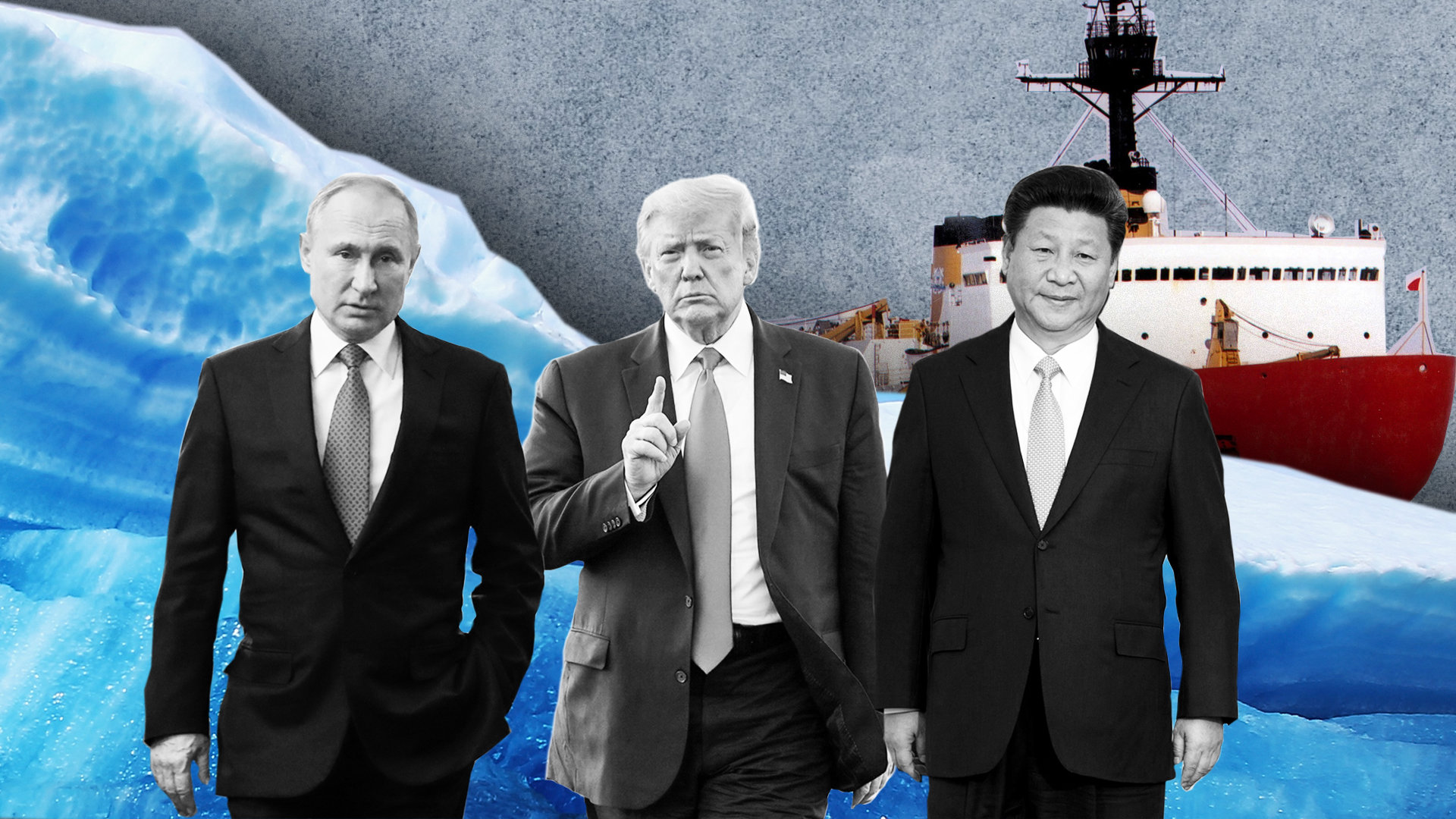
The Nordic NATO expansion has intensified the strategic competition between the West and Moscow. For Russia, the immediate effect is a sense of strategic squeeze. Analysts in Moscow and Beijing have branded the Finnish and Swedish accessions as elements of a U.S.-led containment of Russia. Chinese state media, for example, warned that NATO’s “northern expansion” will “intensify security problems” and effectively encircle Russia. The narrative paints Finland and Sweden – both economically strong with modern militaries – as valuable prizes for U.S. leverage. One Chinese outlet warned that with NATO now spanning “from the Arctic to the Black Sea,” Russia’s second city (St. Petersburg) could become isolated. Though Beijing officially remains restrained on the issue, it clearly views a larger NATO as a challenge to its own Arctic interests. Chinese activities (three icebreakers in Arctic waters, joint drills with Russia, and scientific programs) are partly aimed at resource access and Belt and Road shipping, but NATO expansion is seen as a geopolitical shift to watch.
For NATO, the expanded alliance solidifies Western influence in the Arctic and Baltic littoral. The “Arctic 7” can now better coordinate pressure on Russia’s flank. All seven NATO Arctic states have pledged to apply deterrence: as one commentator notes, “the Arctic seven are working together… to defend their interests and deter aggression in the Arctic.”. NATO officials have publicly acknowledged that adding Sweden and Finland has strengthened the alliance’s High North capabilities. It also links Atlantic and northern defenses: Combined Joint Task Forces can now seamlessly operate from Norway to Poland and across to the Bering Strait, without neutral gaps.
Nevertheless, Moscow’s reaction is wary. Russian leaders still view NATO in zero-sum terms. The Defense Minister hinted that Finland’s membership puts the largest portion of the Finnish border under NATO, leaving only Russia outside the bloc in the Arctic. In practice, Russia has already begun adapting by deploying more S-400 missile batteries and extra infantry divisions to its northwestern border, and by upgrading its nuclear early-warning radars. High-level Russian war games (notably the 2022 Zapad exercises) have emphasized repelling threats from Norway and Finland. In effect, NATO and Russia are now in closer proximity across the Finnish border, raising the stakes of any miscalculation in the High North.
Globally, the shift in Arctic alignments underlines a broader pattern: as the Cold War’s old East-West lines of confrontation re-emerge, the Arctic is no longer an “exceptional” zone of peace. The CEPA report concludes that the old mantra of “High North, low tension” is outdated. Instead, Arctic policy is increasingly tied to the US-led liberal order versus the Russia-China axis. Both sides are vying for infrastructure projects, resource deals and transport routes. NATO’s more unified northern posture enables Western capitals to project that the Arctic is as much a matter of global security as NATO’s traditional flanks. At the same time, however, it risks exacerbating Russia’s insecurity. Russian policymakers have openly said they feel “enclosed” by NATO, a feeling that could harden domestic support for military buildup rather than diplomacy.
Emerging Defense Challenges in the High North
Several unique challenges complicate Arctic security. Foremost is climate change: as noted, rapidly melting ice means more ship and submarine traffic, plus new oil/gas exploration. This transforms the operational environment – but also increases risks of accidents and incidents. International law and governance in the Arctic are under stress. The Arctic Council (8 nations, including Russia) was sidelined after 2022, eroding its role in building trust. Meanwhile, territorial claims remain unresolved. For example, Russia disputes NATO allies’ rights to certain seas and insists it can regulate passage along the Northern Sea Route, in possible conflict with the UN Law of the Sea. Other disputes (over fisheries zones, continental shelves, and the status of islands like Hans Island) could flare without cooperative mechanisms.
Defenders also grapple with the harsh environment: extreme cold, polar night, and vast distances demand specialized forces and equipment. The U.S. Navy and Air Force, and Canada’s forces, acknowledge they need more icebreakers, cold-weather gear and Arctic-trained personnel. As one U.S. admiral put it, domain awareness in the Arctic is still lacking – radar gaps, satellite coverage limits, and short-range communications blackouts all persist. To counter these, NATO members are investing in technology: autonomous underwater sensors, ice-penetrating radar, and laser communications systems are under development. But their deployment will take years.
Arctic governance is another emerging issue. Some analysts propose new agreements, such as an “Arctic Military Code of Conduct,” to prevent incidents. (Already, in 2010 the eight Arctic states promised no nuclear explosions or weapon testing north of the Arctic Circle.) Climate-driven search-and-rescue and environmental protection also require cooperation even among rivals. There is growing recognition that maintaining “predictability and transparency” in military operations – for example through hotlines or advance notice of large exercises – is crucial to avoid misperceptions in these narrow Arctic corridors. NATO’s leaders are aware of this balancing act: as the CEPA report cautions, an overly aggressive NATO posture could provoke Russian countermeasures and accidental escalations. Thus, one key challenge ahead is calibrating deterrence so it is credible yet does not simply trigger a fresh security spiral.
International Responses and Reactions
Reactions among the world’s major powers vary. Russia has been vocally negative, warning Western audiences that the expanded NATO presence “could accelerate the militarization of the Arctic region” and significantly raise tensions. State media depicts Finland and Sweden as lured into a U.S.-dominated “camp”, and Russian officials speak of bolstering their own Western military frontier. Indeed, by late 2024 Moscow had dispatched additional S-300/400 SAM batteries to its Kola Peninsula, increased air patrols along the Finnish border, and accelerated missile deployments in Kaliningrad. On the diplomatic side, Russia has signaled it may walk away from any multilateral Arctic councils that exclude it, effectively splitting the region into rival blocs.
China maintains a careful official silence but has been quietly alarmed by NATO’s northern shift. Chinese commentators have warned that further NATO presence “achieves nothing but encirclement” of Russia – part of a broader narrative that U.S. alliance expansion is destabilizing. Meanwhile, Beijing continues expanding its own Arctic footprint through commerce and research. Chinese icebreaking expeditions (even its first home-built icebreaker) and polar satellite deployments are often described as dual-use, raising Western suspicions. Beijing’s strategy in the Arctic emphasizes partnerships, and in 2023 it signed an agreement with Russia’s border guards for coast guard cooperation in the north. However, Chinese analysts also caution that Russia is the true arbiter in the Arctic, and some view the Sino-Russian Arctic “partnership” as more symbolic than operational. In sum, China is watching closely, ready to protect its economic interests but not eager to be drawn into a direct security confrontation in the Arctic.
Other Arctic Council states have welcomed the enlargement. Canada, Denmark (Greenland), Norway and Iceland see Finland and Sweden as natural allies and have publicly noted that a unified NATO in the north strengthens collective security. NATO’s Atlantic ally Canada, in particular, emphasized that Arctic security is a shared concern and that all Arctic states (now as NATO members) will work together. Norway’s defense minister has said the new members will “strengthen NATO’s capability to defend our northern regions”. (Even Russia’s limited friend Belarus has expressed unease, though its own influence in the region is minor.)
Finally, non-Arctic Western powers have endorsed the shift. The United States and EU leaders argue that a credible defense architecture in the North Atlantic is essential to deter Russian threats from multiple vectors. The EU’s Arctic policy, for instance, has begun to refer to Arctic security in terms that align with NATO’s strategy. Essentially, Western response is to treat the Arctic as contiguous with European security: naval task forces now patrol near the Pole to ensure freedom of navigation, and NATO in 2024 launched “Baltic Sentry” to protect vital undersea cables against sabotage in northern waters.
Conclusion: A New Arctic Security Landscape
In sum, Finland and Sweden’s entry into NATO marks a pivotal turn in Arctic geopolitics. For the alliance, it means a more coherent northern defense and the ability to project force and surveillance throughout the High North as a single bloc. As NATO has noted, their accession “strengthened NATO’s position and capabilities in the High North.” For Russia, it is a loss of buffer states and a new strategic challenge. Many analysts believe this shift makes a Cold War–style bipolar structure in the Arctic more likely, with NATO on one side and a Russia-China cooperation (with its own interests) on the other.
Going forward, global security will depend on how well this new balance is managed. Allies will need to invest in Arctic forces and technologies to keep pace, while also working diplomatic channels to avoid accidents amid growing tension. Climate change will only deepen Arctic competition, so adaptive strategies must include environmental and humanitarian dimensions as well as hard power. If NATO and its members continue to plan jointly — as Finland’s Defence Ministry stresses — the hope is that the integrated Euro-Atlantic defense posture will deter conflict and maintain stability. The addition of Finland and Sweden has undoubtedly made NATO more Arctic, and how that affects the broader world will hinge on keeping the region from sliding into confrontation even as great-power rivalry intensifies on the polar stage.