Israel–Gaza War Spillover Risks: How Regional Actors Are Recalculating Power
A Region Under Strain
The Middle East remains one of the world’s most complex and strategically significant regions, where local conflicts have far-reaching consequences. The Israel-Gaza conflict that reignited in October 2023 and continued into 2025 has underscored how quickly violence in one area can influence neighboring states, reshape security dynamics, and create humanitarian crises. The ongoing hostilities have not only devastated civilian populations but also prompted regional powers to recalibrate strategies in response to evolving threats.
This article provides a neutral, research-based analysis of the conflict’s spillover risks. It examines the humanitarian toll in Gaza and Israel, evaluates how key regional actors are adjusting policies, and considers the broader implications for regional stability. Using verified data from sources including the Gaza Ministry of Health, Human Rights Watch, Al Jazeera, World Bank, International Crisis Group, and the Council on Foreign Relations, this study aims to offer a comprehensive perspective grounded in factual evidence [1] [2] [3] [4] [5] [6] [7].
Conflict Overview and Humanitarian Impact
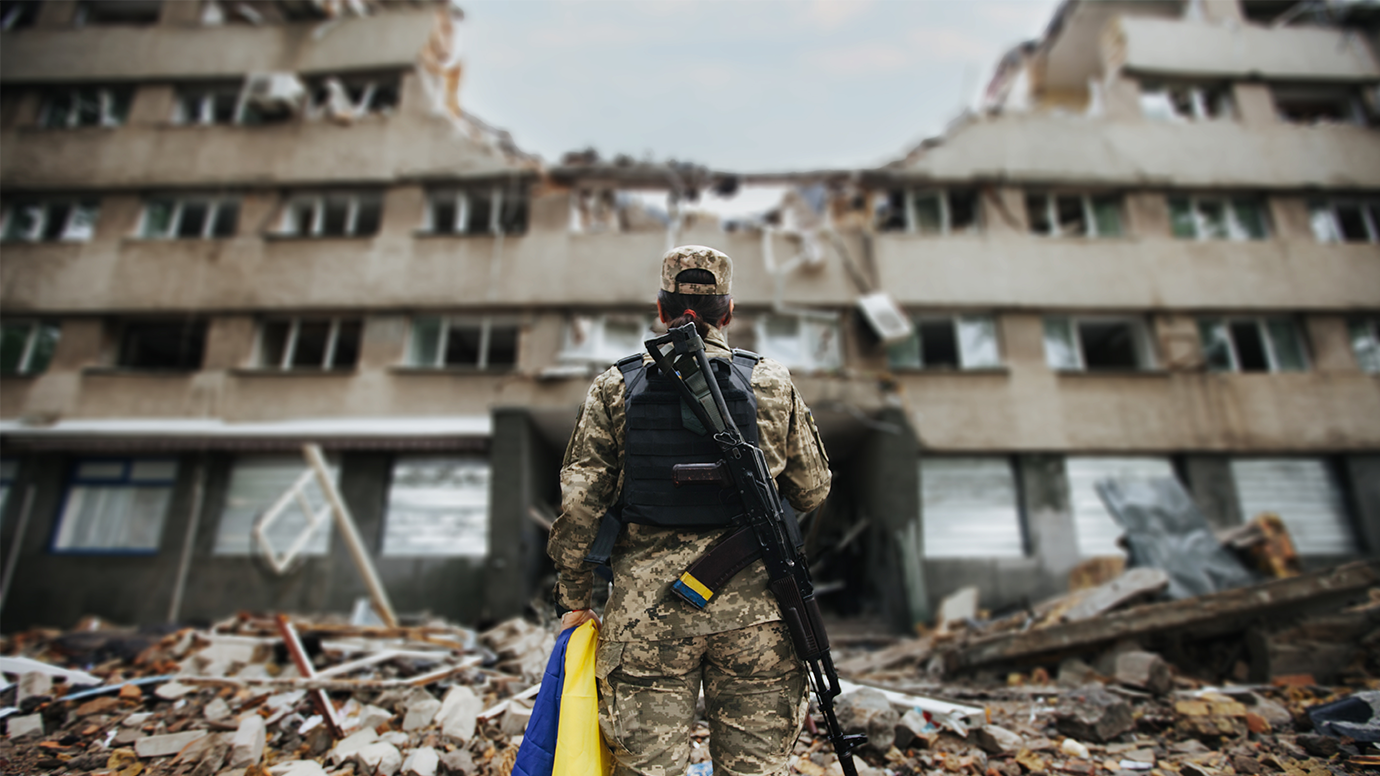
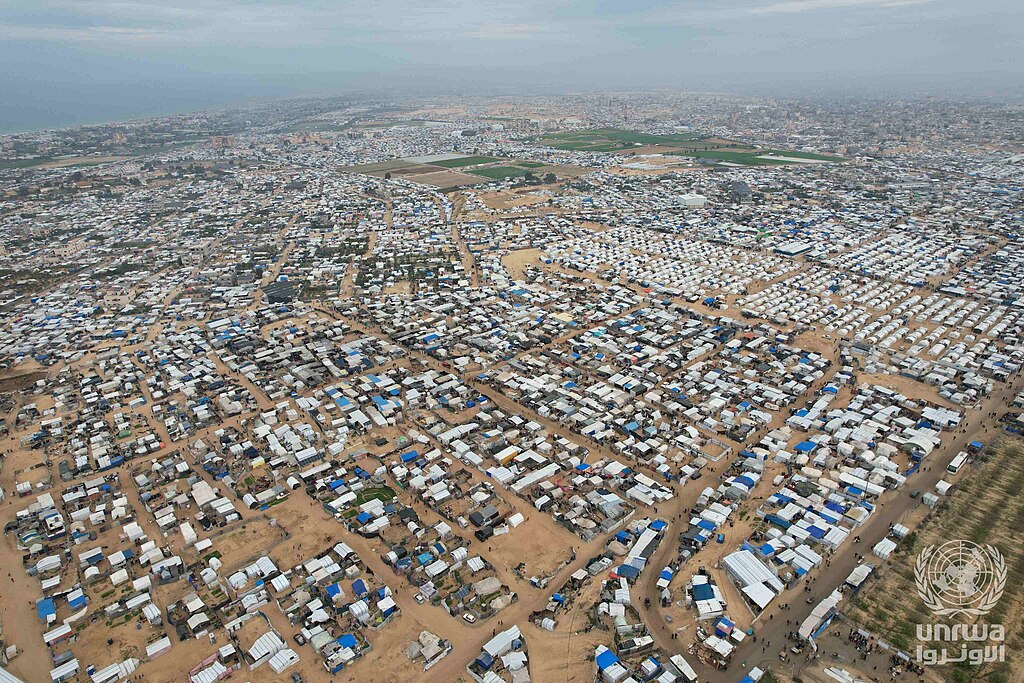
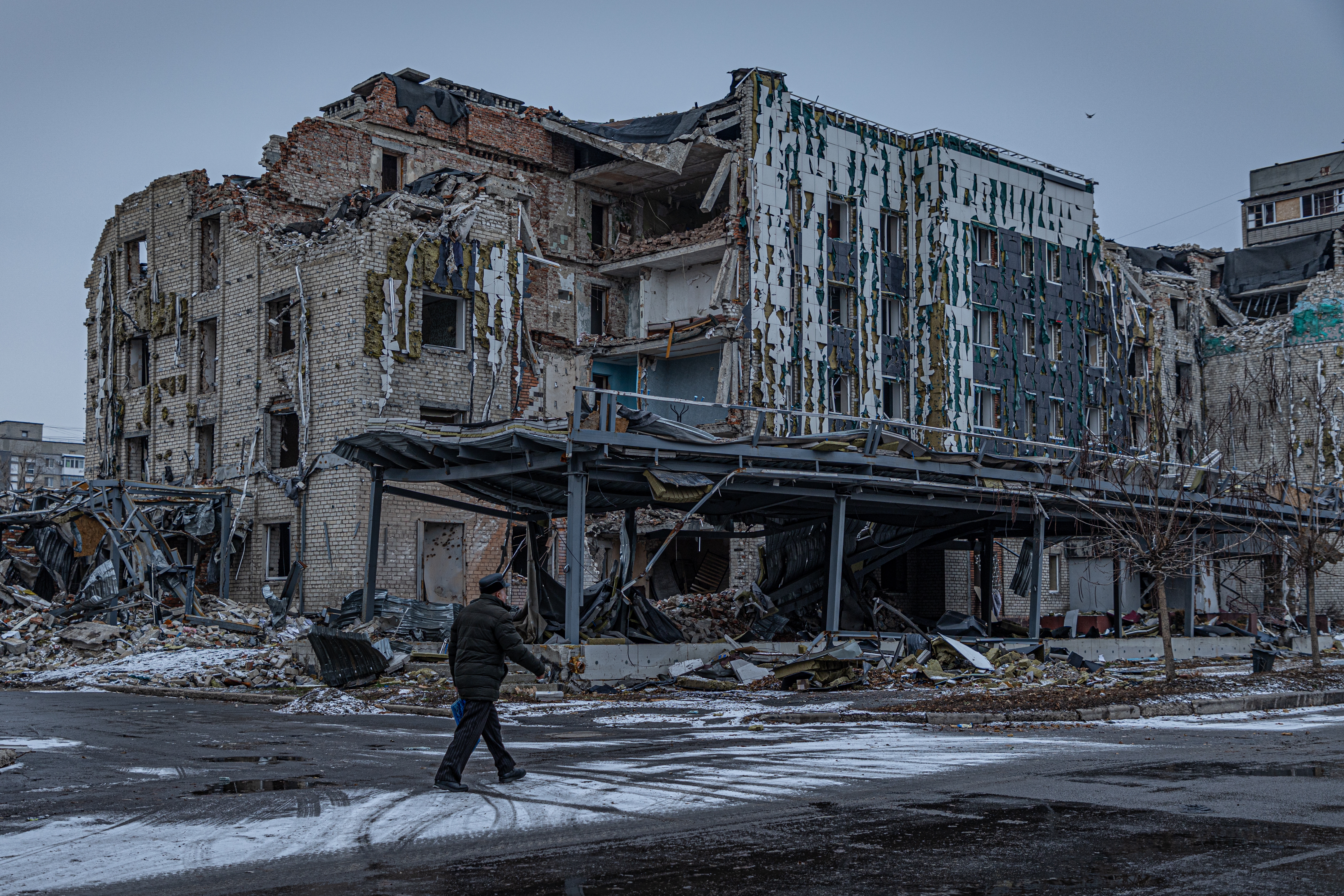
Since the conflict’s escalation on October 7, 2023, Gaza has endured unprecedented humanitarian devastation. According to the Gaza Ministry of Health, by late 2024, over 44,000 Palestinians had died, with more than 104,000 wounded. The densely populated territory, home to approximately 2.3 million people, experienced mass displacement due to relentless airstrikes and ground incursions. Entire neighborhoods were rendered uninhabitable, hospitals and schools were severely damaged, and access to food, water, electricity, and fuel became critically limited. These conditions produced widespread food insecurity, pushing large segments of the population to the brink of famine [1] [2].
Israeli casualties, though fewer in number, were significant. Over 100,000 Israelis were internally displaced during peak conflict periods as rocket barrages and incursions disrupted civilian life.
The broader conflict extended beyond immediate combat zones, triggering regional security challenges and humanitarian crises that reached neighboring states [1] [4].
The human cost of the conflict, therefore, cannot be overstated. Beyond mortality and displacement, the destruction of infrastructure and disruption of essential services has created lasting social and economic strains. Both communities have faced trauma, loss of livelihoods, and a diminished sense of security, underscoring the complex humanitarian dimensions of modern urban conflict.
Regional Spillover Dynamics
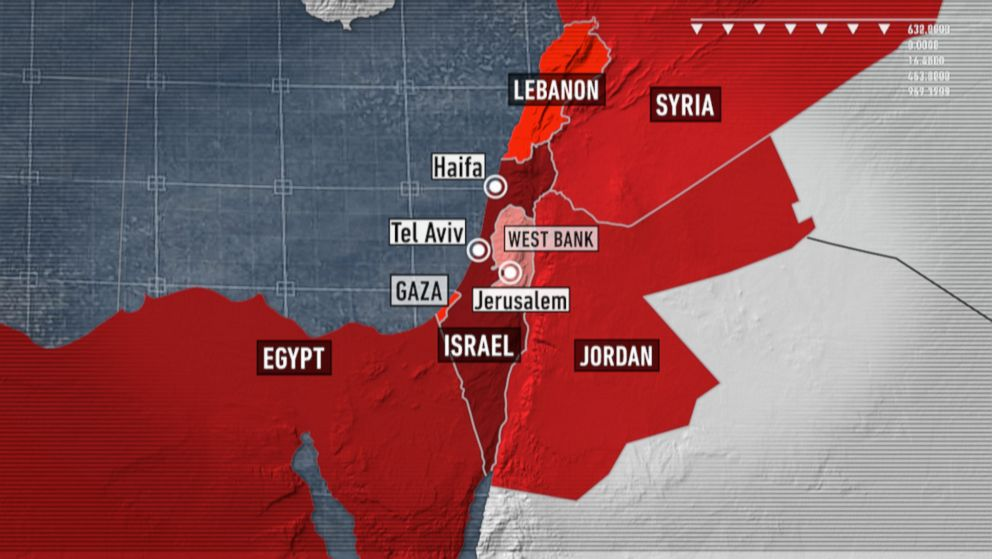
The conflict’s effects are not confined to Gaza and Israel; multiple regional actors have been drawn into the dynamics, heightening the risk of wider escalation. Several key strands illustrate the spillover potential.
Hezbollah and Lebanon
Hezbollah, the Iran-backed group based in Lebanon, has intermittently launched rockets into northern Israel in response to Gaza developments. These provocations prompted Israeli retaliatory
strikes on Lebanese territory, creating a persistent risk of a broader Lebanon-Israel confrontation. Southern Lebanon remains a potential flashpoint, particularly as Israeli forces maintain strategic outposts despite earlier nominal withdrawals [3] [4].
Iran-Backed Militias
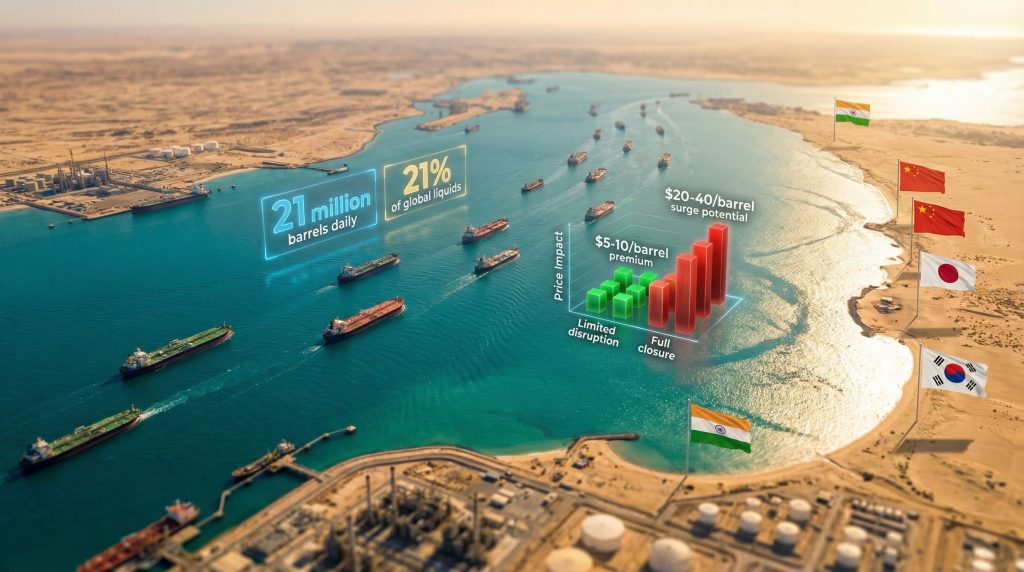
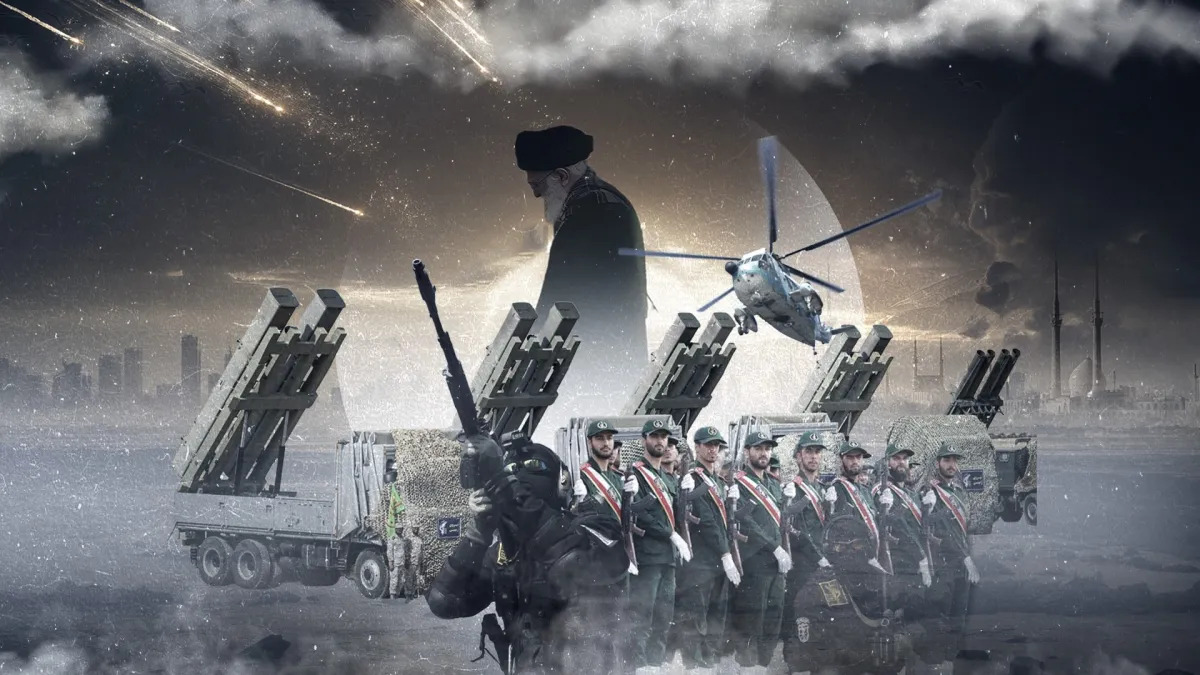
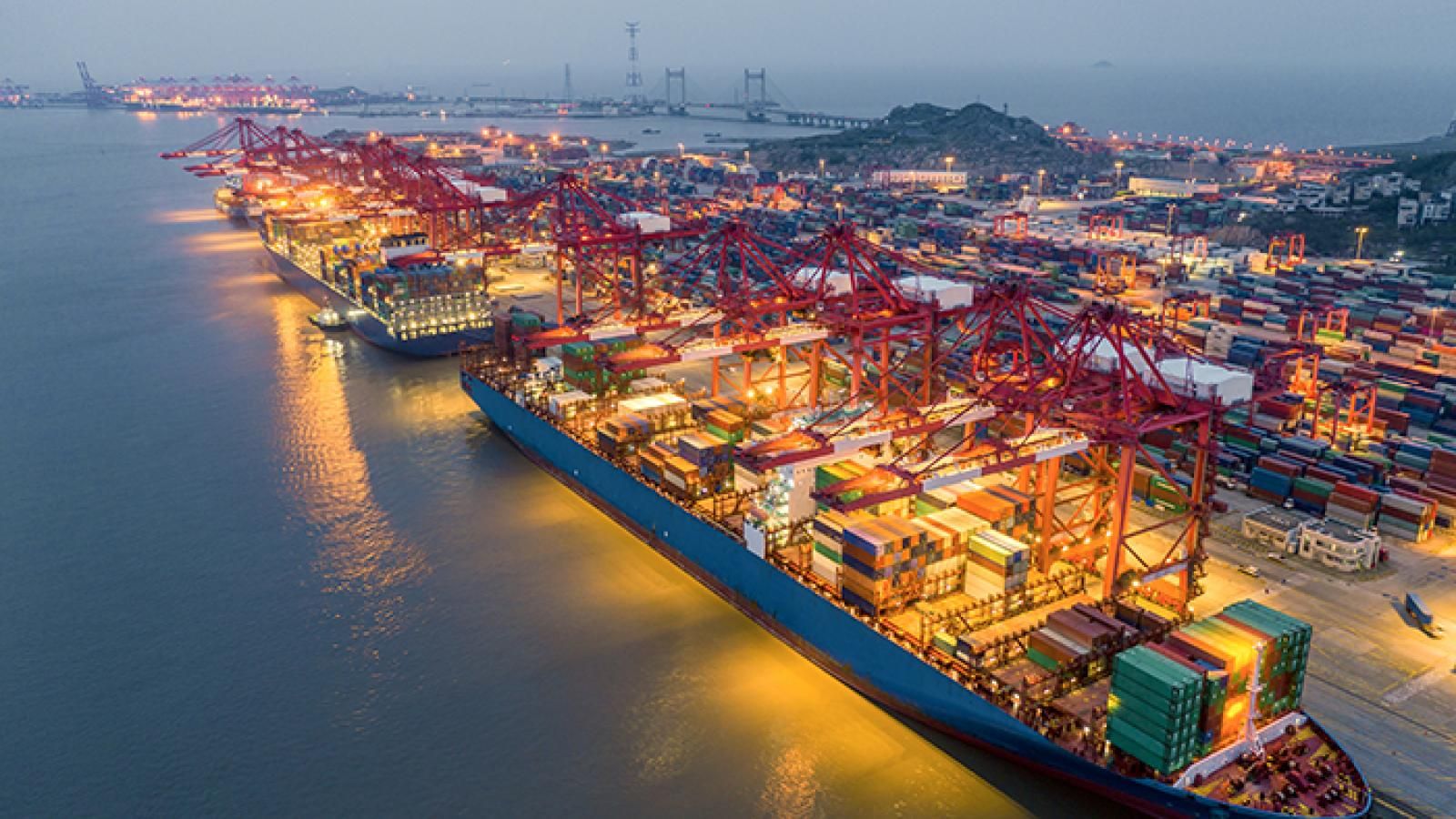
Iranian-aligned militias in Iraq, Syria, and Yemen have increased hostile operations targeting Israeli and US interests. The Yemeni Houthi movement has attacked commercial vessels in the Red Sea, affecting shipping security and global supply chains. These actions contribute to a multifront risk environment, complicating the conflict’s containment and elevating regional insecurity [5].
Syria and Regional Instability
Israel has conducted numerous airstrikes in Syria, targeting Iranian and allied forces. These interventions have aggravated Syria’s already fragile civil war landscape, weakening the Assad regime’s stability and influencing the broader regional balance. The convergence of Syrian instability with the Gaza conflict demonstrates how local hostilities can intersect with larger geopolitical pressures [3] [5] [6].
Regional Actors’ Strategic Adjustments
The evolving crisis has compelled key regional powers to reassess their diplomatic and military strategies.
Saudi Arabia and Gulf States
Saudi Arabia and other Gulf nations have historically balanced normalization talks with Israel against domestic and regional sentiments sympathetic to Palestinians. The ongoing conflict has slowed these initiatives. Riyadh, while condemning military actions in Gaza, continues to carefully manage diplomatic relations with Israel and Western allies. This approach reflects pragmatic, cautious diplomacy amid domestic pressures and regional expectations [5] [6].
Egypt and Jordan
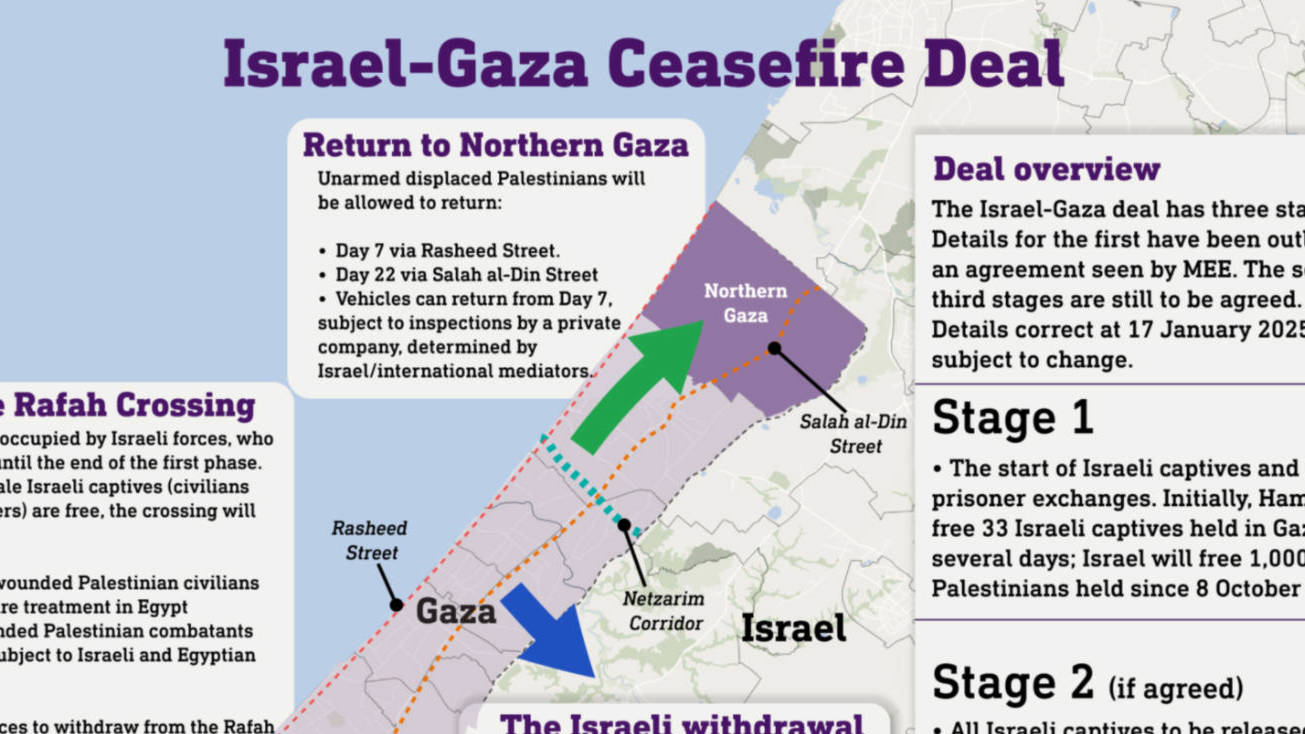
Egypt and Jordan play central mediation roles due to geographic proximity and demographic ties. Egypt manages Gaza’s southern border blockade while facilitating ceasefire negotiations, whereas Jordan, home to a significant Palestinian population, monitors spillover risks and potential domestic unrest. Both countries demonstrate delicate balancing, attempting to contain conflict spillovers while maintaining regional stability [3] [6].
United States and Western Allies
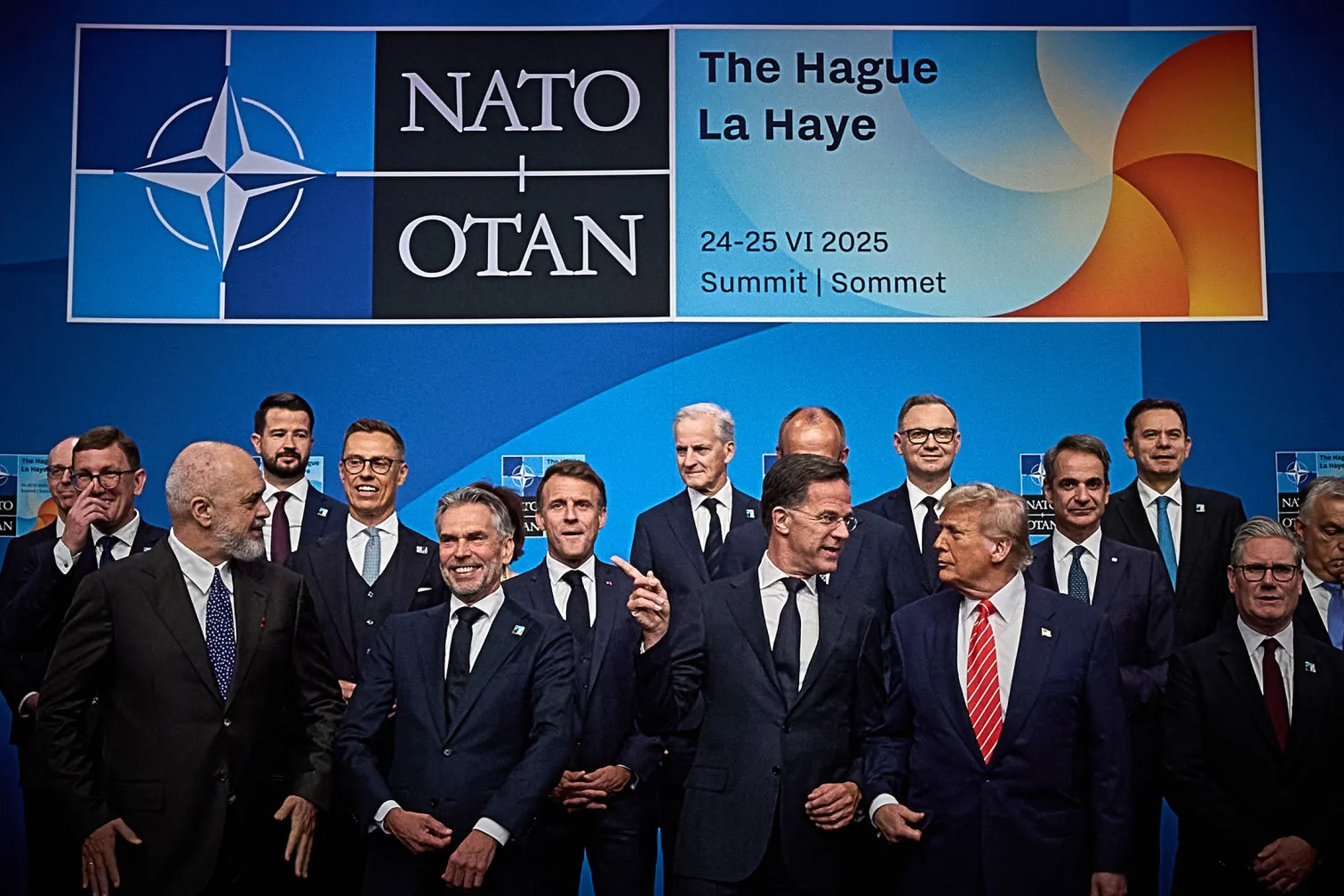
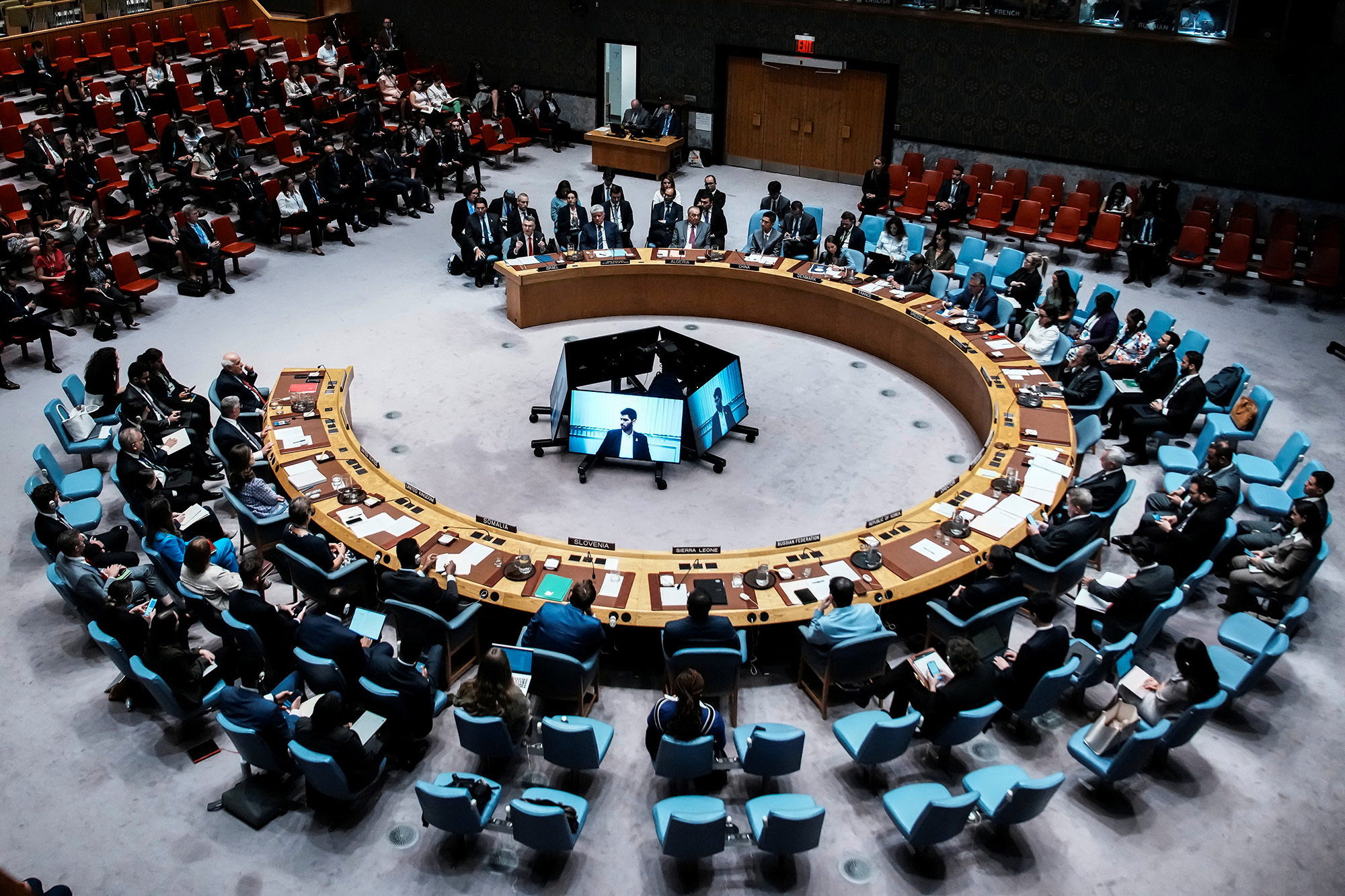
The United States has provided military support to Israel while leveraging diplomatic channels to prevent international censure at forums such as the UN Security Council. European nations adopt varied stances, ranging from support for Israel’s right to self-defense to concern over humanitarian consequences and calls for renewed political solutions. These interactions illustrate how global powers influence regional security dynamics through military aid, diplomacy, and strategic engagement [2] [4].
China and Russia
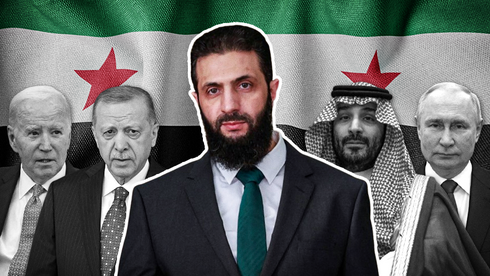
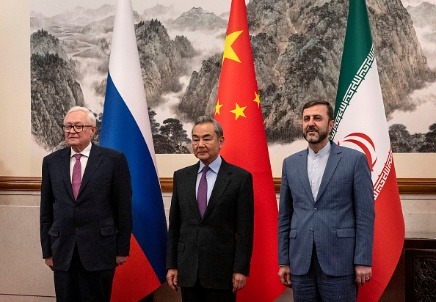
Emerging global powers, including China and Russia, emphasize political and humanitarian solutions. China advocates for a two-state solution and international mediation, while Russia maintains relationships across conflicting actors to maximize strategic leverage. Their involvement reflects a counterbalance to Western influence and underscores the multipolar complexity of contemporary Middle Eastern diplomacy [5] [6].
Economic and Social Costs
The conflict has profound economic repercussions. The World Bank’s rapid damage assessment reports a GDP contraction in Gaza exceeding 35% in 2024, with unemployment near 50% and poverty rates surpassing 70% [5]. Beyond Gaza, disruptions to trade, energy markets, and financial flows have ripple effects across the Middle East, impacting global oil prices and investor confidence.
Socially, the war aggravates refugee crises and stretches neighboring countries’ resources. Human rights organizations document violations on both sides, highlighting the importance of international humanitarian law to mitigate civilian suffering. Education, health care, and public services face long-term disruption, compounding generational impacts [2] [4] [5].
Analytical Perspective: Security Dilemmas and Power Recalibration
From an international relations standpoint, the Israel-Gaza conflict illustrates the security dilemma: defensive measures by one actor trigger heightened insecurity in others, escalating tensions. Regional states now face complex choices regarding military engagement, alliances, and domestic political stability.
Iran’s strengthening of proxy networks challenges conventional state actors, compelling nations like Saudi Arabia and Egypt to hedge their positions carefully. The United States remains a key supporter of Israel while simultaneously pursuing regional stability, a role complicated by domestic and international criticism. Meanwhile, emerging powers such as China seek influence through diplomatic engagement, humanitarian aid, and development support, highlighting the diverse approaches to conflict management in a multipolar world [5] [6].
The conflict also underscores the interplay between local actions and regional power structures. Hostilities in Gaza reverberate across Lebanon, Syria, and the Red Sea, creating a complex web of incentives and deterrents. Each actor must consider military, political, and humanitarian dimensions in real-time, reflecting the multidimensional nature of contemporary Middle Eastern conflicts.
Spillover Mitigation and Diplomatic Efforts
Preventing broader regional war requires sustained diplomatic engagement. Ceasefire agreements, while fragile, remain essential mechanisms for stabilizing conditions on the ground. International organizations and states must prioritize:
Ensuring humanitarian access and civilian protection
Facilitating inclusive political dialogue
Monitoring developments through neutral, verified channels
Adhering strictly to international legal frameworks
Coordinated efforts are vital to reduce misinformation, avoid escalation, and protect vulnerable populations. Regional actors face the challenge of balancing national interests with collective imperatives, navigating a delicate equilibrium in a context of heightened tension [2] [3] [6].
Conclusion: A Delicate and Critical Juncture
The Israel-Gaza conflict’s spillover risks illustrate the interconnectedness of Middle Eastern security, politics, and humanitarian realities. Regional actors are recalibrating amid escalated violence, shifting alliances, and political uncertainty, producing a dynamic yet fragile equilibrium.
For Gaza and Israel, the human cost is immense, with millions affected by displacement, trauma, and infrastructure destruction. For neighboring countries, spillover threatens domestic stability and stretches diplomatic, economic, and security capacities. Globally, the conflict tests the capacity of the international community to foster calm, deliver humanitarian relief, and support equitable political solutions.
The coming months and years will be a test of diplomacy, multilateral coordination, and resilience. Maintaining neutrality, prioritizing humanitarian law, and sustaining dialogue remain essential to prevent further escalation and to create conditions conducive to long-term regional stability.
References
1 - Gaza Ministry of Health, Health and Casualty Reports, 2024–2025.
2 - Human Rights Watch, World Report 2025: Israel and Palestine, March 2025. https://www.hrw.org/world-report/2025/country-chapters/israel-and-palestine
3 - Wikipedia, Gaza war article, updated October 2025. https://en.wikipedia.org/wiki/Gaza_war
4 - Al Jazeera, Israel-Gaza war spillover risk: Mapping recent strikes, January 2024. https://www.aljazeera.com/news/2024/1/25/israel-gaza-war-spillover-risk-mappingrecent-strikes-in-middle-east
5 - World Bank, Gaza and West Bank Interim Rapid Damage and Needs Assessment, 2025. https://thedocs.worldbank.org/en/doc/133c3304e29086819c1119fe8e85366b-0280012025/original/Gaza-RDNA-final-med.pdf
6 - International Crisis Group, Middle East Conflict Updates, 2025.
7 - Council on Foreign Relations, Israeli-Palestinian Conflict Tracker, 2025. https://www.cfr.org/global-conflict-tracker/conflict/israeli-palestinian-conflict