
The Administrative Shift: What’s Really Happening in the West Bank?
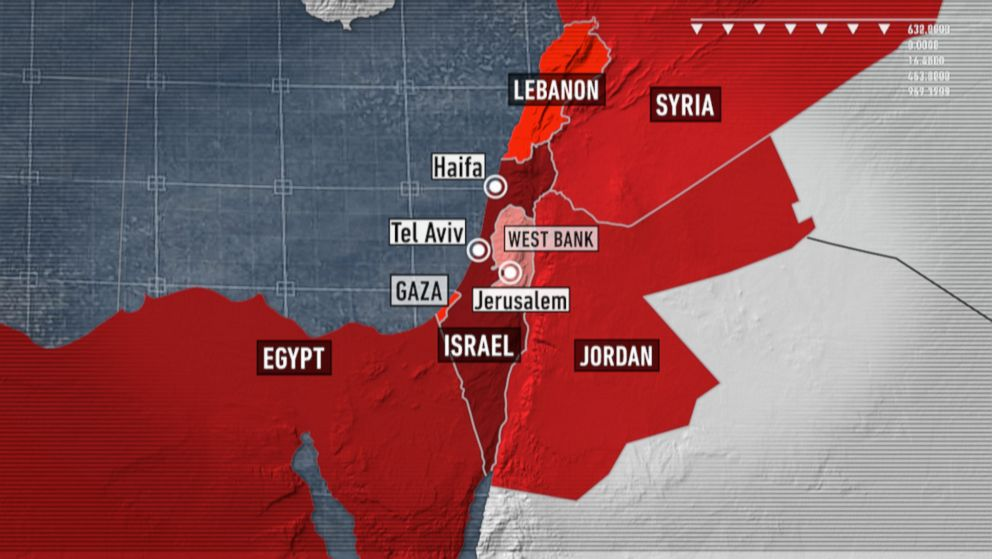
As global eyes focus on Gaza’s devastation, another revolution is quietly underway in the West Bank. It’s not an army sweeping in with tanks it’s an administrative takeover. Israel’s security cabinet has approved measures that reroute legal authority from the Palestinian Authority (PA) to Israeli civil bodies in critical West Bank areas. The aim? By shifting who approves land deals and building permits, Israel cements settler expansion without formally “annexing” territory. Palestinians and neighbouring Arab states warn this “de facto annexation” is a point of no return for regional stability. Yet Washington’s response has been mixed, decrying annexation in words while largely turning a blind eye to facts on the ground. The new reality: you can rewrite control of the West Bank with bureaucratic pen strokes, altering lives far more permanently than any fleeting flag raising ceremony.
The Hebron Bethlehem Transfer
The most concrete step in this “legal revolution” is the transfer of administrative authority in Hebron and Bethlehem. In Hebron, Israel has moved building permit approvals and licensing from the Palestinian run municipality to the Israeli military’s civil administration. In Bethlehem, a similar handover applies to the Jewish settlement around Rachel’s Tomb. Both are major urban hubs: Hebron is the largest West Bank city, divided by a 1997 agreement into a smaller PA controlled area and a settlement controlled zone. The Guardian notes this move could even violate that old Hebron Protocol. Israeli ministers framed these as mundane bureaucratic changes promoting “transparency” or undoing archaic Jordanian era laws on land sales. But Palestinians see a far more ominous logic. The PA’s Ramallah spokesperson warned the measures deepen attempts to annex the occupied West Bank. Indeed, by pulling civil tools like land registries and permits out of PA hands, Israel effectively undercuts Palestinian autonomy step by step.
Functionally, this means new hurdles and uncertainties for Palestinians. Land that was managed by Palestinian authorities now falls under Israeli rules. Some land registries will be made public instead of kept confidential, ostensibly to let settlers buy more easily, but in practice creating legal exposure for long held Palestinian properties. Peace group analysts warn that these changes will facilitate the loss of Palestinian owned land: under new land registration, many plots may suddenly be declared Israeli state property. The shift is subtle but profound. Over time, fewer permits will be available to Palestinians and more to settlers, altering the demographic balance without a formal annexation declaration.
Regional Alarm Bells
Unsurprisingly, neighbours are outraged. Egypt, Jordan and others have issued blistering condemnations. Egypt’s foreign ministry called the land measures a “dangerous escalation aimed at consolidating Israeli control”. Jordan’s government declared the decisions “a blatant violation of international law,” saying they infringe Palestinians’ right to statehood and threaten regional security. The joint Arab Islamic statement signed by Cairo, Amman, Riyadh and others warned these steps “would inflame violence, deepen the conflict and endanger regional stability”. In effect, Israel’s quiet bureaucratic shifts are being seen in capitals as the launch of formal annexation. For countries like Egypt and Jordan, who signed peace treaties with Israel under assumptions of a two state future, the territorial integrity of the West Bank is existential. They fear that if Israel can usurp administration today, there may be little left to negotiate tomorrow.
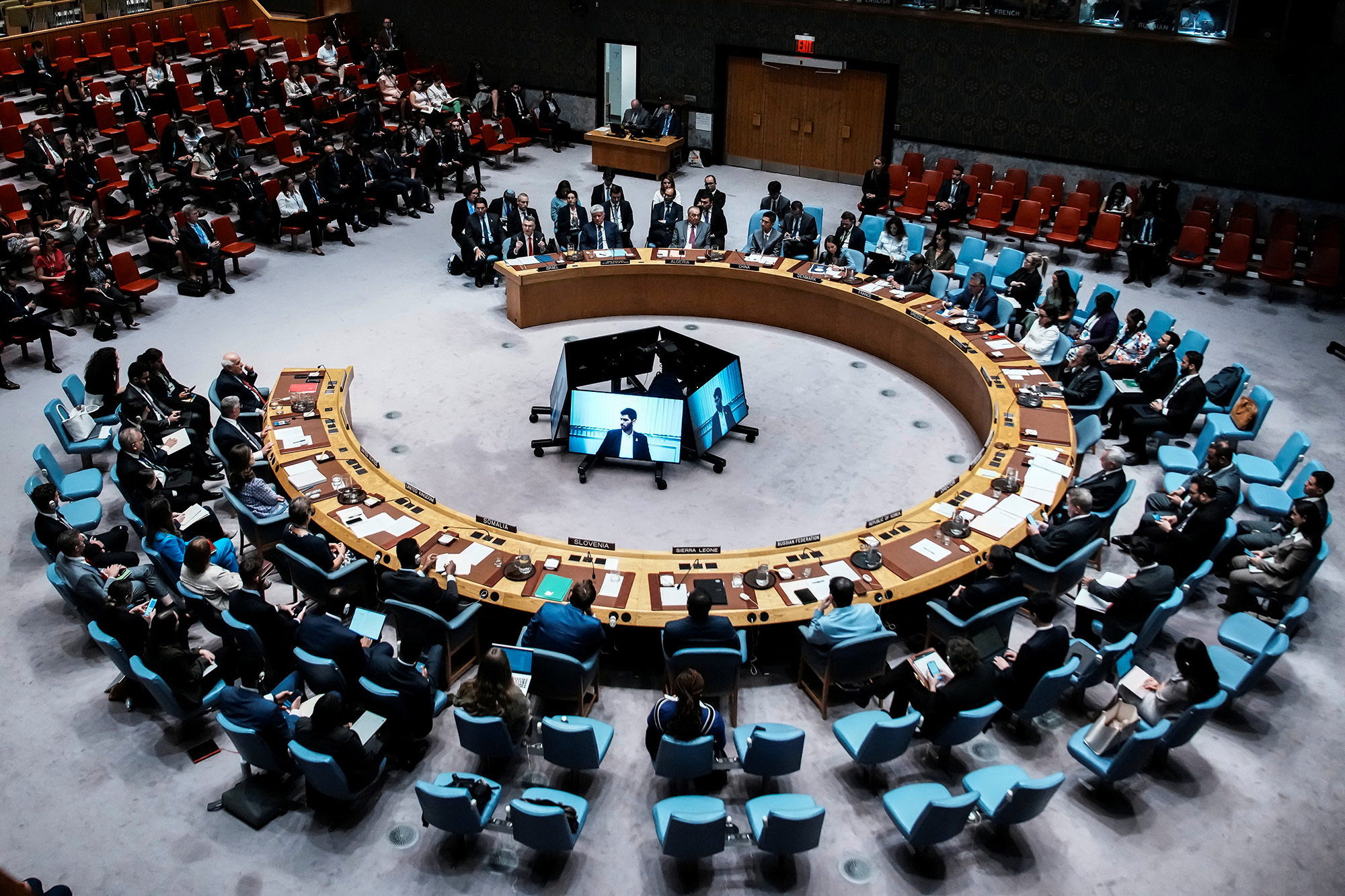
These fears are heightened by the global context. The Western backed PA is weaker than ever, financially starved and politically frail. In its Ramallah statement, the PA called for international intervention to prevent a “de facto beginning of the annexation process”. Russia’s UN envoy even warned that “paving the way for more settlements” overturns decades of agreements. But so far, aside from denunciations, concrete pushback has been minimal. Even the UN’s Jerusalem envoy said he fears these legal shifts may become irreversible, signaling a grim milestone. In sum, the region is sounding the alarm: what began as changes to papers and permits could quickly spiral into full blown annexation, with repercussions far beyond West Bank checkpoints.
The U.S. Contradiction
Caught in this storm is the United States. Officially, the Biden administration (like its predecessor Trump) publicly opposes annexation of the West Bank. White House statements during the recent Netanyahu Trump meeting reaffirmed that “a stable West Bank keeps Israel secure” and that Washington does not support Israel claiming territory. Secretary of State Rubio even quipped that he came to Munich to ensure the U.S. remains “a child of Europe,” hinting at allied frictions but stressing continuity in broader alliances (not specifically Middle East policy). Yet on the ground, U.S. policy has been inconsistent. Since 2024 the U.S. has pressured Israel to halt a formal annexation vote, but it has done little to challenge these administrative changes. In fact, the Reuters report on Feb 15 notes: “Trump has ruled out Israeli annexation... but his administration has not sought to curb Israel’s accelerated settlement building.”. A similar dynamic persists under Biden. Essentially, while Washington rails against the rhetoric of annexation, it tolerates gradual realities.
This contradiction stems from political calculus. Hard liners in Congress and the Senate would punish any direct annexation with aid cuts, making overt annexation politically untenable. But whisper quiet administrative takeovers fly under the radar. It’s telling that when Israeli ministers announced these West Bank measures, no sanctions or consequences followed from Washington only verbal opposition. So the U.S. position looks contradictory: in theory, annexation is a red line; in practice, the red ink on paperwork is meeting no resistance. Critics argue this undermines U.S. credibility with Palestinian partners and emboldens like minded moves by others in the future. The lesson for outside observers is this: annexation by other means can proceed until the geopolitical will to stop it crystallises.
The Takeaway: An Administrative Annexation
The lesson of the West Bank’s “legal revolution” is stark: maps can change without a declaration. “Annexation doesn’t always happen with a flag raising,” notes an Israeli scholar “sometimes it happens with a change in who signs the building permits.” By shifting bureaucratic authority, Israel is effectively absorbing swaths of the West Bank into its governance, while still claiming it’s just legal reform. This is harder to reverse than a single vote in parliament; it means decades of PA led administration are being unpicked section by section.
For policy makers, the implications are profound. If these measures become entrenched, they will reshape any future negotiations: areas now under Israeli civil control will be vastly harder to put on the table for a Palestinian state. Equally, the regional backlash shows that such unilateral moves carry a price. Countries like Egypt and Jordan are signaling that they may reconsider their own accommodations with Israel if the annexation process continues. And for the Palestinians, these changes are a bitter confirmation that many international pledges of support ring hollow absent enforcement.
Bottom line: Israel’s security cabinet is quietly redrawing the lines of control in the West Bank. It’s a bureaucratic annexation insidious because it may not even make headlines. But the stakes could not be higher. As one diplomatic source warns, if administrative control can be seized with the stroke of a pen, then the corridors of Israeli ministries are just as consequential as the annexation votes of legislatures. In that sense, “the occupation becomes permanent not by decree, but by default” unless the world wakes up to what’s really happening.