China’s Indo-Pacific Strategy: Naval Power, Trade Routes, and Territorial Tensions
The Indo-Pacific’s Crucible of Power and Ambition
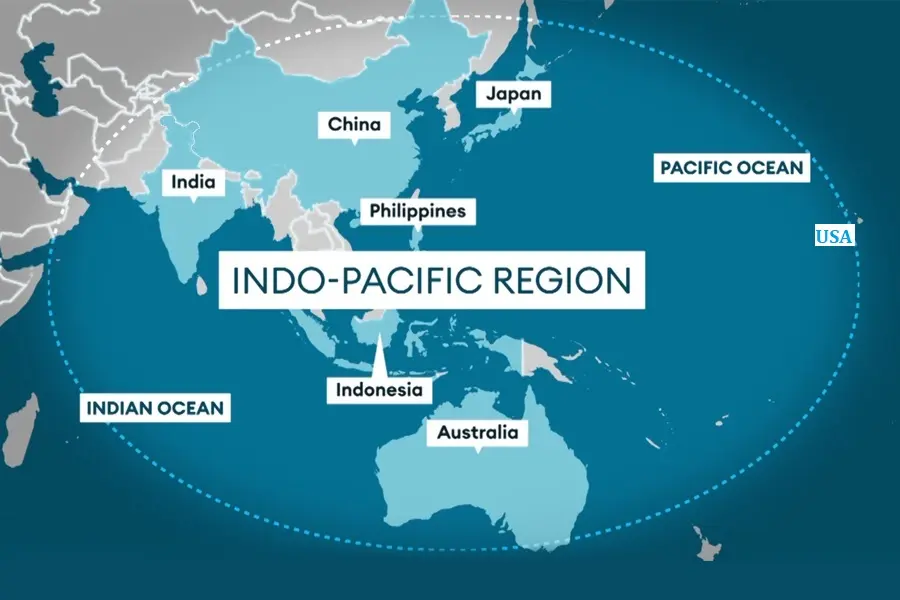
The Indo-Pacific region, stretching from the Indian Ocean to the western Pacific, stands at the heart of 21st-century geopolitics. It is home to more than half of the world’s population and drives the majority of global economic growth and maritime trade. Over recent years, this vast region has become a crucible of strategic rivalry, with China emerging as a central actor seeking to shape its political, military, and economic contours. Through a complex interplay of naval modernization, expansive trade routes, and territorial assertiveness, China aims to secure a position of long-term influence while safeguarding its strategic interests and supply chains. Understanding China’s IndoPacific strategy provides valuable insight into how global power dynamics are being redefined [1].
The Indo-Pacific’s importance lies not only in its geography but also in its economic vitality and political volatility. The convergence of strategic sea routes, critical chokepoints, and rapidly developing economies creates a dynamic environment where competition and cooperation coexist. China’s growing footprint in the region reflects an ambition that merges economic development with defense modernization. At the same time, regional actors such as India, Japan, Australia, and the United States pursue their own versions of regional stability, producing a constantly shifting balance of power that will shape the decades ahead.
China’s Naval Expansion: From Coastal Defense to Blue-Water Power
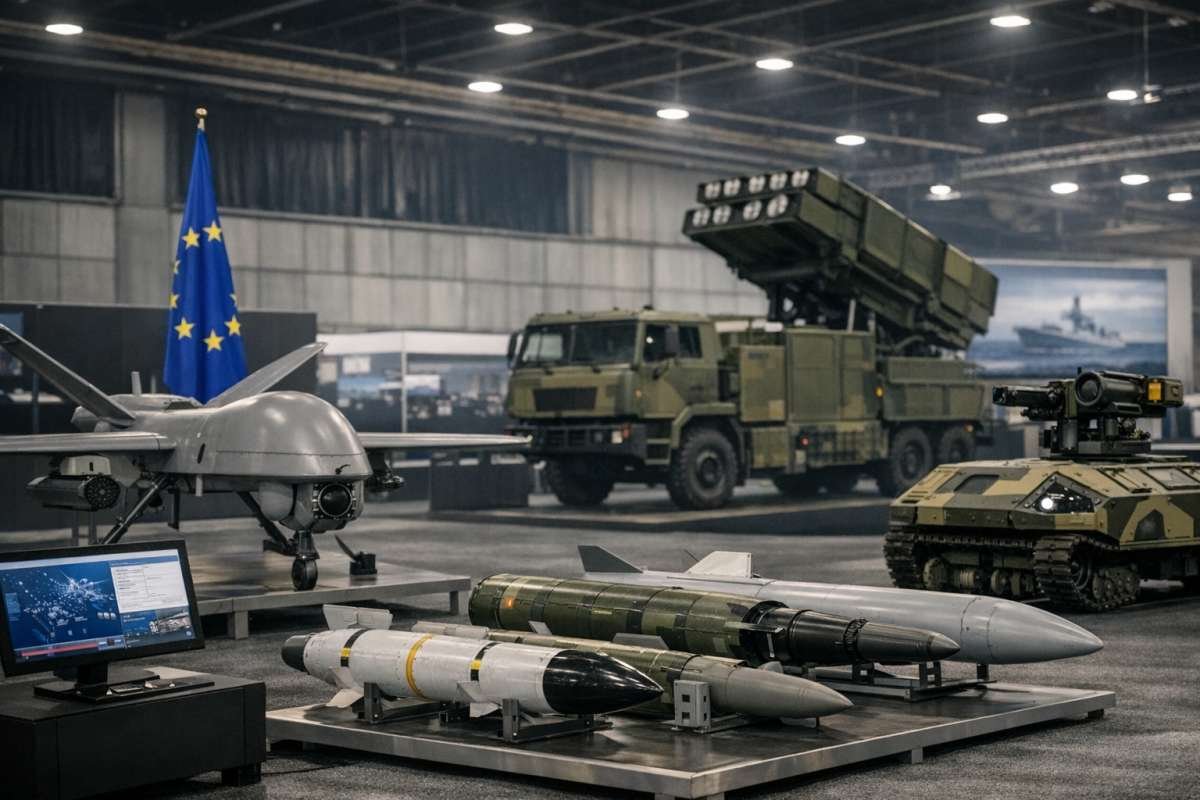
China’s rise as a maritime power is central to its Indo-Pacific ambitions. The People’s Liberation Army Navy (PLAN) has transformed from a coastal defense force into the world’s largest navy by vessel count, commanding an estimated 370 ships, including over 130 major surface combatants [1]. This expansion reflects Beijing’s determination to project power beyond its immediate periphery and to secure its maritime supply routes against potential disruptions. For the first time, China has deployed multiple aircraft carriers simultaneously in the Pacific, marking a symbolic and strategic milestone [2].
The development of advanced destroyers, nuclear-powered submarines, and amphibious assault ships signals Beijing’s growing confidence in its ability to operate across distant waters. However, analysts note that China’s naval doctrine remains focused primarily on regional dominance rather than global confrontation. Its near-term goal appears to be the consolidation of control over the East and South China Seas, waters considered essential to national security and sovereignty. Here, China combines sea-based power with land-based missile systems and aerial defense networks, creating a layered security umbrella that complicates foreign naval operations [1].
Despite these advancements, challenges persist. China’s global reach is limited by logistical constraints, the absence of a robust network of overseas bases, and technological gaps in nuclear propulsion systems. Compared to the U.S. Navy, whose logistical and carrier-based capabilities enable global operations, China’s naval force remains largely regional. Yet within the Indo-Pacific, this force serves as a formidable deterrent and a symbol of China’s determination to safeguard its maritime frontiers.
The Maritime Silk Road: Strategic Connectivity and Economic Leverage
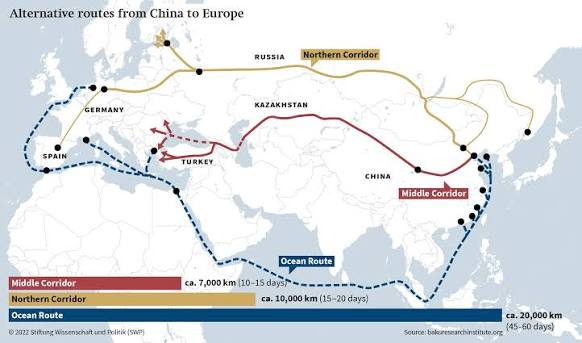
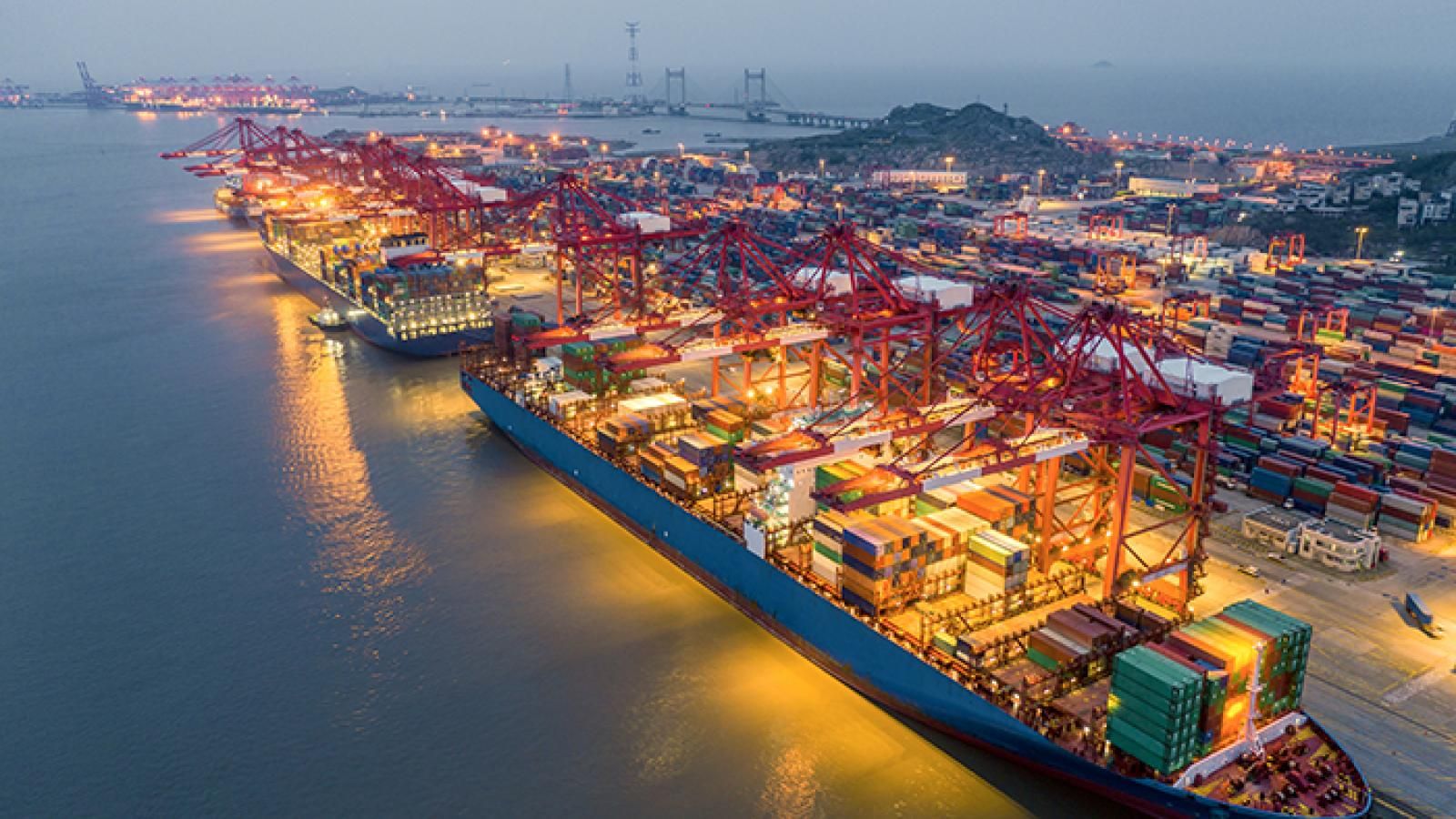
Parallel to its naval expansion, China’s Belt and Road Initiative (BRI) embodies its economic and geopolitical outreach. The maritime dimension of this initiative known as the Maritime Silk Road seeks to link the Indo-Pacific with South Asia, Africa, and Europe through a network of ports, railways, and industrial corridors. This project is designed not only to facilitate trade but also to embed China within the economic infrastructure of partner nations, thereby extending its influence through connectivity rather than coercion [3].
Strategic ports in Gwadar (Pakistan), Kyaukpyu (Myanmar), and Hambantota (Sri Lanka) form what analysts have termed the “String of Pearls” , a series of logistical and trade nodes that allow China greater access to the Indian Ocean. These investments serve dual purposes: ensuring energy security by bypassing vulnerable chokepoints like the Malacca Strait and establishing a forward presence for maritime logistics. Critics, however, argue that some of these projects risk creating debt dependency and granting China long-term political leverage over host nations [3].
Nevertheless, for many developing countries, Chinese investment represents a rare opportunity to modernize outdated infrastructure and integrate into global trade systems. For instance, BRI-linked projects have contributed significantly to GDP growth in countries such as Myanmar and Bangladesh. The resulting economic interdependence further blurs the line between economic development and strategic influence, reinforcing China’s presence in the Indo-Pacific not through military conquest but through infrastructure and capital.
Territorial Disputes: Flashpoints in the South China Sea
While China’s economic strategy emphasizes cooperation and development, its territorial policies reflect a far more assertive posture. Nowhere is this more evident than in the South China Sea, a region rich in resources and traversed by nearly one-third of global shipping. China claims vast areas of this maritime expanse, overlapping with the exclusive economic zones of countries such as the Philippines, Vietnam, and Malaysia [4].
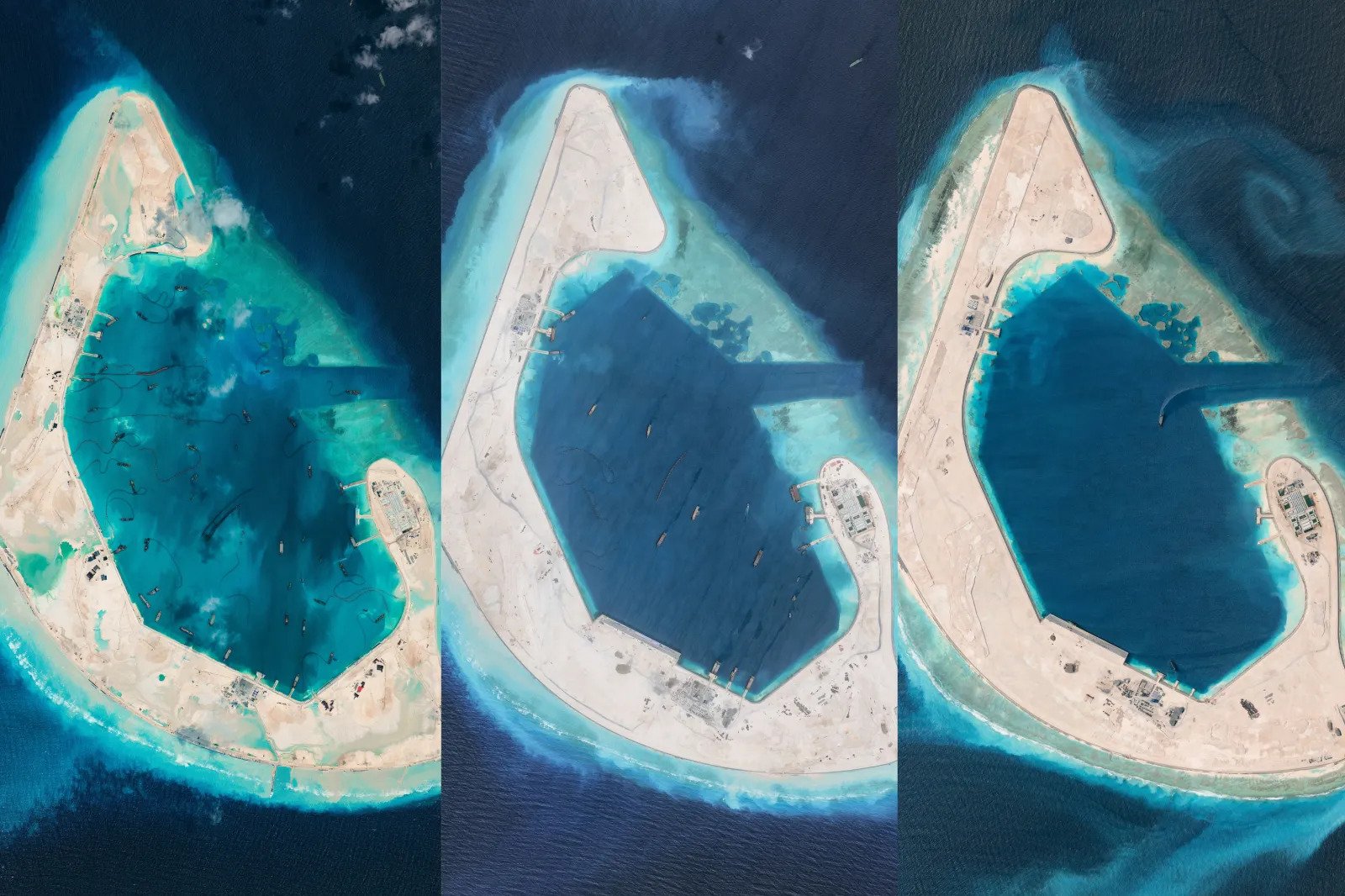
Over the past decade, China has engaged in extensive land reclamation and the construction of artificial islands, converting previously uninhabited reefs into fortified bases equipped with runways, missile systems, and radar installations. It currently maintains more than 20 outposts in the Paracel Islands and at least seven in the Spratly chain [4]. These developments have triggered regional concern and drawn international criticism, with the United States and its allies conducting freedom of navigation operations to challenge what they view as excessive territorial claims.
Incidents between Chinese and Southeast Asian vessels have increased, sometimes resulting in collisions and diplomatic standoffs. Yet Beijing continues to justify its activities under the banner of historical sovereignty, emphasizing peaceful intentions and the need to protect its maritime rights. This juxtaposition of diplomatic reassurance and military buildup illustrates the duality of China’s approach, seeking to assert authority while avoiding open conflict.
Strategic Balancing and Regional Responses
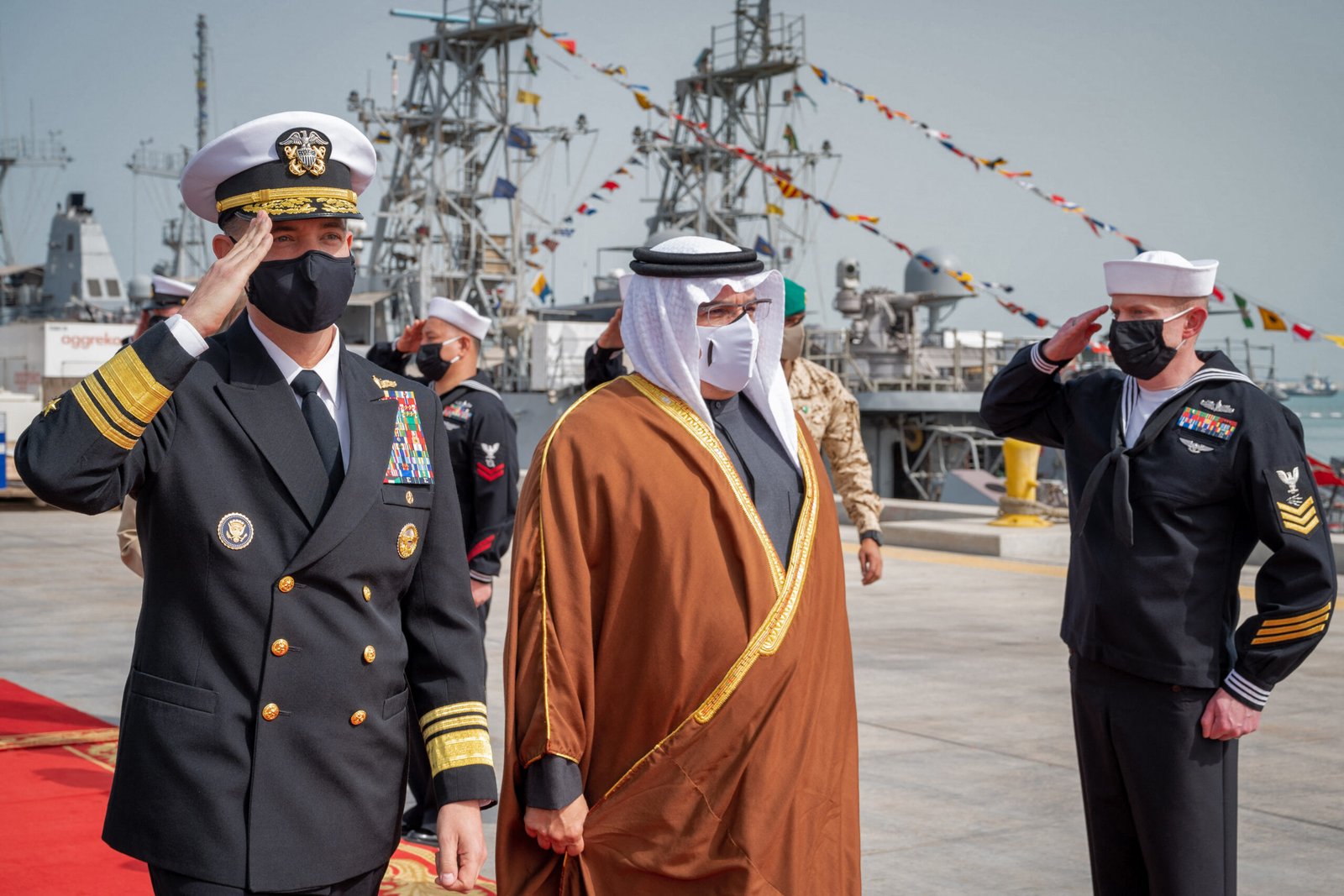
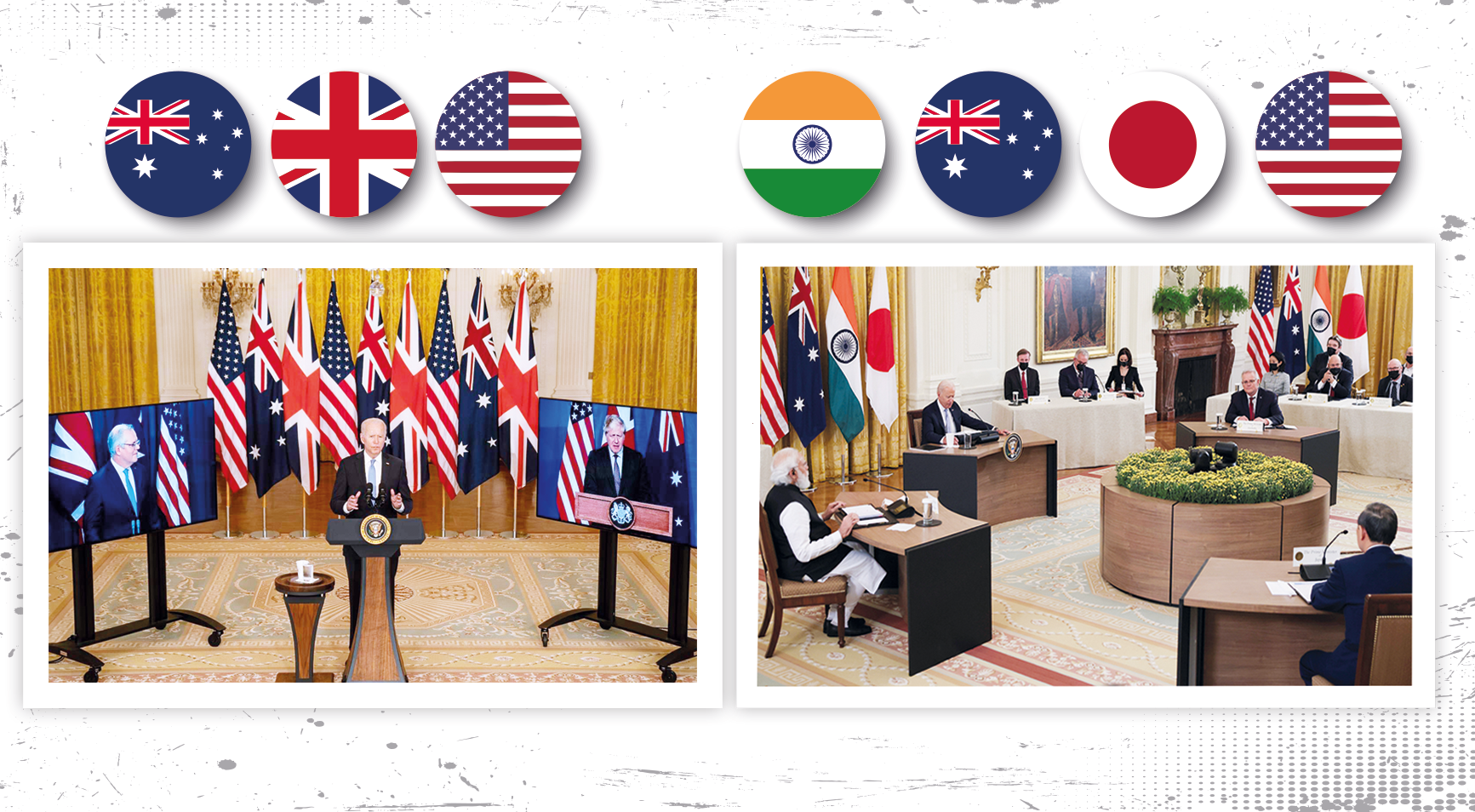
China’s growing influence in the Indo-Pacific has prompted regional powers to strengthen alliances and diversify defense partnerships. India has expanded naval exercises with Japan and Australia under the Quadrilateral Security Dialogue (Quad), while Japan has accelerated its provision of defense equipment and training to Southeast Asian nations. The United States, through its “Free and Open Indo-Pacific” strategy, continues to reaffirm its commitment to regional security and maritime freedom [3][4].
However, regional balancing does not necessarily equate to direct opposition. Many states navigate a delicate balance between economic dependence on China and security cooperation with its competitors. Southeast Asian nations, for example, often pursue “hedging” strategies; engaging economically with China while maintaining defense ties with the U.S. and Japan. This pragmatic diplomacy reflects the region’s complex interdependence and the recognition that confrontation benefits no one in a trade-dependent region.
The future of Indo-Pacific security will likely rest on these fluid alignments. Rather than a new Cold War, what is emerging is a multipolar order where China’s power must coexist with countervailing coalitions that seek to preserve autonomy and open access to maritime commons.
Technology, Energy, and Digital Dimensions
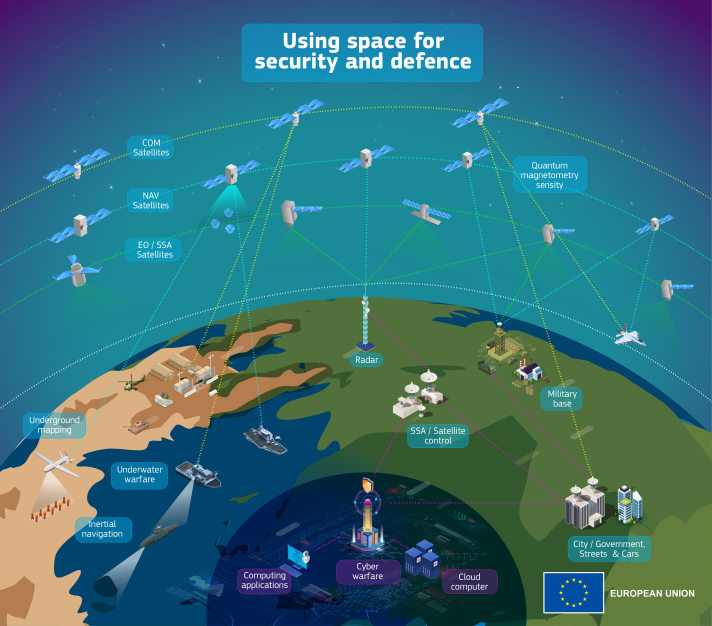
Beyond naval and economic instruments, China’s Indo-Pacific presence increasingly extends into technology, energy, and digital infrastructure. Through undersea cable projects, renewable energy cooperation, and digital payment systems, Beijing seeks to shape the emerging technological landscape of the region. This strategy complements its physical connectivity initiatives, ensuring that China’s influence spans both tangible and digital domains [3][5].
The concept of “Digital Silk Roads” encapsulates these ambitions, integrating telecommunications, e-commerce, and data centers into the wider BRI network. For smaller IndoPacific nations, Chinese digital infrastructure offers affordable and rapid modernization, though it also raises questions about data security and dependency. Similarly, energy cooperation, including investments in green technologies and oil refineries, helps deepen China’s integration into regional economies.
This multidimensional approach demonstrates how Beijing’s Indo-Pacific strategy operates across intersecting layers; military, economic, and technological. Each reinforces the other, creating a comprehensive framework of influence rooted in connectivity and interdependence rather than direct confrontation.
Analytical Perspectives and Neutral Observations
Scholars argue that China’s strategy in the Indo-Pacific is neither purely expansionist nor altruistically developmental. It is a synthesis of ambition and pragmatism, a pursuit of security through influence and prosperity through control. According to Eva Borreguero Sancho, China’s approach is defined by its desire for strategic autonomy and stability, balancing assertiveness with cooperation to avoid outright isolation [3].
Nigel Inkster’s analysis highlights the importance of coalition-building in China’s regional vision, noting that Beijing increasingly uses diplomatic, economic, and cultural tools to create flexible partnerships that mirror, rather than oppose, Western alliances [5]. This strategy aligns with China’s emphasis on “win-win” narratives that frame its actions as mutually beneficial while subtly reordering regional hierarchies.
Critically, the success of China’s Indo-Pacific strategy will depend on how effectively it can manage the contradictions within its own model, the tension between control and openness, nationalism and interdependence, ambition and restraint. As Oxford Academic notes, China’s rise within this maritime century must be understood not as a linear trajectory toward dominance but as an evolving process shaped by negotiation, competition, and adaptation [6].
Conclusion: Navigating the Indo-Pacific’s Uncertain Future
China’s Indo-Pacific strategy reveals a vision that intertwines power, commerce, and ideology. Through its naval modernization, expansive trade corridors, and technological integration, Beijing seeks to shape a regional order conducive to its long-term security and prosperity. Yet, this strategy exists within a contested environment where multiple actors pursue overlapping interests.
The coming years will likely witness both heightened competition and expanding cooperation. While maritime incidents and territorial disputes will persist, channels of economic interdependence will continue to bind nations together. The Indo-Pacific’s future will not be determined by dominance but by the ability of regional powers including China to coexist within an evolving, multipolar framework.
In this maritime century, the Indo-Pacific will remain a theater of both tension and opportunity. For China, the challenge will be to balance ambition with accommodation, ensuring that its rise contributes to stability rather than fragmentation. For other nations, the task will be to engage China as both competitor and partner recognizing that the tides of influence in this vast region can neither be fully controlled nor entirely resisted.
References
1 - SPS Naval Forces, 1.China's Naval Capabilities & Implications for the Indo-Pacific, December 2024. https://www.spsnavalforces.com/story/?id=741&h=Chinas-Naval-Capabilities-and-Implications-for-the-Indo-Pacific
2 - Al Jazeera, China's aircraft carriers in Pacific signal ability to 'contest' US power, August 2025. https://www.aljazeera.com/news/2025/8/15/china-navy-power-on-show-in-pacificsignals-ability-to-contest-us-access
3 - Eva Borreguero Sancho, Indo-Pacific 2025: strategies, cooperation, and competition, Spanish Ministry of Defense Analysis Paper, 2025. https://www.defensa.gob.es/documents/2073105/2766091/indopacifico_2025_dieeea52_eng.pdf/63d79a0d-1c48-b1cc-5429-4696700c9f9d?t=1751962957800
4 - Council on Foreign Relations, Territorial Disputes in the South China Sea, September 2024. https://www.cfr.org/global-conflict-tracker/conflict/territorial-disputes-south-china-sea
5 - Nigel Inkster, China’s coalition-building in the Indo-Pacific, Tandfonline, July 2025. https://www.tandfonline.com/doi/full/10.1080/10357718.2025.2471351
6 - Oxford Academic, The Rise of China and the Indo-Pacific, 2019. https://academic.oup.com/book/36648/chapter/321651592