African Coups and Global Response What Recent Power Transitions Mean for Security in the Sahel
Introduction — the Sahel at a security inflection point
Over the past five years the Sahel has become the epicenter of multiple, consequential power transitions that have reverberated well beyond West and Central Africa. Military coups in Mali, Burkina Faso and Niger — each justified by their leaders as corrective responses to insecurity or governance failures — have not only upended domestic politics but also reshaped regional security architectures, humanitarian needs, and the strategies of external powers operating in the region. The result is a more fragmented Sahel, where the old security partnerships are strained, alternative external actors are increasingly present, and local communities bear the immediate human cost.
This article maps the recent coups and the international reactions to them, explains the structural drivers that made these power grabs possible, analyzes how new alignments are altering counter-terrorism and humanitarian outcomes, and offers pragmatic policy recommendations for African states and external partners who want to stabilize the region without exacerbating long-term risks.
Mapping the recent coups: A short chronology
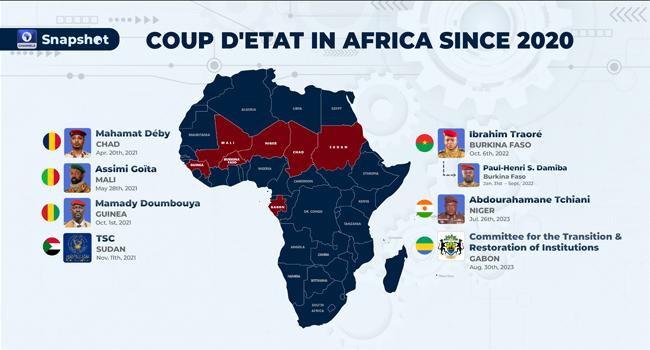
The wave of coups that reshaped the Sahel began with transitions in Mali (military takeovers in 2020 and 2021), continued with Burkina Faso’s coups in 2022 and subsequent political turbulence, and culminated with a high-profile coup in Niger in July 2023. Each case has its particularities local politics, personalities, and security contexts differ but they share a public narrative that links civilian rule to an inability to protect populations from jihadist violence and criminal predation. Journalistic and policy reporting at the time captured both the speed of these transitions and the immediate regional alarm they produced. These coups did not occur in a vacuum: they emerged atop a decade-long trend of deteriorating security in the Sahel and mounting frustration with stagnant socio-economic conditions. But the political breakpoints were sharp in Niger the regional bloc ECOWAS reacted with emergency meetings, sanctions and threats of force; in Burkina Faso and Mali authorities moved to reconfigure ties with former partners while courting new external patrons.
Why coups returned: Structural drivers and political opportunity
Understanding the return of military rule in parts of the Sahel requires differentiating immediate triggers from deeper structural drivers.
Security failure as political justification. Armed Islamist groups linked to IS and al-Qaeda affiliates have steadily expanded their territorial reach and lethality in parts of Mali, Burkina Faso and Niger. Where states cannot guarantee safety, political legitimacy erodes and militaries have justified interventions as corrective measures.
Erosion of state capacity. Poorly resourced institutions, porous borders, and overstretched security services created governance vacuums. Those gaps made both insurgent growth and alternative forms of authority (local strongmen, armed groups, or criminal networks) more attractive or feasible.
Economic stress and social grievance. Slow growth, youth unemployment, food insecurity and the fallout from climatic shocks have amplified public frustration with elites and fueled political volatility.
Political cycles and elite fragmentation. Weak civilian coalitions, contested institutions and factionalized politics gave militaries openings to present themselves as stabilizers.
These drivers do not excuse coups; they explain why the military option found resonance in multiple contexts. The combination of security failure and governance weakness created a permissive environment for extra-constitutional transitions.
The global response: From sanctions to strategic recalibration
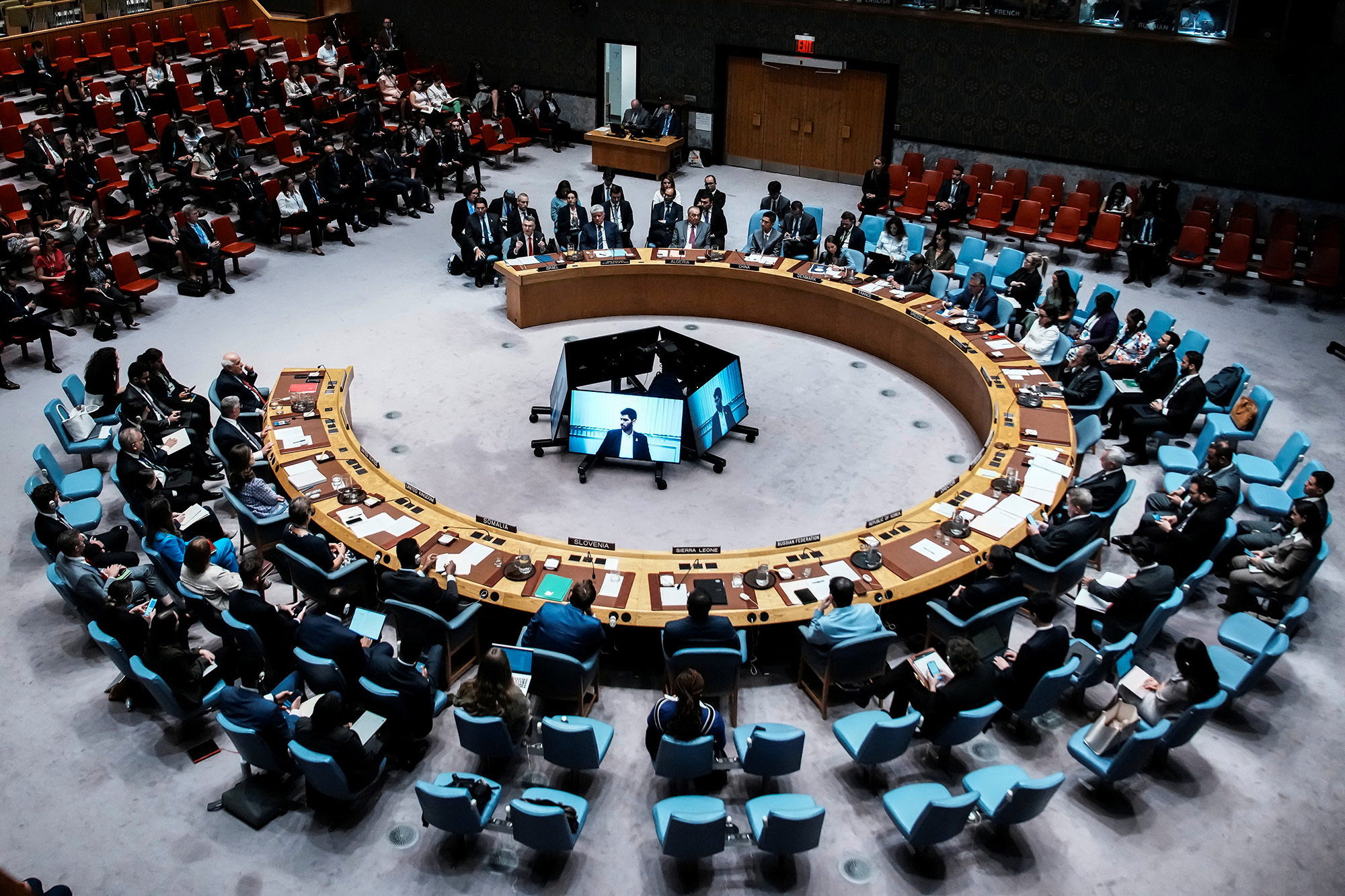
The international reaction to the Sahel coups has been uneven and politically revealing. Responses ranged from punitive measures (sanctions, suspension from regional organizations) to strategic disengagement and, in some cases, a recalibration that implicitly recognizes new power realities.
Regional mechanisms and coercive diplomacy. ECOWAS (Economic Community of West African States) took a hard line during the Niger crisis in 2023, imposing financial and travel sanctions, threatening a no-fly zone and even warning of force as a last resort to restore constitutional order. Those measures were designed to reaffirm regional norms against unconstitutional changes of government but also exposed divisions among neighboring states about how to balance sovereignty, security, and solidarity.
Western policies: withdrawal, conditionality, and strategic recalibration. European and American responses combined condemnation and targeted measures — visa bans, cuts in some security assistance, and diplomatic pressure with a growing recognition of the limits of coercion when security is the central public grievance. France’s operational footprint contracted rapidly after its long counter-insurgency presence became politically toxic, while U.S. and EU partners faced dilemmas about whether to withhold resources (risking further destabilization) or to remain engaged despite democratic backsliding. These trade-offs highlighted the limits of a leverage-only approach to influence outcomes in fragile states.
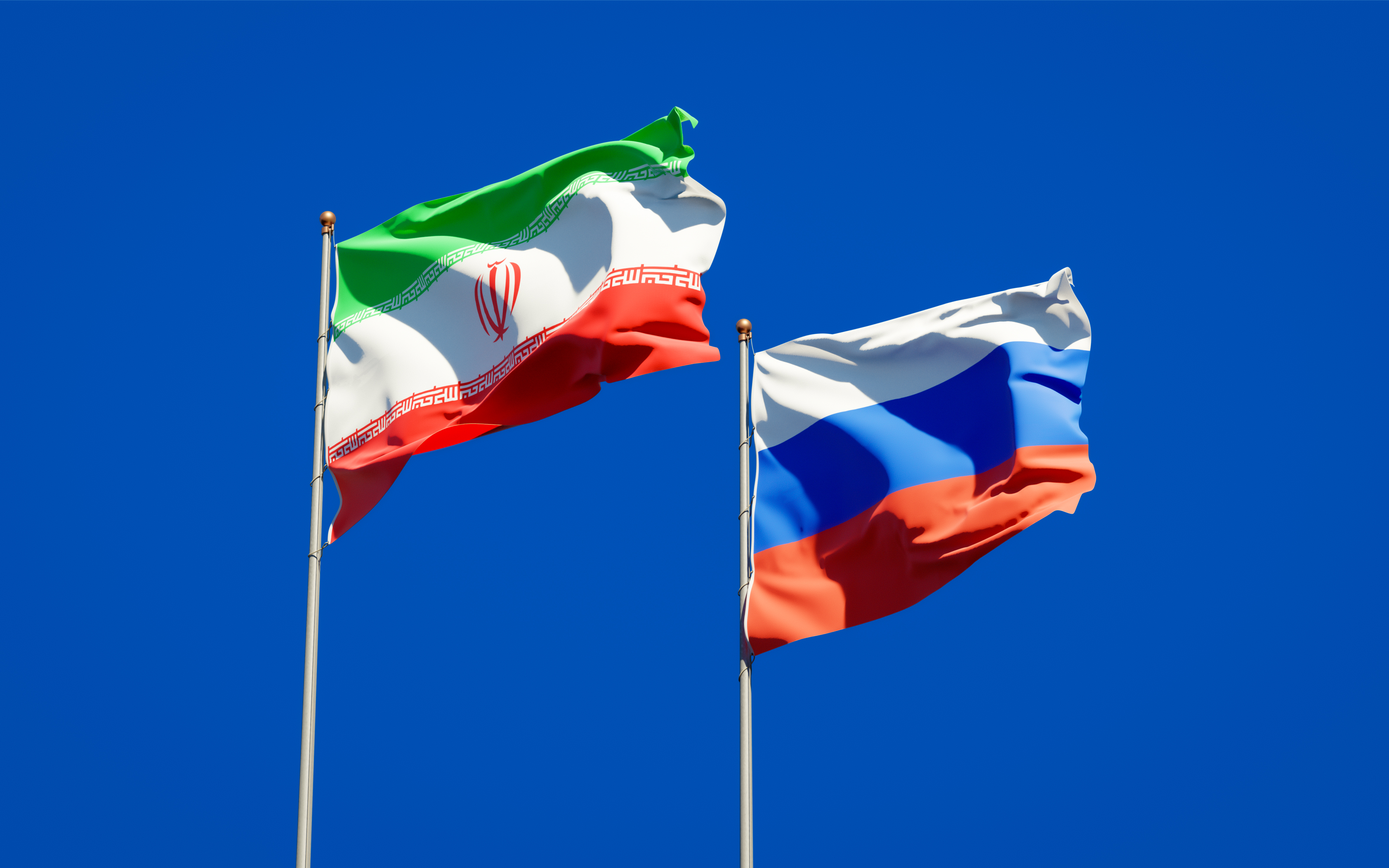
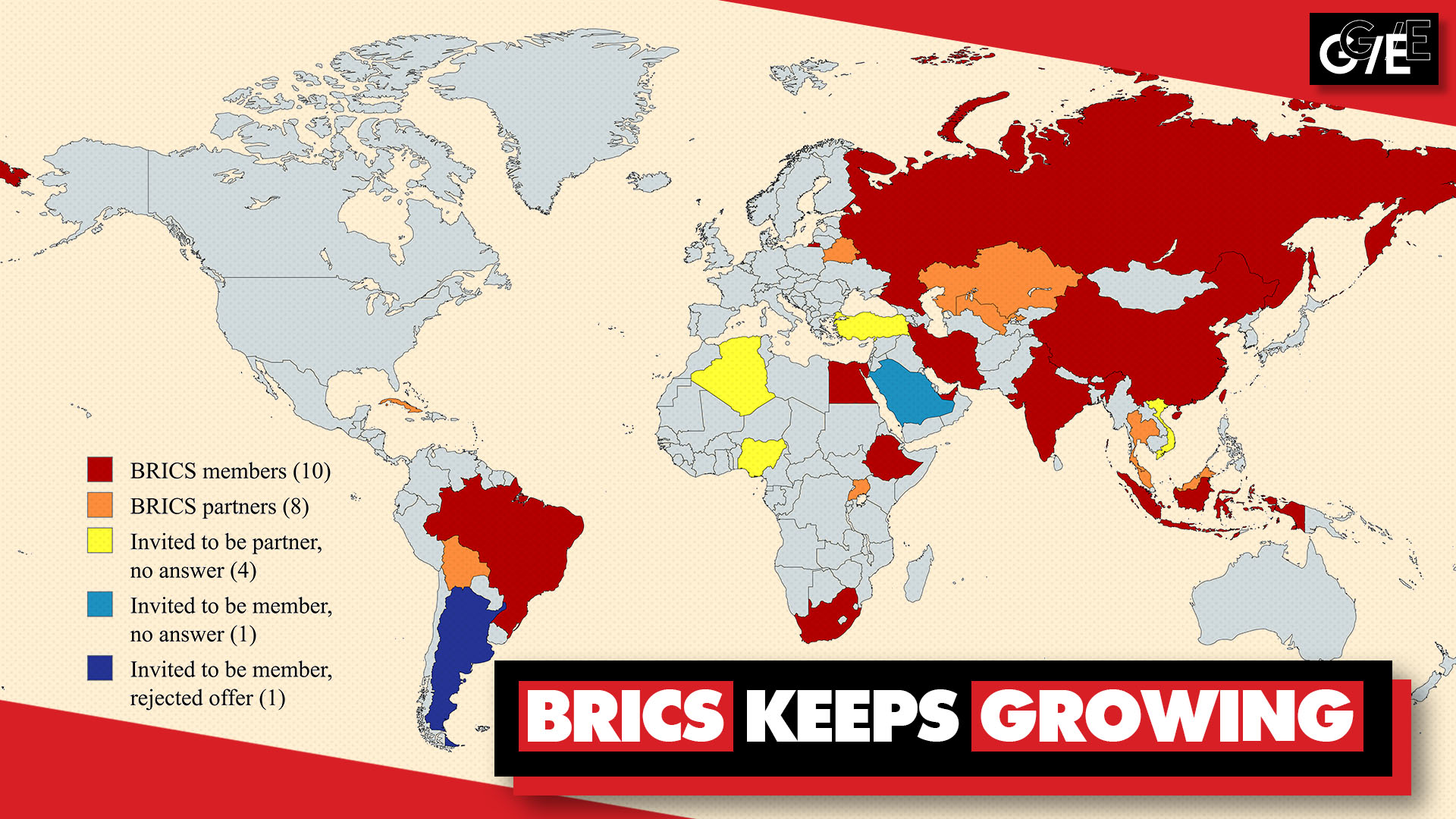
The rise of alternative patrons. Where Western influence receded or became contested, new partners most visibly Russia (through private military contractors and diplomatic outreach) and China (through economic engagement) stepped in with offers of security assistance, training, or quick financing. Moscow’s presence, in particular, was both visible and politically symbolic: agencies associated with Russian mercenary networks operated in several Sahel capitals, providing security services and advising on counter-insurgency while signaling a broader geopolitical shift in regional alignments. The arrival of these alternative actors complicated Western policy choices: engagement with military rulers risked the perception of pragmatic appeasement, while disengagement ceded ground to competitors whose terms of cooperation were less transparent.
What these alignments mean for counter-terrorism
The practical consequences of political transitions and shifting external patrons for counter-terrorism are significant and often contradictory.
Fragmented cooperation and intelligence gaps. Coup governments are sometimes less willing to cooperate with international partners they view as partial or imperial. That reluctance undermines joint intelligence sharing, cross-border operations and the coordinated air-maritime interdictions essential to constraining transnational jihadist networks.
Short-term operational gains vs. long-term effectiveness. Some new security partnerships deliver immediate operational support — training, equipment, or foreign advisors — which can produce temporary battlefield gains. But where those arrangements lack transparency or subordinate civilian oversight, they can weaken long-term institutional capacity, aggravate local grievances, and undermine the legitimacy required for sustainable counter-insurgency efforts.
Proxy risks and divided fronts. Growing external competition risks turning local conflicts into arenas for geopolitical rivalry. If actors back opposing factions or attach strategic conditionality to security assistance, the result can be the ossification of conflict lines and reduced prospects for negotiated settlements.
In short, while new alignments may temporarily change the tactical battlefield, they rarely substitute for political solutions that resolve the underlying drivers of violent extremism.
Humanitarian fallout: displacement, access and food insecurity
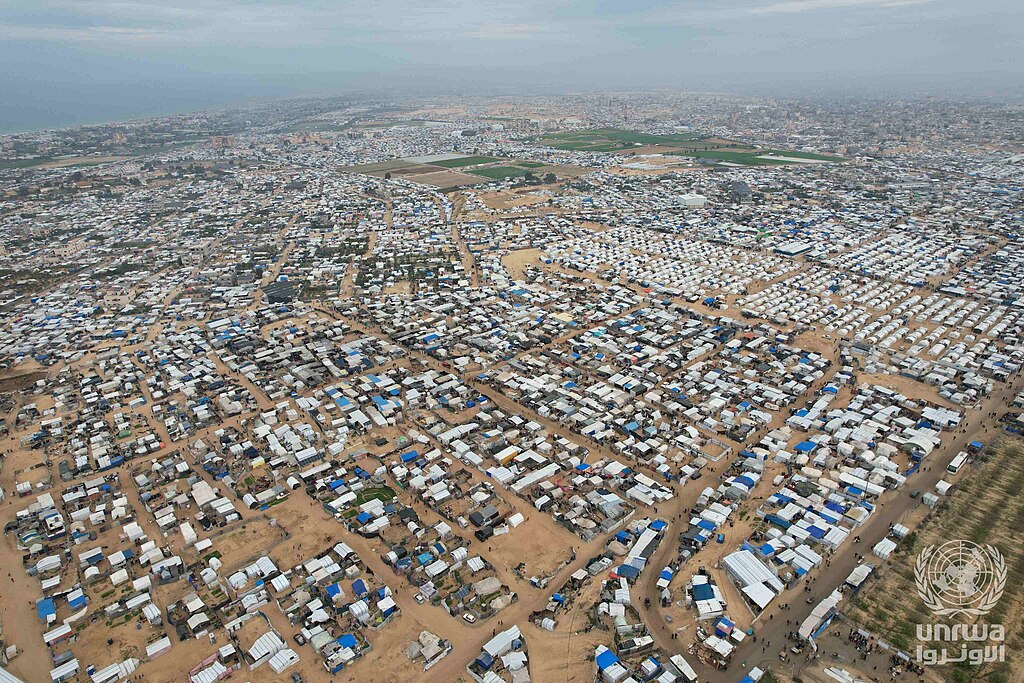
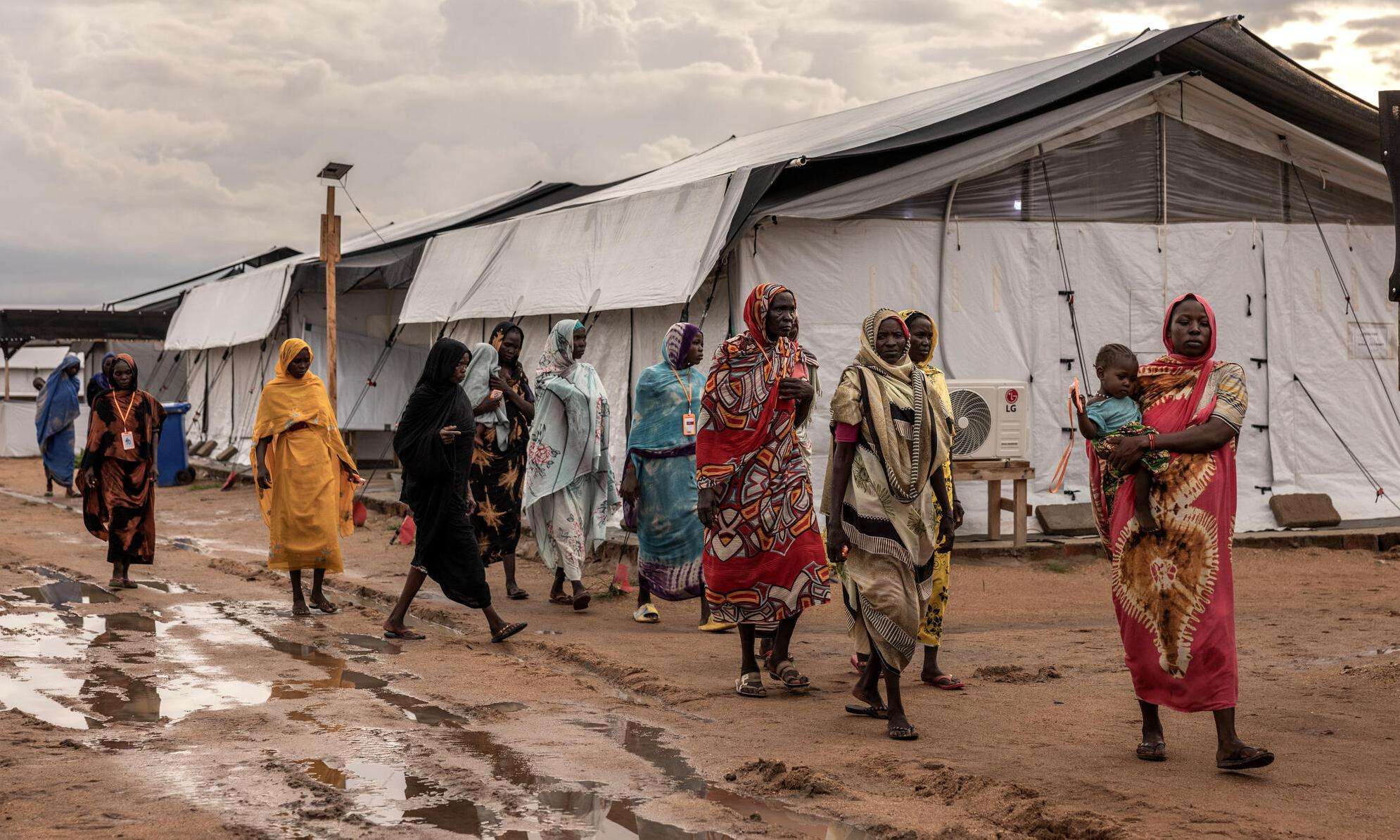
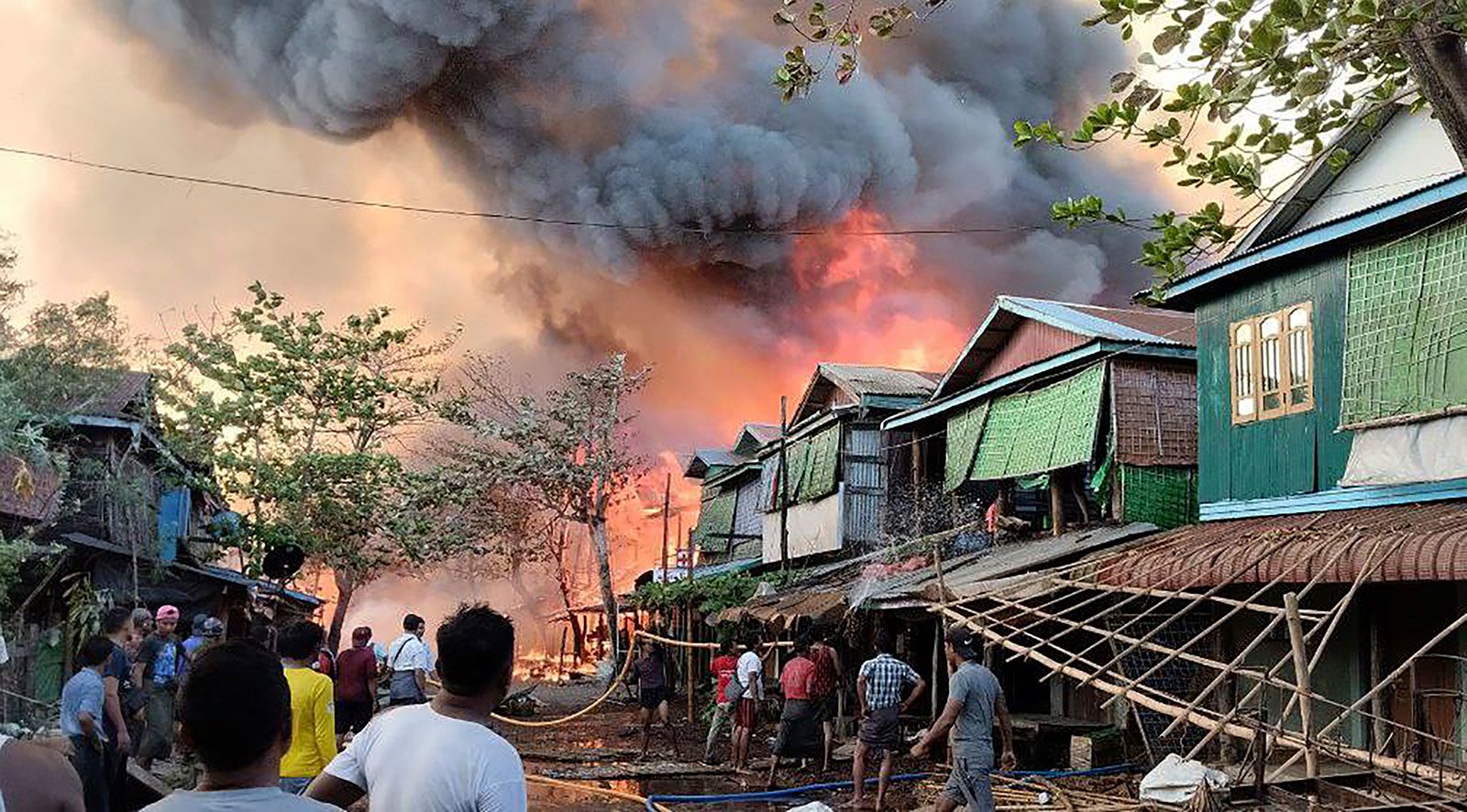
The Sahel’s humanitarian crisis has deepened as political upheaval and armed conflict intersect. Millions of people have been newly displaced by fighting, and humanitarian needs have surged across borders. United Nations and relief agencies have estimated tens of millions of people in need across the broader Sahel-Lake Chad corridor, with internal displacement and refugee flows placing acute pressure on host communities and regional infrastructure. Humanitarian appeals have ballooned, even as funding gaps persist and access is increasingly complicated by political restrictions or insecurity.
Coup governments sometimes restrict NGO access or condition assistance on political terms, further complicating humanitarian responses. At the same time, sanctions and suspension of banking relations can hamper the flow of funds needed for relief operations. The cumulative effect is a humanitarian bottleneck that deepens human suffering and increases the likelihood of secondary crises — food insecurity, disease outbreaks, and protracted displacement.
Borders, migration and the transnationalization of insecurity
The Sahel’s porous borders make it especially vulnerable to the spillover effects of instability. Armed groups exploit cross-border networks to move fighters, weapons and illicit goods; criminal economies (trafficking in drugs, people, and natural resources) capitalize on weak customs oversight; and displaced populations place additional burdens on fragile border towns.
Migration dynamics are both a consequence and amplifier of instability. People flee violence and economic collapse, creating irregular flows toward coastal West Africa, North Africa, and Europe. Those flows fuel political contestation in transit and destination countries and can be leveraged by opportunistic actors for recruitment or extortion.
The Wagner chapter and the limits of mercenary security
Among the most consequential external developments has been the role of Russian private military actors and their rebranded successors across parts of the Sahel. Their presence — framed by some host governments as a rapid alternative to traditional security partners — comes with trade-offs: limited accountability, opaque contracts, and the risk of entrenching militarized governance. While such groups can provide short-term tactical advantages, independent reporting and later assessments have highlighted tensions between mercenary deployments and coherent national security strategies.
The entry of such actors also complicates diplomatic remedies: Western leverage is diminished not only by the on-the-ground realities but by the political narratives host regimes use to justify new alignments (sovereignty, anti-neocolonialism). This creates a hard policy choice for external democracies how to support stability and human security without normalizing authoritarian or non-transparent security arrangements.
Regional Organizations: Strained tools, limited traction
Regional institutions — ECOWAS, the African Union and others — retain normative frameworks opposing coups and promoting democratic governance. But their enforcement tools have limits. ECOWAS’ sanctions and threat of force in the Niger case signaled intent, yet divisions among member states and the practical difficulties of intervention showed the constraints of regional coercion. Meanwhile, the AU’s principle of non-recognition of coups competes with pragmatic efforts to open dialogue aimed at limiting humanitarian harm. The result is an uneasy mix of sanctions, mediation and conditional engagement that has had mixed results in restoring democratic order or improving security outcomes.
Scenario planning: Three plausible mid-term pathways
Stabilization through negotiated security pacts. Regional actors, working with pragmatic external partners, broker pacts that combine guarantees for civilian reassurances, timelines for transitions, and robust humanitarian access — producing reduced violence and a path back to elections.
Entrenchment and polarization. Military rulers consolidate power, align with alternative external patrons, and lengthen transitions; repression increases, humanitarian crises worsen, and insurgent groups use repression to recruit and expand.
Fragmentation and externalized competition. The Sahel becomes a patchwork of competing fiefdoms where local and foreign backers sustain chronic low-intensity conflict and geopolitics harden, producing long-term instability and migration waves.
Which path unfolds will depend on the quality and credibility of mediation, the willingness of external actors to coordinate for governance outcomes (not just posture), and the capacities of regional institutions to combine pressure with incentives.
Policy recommendations — practical, proportional, and people-centred
For African regional actors (ECOWAS, AU, sub-regional states):
Prioritize coordinated mediation that ties security assistance to clear political roadmaps and humanitarian access guarantees. Coercion without credible political alternatives creates perverse incentives.
Strengthen cross-border security cooperation focused on criminal economies (customs, ports, and anti-money-laundering) while protecting human rights and civic space.
Invest in rapid humanitarian financing mechanisms that can operate even amid political transitions.
For Western partners (EU, U.S., bilateral donors):
Rebalance conditionality with sustained humanitarian and development commitments targeted to civilian resilience: food security, governance reform, and livelihoods.
Emphasize multilateral procurement and capacity building (judicial reform, accountable policing) over purely tactical security provision that neglects institutions.
Coordinate with regional actors to avoid zero-sum competition that drives host regimes to seek alternative backers.
For new external actors (Russia, China and others):
Adopt transparency and accountability in security and economic contracts; otherwise, short-term gains will produce long-term instability and reputational costs.
Support multilateral platforms and norms rather than bilateral deals that sideline regional institutions.
For civil society and humanitarian actors:
Maintain principled humanitarian access and independent monitoring to document abuses, ensure aid neutrality, and protect civilians from recruitment and exploitation.
Support local conflict-resolution mechanisms and community resilience programs that reduce incentives to join armed groups.
Managing Risk in a Multipolar Sahel
The Sahel’s coups were symptomatic of deeper governance and security failures — failures that foreign policy tools alone cannot fix. Yet the international reactions to those coups have themselves shaped the region’s security trajectory. Hardline sanctions and diplomatic isolation were necessary to uphold democratic norms, but they also created leverage dilemmas when humanitarian and security costs mounted. Meanwhile, the arrival of alternative external partners complicated the policy landscape, offering quick fixes at the risk of long-term dependency and opacity.
Stabilizing the Sahel requires a calibrated mix of pressure and partnership: insistence on clear political transitions and respect for rights, combined with tangible investments in institutions, humanitarian relief, and livelihoods. Regional leadership matters — ECOWAS and the AU must be central brokers — but so does the behaviour of external actors. If outside powers prioritize sustainable stability over short-term geostrategic gains, the region stands a better chance of reversing cycles of violence and building a more durable peace.