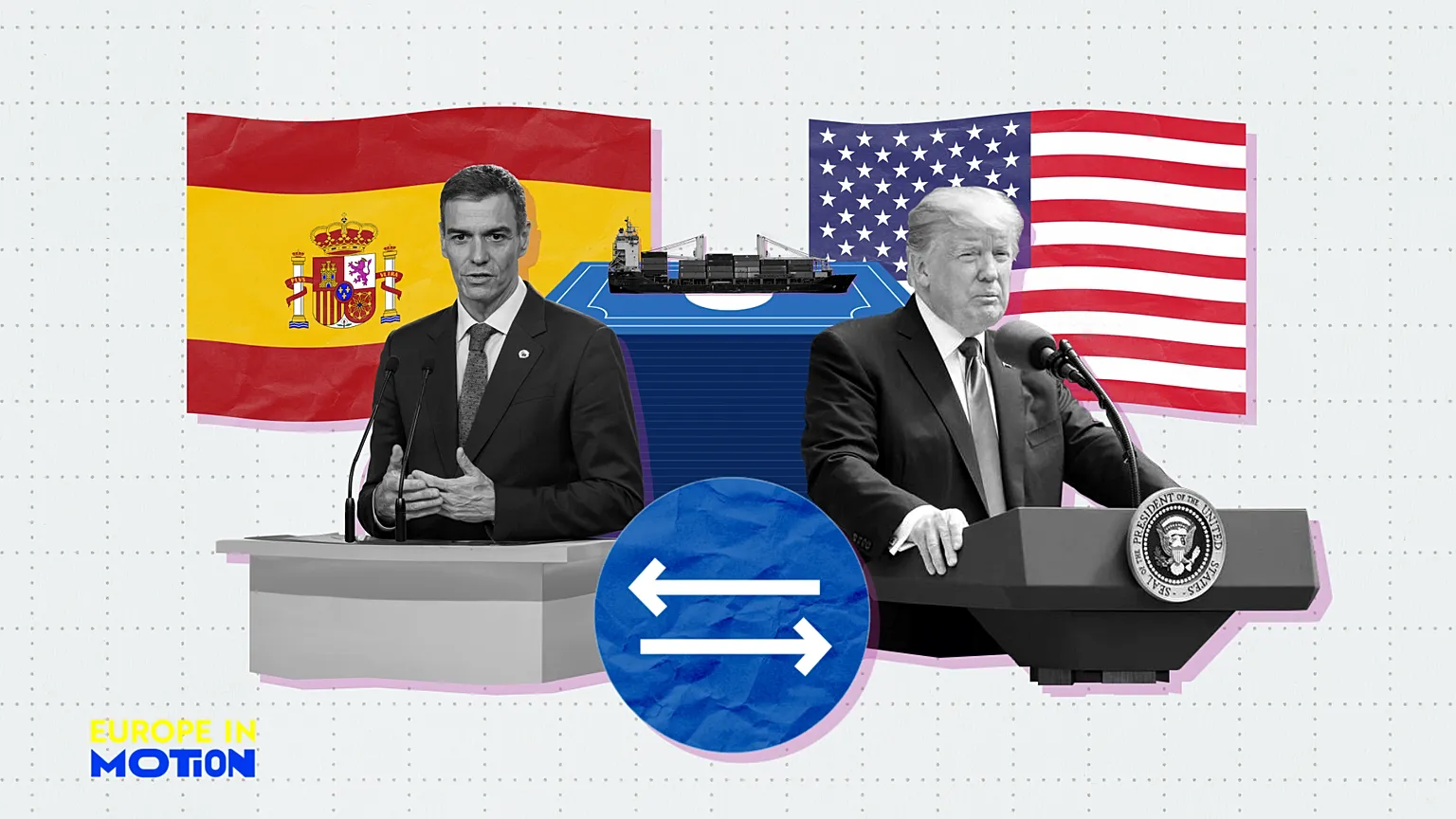
Diplomatic Defiance: The US-Spain Standoff and the Trade-Security Nexus
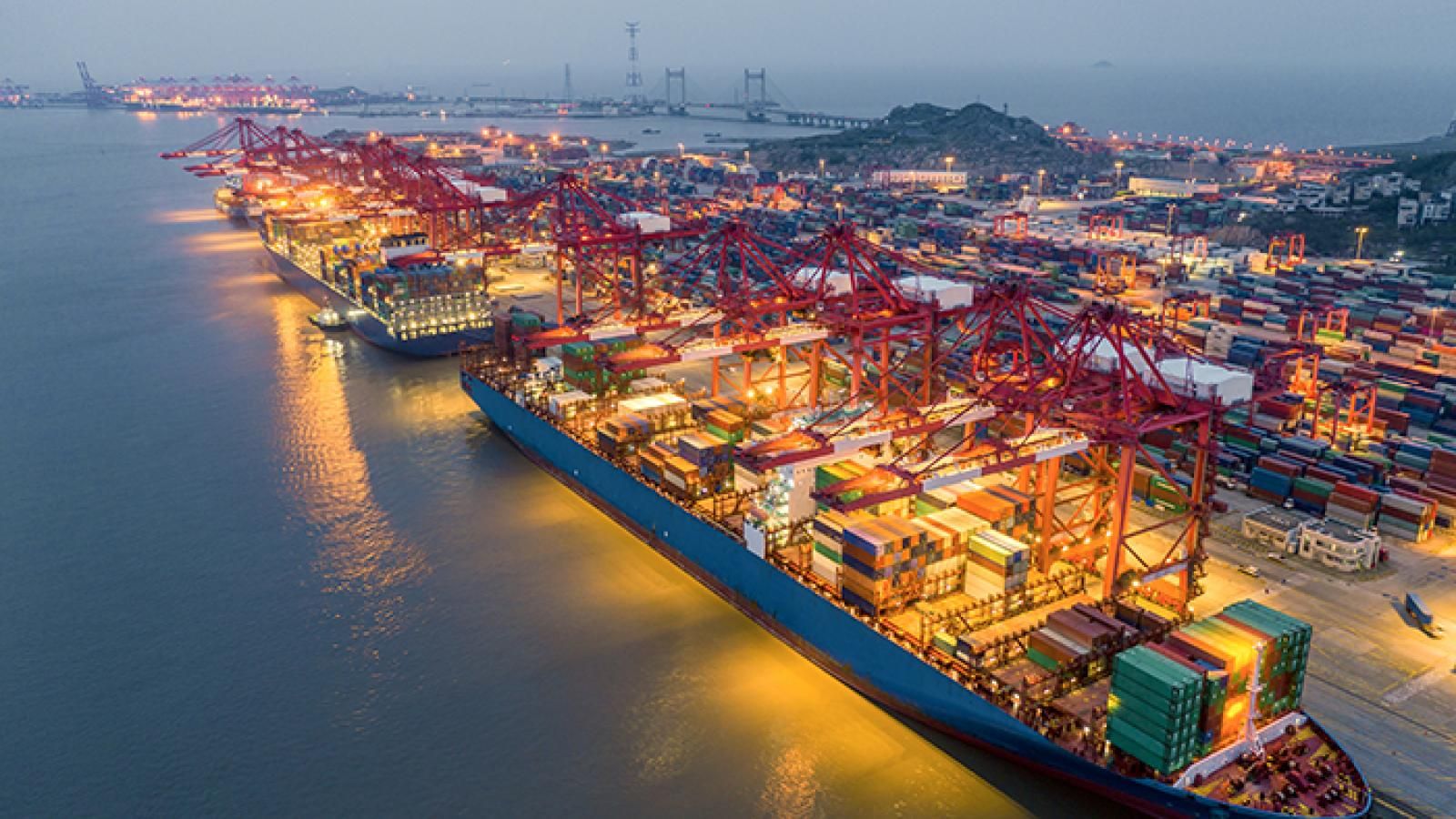
A new kind of Cold War is unfolding in the Atlantic, not in the skies over the Strait of Hormuz but in the tariff tables and customs declarations between Washington and Madrid. President Donald Trump’s decision to threaten a full severing of US trade with Spain over its refusal to allow US air bases in Andalusia to be used for strikes against Iran has triggered the EU’s Anti-Coercion Instrument for the first time, forcing Europe to test the most potent economic leverage it has against an American president.
Trump’s Tariff Threat and Military Leverage
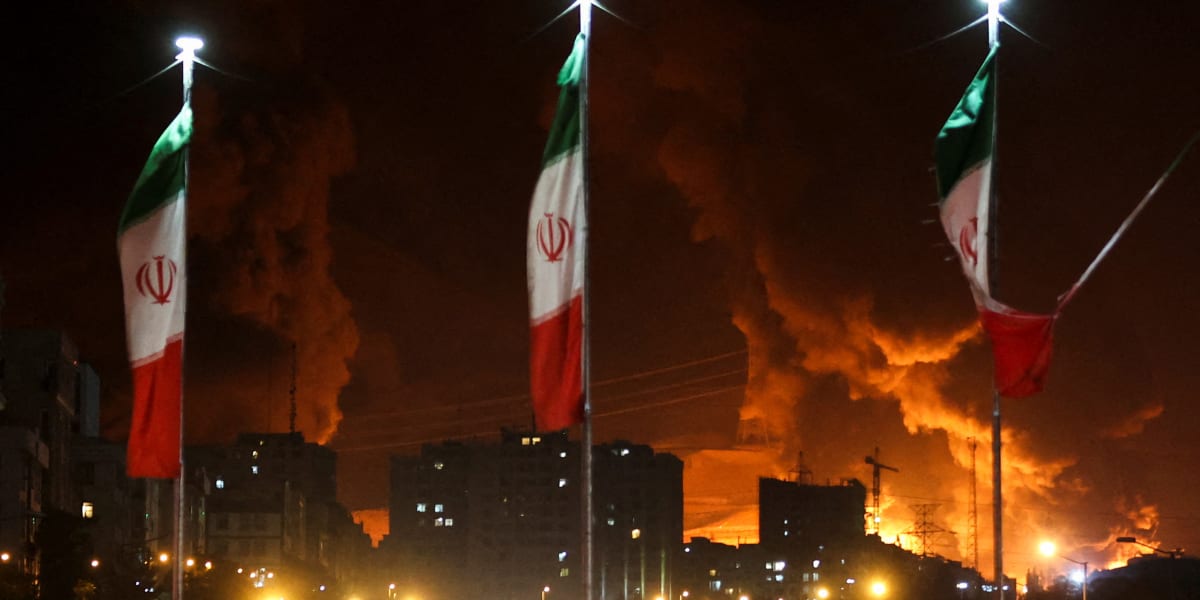
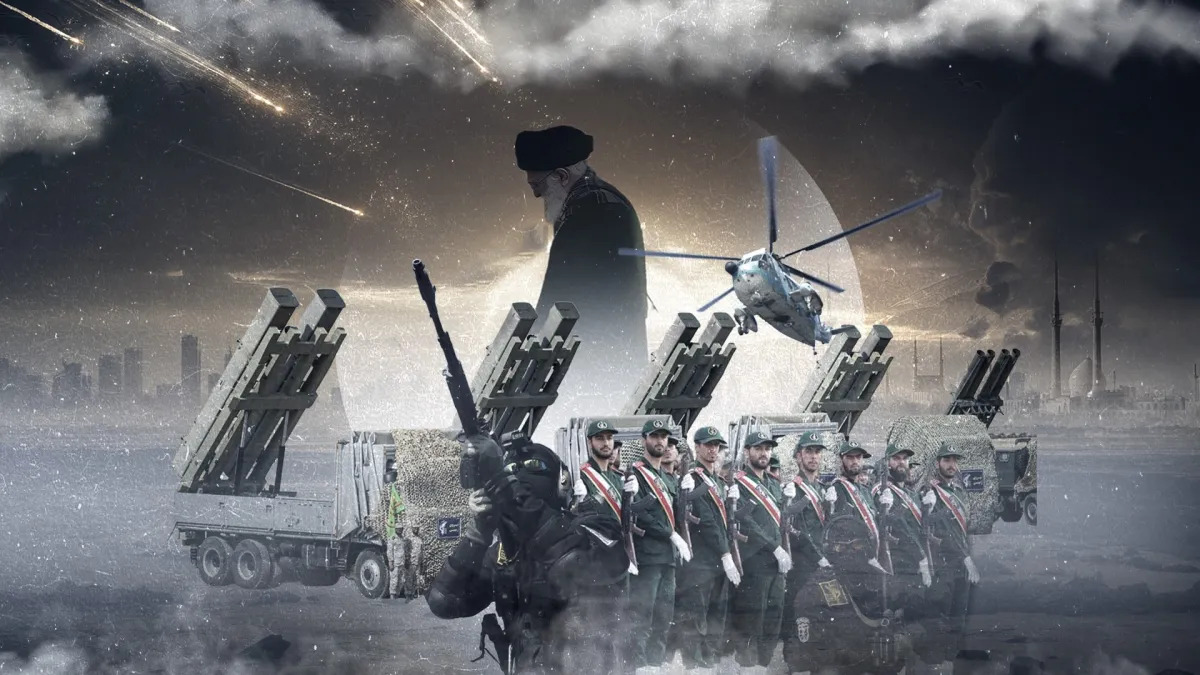
The flashpoint came in early March 2026, when Spanish Prime Minister Pedro Sánchez publicly ruled out authorizing US use of Spanish air bases—particularly the Rota and Morón installations in Andalusia—for operations linked to the US-Israeli strikes on Iran. Sánchez described the attacks as “unjustified” and “dangerous,” arguing that Spain’s NATO commitments did not require it to support unilateral strike campaigns it viewed as escalatory.
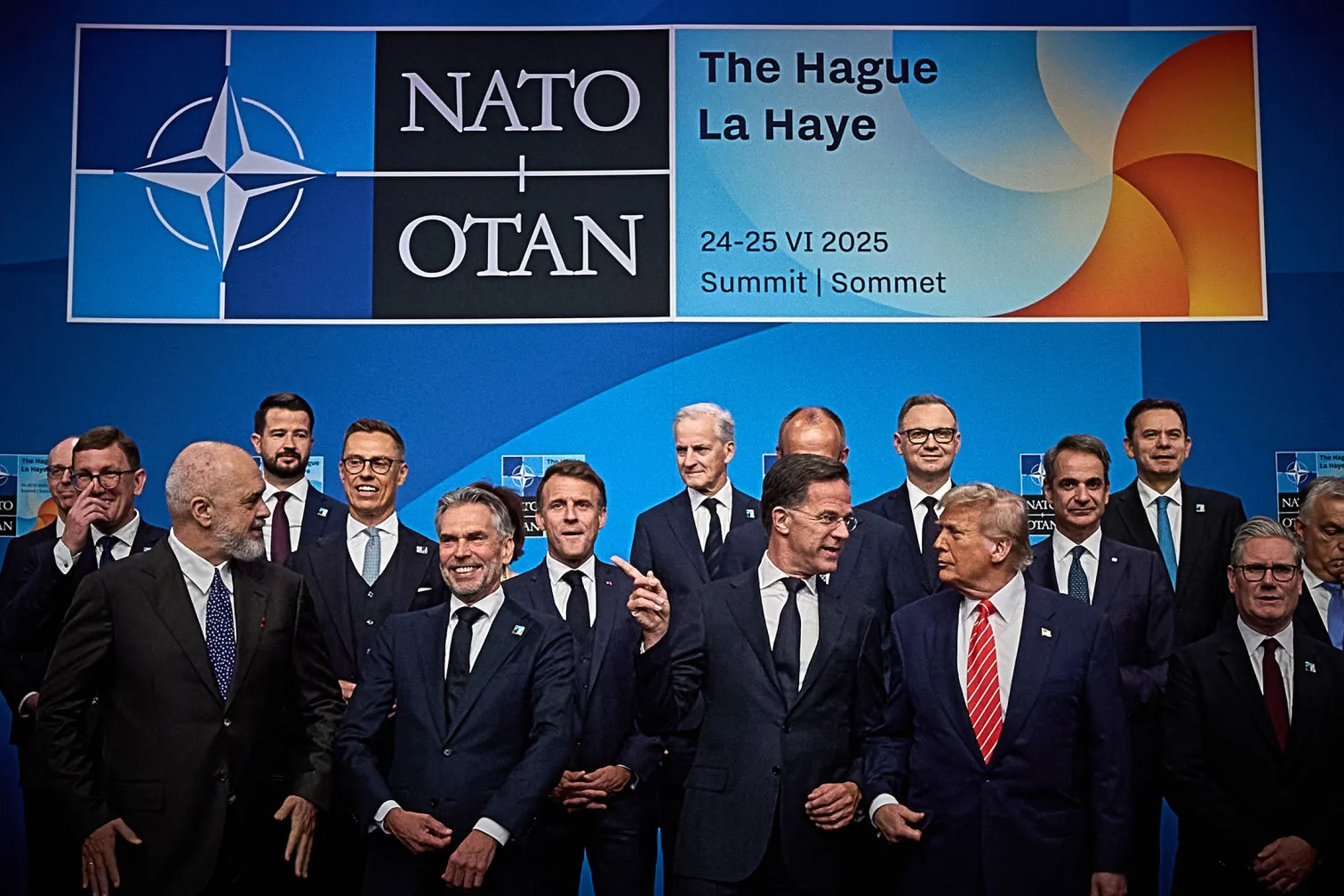
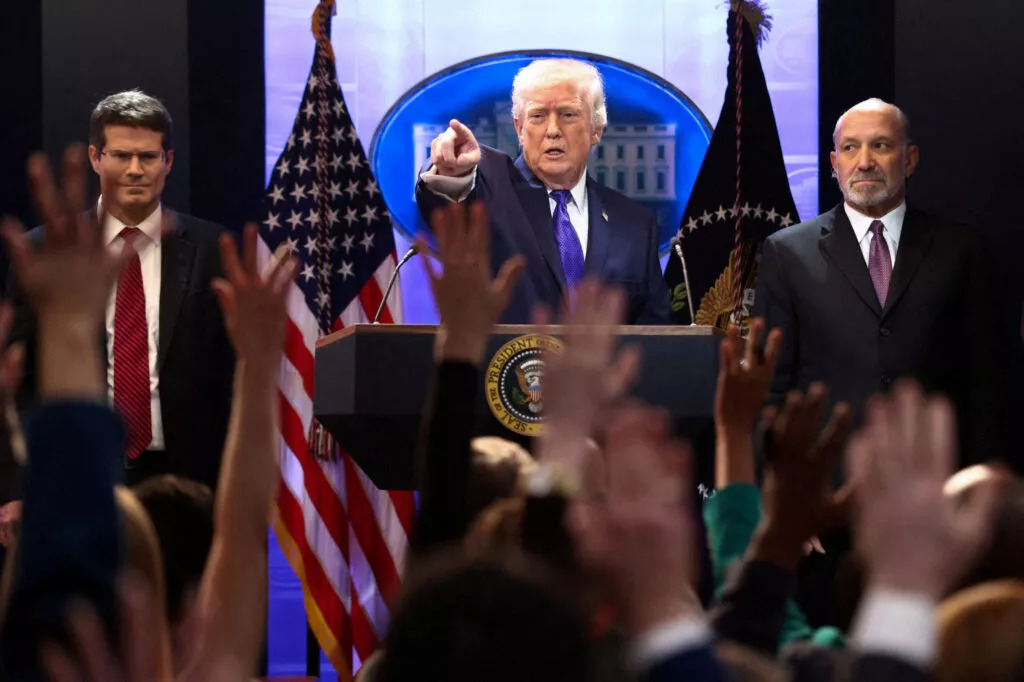
Trump’s response was immediate and blunt. In an Oval Office briefing attended by German Chancellor Friedrich Merz, he declared that the United States would “terminate all trade with Spain” and “cut off all dealings,” including imports and exports, investment, and financial flows, if the country did not reverse its position on the bases. He framed the dispute around both NATO defense spending—Spain remains the only NATO ally that has not committed to the 5 percent of GDP target—and its “disloyalty” in blocking basing access during a high-intensity Middle East war.
Analysts at the European Council on Foreign Relations have described the move as a “classic Trumpian trade-security bluff,” combining military pressure with economic blackmail, but one that carries real bite given Spain’s deep integration into US-led supply chains and its dependence on US tourism and investment.
Spain’s Economic Exposures and Madrid’s Reaction
Spain’s vulnerability to US market access is substantial, even if the overall EU-US trade balance is lopsided. Spain runs a structural trade deficit with the United States in goods, meaning it imports more from the US than it exports, but the sectors at risk—automotive, aerospace, tourism, agri-food, and energy—are highly integrated and asymmetrically exposed. For example, US companies are major investors in Spanish automakers and energy infrastructure, and US tourists account for a significant share of higher-spending visitors to coastal regions.
In response, Madrid has combined legal and economic arguments with a clear sovereignty message. Then Deputy Prime Minister Yolanda Díaz, speaking in parliament, warned that any US tariffs or trade curbs would ultimately “cost Americans” more than Spaniards because of Spain’s deficit position in bilateral trade. The government emphasized that Spain would not be treated as a “protectorate” and would defend its own strategic autonomy, even if it meant withstanding a transatlantic economic shock.
Activation of the EU Anti-Coercion Instrument
The EU’s Anti-Coercion Instrument (ACI), nicknamed the “trade bazooka” in Brussels, was designed exactly for cases like the US-Spain dispute. Originally adopted in 2023 and fully operational by the end of 2023, the ACI is a regulatory framework allowing the European Union to respond swiftly and collectively to economic coercion by third countries, including the United States, China, or Russia.
Typically, the EU requires unanimity among all 27 member states to impose restrictive trade measures, a political barrier that has often delayed or blocked decisive action. Under the ACI, however, the veto power is removed in cases of clear coercion. The process moves through three stages: an examination phase, a formal engagement phase, and, if necessary, the adoption of counter-measures by qualified majority. In 2026, the Commission signaled that the Trump administration’s explicit threat to sever trade with Spain over military-base access constitutes textbook economic coercion, paving the way for the first activation of the ACI against the United States.
EU Counter-Measures and Transatlantic Fractures
The first step under the ACI would be a series of EU-level retaliatory measures, such as targeted tariffs on American agricultural goods, aerospace components, and technology exports, combined with regulatory pressure on US firms operating in Europe. The goal would be to inflict enough pain on key US constituencies—farmers, defense-industrial stakeholders, and tech-sector lobbyists—to force a reconsideration of Washington’s stance. Germany, France, and Italy, all of which have significant economic exposures to Spain and deep military ties to the United States, are sharply divided over the strategy. Some German officials warn that a full-scale EU-US tariff war over an intra-NATO dispute could destabilize the alliance in the midst of the Iran crisis. Others argue that failing to defend Spain from what they see as “gun-boat economic policy” would set a dangerous precedent for the rest of Europe.
The Trade-Security Nexus in the Atlantic
The US-Spain crisis crystallizes the fragile trade-security nexus that has defined the 2020s. The Atlantic alliance used to rest on the premise that security and trade were mutually reinforcing. The United States provided security guarantees, and Europe provided stable markets and industrial cooperation.
Trump’s threat to weaponize trade against a NATO ally over basing access inverts that logic. It signals that American security benefits no longer guarantee economic privileges, and that Europe must now be prepared to defend its own economic sovereignty as a core security interest. The activation of the ACI therefore marks more than a policy milestone; it is the first time the EU has truly tested the idea that trade is not just a commercial tool but a strategic lever in its own right.
Implications for NATO and the Indo-Pacific
The standoff could have far-reaching implications for the Western alliance. If Spain can withstand US pressure with EU backing, other NATO members may feel emboldened to push back against similar coercion, whether from Washington or Beijing. Conversely, if the EU blinks or the ACI proves ineffective, it could embolden unilateralist tendencies in Washington and reinforce the view that European powers are ultimately too economically dependent to defend their sovereignty.
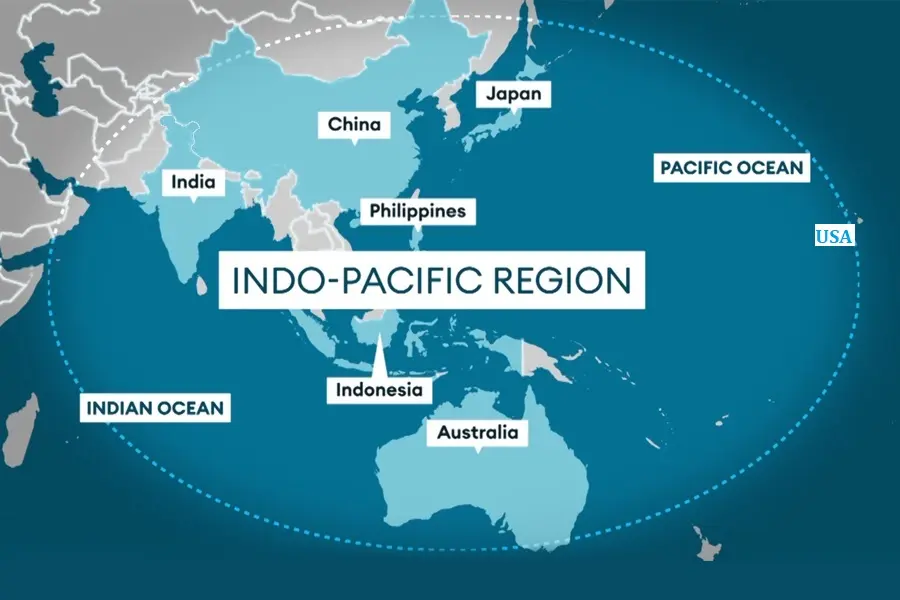
In the broader Indo-Pacific context, the crisis sends a signal to Beijing that the United States is willing to brandish its trade power even within the alliance, giving some in Asia reason to question US reliability, while others may see the EU’s response as a sign that Europe is finally willing to put its own “trade bazooka” to use.
In short, the Atlantic standoff between the United States and Spain is not ultimately about tariffs. It is about the evolving balance between security guarantees and economic leverage, and the question of whether military alliances can survive the kind of coercion-by-trade tactics that have long defined disputes with China and Russia. The EU’s Anti-Coercion Instrument may be the first formal mechanism to test that balance—and in doing so, it is reshaping the anatomy of the transatlantic world.
Key Issues: The Friction Between "America First" Unilateralism and European "Strategic sAutonomy"
The US–Spain tariff standoff over Andalusian bases has crystallized a deeper structural conflict between Washington’s “America First” worldview and the European Union’s drive for “strategic autonomy.” At the heart of the dispute is a disagreement over how security and trade relate to one another and whether European states can make independent military and political choices without triggering US economic retaliation.
America First as Economic Leverage
For the Trump administration, the concept of “America First” extends beyond borders and allies to the global economic order. The President’s approach frames NATO alliances not as mutual security commitments but as a kind of US-provided service, which comes with the expectation of political deference and unrestricted access to European military infrastructure. When Madrid refuses to support US operations in Iran and blocks the use of Andalusian bases, Washington sees this not as a sovereign decision but as a breach of fairness in the alliance transaction.
The threat to cut off US trade with Spain is therefore less about Spain’s economic weight than about the symbolic power of the move. It signals that Washington is willing to punish one ally dramatically to deter others from following the same path. The United States is leveraging its unmatched position in global trade—its currency, its technology, its investment networks—as a coercive instrument, treating European democracies like any other potential target of economic pressure.
Europe’s “Strategic Autonomy” Narrative
The EU’s “strategic autonomy” doctrine, by contrast, is built on the idea that Europe must be able to defend its own sovereignty and make independent decisions in security, defense, and foreign policy—even when those decisions differ from Washington’s preferences. The concept does not imply a desire to break with the United States, but rather a determination to avoid permanent dependency and to ensure that Europe can protect its interests if Washington proves unreliable or unpredictable.
This doctrine has gained traction in the wake of the Trump presidency’s early years, the 2018 and 2020 US tariffs on European steel and aluminum, and the American withdrawal from the Iran nuclear deal. The activation of the EU’s Anti-Coercion Instrument against the United States in 2026 is the most explicit manifestation of this shift: Europe is now willing to use its own formidable economic instruments to push back against Washington rather than quietly accept coercion.
The Limits of Mutual Trust
The US–Spain dispute exposes the fraying of trust that has underpinned the Atlantic alliance since the 1940s. Washington has long assumed that Europe would remain a compliant junior partner in the security-economic order. Europe, in turn, has relied on US security guarantees and disregarded the economic risks of dependency. The Trump administration’s willingness to threaten tariffs on a NATO ally for refusing to serve as a launchpad for US strikes against Iran challenges the idea that security obligations are purely reciprocal.
From Madrid’s perspective, sovereignty is not negotiable. The government has consistently argued that Spain’s role as a NATO partner does not grant Washington the right to dictate its participation in overseas operations, especially in a conflict over which European publics are deeply divided. From Washington’s perspective, that argument is disingenuous. If Spain can pick and choose when to host US forces, then the entire logic of the alliance—forward-based deterrence and rapid deployment—becomes more fragile.
The EU’s Attempt to Define “Strategic Autonomy”
The European Union’s response to the US threat is therefore a test of whether “strategic autonomy” can be operationalized in practice. The Anti-Coercion Instrument offers a structured mechanism to retaliate against economic coercion, but it is still politically controversial within Europe. Some member states, particularly those in the eastern part of the bloc, remain deeply fearful of alienating Washington, especially when Russia continues to pose an existential threat to their security.
Others argue that the moment has arrived for Europe to prove that it can act as a cohesive bloc in the face of American pressure. The ACI activation is intended to do just that, by allowing Brussels to impose targeted tariffs on US exports, introduce regulatory barriers to American firms, and cooperate with other global partners, such as China and India, to diversify economic dependencies.
The Consequences for the Atlantic Order
The US–Spain crisis may therefore become a watershed moment in the broader Atlantic order. If Washington proceeds with broad-based tariffs on Spain, Europe may respond with escalating counter-measures that could spill into other sectors, such as aviation, automotive, and energy. The result would be a transatlantic economic war that would not only damage bilateral relations but also undermine global supply chains and investor confidence. If, on the other hand, Europe hesitates to fully implement the ACI, it risks validating the American argument that Europe remains too dependent on US security guarantees to resist coercion. This would deepen the sense of vulnerability among EU members and could drive some to seek closer military ties with Washington at the cost of true autonomy.
A New Era of Transatlantic Chess
The friction between “America First” unilateralism and European “strategic autonomy” is not a transient dispute but a structural feature of the emerging post-2020s world. The United States now views the world through a lens of transactionalism and deterrence, where even allies are expected to demonstrate loyalty through action and economic cooperation. Europe, in turn, is struggling to balance its own historical dependence on the United States with the growing imperative to defend its sovereignty.
The outcome of the US–Spain standoff will likely shape the contours of this new era. It will determine whether the Atlantic alliance can maintain a stable equilibrium between security and trade, or whether the growing tension between American economic power and European autonomy will drive the two sides toward a more fragmented, rivalrous relationship. In either case, the crisis in the Atlantic is not just a regional event, but a signal of the deeper realignment reshaping the global order.
The Pivot: Why Countries Like Italy and Greece Are Aligning with the US While Madrid and Berlin Call for a "Sovereign European Shield"
The US–Spain tariff standoff has exposed a deep split in Europe’s response to American “America First” pressure. Some countries, including Italy and Greece, are tightening their alignment with Washington, viewing the United States as an indispensable security and economic anchor, while others, notably Spain and Germany, are pushing for a more autonomous European framework that can resist US coercion without breaking the alliance.
Italy and Greece as Atlantic Anchors
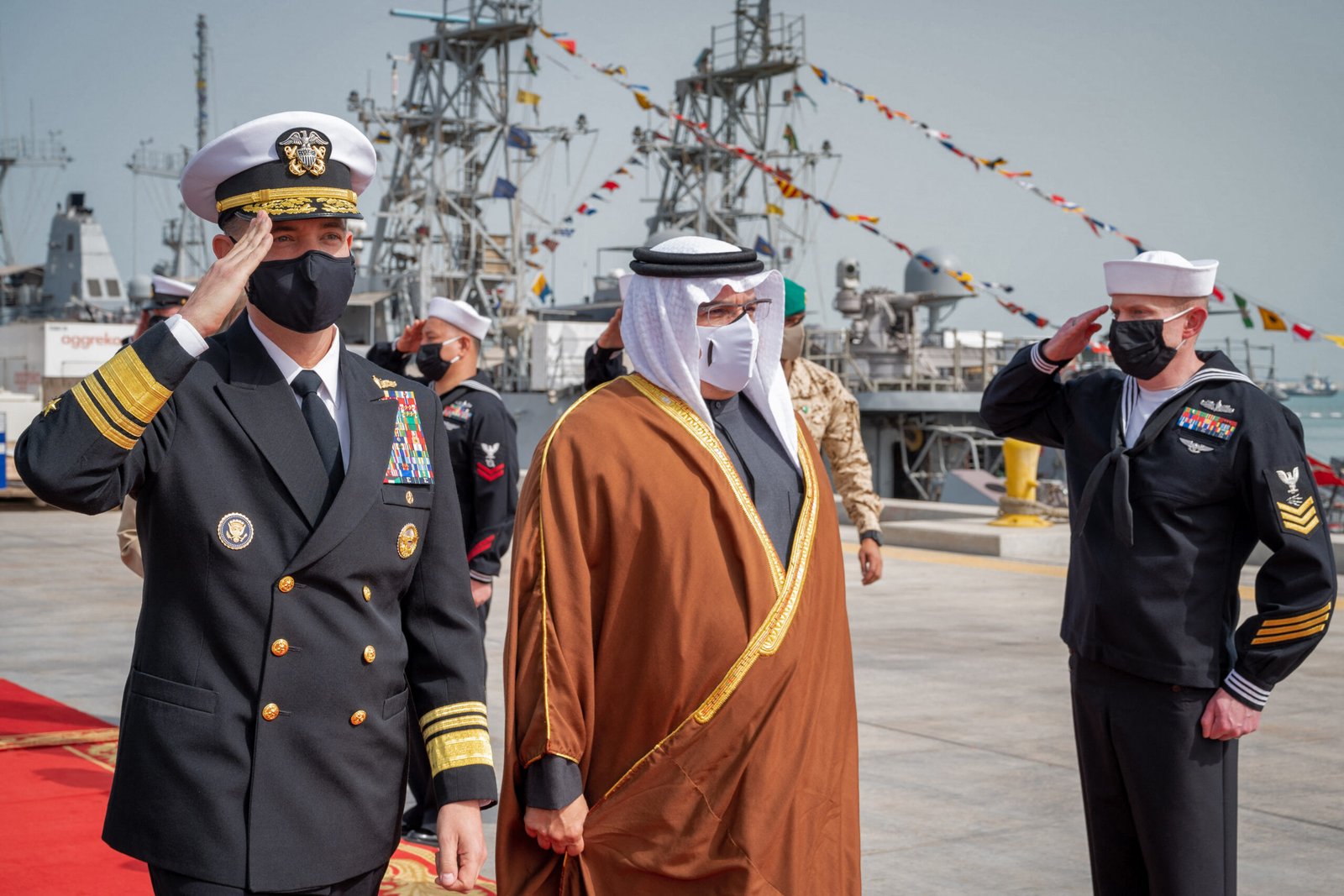
Italy and Greece are increasingly seen in Washington as key strategic partners in the Mediterranean. Rome controls access to the central basin, linking the Western and Eastern Mediterranean, North Africa, and the Adriatic corridor. The United States already relies on Italian air and naval infrastructure, including key bases that provide operational depth for operations in the Middle East, Eastern Europe, and Africa.
In 2026, Italian Prime Minister Giorgia Meloni and Greek Prime Minister Kyriakos Mitsotakis have strengthened bilateral cooperation on energy, defense, migration, and regional security, signing 14 agreements in Rome that include a €2 billion power link, €360 million in rail upgrades, and expanded defense and cybersecurity cooperation. The two governments describe themselves as “anchors of Mediterranean stability,” positioning the Italy–Greece axis as a bulwark against instability in the Levant, North Africa, and the Balkans.
For Washington, this alignment is attractive. Italy and Greece are seen as geographically and politically reliable partners, less likely than Turkey to shift unpredictably and less prone than France to strategic autonomy that clashes with US interests. From Rome’s and Athens’s perspective, closer US alignment offers security guarantees, intelligence sharing, and access to advanced defense technology, all of which are critical as Russia’s war in Ukraine reshapes the security environment in the wider Mediterranean.
Spain and Germany’s “Sovereign European Shield”
In contrast, Spain and Germany have become the leading voices in the push for a “sovereign European shield,” a framework that would allow the EU to defend its own interests even when Washington decides to wield economic power as a weapon. Madrid’s refusal to allow US use of Andalusian bases for operations against Iran, and the subsequent US tariff threat, have driven Spanish leaders to emphasize the need for Europe to assert its own strategic autonomy.
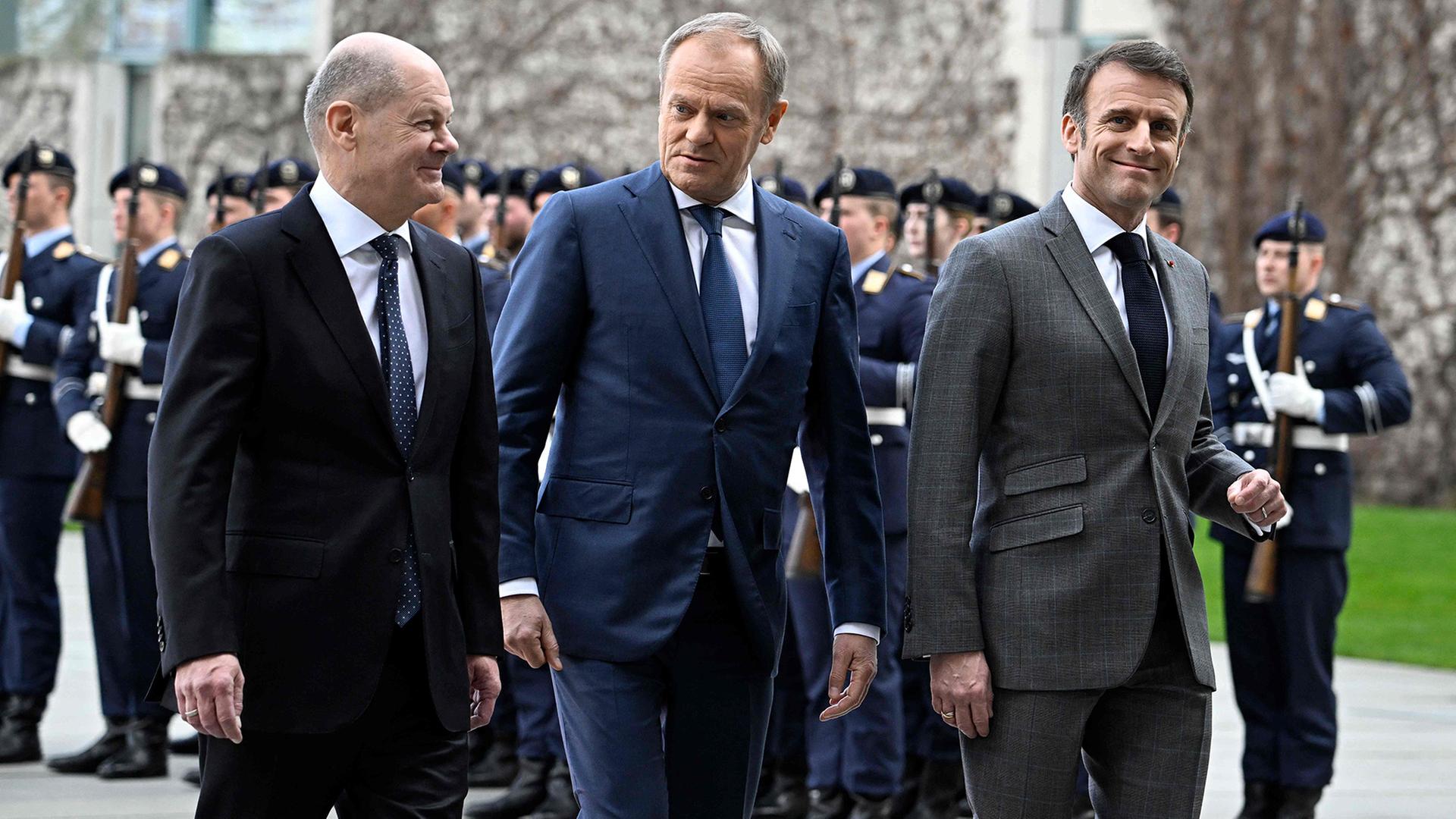
Germany’s position is even more pronounced. Chancellor Friedrich Merz has called for a reset in the US–European relationship, urging Washington to rebuild trust while also pushing for greater European defense sovereignty. Merz has begun confidential talks with the French president about a European nuclear deterrent, insisting that this would be embedded within NATO’s nuclear-sharing framework but would still allow Europe to reduce its dependence on American security guarantees. The idea behind this “European nuclear shield” is that Europe should not be treated as a junior partner whose policy choices can be dictated by Washington.
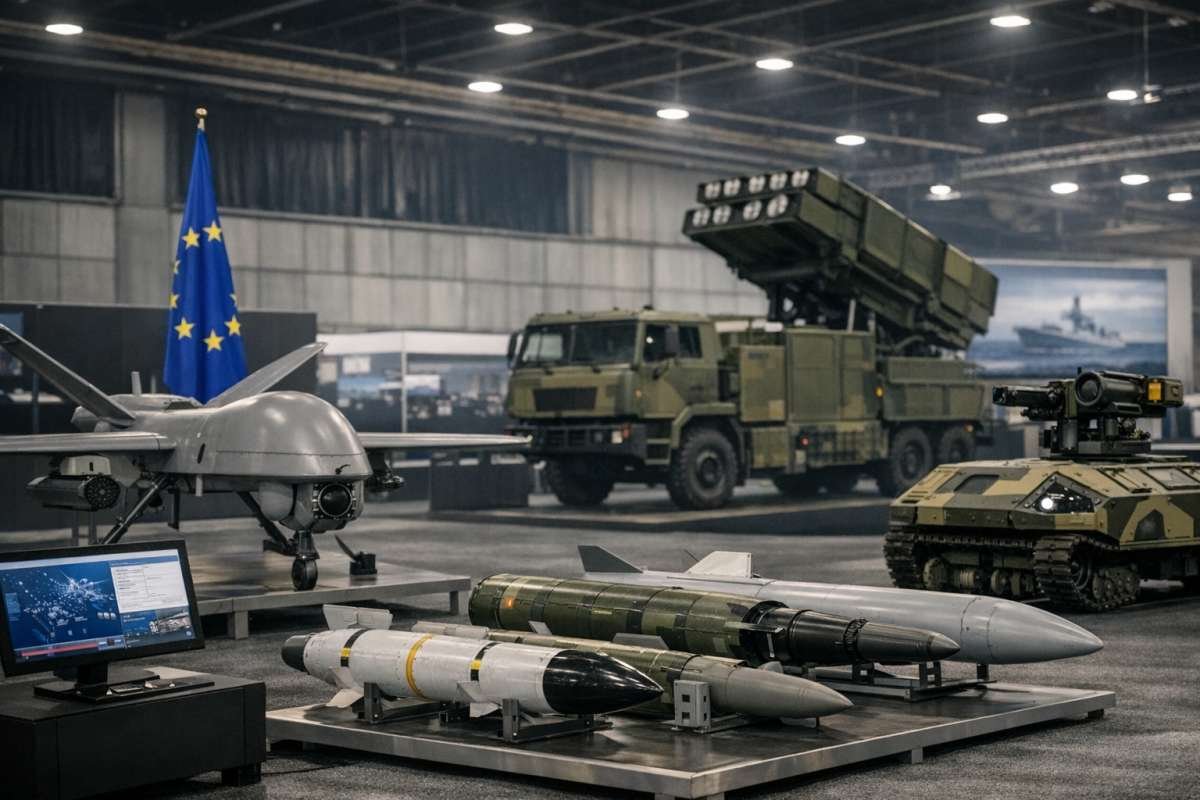
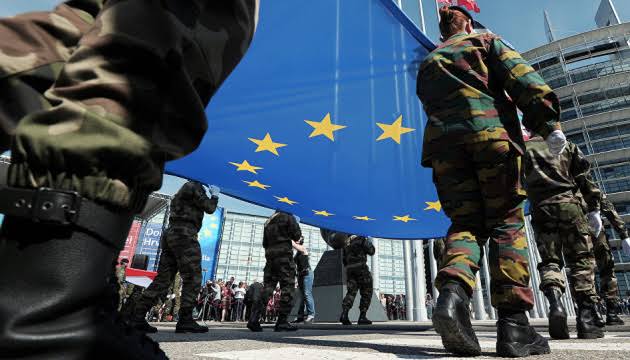
Germany is also one of the key drivers behind the European Sky Shield Initiative, a continent-wide air and missile defense program designed to give Europe more robust, independent protection against threats from Russia and other actors. This program, combined with calls for greater European investment in defense autonomy, reflects a broader German strategy: to keep the alliance with the United States intact while ensuring that Europe can stand on its own feet if Washington decides to shift priorities.
The Underlying Geopolitical Logic
The split between Italy and Greece, on one side, and Spain and Germany, on the other, is not simply about personality or leadership styles. It reflects deeper structural considerations about where Europe stands in the emerging global order. Italy and Greece benefit from close US ties because of their geographic location, military basing infrastructure, and economic dependence on US and broader transatlantic investment. For them, Atlantic alignment offers a clear and immediate payoff in security, influence, and access to markets.
Spain and Germany, in contrast, are more exposed to the risks of over-reliance on the United States. Madrid has long emphasized its role as a bridge between Europe and the Mediterranean-Middle East region, while Berlin seeks to insulate Europe from the volatility of American politics, especially under a Trump-style administration that is willing to brandish tariffs as a security tool. The “sovereign European shield” concept is therefore less about breaking with the United States and more about building a more balanced, independent European posture. The result is a Europe that is deeply divided about its relationship with Washington. Some countries, like Italy and Greece, are doubling down on Atlantic integration, while others, like Spain and Germany, are pushing for a more autonomous European bloc that can resist US coercion without undermining the alliance itself. This pivot is reshaping the Atlantic order and may redefine the very nature of the NATO alliance in the years to come.
The Stakes: Can an Alliance Survive When Trade Policy Is Used as a Weapon to Enforce Military Compliance?
The US–Spain tariff standoff raises a fundamental question about the sustainability of the NATO alliance: Can a security bloc endure when one of its core members regularly uses trade policy as a weapon to enforce military and political compliance from allies?
The Weaponization of Trade and Security Leverage
The US decision to threaten to cut off all trade with Spain over the use of Andalusian bases is a clear example of how trade can be weaponized to achieve security objectives. The concept of “weaponizing trade” goes beyond the traditional notion of a trade war; it refers to the use of tariffs, investment restrictions, sanctions, and other economic tools to compel another country to change its security-related policies rather than purely commercial ones.
In this case, Washington is using the threat of economic disruption to force Madrid to reverse its refusal to host US military operations against Iran. The problem is that such tactics risk eroding the very foundation of trust that underpins the alliance. If allies believe that the United States will wield its trade power simply to extract concessions on security matters, they may begin to view the alliance as a transactional arrangement rather than a genuine partnership based on shared values and mutual interests.
The Risk of Alliance Fragmentation
The weaponization of trade against an ally also raises the risk of fragmentation within the alliance. Some NATO members, particularly those that are economically vulnerable to US tariffs, may be more inclined to comply with Washington’s demands, while others, like Spain and Germany, may push back by developing their own sovereign defense capabilities or even seeking alternative security partnerships.
This dynamic can create a two-tiered alliance, in which some members are treated as “core” partners while others are reduced to the status of secondary actors whose sovereignty is constantly subject to American pressure. The result would be a less cohesive and more fragile alliance, one that is less capable of presenting a united front against external threats.
The Need for a New Balance
The underlying stakes are therefore clear: the NATO alliance must find a new balance between security and trade that prevents the weaponization of economic policy while preserving the alliance’s core strategic objectives. One way forward might be to establish clear rules and norms within the alliance that limit the use of trade policy as a coercive tool against fellow members. This would require a commitment from Washington to avoid using tariffs and other economic instruments to pressure allies over security-related decisions.
At the same time, Europe must take concrete steps to strengthen its own strategic autonomy, including the development of independent defense capabilities, diversified trade relationships, and more robust economic institutions that can withstand US pressure. The goal should not be to break with the United States, but to create a more balanced relationship that reflects the realities of the 21st-century global order.
The US–Spain crisis is therefore more than a bilateral dispute. It is a test of whether the Atlantic alliance can survive in an era in which trade and security are increasingly intertwined and where the weaponization of economic policy is a constant threat. The outcome will shape the future of the alliance and the broader geopolitical landscape for decades to come.