The Shattered Periphery
The “South Asian triple-border crisis” is best understood as the overlapping instability across Bangladesh, India and Myanmar — specifically the frontier linking Mizoram, Cox's Bazar and Teknaf to Rakhine State and Paletwa. The phrase is not a formal policy label in the source base, but it captures a real pattern: the borderland is no longer managed primarily through reciprocal state institutions. It is increasingly shaped by the Arakan Army, district officials, camp security forces, smugglers and armed Rohingya factions. In practice, this is a crisis of replacement sovereignty: the official Myanmar border order in the Rakhine–Paletwa arc has largely been displaced, but no stable new order has consolidated.
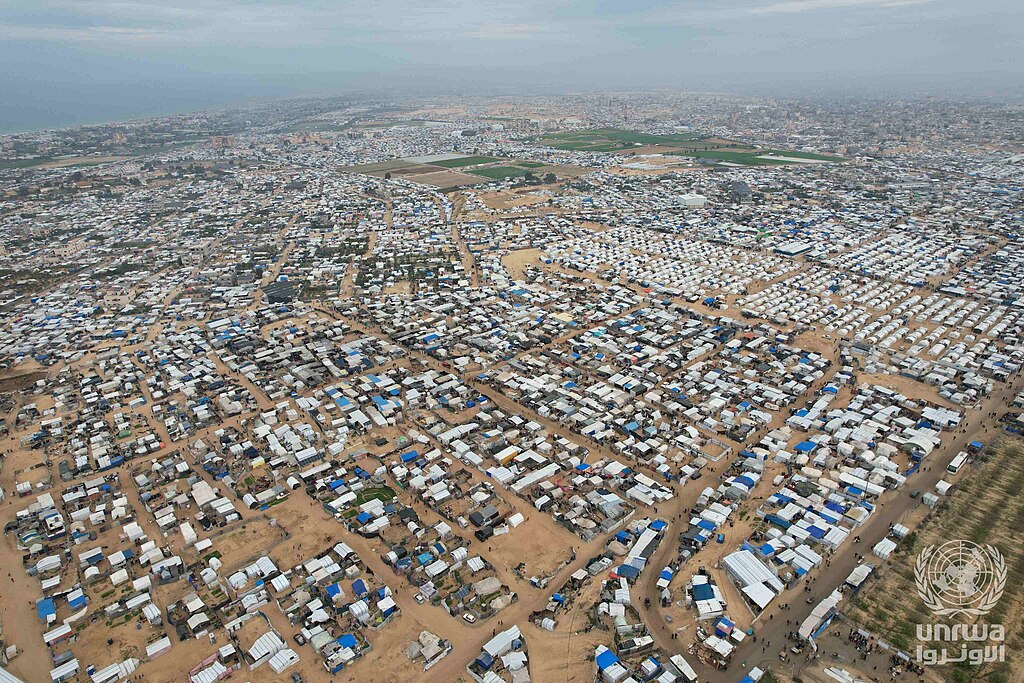
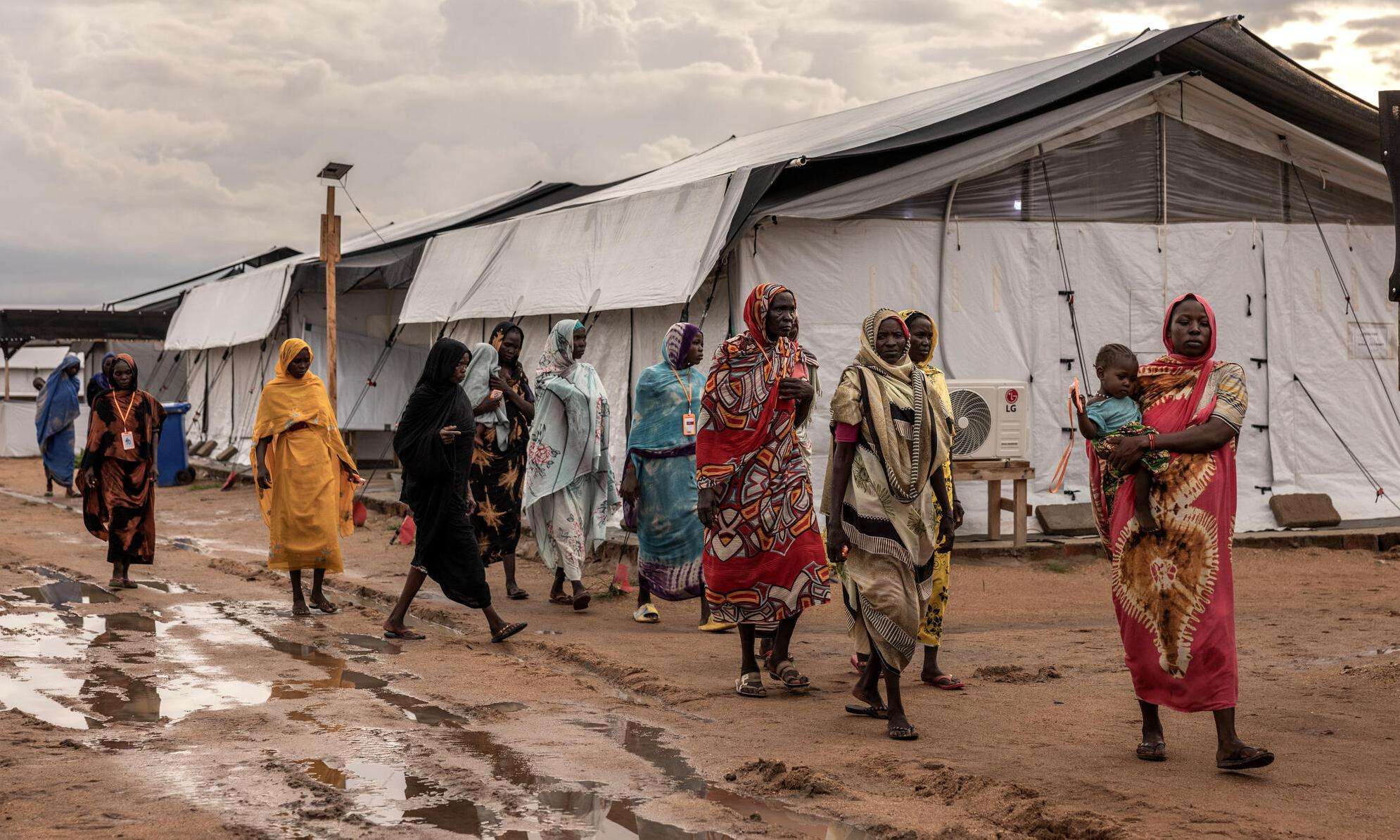
The consequences are humanitarian, security-related and diplomatic at the same time. Around 1.19 million Rohingya refugees were registered in camps and settlements in Bangladesh as of 31 March 2026, while humanitarian reporting says more than 140,000 new arrivals since late 2024 have intensified congestion and protection pressures. On the Indian side, Mizoram’s April 2026 enumeration still pointed to roughly 30,000 Chin refugees from Myanmar and around 2,000 refugees from Bangladesh, though local reporting also warns that refugee data remain patchy.
Context and Timeline
The frontier began to fracture decisively in January 2024, when the AA said it had taken Paletwa, the township that sits on the approach to the India–Bangladesh–Myanmar trijunction. By December 2024, it had captured Maungdaw and the last major military position on the Bangladesh border, effectively taking the whole frontier and shutting a border river to transport while it searched for fleeing junta forces. By April 2026, crisis reporting and conflict trackers were describing the AA as controlling all but three of Rakhine’s 17 townships.
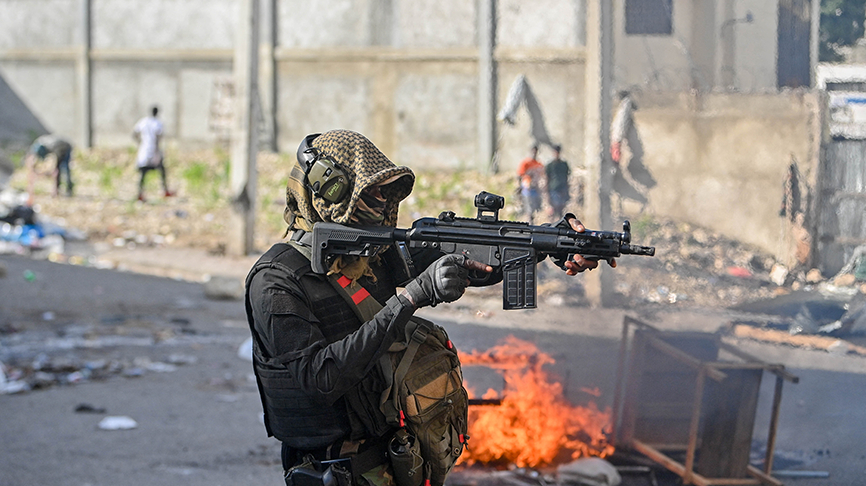
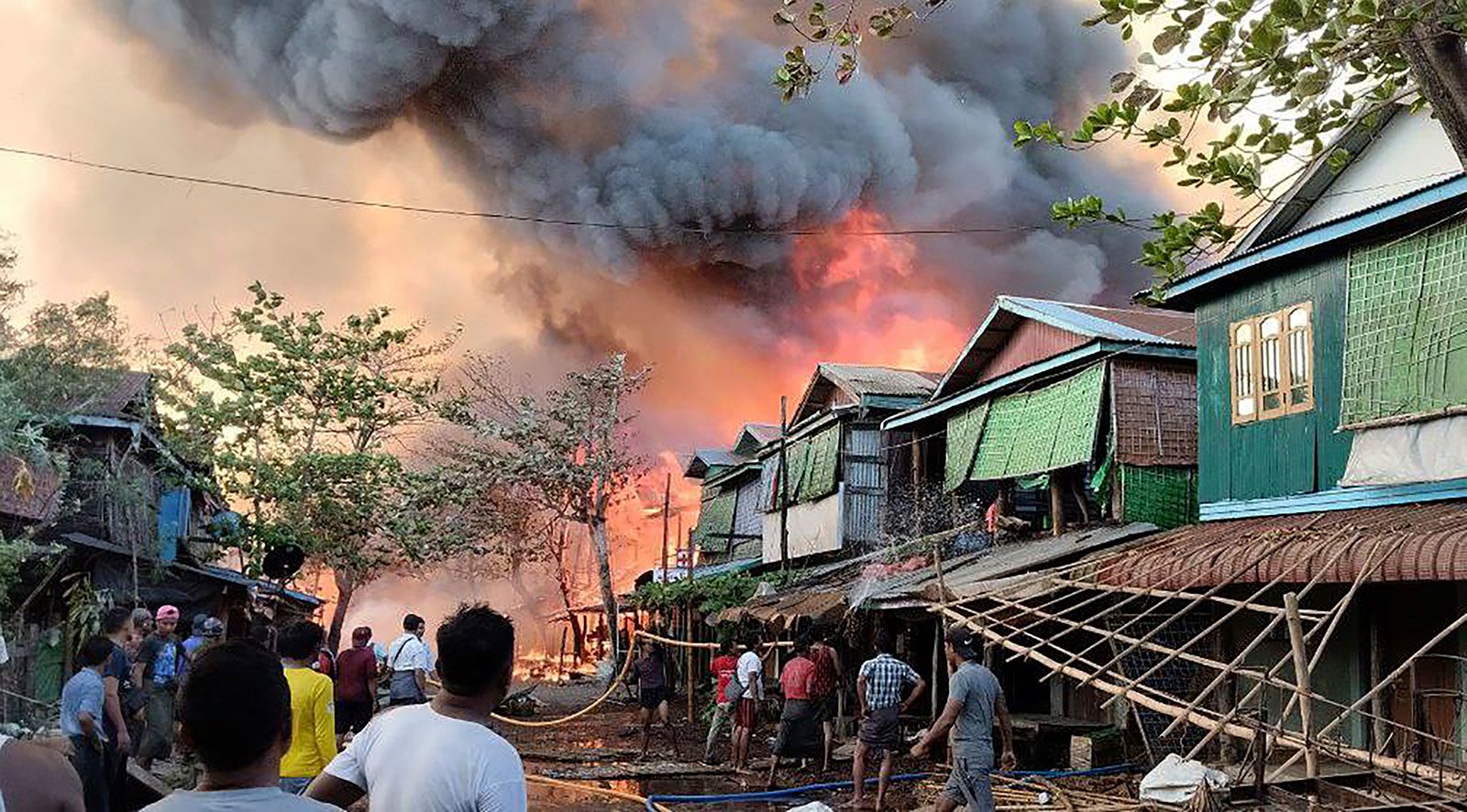
That territorial shift did not produce calm. In late 2025, ACLED recorded a sharp rise in Rohingya militant activity in northern Rakhine, much of it linked to attacks launched from or facilitated via the Bangladesh side, while International Crisis Group warned that armed Rohingya groups in the camps had formed a loose front against the AA. In January 2026, Bangladesh went on high alert after detaining 53 members of the Arakan Rohingya Salvation Army amid fighting that sent stray fire into Teknaf. By late April 2026, Bangla local media were still reporting landmine injuries near the Naf “zero line”, fresh cross-border gunfire, and continued maritime smuggling from Teknaf towards Myanmar.
What has broken, then, is not only the territorial status quo. It is the old assumption that the frontier was administered by recognisable state counterparts. The Myanmar side once relied on the Border Guard Police as a specialised border-security arm; today, much of that role has been overtaken by the AA’s own coercive and administrative structures.
Humanitarian shock
The humanitarian centre of gravity remains Bangladesh. UNHCR’s March 2026 population dashboard put the refugee population in camps and settlements at about 1.19 million. Humanitarian updates also said that more than 140,000 people had newly arrived since late 2024, further straining already congested camps. UNHCR’s April 2026 route-based snapshot added that roughly 2,000 people had attempted land journeys from Myanmar so far in 2026, with around 70 per cent heading to Bangladesh. Meanwhile, on India’s eastern flank, Mizoram’s first-phase census reporting in April 2026 still counted around 30,000 Chin refugees from Myanmar and roughly 2,000 refugees from Bangladesh.
Protection conditions are worsening rather than stabilising. Bangla reporting documented repeated mine incidents near the Naf “zero line” in late March and April 2026, injuring Rohingya civilians forced by poverty to fish or forage near the frontier. Humanitarian and rights reporting also continues to raise concerns about pushbacks and refoulement, even though large numbers still find ways into Bangladesh despite the country’s officially restrictive border posture.
The sea route shows how quickly humanitarian exhaustion turns into strategic spillover. International Organization for Migration said in April 2026 that deaths and disappearances on the Andaman Sea and Bay of Bengal rose by more than 40 per cent from 2024 to 2025, and UNHCR called 2025 the deadliest year yet for Rohingya maritime movement, with nearly 900 reported dead or missing. On 15 April 2026, IOM said more than 250 Rohingya and Bangladeshi nationals were feared dead in the latest Andaman Sea tragedy. Reporting that month also tied worsening camp conditions and lower rations to renewed departures.
Security Economy and Governance Collapse
Once formal crossings stall, illicit logistics become the real supply system. Teknaf land port has been suspended since April 2025, and local traders openly questioned whether reopening was feasible while the conflict still frames the other side of the frontier. On 28 April 2026, Bangla local reporting described the seizure of a trawler carrying 900 sacks of cement for Myanmar; investigators said the alleged organiser, a Rohingya camp resident, had coordinated outward smuggling of essentials and inward movement of drugs and other prohibited goods through operators linked to Chattogram, Sandwip and Hatiya. On the Indian side, EastMojo and local authorities described southern Lawngtlai as an increasingly important corridor for unregulated trade and undocumented movement, prompting new district-level enforcement measures.
The deeper failure is institutional. ACLED’s Myanmar methodology notes that the Border Guard Police historically provided security along the Bangladesh frontier. In the present frontier arc, that official architecture has been displaced by AA rule, yet the substitute order remains coercive and uneven. Bangladesh now openly defends maintaining contact with the AA because it is the force “there across the border”, while the AA itself has started performing recognisably state-like acts: handing over detainees, policing waters, clearing mines and dispensing amnesties. That does not mean coherent governance has returned. Local reporting still describes fears of ARSA infiltration, persistent border gunfire and abductions of fishermen, suggesting a patchwork of strongpoints and local bargains rather than a settled chain of command.
This is why small incidents now scale unusually fast. A maritime detention, a stray bullet, or a smuggling interdiction can jump immediately from a local security problem to a bilateral diplomatic issue, because the frontier is no longer buffered by dependable, symmetrical institutions on both sides.
Regional spillovers and policy implications
The spillovers are already regional. Cross-border militancy is no longer confined to Myanmar’s interior: ACLED and Crisis Group describe Rohingya armed groups based in camps in Bangladesh operating against the AA in northern Rakhine. The OHCHR annual update on Myanmar warned that illicit economies in armed-controlled areas continue to include human trafficking, narcotics and weapons trading, deepening regional exposure. For India, the challenge is no longer only refugee management; the Kaladan corridor that is supposed to improve connectivity for the north-east depends on territory effectively controlled by the AA, while Mizoram district authorities are already tightening controls on irregular trade and undocumented movement. Diplomatically, Dhaka’s dual track engagement with both the junta and the AA is pragmatic, but brittle: every such contact underscores that the formal neighbour on paper no longer governs the frontier on the ground.
For policymakers and analysts, three conclusions follow. First, frontier governance indicators now matter more than static battle maps. Travel permits, detainee exchanges, mine clearance, coast guard behaviour, camp policing and district SOPs are better measures of real control than headline territorial claims.
Second, aid should be treated as security infrastructure. The source base increasingly links reduced rations, closed opportunities and pervasive hopelessness to trafficking, maritime flight and militant recruitment. Stabilising food assistance, camp protection, mine-risk education and anti-trafficking work in Cox’s Bazar and host areas is therefore not charity on the margins of the crisis; it is part of crisis containment.
Third, any workable deconfliction mechanism will have to be narrow, practical and unsentimental. The realistic agenda is not “solving” the Myanmar conflict from the border. It is reducing escalation around fishermen, cross-border fire, humanitarian transit, mine risks and trafficking watchlists, with Bangladesh and India coordinating formally and liaising indirectly with de facto actors on the Myanmar side where necessary. That logic is already visible in Bangladesh’s necessity-based contacts with the AA and in Mizoram’s district-level coordination model.