AUKUS and QUAD: Are New Alliances Redrawing the Global Security Map?
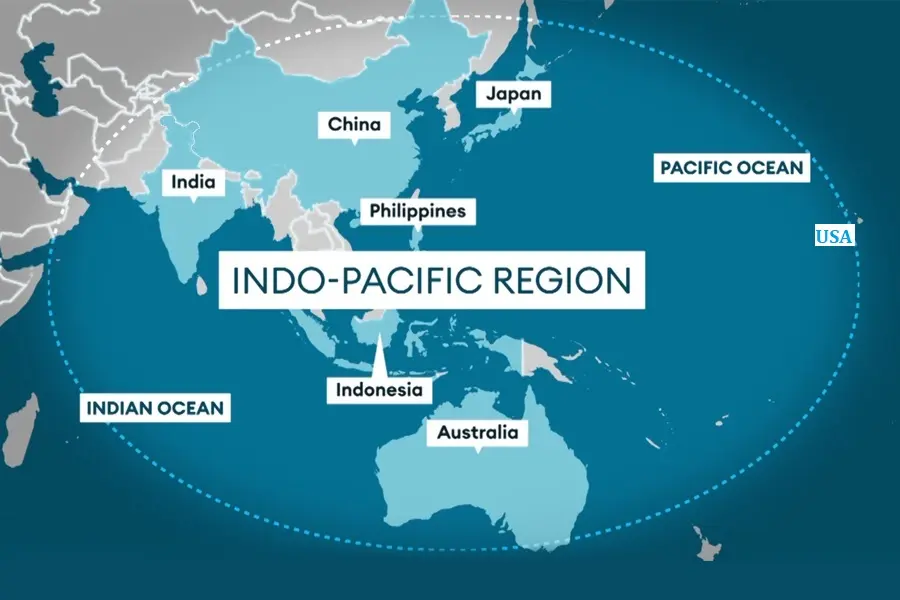
The Indo-Pacific region has emerged as the linchpin of twenty-first-century geopolitics, where strategic ambition, economic growth, and security concerns intersect in a highly complex theater. Stretching from the eastern shores of Africa to the islands of the Pacific, the region hosts more than half of the world’s population and serves as a corridor for over 60% of global maritime trade. Within this dynamic space, nations navigate an intricate web of historical rivalries, technological competition, and evolving defense doctrines. Against this backdrop, two alliances AUKUS and QUAD have come to the forefront, reflecting a recalibration of regional security strategies and signaling the contours of a rapidly changing global order.
The rise of these alliances is emblematic of how states respond to strategic uncertainty, technological advancements, and shifting power balances. Both AUKUS and QUAD illustrate different approaches to regional security, one emphasizing concentrated military capability, the other fostering broad-based cooperation while intersecting on shared goals of stability, maritime security, and resilience against coercion. Understanding these alliances, their objectives, and their implications is essential for comprehending the evolving geopolitical chessboard of the IndoPacific.
Understanding AUKUS and QUAD: Distinct Pathways of Cooperation
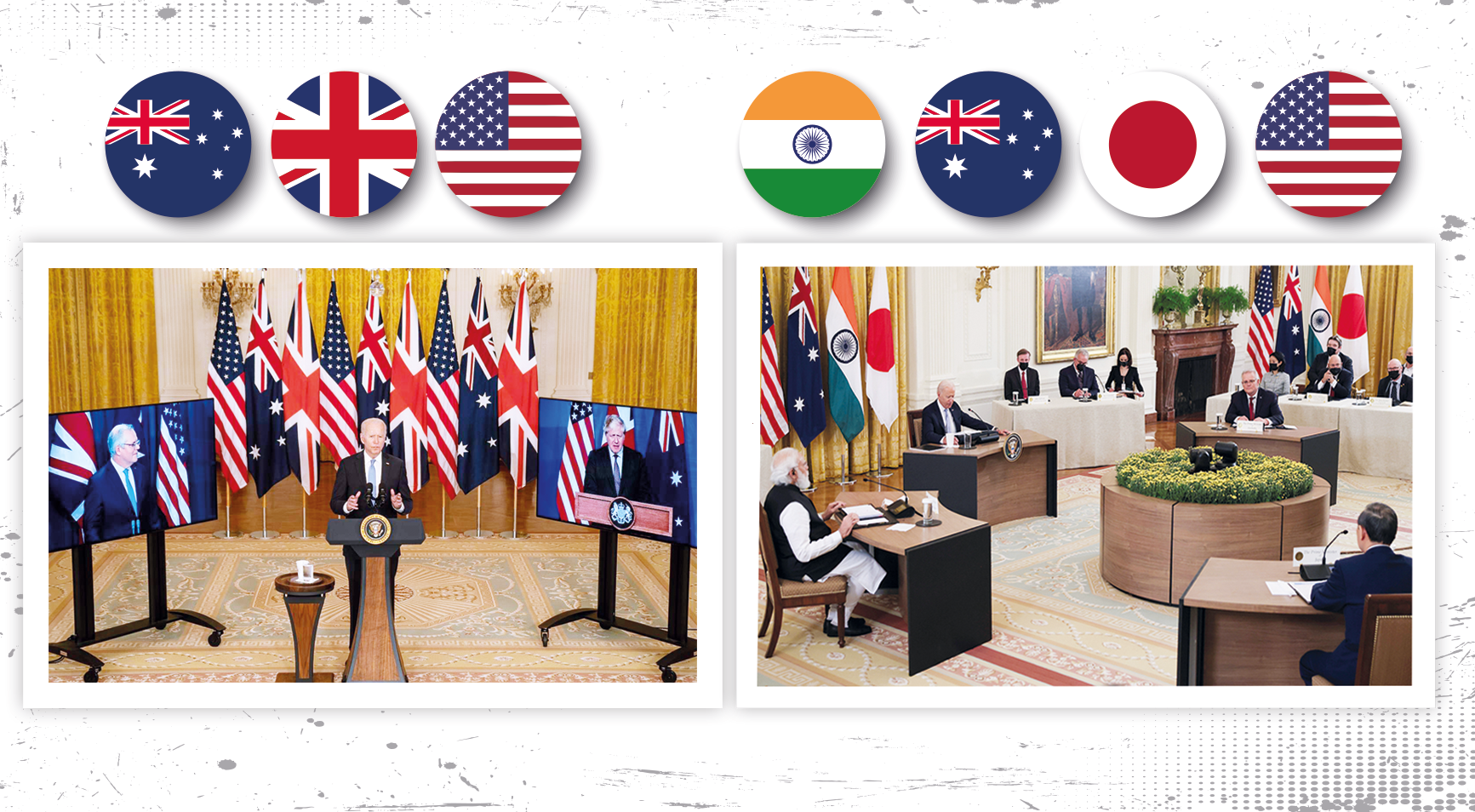
AUKUS, formed in 2021, is a trilateral security pact between Australia, the United Kingdom, and the United States. At its core, the agreement centers on advancing military capabilities and technology sharing, with a notable focus on nuclear-powered submarines for Australia. These vessels, capable of extended underwater endurance and long-range operations, are intended to enhance deterrence and regional security presence. Beyond submarines, AUKUS includes cooperation in cutting-edge domains such as cyber defense, artificial intelligence, quantum computing, and advanced missile systems [Wikipedia, 2021]; [Council on Foreign Relations, 2023]; [US Department of Defense, 2025]].[1][2[3]
In contrast, the QUAD, comprising Australia, India, Japan, and the United States—is a consultative dialogue mechanism emphasizing both security and non-security dimensions of regional cooperation. Established around 2007 and revitalized in recent years, QUAD addresses challenges spanning pandemic response, infrastructure development, technology collaboration, climate adaptation, and maritime security. While its strategic undertone reflects concern over China’s rising influence, it deliberately avoids formalized military obligations, preserving flexibility for members like India to maintain strategic autonomy [Perth USAsia Centre, 2023]; [Centre for International Strategic Studies, 2024].[4][5]
Key Differences Between the Alliances
The operational distinction between AUKUS and QUAD is pronounced:
AUKUS functions as a formalized, high-stakes military alliance. Its primary focus is enhancing defense capabilities through technology and weapon systems. The nuclearpowered submarine program represents a historic step, offering Australia an unprecedented capacity to project naval power. The pact explicitly addresses the regional balance of power, particularly in countering maritime assertiveness and ensuring freedom of navigation in strategically important sea lanes [Council on Foreign Relations, 2023]; [Security and Defence Plus, 2025].[2][6]
QUAD, by contrast, operates as a broader strategic forum with emphasis on dialogue, collaboration, and multilateral problem-solving. It balances traditional security concerns, such as maritime surveillance and threat deterrence, with non-traditional challenges, including disaster response, supply chain resilience, and climate change. This structure allows members to coordinate policy and initiatives without committing to binding military actions [Perth USAsia Centre, 2023]; [VIF India, 2024].[7][4]
These differences underscore the complementary nature of the two alliances: AUKUS provides concrete military deterrence, while QUAD offers a flexible framework for cooperation across multiple domains.
Strategic Importance in the Indo-Pacific Context
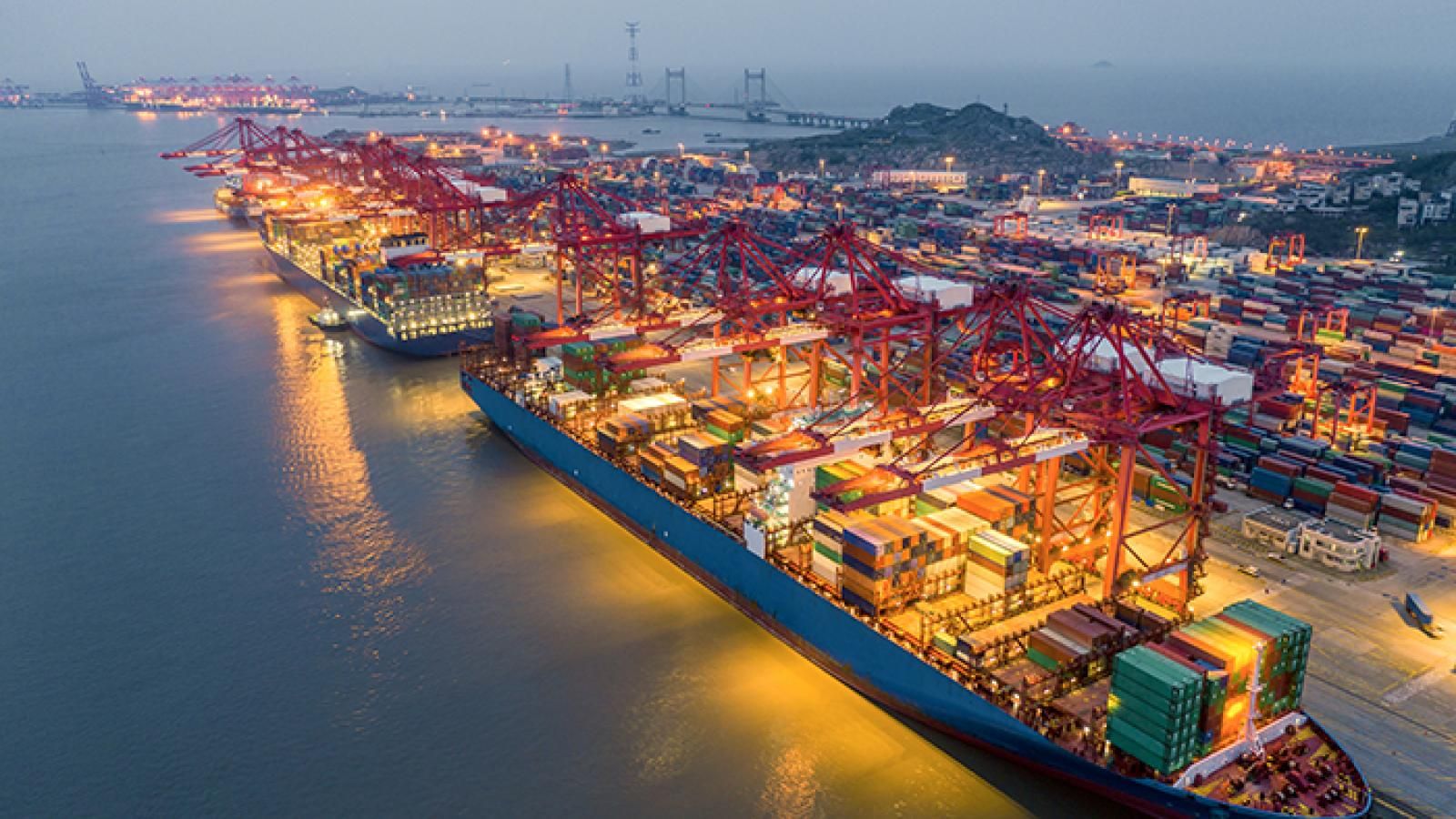
The Indo-Pacific’s strategic significance lies not only in its vast geography but also in its economic centrality. Over $10 trillion in trade passes through its waters annually, connecting the energy-rich Middle East, the industrial hubs of East Asia, and the consumer markets of Europe and North America. Maritime security, therefore, is not a peripheral concern; it is the backbone of global trade and economic stability.
AUKUS strengthens Australia’s ability to patrol key sea lanes, particularly those traversing the South China Sea and broader Pacific, ensuring uninterrupted trade flow and deterring potential aggressive maneuvers. With nuclear-powered submarines projected to enter service by the late 2030s, Australia’s naval reach and endurance will significantly increase, reshaping regional military calculations [Council on Foreign Relations, 2023].[2]
QUAD promotes collaborative solutions to regional challenges. Initiatives include joint naval exercises, coordination on infrastructure projects in the Indo-Pacific, and shared technological development. This cooperative framework allows member nations to respond collectively to challenges while maintaining national sovereignty and flexibility, particularly for countries like India [Perth USAsia Centre, 2023].[4]
The dual approach of military capability through AUKUS and strategic collaboration through QUAD highlights the evolving nature of regional power management: it is both hard and soft, combative and cooperative.
Regional and Global Reactions
Both alliances have elicited diverse international responses:
Diplomatic Tensions: AUKUS sparked immediate controversy, notably with France, following Australia’s cancellation of a €56 billion submarine contract in favor of nuclearpowered vessels under the new pact. This decision highlighted the sensitivity of high-value defense contracts and the geopolitical ramifications of alliance formation [Wikipedia, 2021].[1]
Regional Concerns: ASEAN nations and other Indo-Pacific stakeholders have expressed concern about potential militarization and escalation of arms competition. They view AUKUS as potentially destabilizing if not carefully calibrated [CSCR, 2023]; [Centre for International Strategic Studies, 2024].[8][5]
QUAD’s Reception: The QUAD is largely perceived as less confrontational, serving as a platform for dialogue and coordination. However, questions about its effectiveness persist, particularly in translating discussions into tangible outcomes. India’s strategic autonomy within QUAD reflects the delicate balancing act many members face between cooperation and independent policy-making [VIF India, 2024].[7]
Strategic Challenges and Opportunities
Challenges
AUKUS faces the challenge of managing geopolitical sensitivities, particularly concerning China. The transfer and integration of advanced technology require rigorous planning, transparency among partners, and careful diplomatic navigation. Any missteps could exacerbate regional tensions [Security and Defence Plus, 2025].[6]
QUAD encounters challenges in coherence and consistency. Differing national priorities, especially India’s cautious approach, can limit collective decision-making. As a consultative body, it must continuously demonstrate relevance in addressing pressing regional issues [VIF India, 2024].[7]
Opportunities
Technological Synergy: Both alliances foster technology sharing, AUKUS in military hardware and QUAD in broader tech sectors—which could advance innovation and resilience.
Regional Stability: By providing structured mechanisms for cooperation and deterrence, these alliances contribute to a rules-based regional order, supporting smaller states and promoting predictable security environments.
Economic Integration: Beyond military dimensions, QUAD initiatives in infrastructure and logistics can facilitate trade, enhance connectivity, and reduce economic vulnerabilities in the Indo-Pacific.
Data Insights and Strategic Indicators
Leadership Engagement: QUAD held its first in-person summit in 2021, reinforcing high-level engagement among members [Perth USAsia Centre, 2023].[4]
Defense Perception: In 2024, 65% of Indo-Pacific security experts identified AUKUS as a pivotal factor in counterbalancing China’s naval expansion [Centre for International Strategic Studies, 2024].[5]
Economic Fallout: Cancellation of the French submarine contract due to AUKUS generated an approximate €56 billion loss, illustrating the intersection of defense policy and economic interests [Wikipedia, 2021].[1]
Naval Capabilities: Australia’s acquisition of at least eight nuclear-powered submarines represents a historic leap in naval reach, endurance, and deterrence capability [US Department of Defense, 2025].[3]
These data points highlight both the strategic potency and complex ripple effects of these alliances, spanning defense, diplomacy, and economic dimensions
A Balanced Perspective on AUKUS and QUAD
When analyzed neutrally, AUKUS and QUAD offer complementary frameworks:
AUKUS provides tangible, immediate military capability that can deter aggression and project power, particularly in contested maritime zones.
QUAD serves as a broader platform for dialogue and cooperative problem-solving, addressing a spectrum of security, economic, and environmental challenges.
Together, they reflect an evolving model in global security: smaller, focused coalitions addressing specific regional challenges, rather than reliance solely on large, slow-moving multilateral institutions.
Implications for Global Security and the Future
The Indo-Pacific is transitioning into a multipolar and dynamic theater. Alliances like AUKUS and QUAD exemplify how states adapt to rising powers, technological advancements, and strategic uncertainty. The dual approach, hard military deterrence coupled with broad strategic cooperation—may define future alliance structures globally.
Challenges remain, including the potential for regional tension escalation, technology transfer hurdles, and divergence of national priorities. However, these alliances provide mechanisms for structured engagement, signaling commitment to rules-based order, collective defense, and cooperative problem-solving.
The next decade will likely witness an iterative evolution of these partnerships. Their success will depend not solely on military hardware or economic clout but on the ability to balance ambition, diplomacy, and regional trust.
Conclusion
AUKUS and QUAD represent two complementary strands of Indo-Pacific strategy. AUKUS strengthens defense capabilities and deterrence, while QUAD fosters dialogue and regional collaboration on a broad set of issues. Both reflect the reality of an increasingly complex, interconnected, and multipolar world where security, technology, and economic stability are intertwined. Their development underscores the necessity for countries to adapt creatively and pragmatically to regional challenges without escalating conflict.
In a world defined by rapid technological change, strategic uncertainty, and shifting alliances, the Indo-Pacific will continue to be a focal point where flexible cooperation and measured deterrence shape the security landscape. The interplay between AUKUS and QUAD will remain central to understanding how global powers navigate this intricate and consequential region.
References
1 - Wikipedia. "AUKUS." Sep 2021. https://en.wikipedia.org/wiki/AUKUS
2 - Council on Foreign Relations. "AUKUS Explained: How Will the Trilateral Pact Shape Indo-Pacific Security?" Jun 2023. https://www.cfr.org/in-brief/aukus-explained-how-willtrilateral-pact-shape-indo-pacific-security
3 - US Department of Defense. "AUKUS: The Trilateral Security Partnership." Apr 2025. https://www.war.gov/Spotlights/AUKUS/
4 - Perth USAsia Centre. "The Quad, AUKUS, and the Future of Alliances in the IndoPacific." Sep 2023. https://perthusasia.edu.au/research-and-insights/the-quad-aukus-andthe-future-of-alliances-in-the-indo-pacific/
5 - Centre for International Strategic Studies. "How AUKUS and Quad Challenge the Security Architecture." Nov 2024. https://ciss.org.pk/how-aukus-and-quad-challenge-the-securityarchitecture-of-the-indian-ocean-region-options-for-pakistan/
6 - Security and Defence Plus. "AUKUS and Pacific Grand Strategy: A View from Washington." 2025. https://securityanddefenceplus.plusalliance.org/essays/aukus-andpacific-grand-strategy-a-view-from-washington/
7 - VIF India. "The Quad vs AUKUS Debate: Implications for India." Nov 2024. https://www.vifindia.org/2024/november/28/The-Quad-vs-AUKUS-Debate-Implicationsfor-India
8 - CSCR. "What Do AUKUS and QUAD Hold for ASEAN?" https://cscr.pk/explore/themes/defense-security/what-do-aukus-and-quad-hold-for-asean/
9 - The Diplomat. "Quad and AUKUS Face an Uncertain Future Under Trump." Feb 2025. https://thediplomat.com/2025/02/quad-and-aukus-face-an-uncertain-future-under-trump/