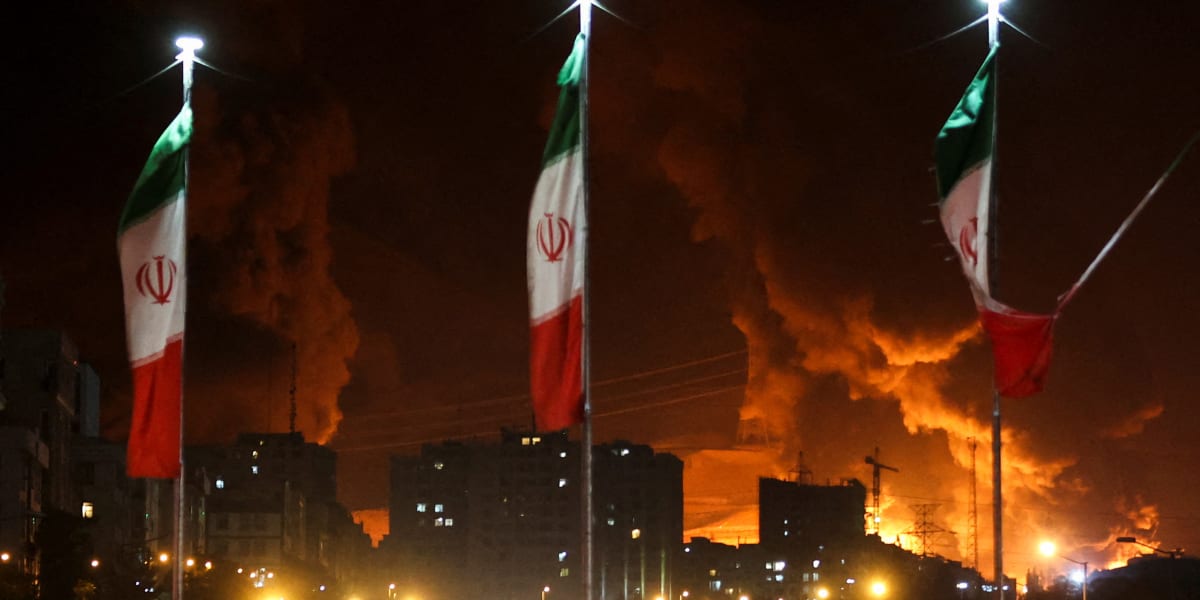
The Silent Volcano: Iran’s Internal Crisis Meets a Regional Deadline
After the torrent of violence in January, Tehran’s streets are eerily quiet. But this calm is ominous. Iranians endured the “most widespread and sustained unrest” since 1979, met with one of the harshest crackdowns in the regime’s history. Now, with a U.S. ultimatum looming “10 or 15 days” to seal a deal or face “really bad things” pressure is building on two fronts. Inside the country, a relegated social contract and rising public rage challenge the regime’s grip. Regionally, a massive U.S. military build up has reshaped diplomacy into what many call coercive pressure. Turkey and Qatar have quietly stepped in as mediators, scrambling to de escalate the showdown. The stakes could not be higher: Iran’s leaders are betting that their heavy hand can contain unrest, while still fending off foreign threats. But experts warn that the regime’s strategy of force and fear is fraying and one way or another, something will give.
A Broken Social Contract
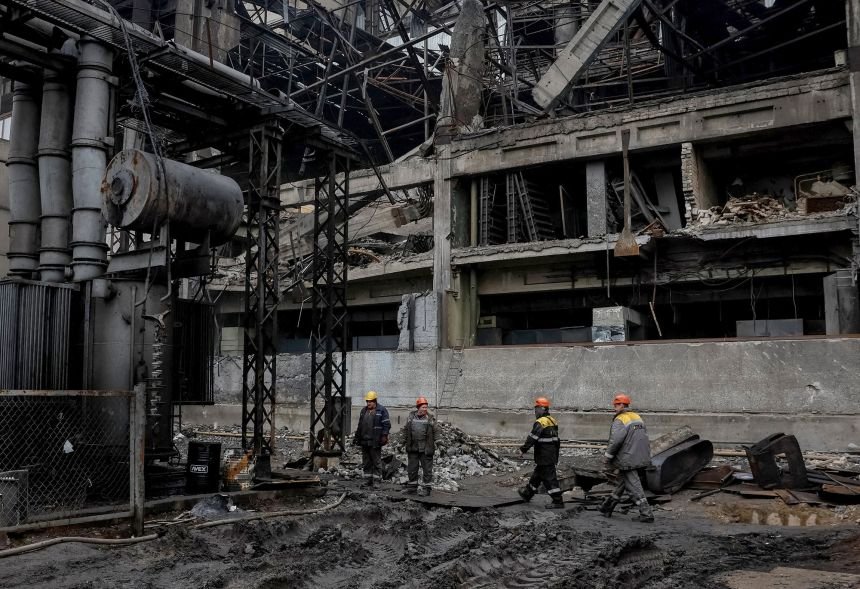
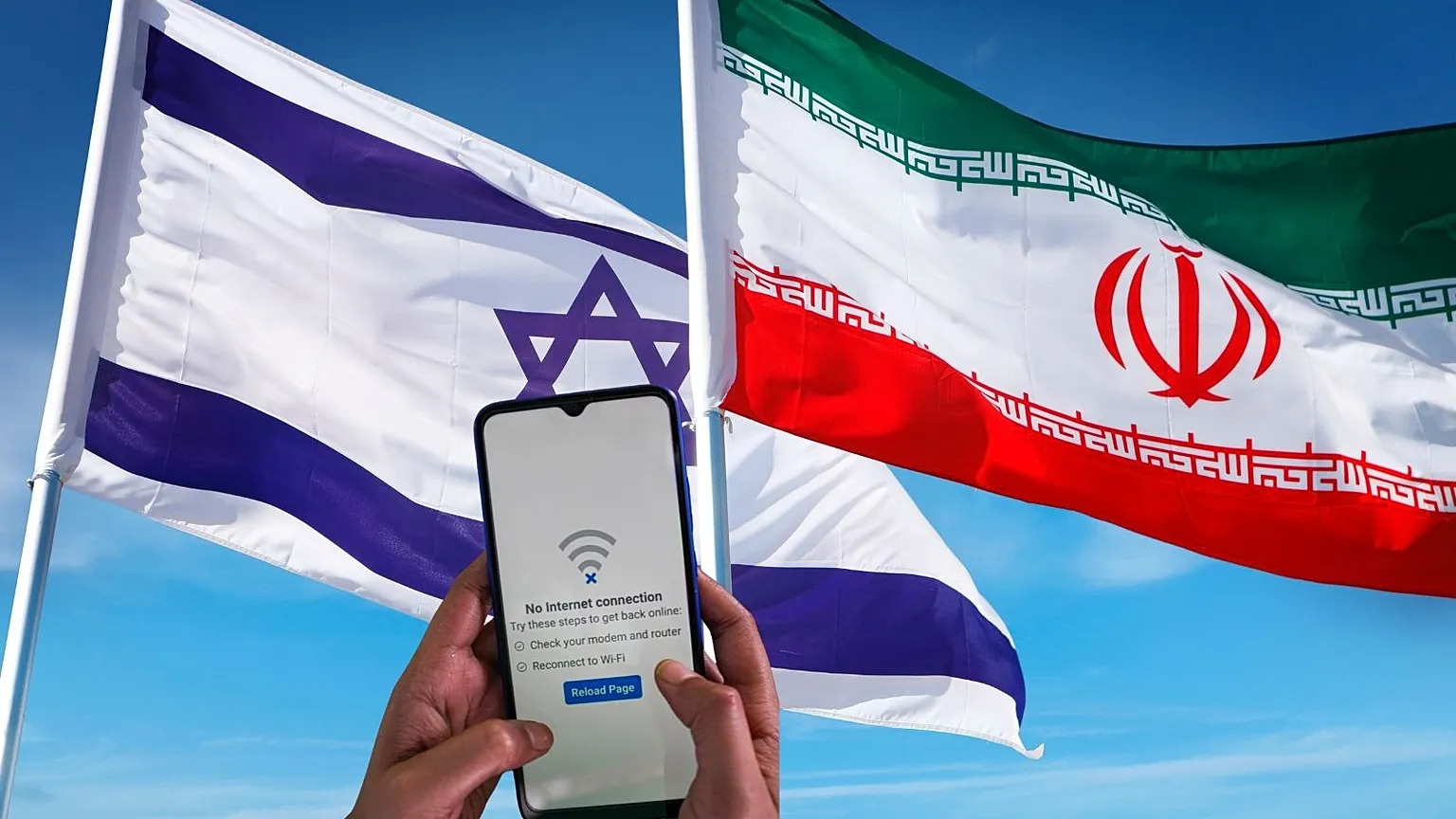
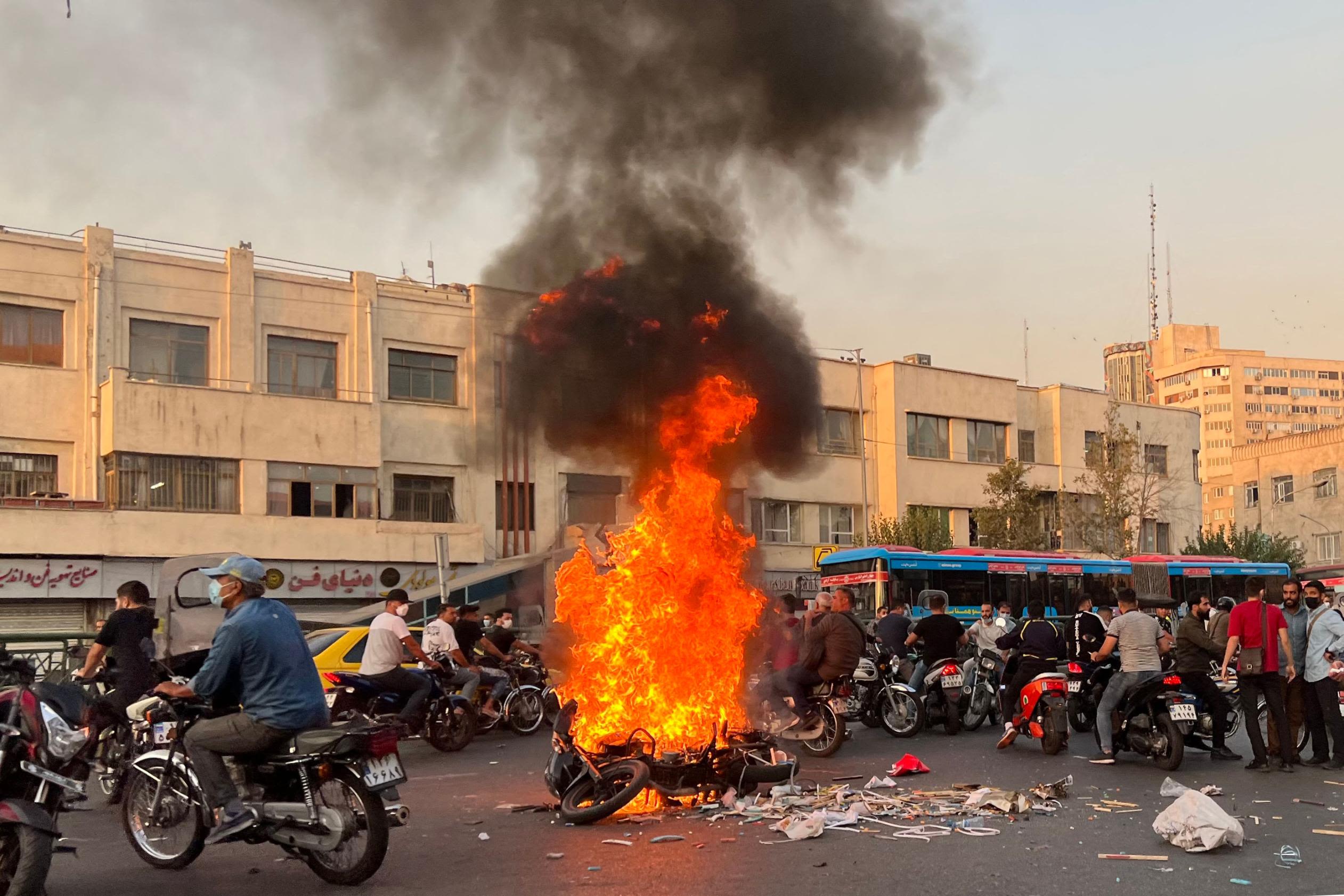
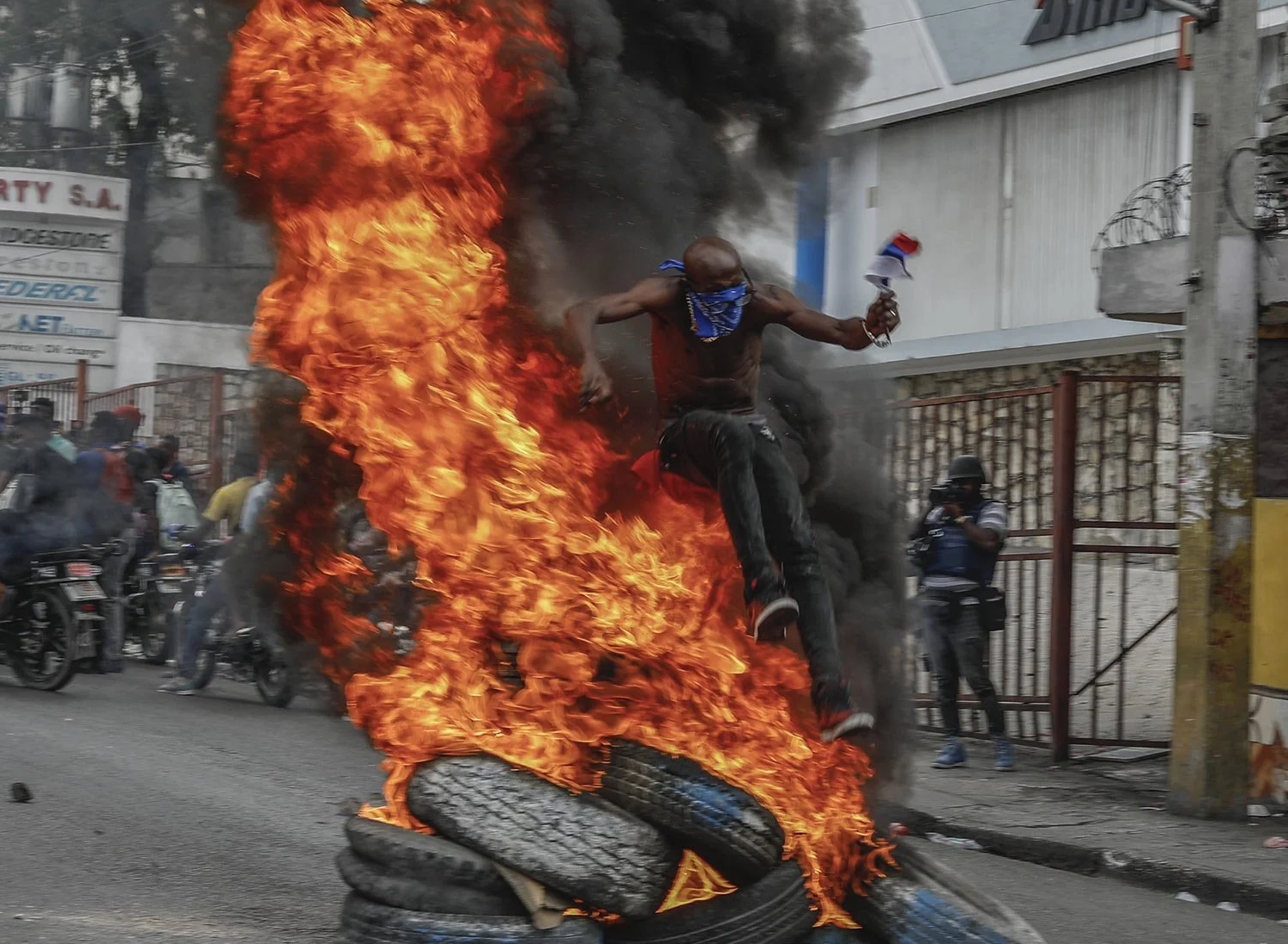
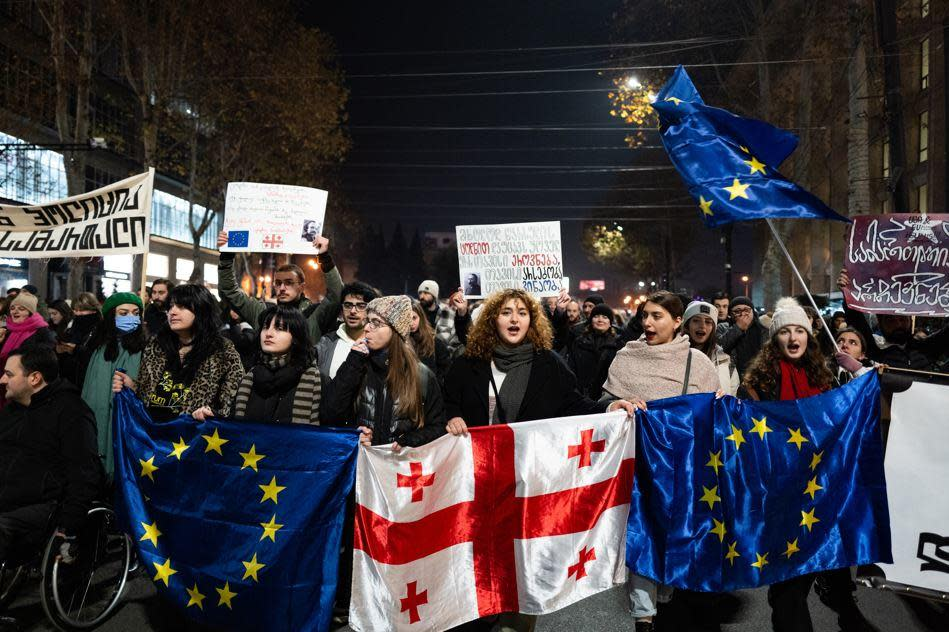
The scale of January’s crackdown was staggering. Opposition groups say over 2,000 protesters were killed, by far the bloodiest unrest since the 1979 revolution. Human rights monitors and Iranian residents describe mass graves, executions and disappearances. In raw terms, this has been “the worst domestic unrest since Iran’s 1979 Islamic Revolution”. Villages and city squares have been emptied by a mix of internet blackouts, martial law, and sheer terror. Officially, things are calm; but the veneer of order hides a widening legitimacy gap.
Analysts say this week’s events reflect a fundamental rupture in the social contract. Four seasoned Iran experts convened by Iran International agreed that repression alone can no longer restore authority. One political scientist summed it up: “The social contract between Khamenei and the people has expired.” In plain language, Iranians no longer feel ruled by consent. Every wave of protests only deepens the legitimacy deficit (as one scholar put it). The regime’s response has been a cruel calculus: loosen strict social norms to pacify daily life, while ruthlessly crushing any political dissent. Tehran’s strategy, as one activist jailed in earlier protests put it, is clear: “They want to crush dissent.”
These tactics have produced fear but not compliance. After decades of threats and censorship, many Iranians are simply numb. As one Afghan Iranian observer wrote: “People believe that peaceful protests alone are no longer enough.” A Silicon Valley doctor of Iranian heritage said Iranians understand: the regime “will respond only with bullets, prisons and executions.”. In this vacuum of hope, even long taboo ideas gain currency. Some diaspora voices now openly debate foreign intervention, arguing that “international military intervention may be the only realistic way to stop the killing and dismantle this system of repression.”. Within Iran, officials privately admit that “fear is no longer a deterrent” the “wall of fear” has crumbled. One former minister warns bluntly: with anger this deep, “the game is over.”
Economically, too, the contract is unraveling. Inflation is surging food prices up ~72%, meat more than 100% and jobs vanish as businesses flee. A once supportive bazaar class, betrayed by collapsing rial and punishing sanctions, has broken decisively with the regime. Key ideological pillars like mosques now function as detention centers rather than moral guides. In short, the Iranian public now asks: “Why should these rulers rule?” The answer is nowhere to be found in the streets of Tehran.
Warships or Diplomacy? The U.S. Buildup
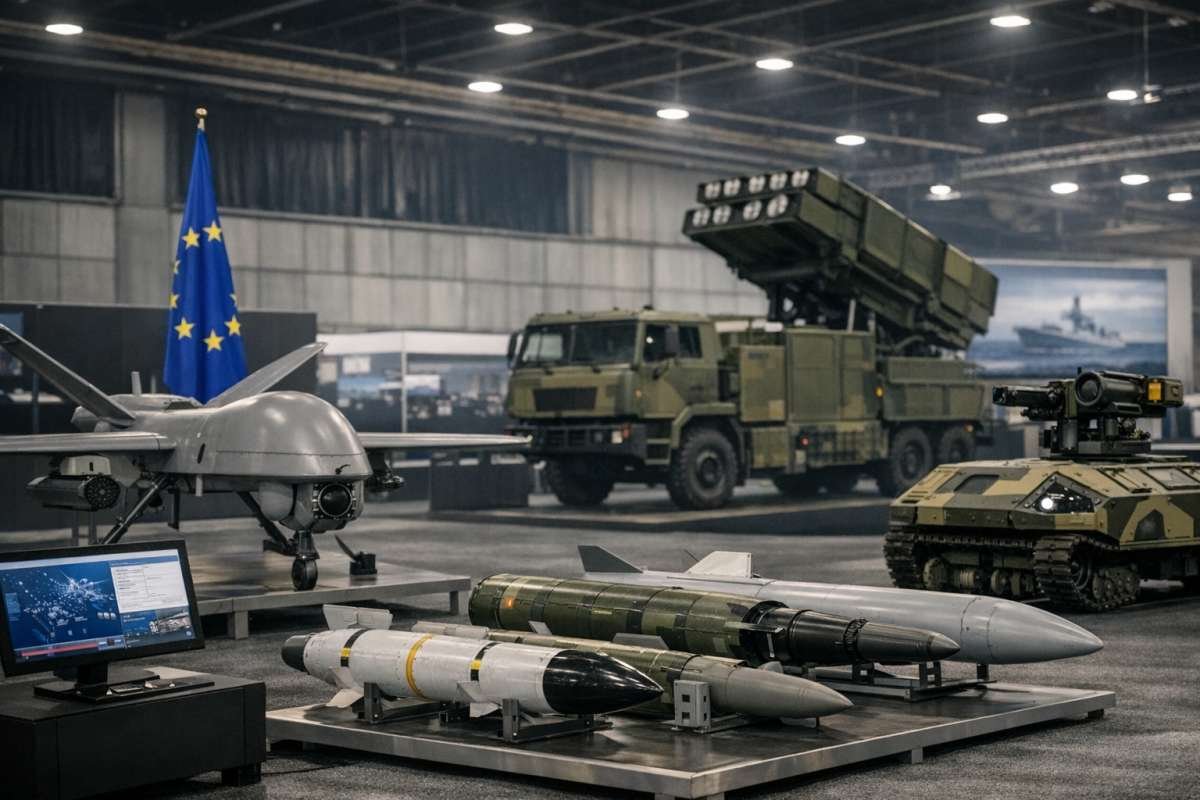
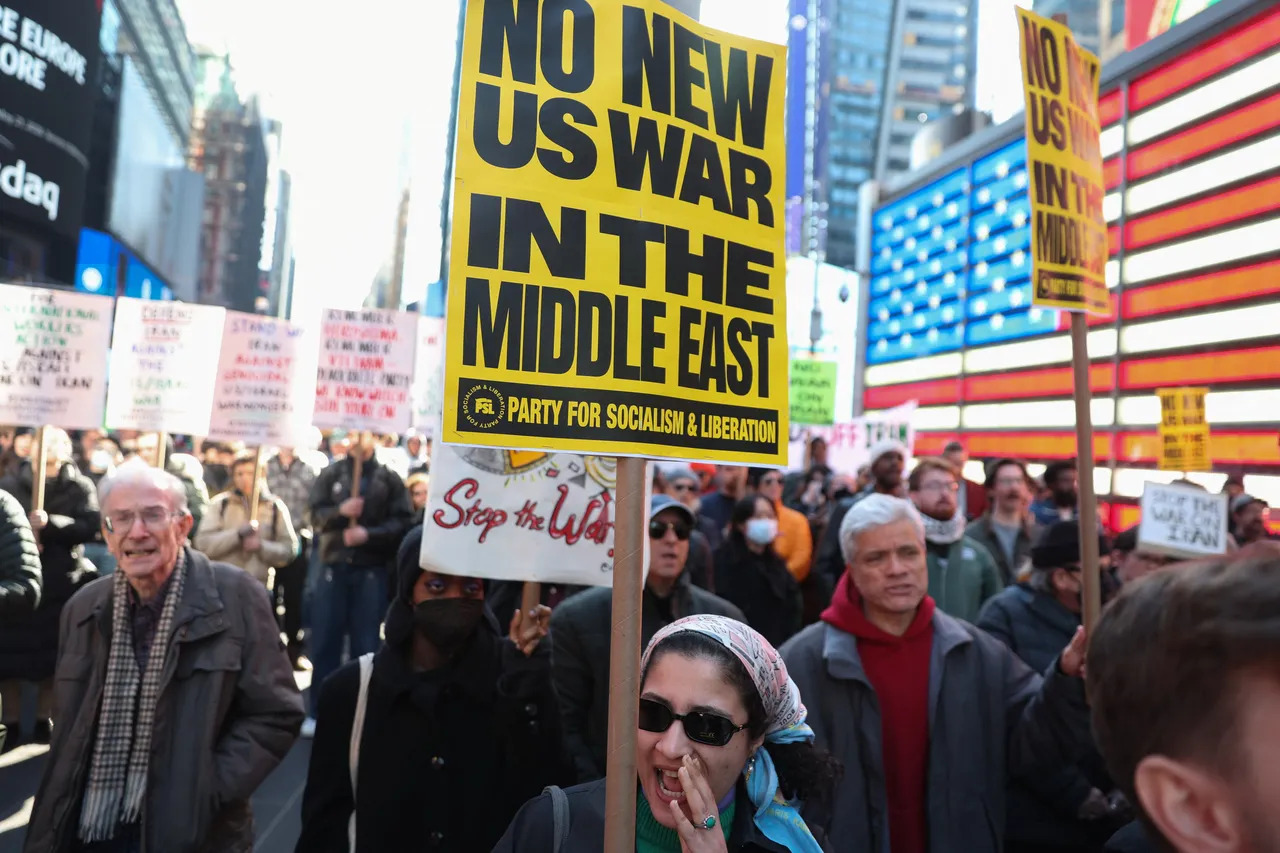
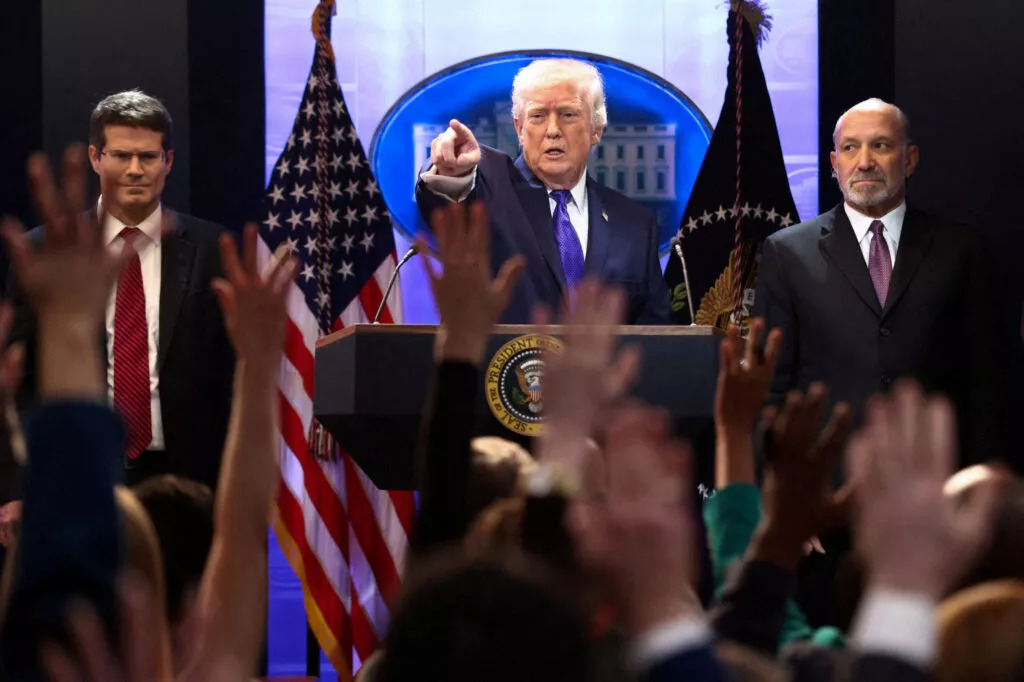
If Iran’s rulers face a powder keg at home, their US counterparts are sending their own firepower as a warning. In recent weeks the U.S. has deployed a fleet of warships, fighter jets, and an aircraft carrier to the Gulf. Each day President Trump and his lieutenants emphasize that time is short diplomacy has at most a few weeks before “really bad things” happen. But Western officials insist this is coercive diplomacy, not the opening of a war plan. As defense analysts note, having carriers in range serves as “credible force” behind negotiations. Vice President Vance himself characterized the approach as classical “coercive diplomacy,” where talks advance under the shadow of military power.
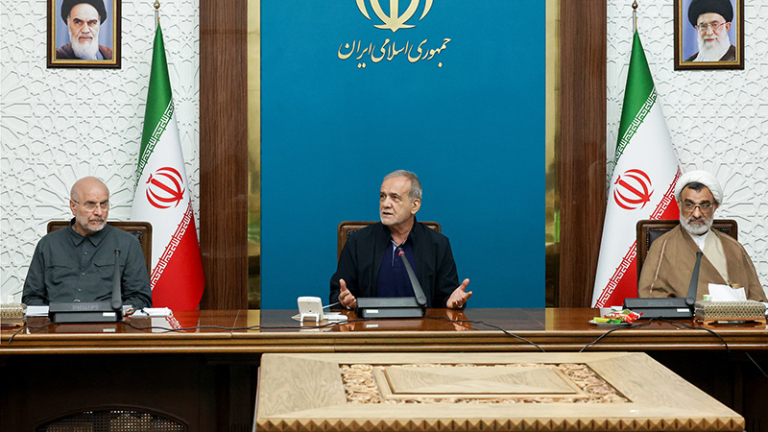
Iranian leaders echo that interpretation. They publicly decry the buildup as bluster: diplomacy is “not compatible with threats, intimidation or pressure,” Foreign Minister Araghchi said. Tehran claims it is willing to negotiate, but only on “equal footing and with mutual respect”. Behind the scenes, aides worry that a strike even a limited one on nuclear sites could be toxic. As one senior official soberly told Iran’s Supreme Leader, “people are extremely angry. The wall of fear has collapsed.” Any U.S. strike now, he said, could unleash those latent crowds and do “irreparable damage to the political establishment”.
The result is a tense stand off. From the Iranian perspective, it’s a dangerous game of chicken will the external pressure break their people’s resolve first, or will the force of internal unrest break the regime’s grip? Every public statement in Tehran combines defiance with a plea: talk, but without the hammer of war. Yet even as President Pezeshkian and Ayatollah Khamenei demand dignity for Iranians at home, they simultaneously threaten reciprocity abroad: state media have warned that any attack on U.S. bases would see “all bases, facilities, and assets of the hostile force” hit in response. In sum, military posturing is being treated on both sides as a bargaining chip, but all parties seem acutely aware that one misstep could turn words into real war.
The Mediators: Turkey and Qatar Step In
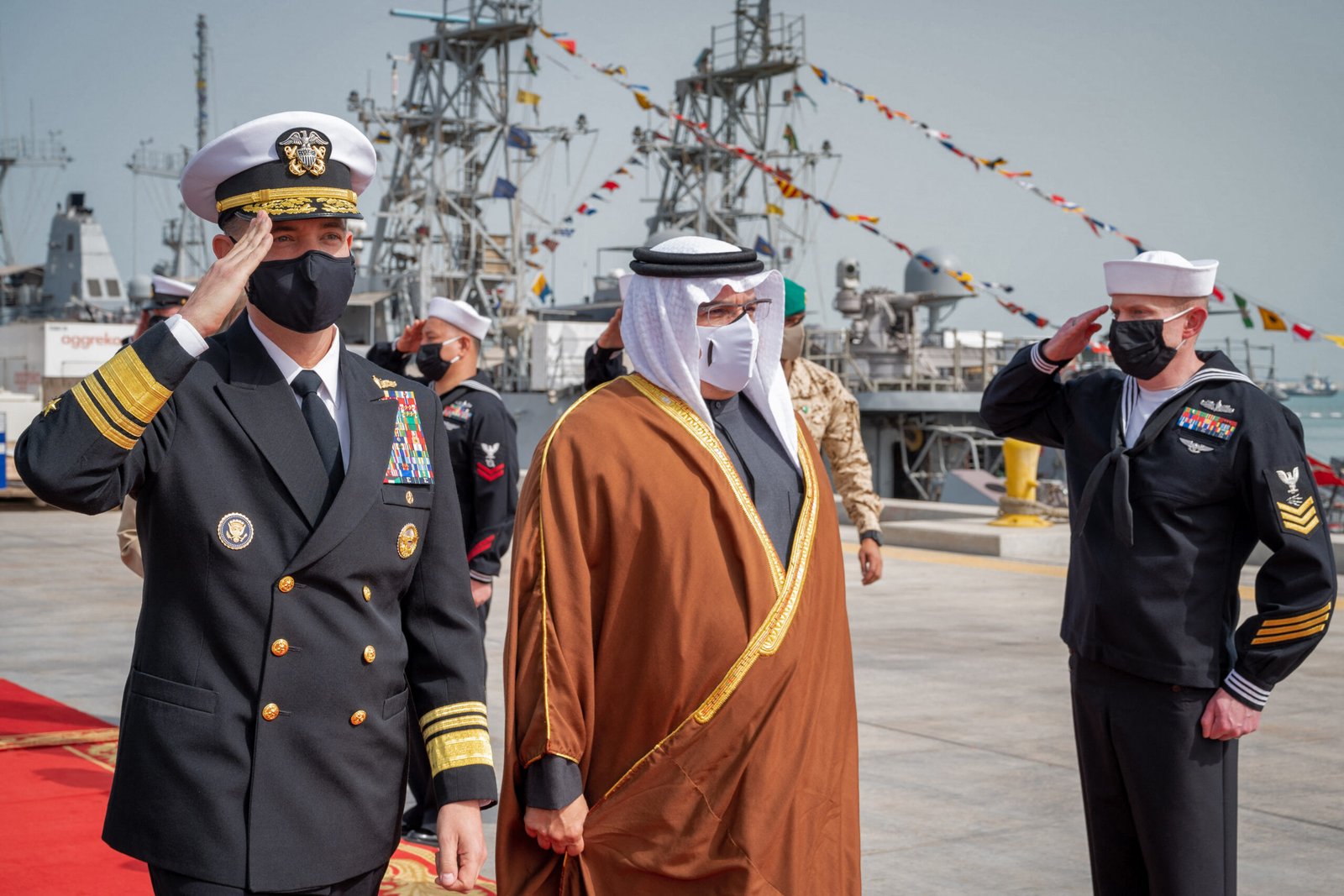
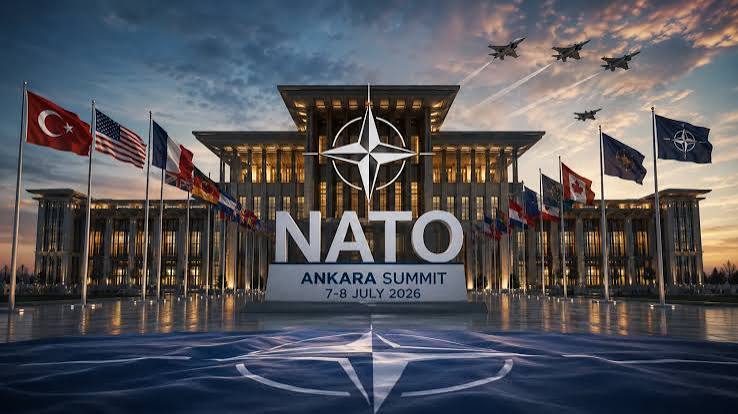
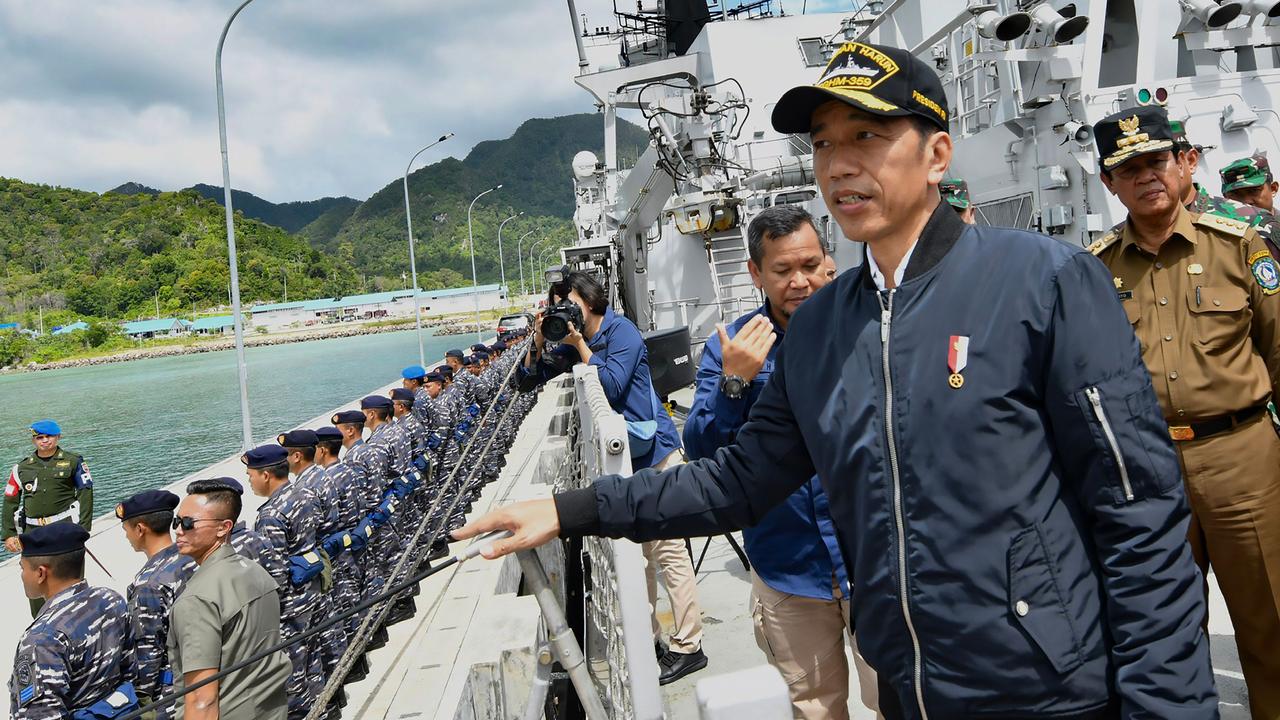
With tensions so high, regional players have rushed to act as pressure valves. Leading the charge are Turkey and Qatar, each leveraging good relations to cool the crisis. Turkey’s President Erdoğan has telephoned both Trump and Iran’s interim president, conveying his country’s readiness to host meetings. Turkish officials quietly advanced a proposal for a trilateral summit, and Foreign Minister Fidan met his Iranian counterpart in Ankara. As one Turkish academic noted, Türkiye’s goal is to exploit “flexible formats… that can lower tensions without forcing either side into an immediate climbdown”.
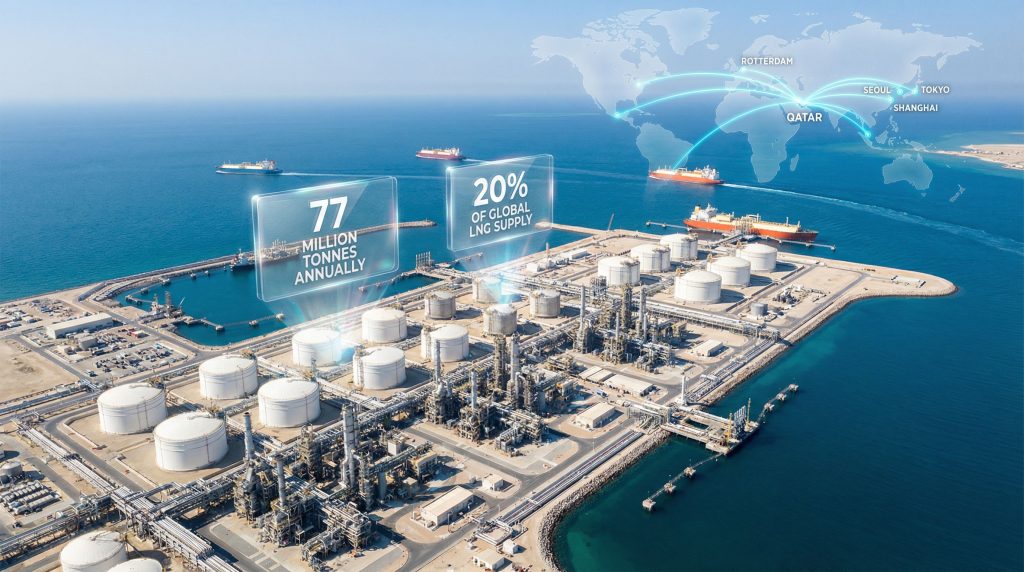
Qatar has worked similarly behind the scenes. Doha’s emir recently visited Tehran (even as Gaza is under fire) and subsequently pledged to help broker dialogue. A Qatari official told Reuters they have been in “intense diplomacy” with both Tehran and Washington, urging restraint on U.S. strikes in exchange for de escalation. Along with Saudi Arabia, Qatar helped temper regional outrage, warning that any strike on Iran would "impact the wider region that would ultimately impact the United States". Observers point out that neither Turkey nor Qatar supports Iran’s domestic policies their motive is self preservation. They fear “uncontrollable spillover effects” from any war, from refugee flows to energy chaos.
Tehran, for its part, is tentatively receptive to these intermediaries. Foreign Minister Araghchi said Iran was open to talks “if they are fair and equitable” and welcomed the idea of negotiating on foreign soil. The very fact that his meeting with Erdogan was public suggests Iranians at least want to credit these efforts as a possible escape hatch. Inside Iran, some hardliners bristle at even talking; but figures like Mahmoud Vaezi have emphasized confidence in Turkey’s role as “a vital lifeline” for Iran. Above all, both Ankara and Doha insist the goal is no war, using every tool back channel calls, proposed summits, parallel talks to keep the conversation alive.. For now, these mediators represent Iran’s slimmest hope of negotiation.
The Takeaway: A Regime at Its Limits
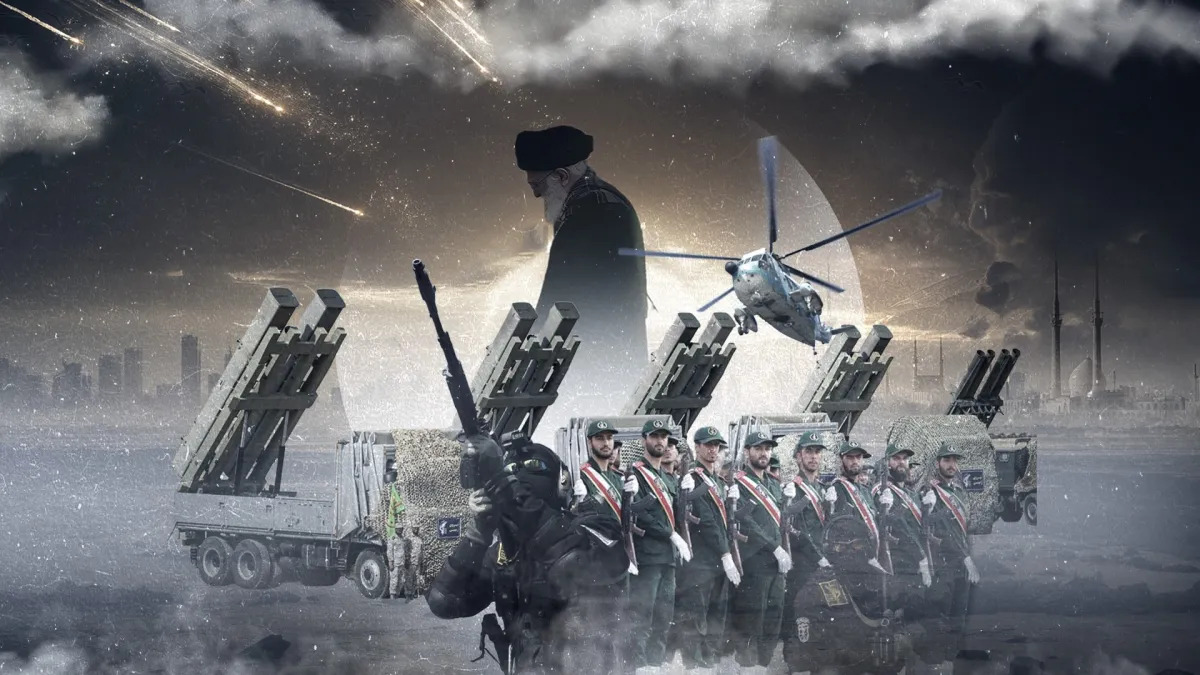
Iran’s regime is effectively juggling two existential crises. Internally, it faces a citizenry furious over living conditions and the army’s bloodletting a psychological shift captured by analysts: many now openly hope for foreign assistance, something once taboo. Externally, it confronts an increasingly impatient U.S. demanding concessions on nukes, missiles and regional behavior under the threat of military force. The Islamic Republic handles both with the same playbook: bolstering its own strength (from IRGC deployments to firing rockets at Israeli targets) while blaming outside enemies for every hiccup of dissent.
Which way will this coin flip? Some observers worry that a self inflicted deadline could backfire on Iran. As one senior adviser told Reuters, the U.S. aims to “ignite” fresh unrest by striking a gamble that could indeed embolden an enraged population. Meanwhile, others caution that skirting democracy in the name of security has already cost the regime dearly. Iran’s leaders calculate that by demonstrating iron fisted resolve on one front defending sovereignty, on the other crushing insurgency they can survive. But experts see little room left: repression buys time, yet “no longer restores authority or rebuilds public consent”.
In this silent drama, every tick of the clock raises the tension. A Friday deadline set by Washington looms, and Iranians look on uncertainly. Will their silent anger boil over before an attack starts? Or will an external strike snap a fragile protest pause? For now, silence reigns but it is deafening. Iran may appear calm, but it is a boiling cauldron waiting for either the lid to give way or the pot to explode. Either outcome will redraw Iran’s future in very different colours. One thing is clear: the world should not mistake quiet for peace.