Energy as Leverage-The Desalination Chokepoint
Across the Persian Gulf, the most dangerous chokepoint is no longer only oil leaving through tankers. It is water entering cities. That is because the Middle East now accounts for 41.8% of global operational desalination capacity, while several Gulf states rely on desalination for most or all drinking-water supply. In practice, that means a strike on water infrastructure can create strategic pressure far beyond its physical footprint: on hospitals, sanitation, electricity, public confidence, and the legitimacy of the state itself. The March 2026 strikes turned that vulnerability from theory into operational reality. (Nature/npj Clean Water, 2026; Reuters, 22 March and 7 April 2026).
The core judgement is straightforward: desalination has become a coercive lever because it sits at the junction of water security, energy security and urban continuity. The World Health Organization warned in April that attacks on desalination can affect safe water, hospital functionality and public health, while the Office of the High Commissioner for Human Rights said the foreseeable civilian and environmental effects of these strikes raise serious questions under international humanitarian law. (WHO, 2 and 23 April 2026; OHCHR, 10 March 2026).
Why March changed the escalation ladder
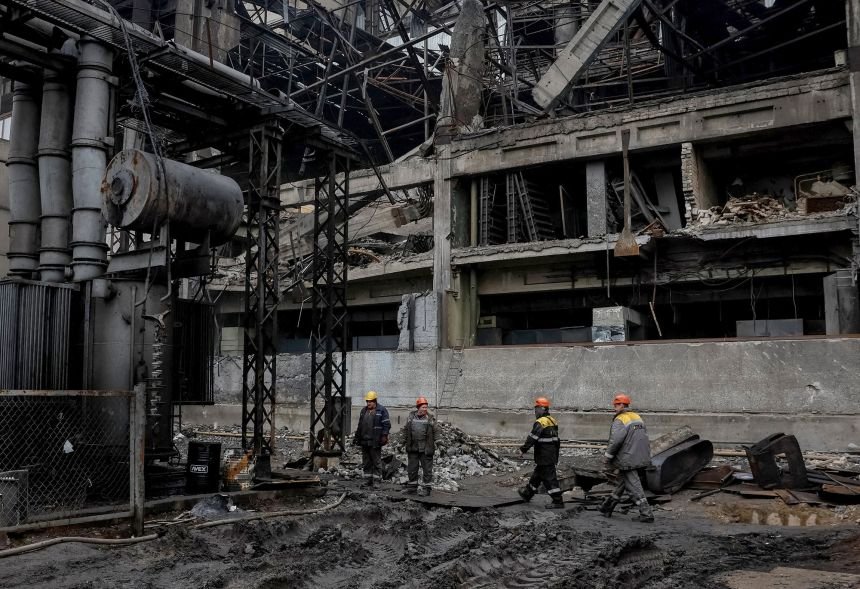
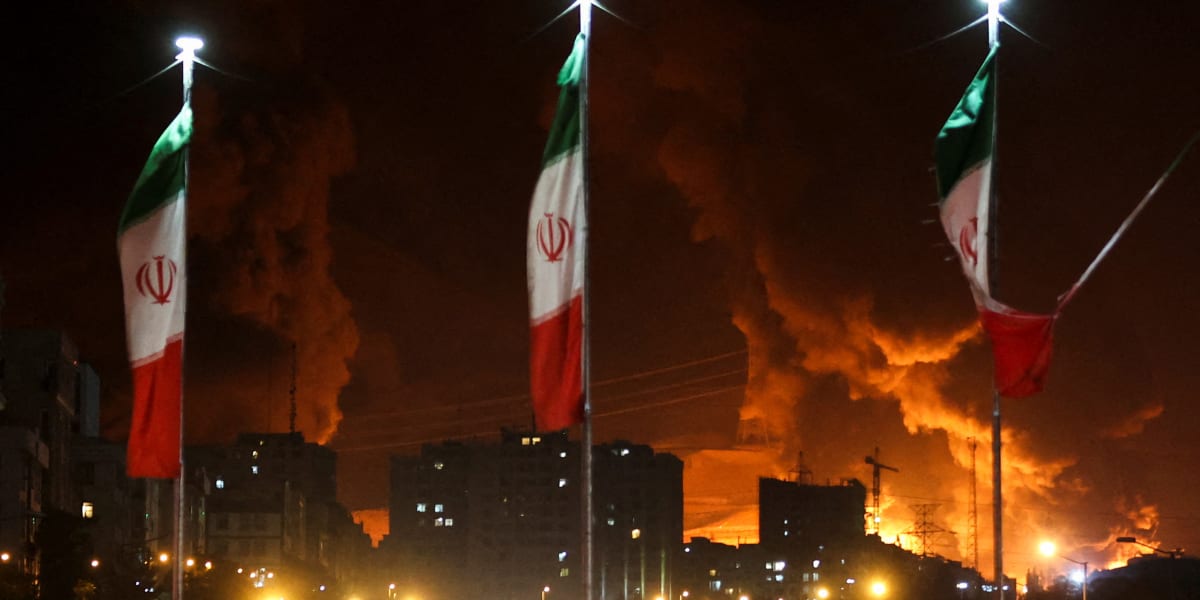
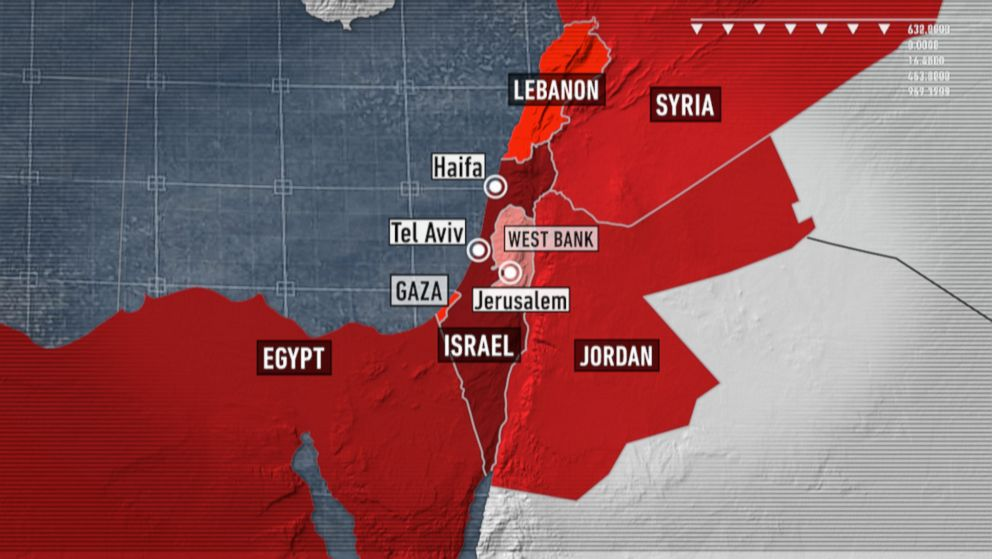
What changed in March was not just damage, but precedent. On 7 March, Iran said a strike on Qeshm Island had disrupted water supply to 30 villages. The next day, Bahrain said an Iranian drone had caused material damage to a desalination plant. By late March and early April, incidents had spread to Kuwait, where WHO recorded damage to power-water desalination infrastructure and later assessed some capacity as still partially compromised. In other words, water systems moved into the retaliation ladder alongside oil, power and ports. (Iranian Foreign Ministry, 8 March 2026; Bahraini official statement, 8 March 2026; WHO, 2, 9 and 23 April 2026).
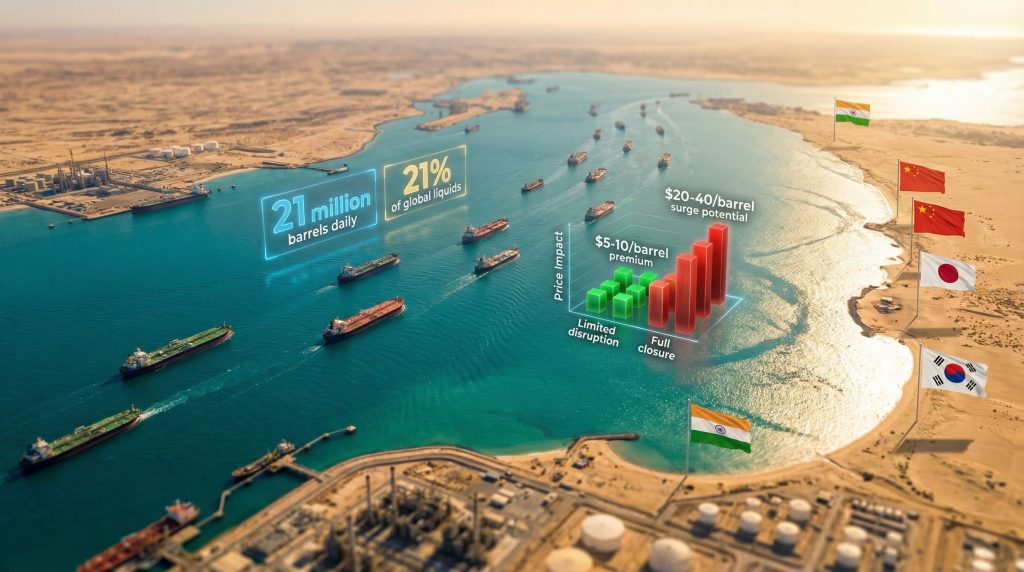
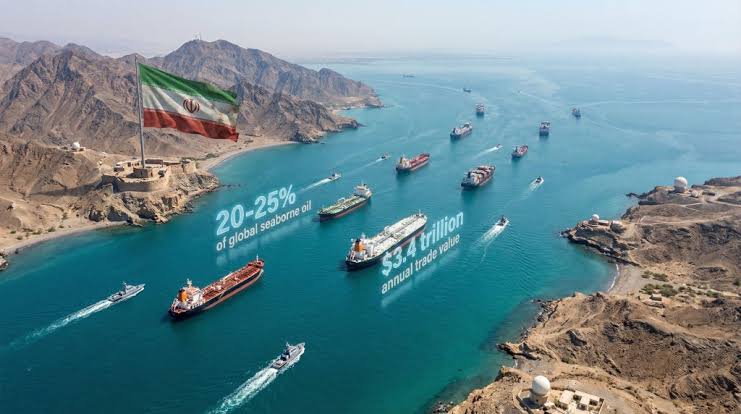
That matters because desalination offers an unusually efficient form of strategic leverage. Plants are fixed, coastal, energy-intensive and often co-located with power generation. Several sit close to the Strait of Hormuz, where maritime disruption magnifies the risk from any strike on water, fuel or spare-parts supply. Reuters reported in March that Iran explicitly threatened Gulf energy, IT and desalination facilities if its own power grid were attacked. This is classic asymmetric coercion: relatively cheap attacks or near-misses against civilian-enabling infrastructure can generate outsized political and economic pressure. (Reuters, 22 March 2026; Center for Strategic and International Studies, 19 March 2026).
What was hit
Where governments did not publicly identify the exact plant or unit, I mark the data as unspecified rather than fill gaps with guesswork.
Source notes: the Qeshm plant’s RO configuration and nominal capacity come from a site-specific engineering study, while its outage status comes from Iran’s Health Ministry. Bahraini authorities confirmed damage, but neither the site nor the exact process was publicly identified, so that row remains intentionally incomplete. Kuwait’s capacity data come from Kuwait’s Ministry of Electricity, Water and Renewable Energy, while continuity and repair status come from WHO and KUNA-linked reporting. Bahrain’s assurance of continued water service came from the Electricity and Water Authority. (Engineering study on Qeshm, 2021; Iran Health Ministry, 31 March 2026; Kuwait MEWRE, accessed 2 May 2026; WHO, 2 and 23 April 2026; KUNA-linked reporting, 4 April 2026; EWA Bahrain, 9 March 2026).
On the evidence available, the incidents exposed both major desalination families in the region. The one clearly identified direct-hit plant on Qeshm is seawater reverse osmosis. The affected Kuwaiti facilities are water-distillation plants integrated with power generation. For Bahrain, the process remains unconfirmed because the government did not publicly name the plant. That gap matters analytically: Gulf desalination risk is not confined to one technology; both membrane RO systems and thermal distillation complexes are exposed. (Engineering study on Qeshm, 2021; Kuwait MEWRE, accessed 2 May 2026; Bahraini official statement, 8 March 2026).
Why repair is slow
The repair clock depends on what was actually hit. A 19 March analysis from the Center for Strategic and International Studies argued that hits on sensitive components such as high-pressure pumps or membrane buildings can disable desalination output for weeks. An older but still technically relevant warning from the Central Intelligence Agency went further: if major capital equipment must be replaced, plants may be offline for several months, and full reconstruction can take up to two years. That frames the March pattern clearly: Bahrain’s damage appears to have been peripheral enough for services to continue, whereas Qeshm’s damage was serious enough for Iranian officials to say short-term repair was impossible. (CSIS, 19 March 2026; CIA, released 2010, original 1983; Iran Health Ministry, 31 March 2026; EWA Bahrain, 9 March 2026).
Technically, the bottlenecks are not just membranes. The CIA’s process note identified pretreatment, high-pressure pumps, intake pumps, brine heaters, distillation stages and vacuum systems as critical nodes, and WHO reported in Kuwait that electrical-grid components and a fuel tank required extensive repair. A separate engineering review on oil-spill management warned that desalination intake systems are poor at filtering oil contamination, meaning a tanker incident or deliberate spill can force shutdown even without a direct hit. This is why asymmetric tactics matter here: drones, debris, fuel fires, grid damage and intake fouling can all impose real water stress at lower cost than trying to destroy an entire plant. (CIA, released 2010, original 1983; WHO, 2 April 2026; oil-spill engineering review, 2023).
Why the urban cascade matters
The public-health cascade is fast. WHO’s April guidance warned that disruption to desalination in countries dependent on it for 70–100% of drinking water can trigger water shortages, halt hospital operations, impair sanitation and wastewater systems, and raise the risk of waterborne disease. OHCHR likewise warned that the tit-for-tat logic around essential infrastructure could have dire regional consequences. This is not abstraction: on Qeshm Island, OHCHR said the strike reportedly disrupted water access for at least 30 villages. (WHO, 6 and 9 April 2026; OHCHR, 10 March 2026).
Urban risk is amplified because desalination systems are continuous rather than flexible. A WIRED Middle East interview with regional engineering and security experts noted that Gulf systems can absorb a single-plant outage for a limited period because of storage and interconnection, but reserves in some places are measured in days, not seasons. Bahrain’s own authorities say the country has been fully reliant on desalinated water since 2016, with groundwater preserved for contingency use. The implication is stark: if attacks shift from isolated damage to repeated or multi site disruption, the problem is no longer just water scarcity. It becomes a power-water-health emergency. (WIRED Middle East/Veolia, 6 April 2026; EWA Bahrain, accessed 2 May 2026).
Policy implications
The first implication for policymakers is conceptual: desalination plants should be treated as strategic civil-defence assets, not merely utilities. The second is architectural: reduce single-point failure. The official strategy in the United Arab Emirates already emphasises continuity of water access under emergency conditions, and Veolia told WIRED that geographically distributed plants and interconnected distribution systems are what buy resilience after an incident. The direction of travel is therefore clear: more distributed capacity, more protected storage, and less dependence on a handful of giant coastal nodes. (UAE government, Water Security Strategy 2036; WIRED Middle East/Veolia, 6 April 2026).
For operators, resilience needs to be practical rather than rhetorical. The historical CIA recommendation for emergency modular desalination still stands up well, and recent UAE support to Cyprus demonstrated that mobile units can be mobilised within weeks to bridge shortfalls, even if they cannot replace a disabled mega-plant. The engineering literature points to a sensible minimum package: pre-positioned membranes and pumps for RO systems, protected switchgear and backup power, intake-defence measures against oil contamination, more robust pretreatment and repeated drills for 72-hour, two-week and three-month outage scenarios. Those are not luxury measures; they are now part of operating in a contested infrastructure environment. (CIA, released 2010, original 1983; Reuters, 26 May 2025; oil-spill engineering review, 2023).
Legally and ethically, the bar is also clear. The International Committee of the Red Cross states in rule 54 and Additional Protocol I, Article 54, that objects indispensable to the survival of the civilian population, including drinking-water installations, must not be attacked, destroyed or rendered useless. OHCHR’s March warning that these strikes require serious legal scrutiny is therefore not rhetorical inflation; it reflects settled humanitarian-law principles. A conflict that normalises attacks on water systems is not simply escalating horizontally. It is dismantling one of the remaining red lines around civilian survival. (ICRC, accessed 2 May 2026; OHCHR, 10 March 2026).
Open questions and assumptions
Two gaps remain important. First, Bahrain did not publicly identify the struck plant, so any attempt to assign a process type or firm repair ETA would be speculative. Second, public reporting on the Kuwaiti incidents is better on consequences than on exact unit-level damage, which means the line between service-building hits and core process damage is still not fully transparent. Where I infer broader repair timelines, those are based on official technical descriptions and comparable engineering evidence, not confirmed operator-level disclosures. (WHO, 2 and 23 April 2026; Bahraini official statement, 8 March 2026).