The Institutional Divide in Iran’s Forty Day War
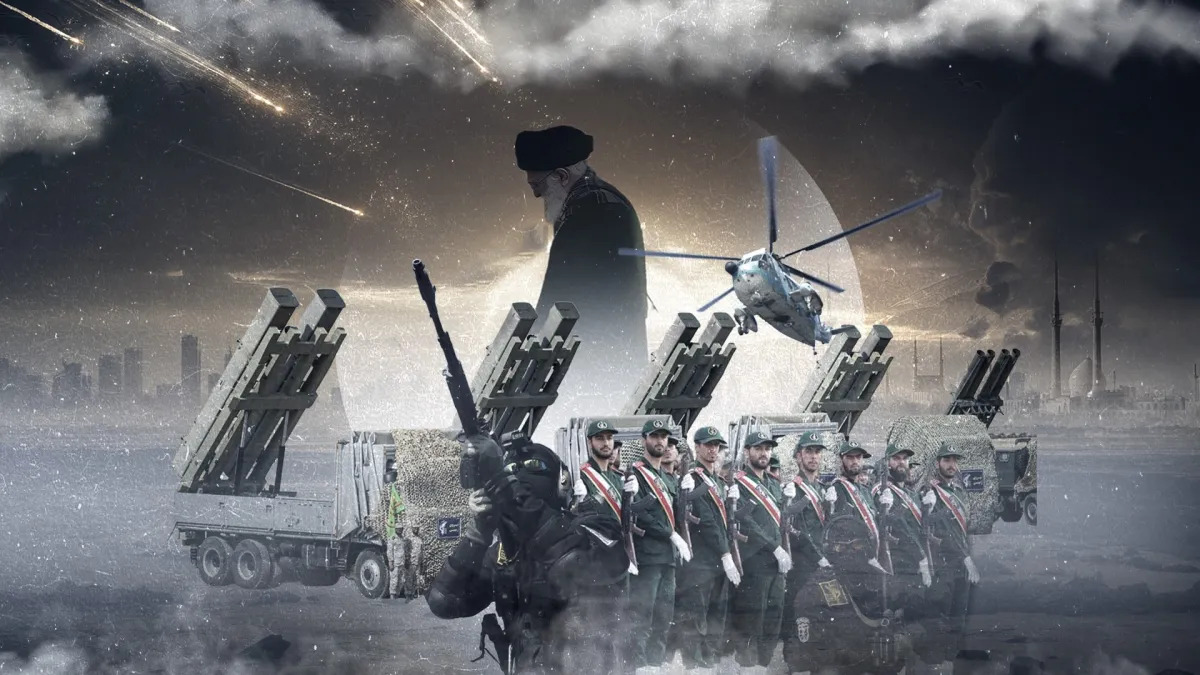
What this essay calls the Forty-Day War ran from the opening United States–Israel strikes on 28 February 2026 to the ceasefire that took hold on 8 April. The central analytical point is that the war did not simply expose gaps in Iranian air defence. It exposed the structural limits of ruling through two parallel armed institutions with different missions, cultures, and patrons. The IRGC remained the regime’s preferred instrument for strategic retaliation, regional signalling, and asymmetric pressure, especially through the Quds Force and IRGC naval units. The Artesh, by contrast, was used mainly for territorial defence, integrated air defence, and more conventional drone operations. That division had value in peacetime. Under sustained attack, it created seams.
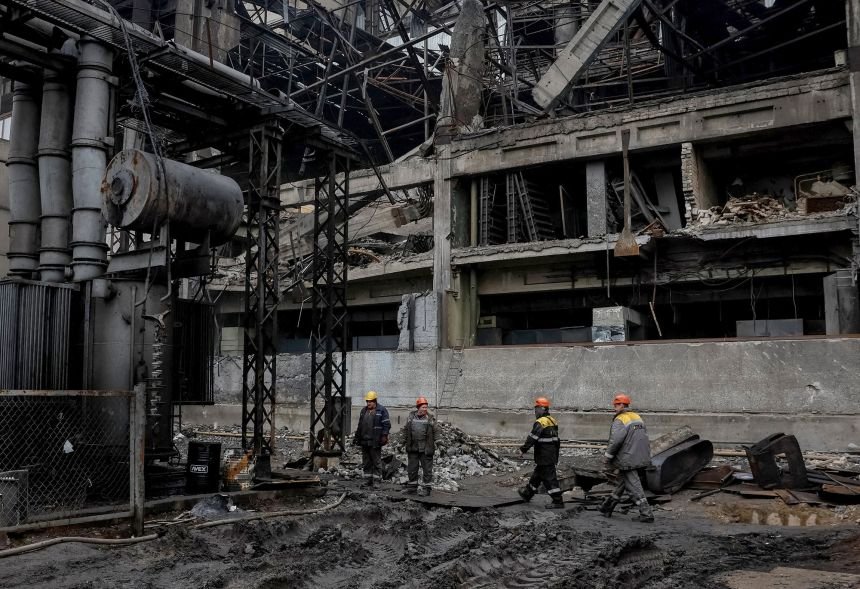
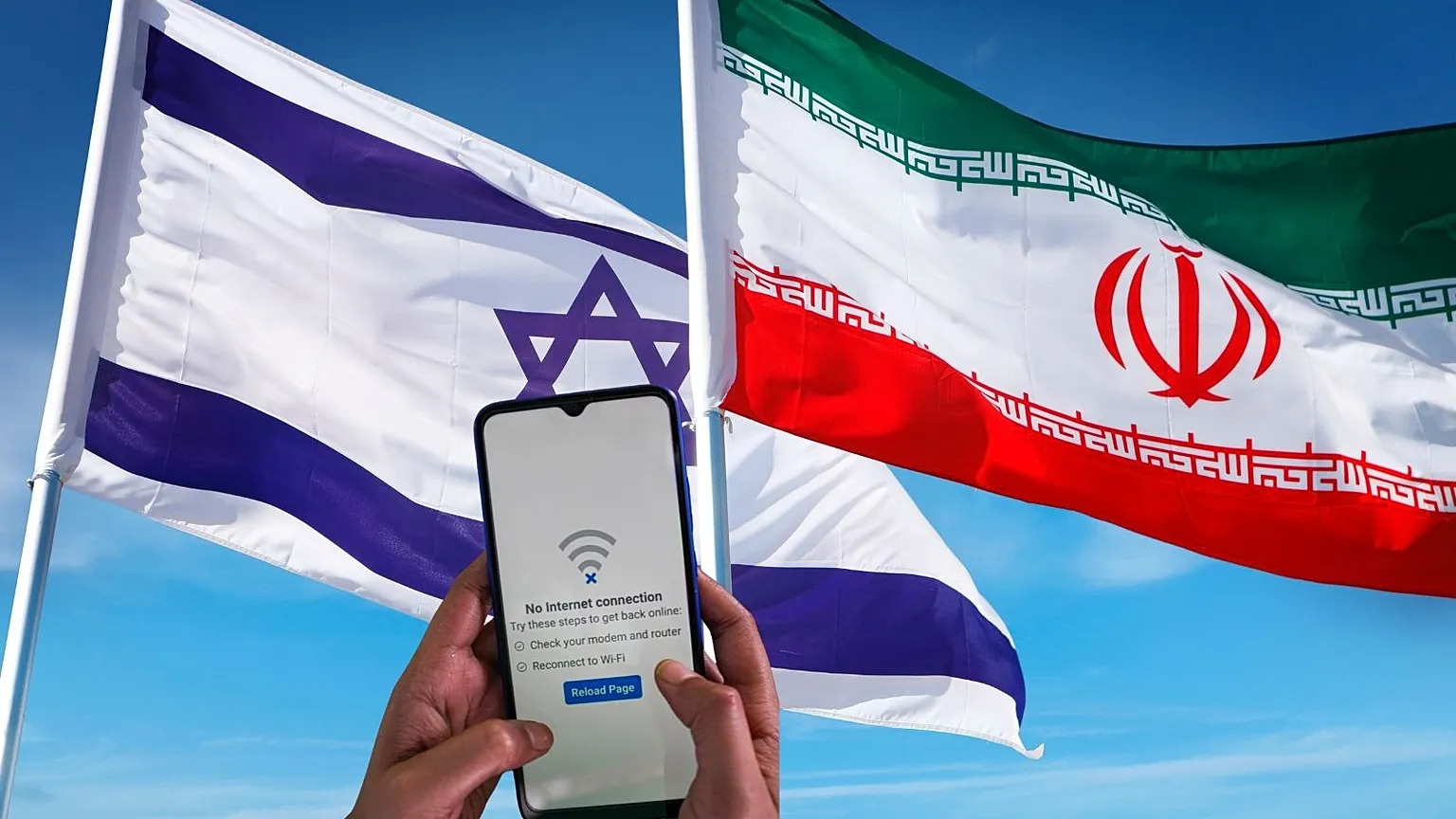
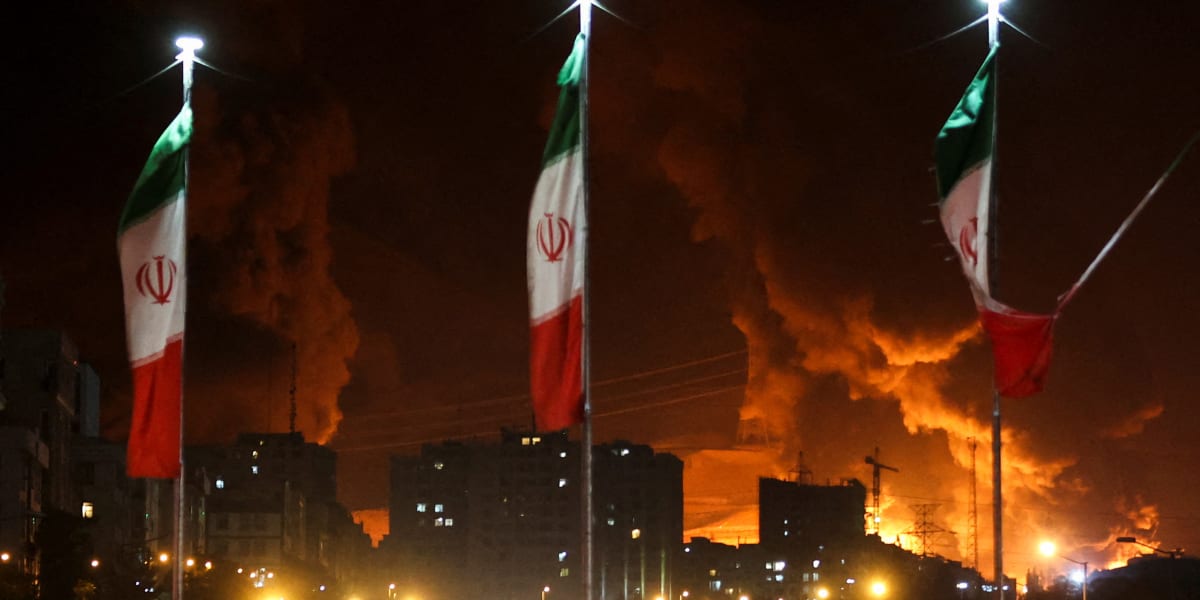
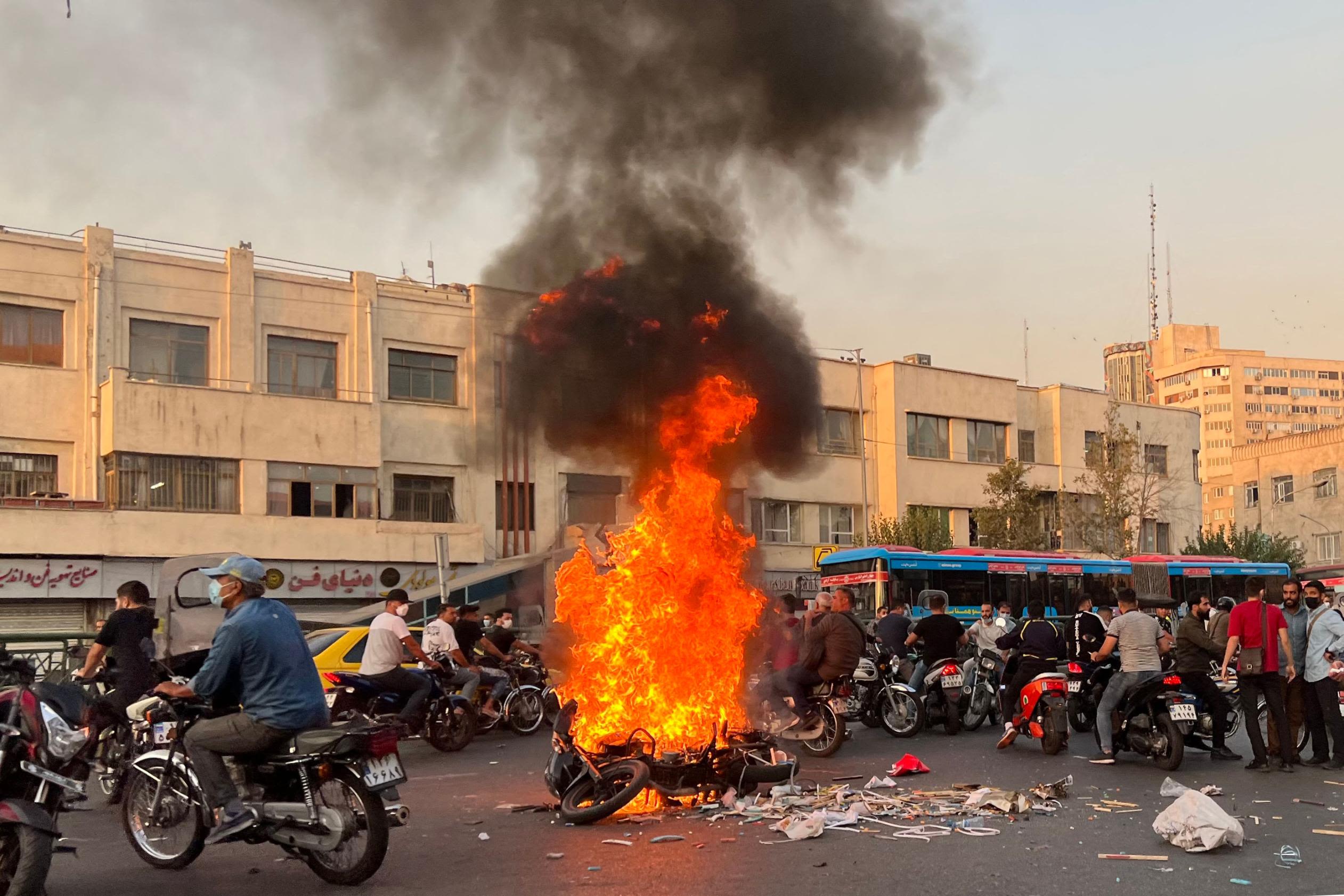
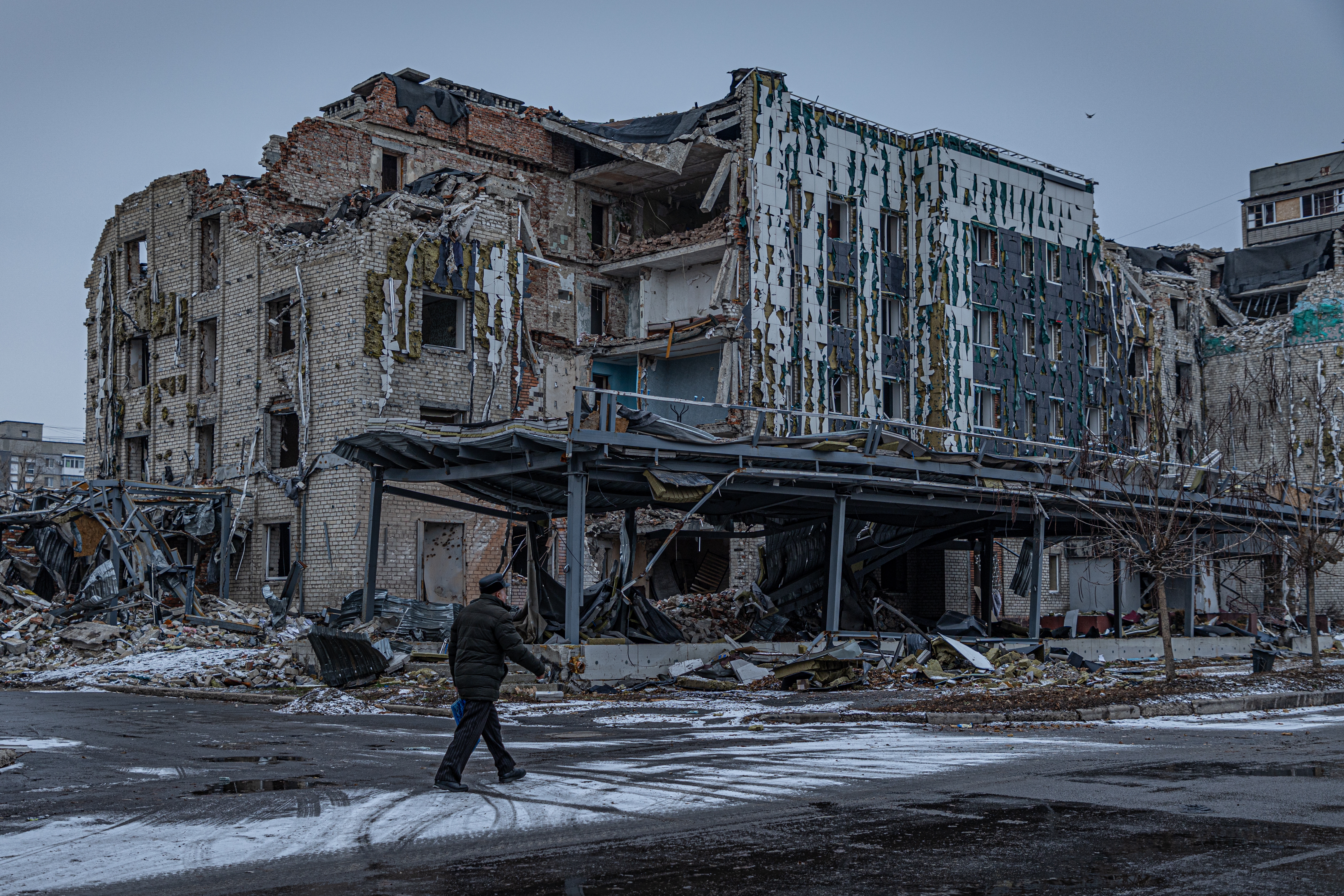
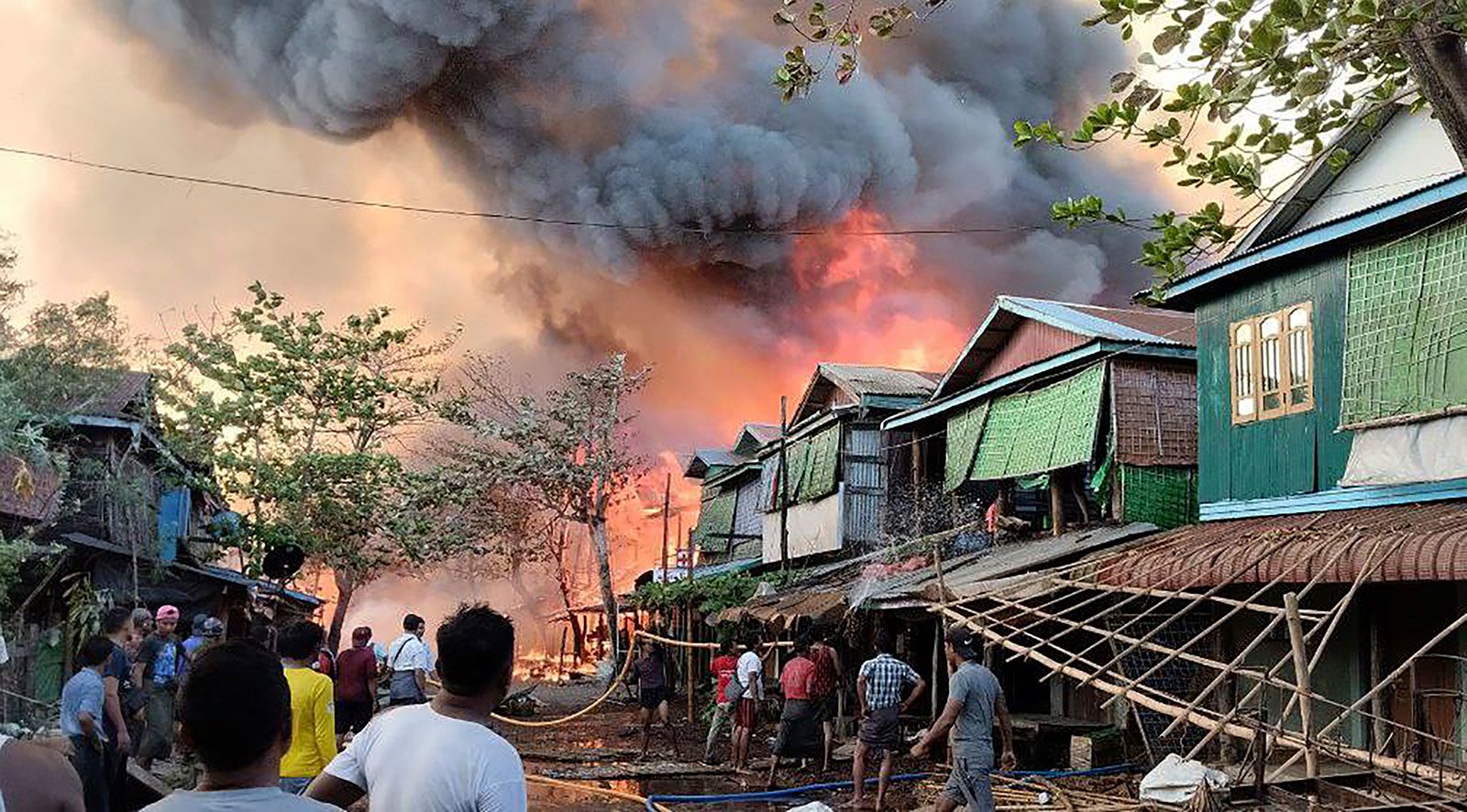
The sharpest example came during the 7 March attacks on oil infrastructure around Tehran, including the refinery complex to the south of the capital. Open-source reporting, satellite imagery, and Persian-language media suggest not only a failure to intercept the strikes, but also a broader failure of command-and-control, warning, and urban crisis management. A wartime internet blackout slowed information flows; state-linked outlets issued conflicting descriptions of what had been hit; residents described “black rain”, toxic smoke, and a city functioning without a coherent public safety picture; and fires at key sites burned for days. That does not prove an irreparable institutional rupture. It does show that Iran’s distributed doctrine was more resilient on paper than in the capital’s dense, high-value battlespace.
Parallel chains of force
Iran’s security architecture has long rested on deliberate duplication. The Artesh is the conventional military, historically tasked with guarding independence and territorial integrity. The IRGC was built as the regime’s ideological guard, with privileged access to political leadership, larger resources, and a strategic role that spans missiles, internal security, proxy warfare, and coercive signalling abroad. As the Middle East Institute noted years ago, the two institutions were designed to overlap but not fully merge; rivalry was not an accident but a method of control. More recent analysis by the Critical Threats Project likewise describes the Artesh as the force assigned to defend against foreign attack while the regime reserved its most sensitive missions for the IRGC.
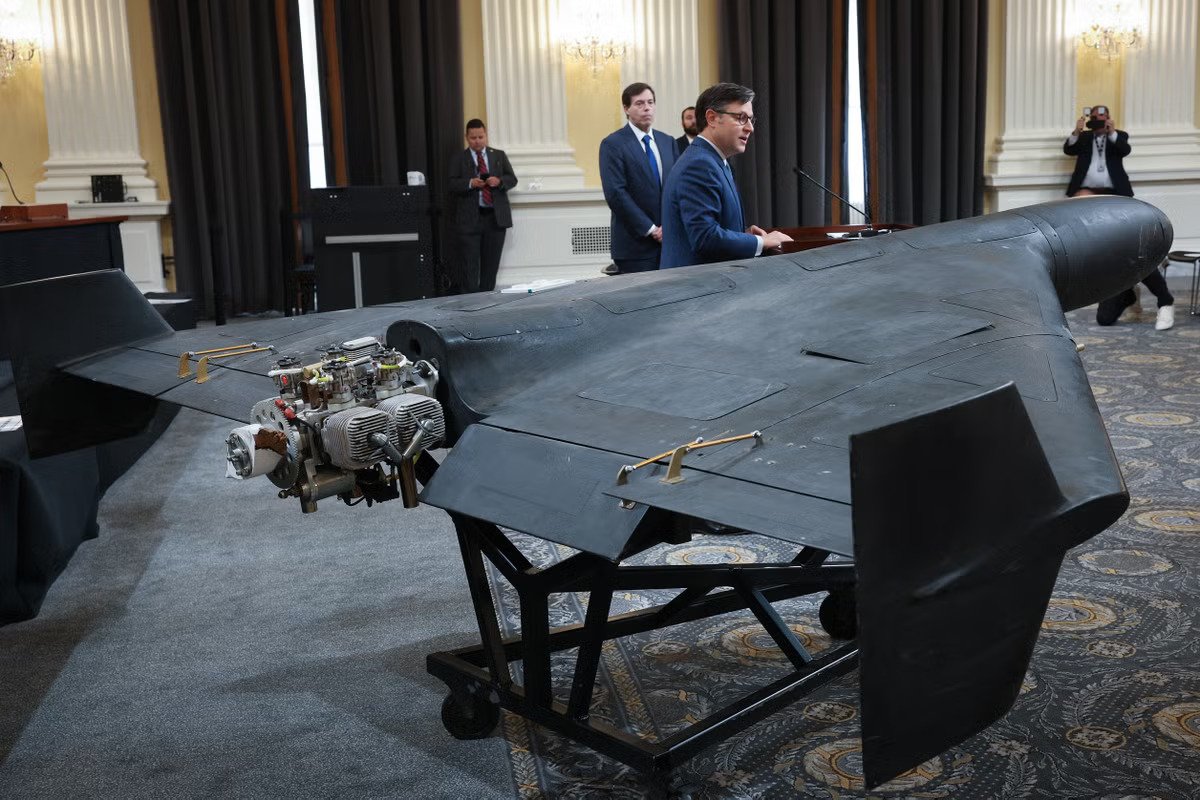
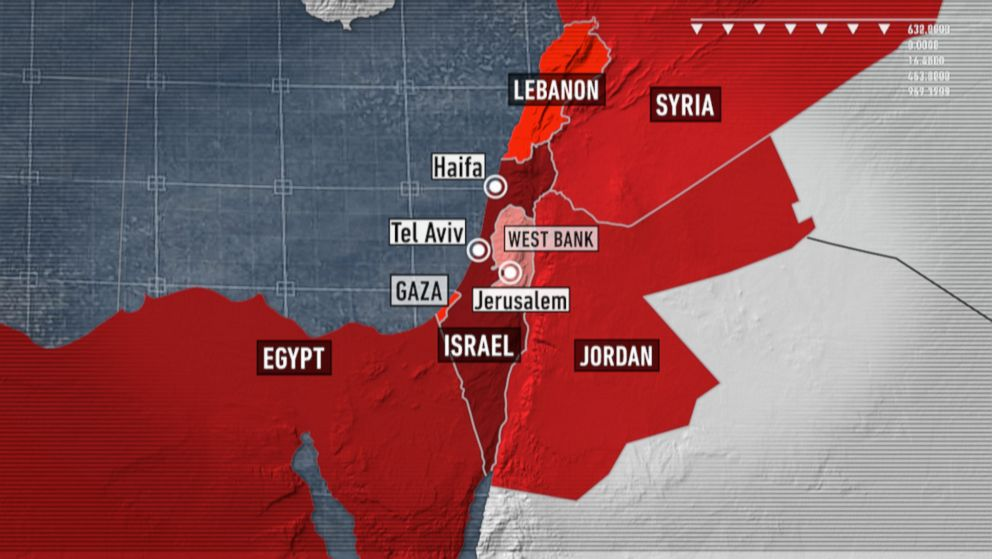
That division was visible during the war. State outlets such as IRNA repeatedly presented the Artesh as conducting drone strikes from its ground, air, and naval branches against Erbil, Kuwait, Haifa, and Tel Aviv, while also highlighting integrated air-defence work by army and guard systems inside Iran. The IRGC, meanwhile, was still framed by authoritative backgrounders and wartime reporting as the body controlling ballistic-missile retaliation, regional militant relationships, Gulf coercion, and the defence of the revolution itself. In other words, the Artesh fought as a state army; the IRGC fought as the regime’s strategic arm.
Mosaic defence meets organisational reality
Mosaic defence was supposed to solve the problem of decapitation. Older RAND and USIP doctrine work described it as a decentralised model in which provincial commands, local IRGC units, Basij formations, missile forces, and regular units could continue operating if central leadership or communications were hit. In this design, the Artesh would serve as the initial line of defence against invasion, while the IRGC and Basij would absorb shock, mobilise resistance, and turn the country into a layered battlespace.
The doctrine made sense against a land invasion. It was less well suited to a campaign that combined leadership decapitation, deep strikes, cyber disruption, information blackout, attacks on air-defence infrastructure, and simultaneous pressure on energy nodes in and around the capital.
Even before 7 March, reporting collated in the UK country bulletin said the campaign had suppressed air defences, established air superiority over Tehran, and struck IRGC headquarters and related command sites. That matters because mosaic defence can distribute authority, but it cannot by itself substitute for a functioning common air picture, interoperable command networks, or a trusted, unified chain of public crisis communication.
The March refinery defence breakdown
There is no publicly available Iranian after-action report on the defence of Tehran’s refinery belt, and that absence matters. Still, the open-source record supports a cautious but firm inference: on 7 March, the breakdown was not merely tactical. It was institutional. First, state-linked and opposition Persian reporting captured contradictory immediate accounts. According to Radio Farda, Fars said the Tehran refinery had been struck, while Mehr denied this and said a nearby oil depot had been hit instead. In wartime, that kind of contradiction is not trivial. It implies no settled shared picture even among regime-adjacent outlets.
Second, eyewitness and regional reporting described a city hit at multiple points with little sign of coherent public warning. Residents quoted by TIME and the Guardian described toxic smoke, black rain, breathing difficulty, and an “apocalyptic” atmosphere after four oil depots and the refinery area were hit. Third, satellite imagery reviewed by the Guardian showed that fires at the Shahran depot and the Tehran refinery were still burning days later. Fourth, Iranian authorities themselves later acknowledged damage and ongoing reconstruction, even while insisting production and fuel distribution had not stopped. Together, those signals point to a system that could absorb damage, but not manage it cleanly.
The deeper point is about command logic. By 5 March, open-source analysis cited by the UK government had already assessed that the campaign had decapitated Iranian command-and control; by 7 to 8 March it had also tracked strikes on IRGC headquarters, internal-security sites, and an IRGC air-defence command centre, while reporting air superiority over Tehran. Under those conditions, the separation between an IRGC-centred strategic architecture and an Artesh-centred territorial one became a liability. A dual system can survive decapitation only if the surviving pieces can see, communicate, and coordinate. Around Tehran on 7 March, the evidence suggests they could not do so reliably.
Resilience, cohesion, and escalation
None of this means the Iranian state ceased to function. In fact, resilience is the other half of the story. Iranian oil officials said in late April that the March attacks caused damage but did not halt petrol production and distribution, and that reconstruction was underway. That is real institutional endurance. Yet resilience should not be confused with cohesion. The war also produced signs of stress in elite messaging and inter-service politics. Al Jazeera’s reporting on 8 March captured the public dispute between President Masoud Pezeshkian and the IRGC over attacks on Gulf states, a reminder that strategic signalling remained dominated by the Guards. Persian-language opposition reporting also alleged discriminatory medical and logistical treatment between IRGC and army units; those claims remain unverified, but they fit a longer pattern of unequal privilege between the two institutions.
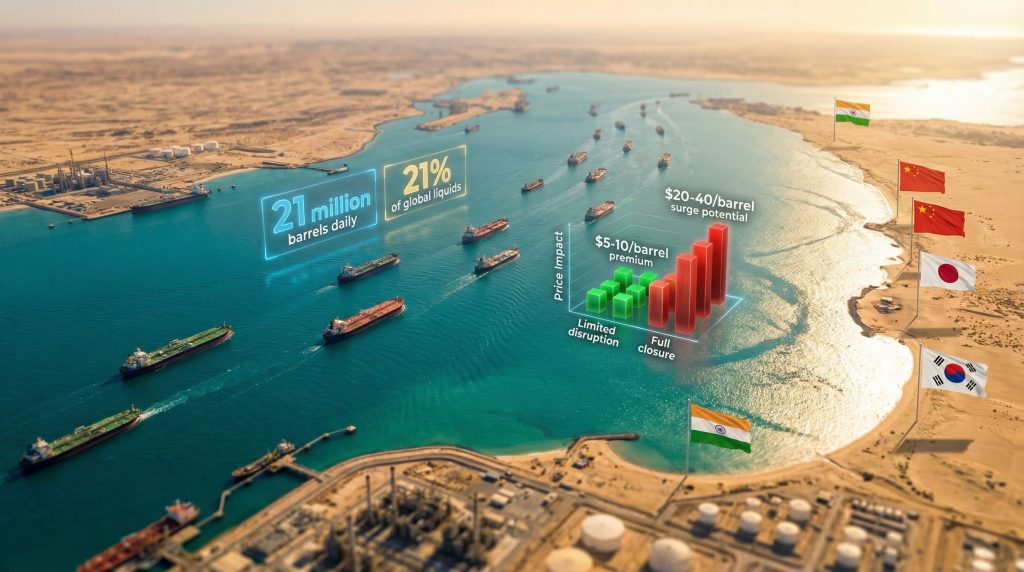
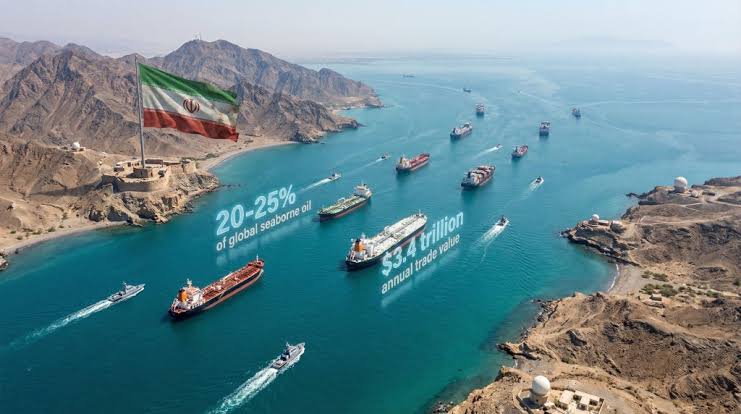
The regional implications are immediate. The IRGC’s response in the Gulf showed how quickly domestic institutional weakness can be externalised through asymmetric escalation. Reuters and state-linked reporting recorded drone strikes, mine deployment, aggressive warnings to military vessels, and continuing pressure in Hormuz. That raises the danger that future Iranian crises will be stabilised on land but destabilised at sea, because the regime’s most politically trusted instrument is strongest not in conventional territorial defence but in calibrated maritime coercion.
Policy implications
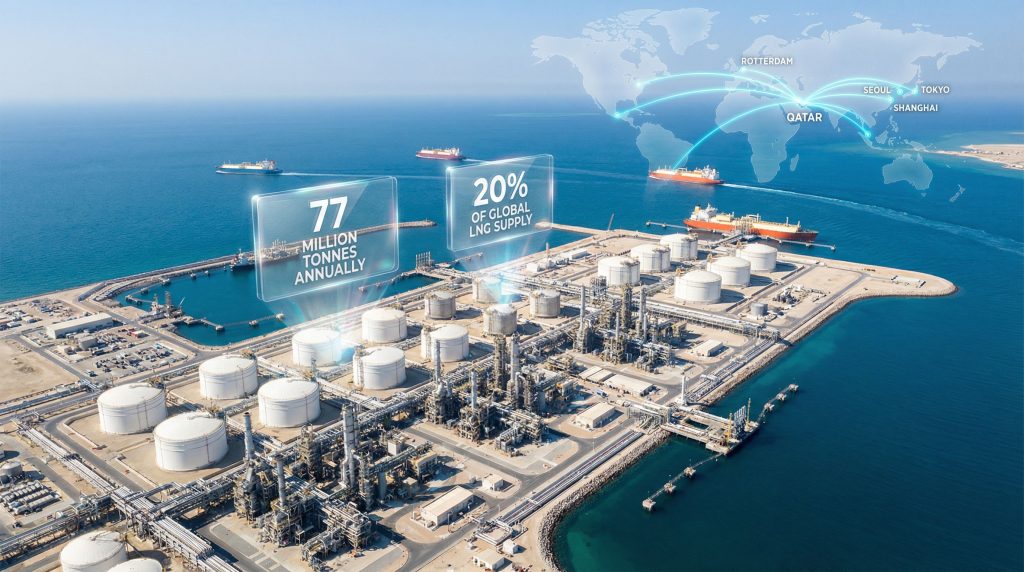
For Washington, the lesson is that treating “Iran” as a unitary military actor is analytically sloppy and strategically risky. Pressure on the IRGC can degrade strategic coercion, but it can also incentivise the Guards to compensate through shipping attacks, proxy activation, and regional signalling. Crisis messaging therefore has to separate channels aimed at the regime’s coercive core from channels aimed at deconfliction with state institutions that still manage territorial defence and critical infrastructure. For Gulf states, the priority is less grand naval symbolism than survivable resilience: port redundancy, passive defence, shared maritime picture, and civil protection for energy and desalination sites. The war showed how low-cost asymmetric attacks can generate outsize economic and political effects.
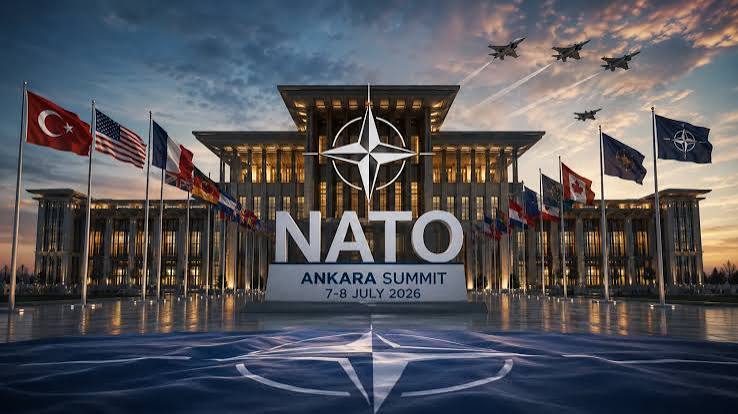
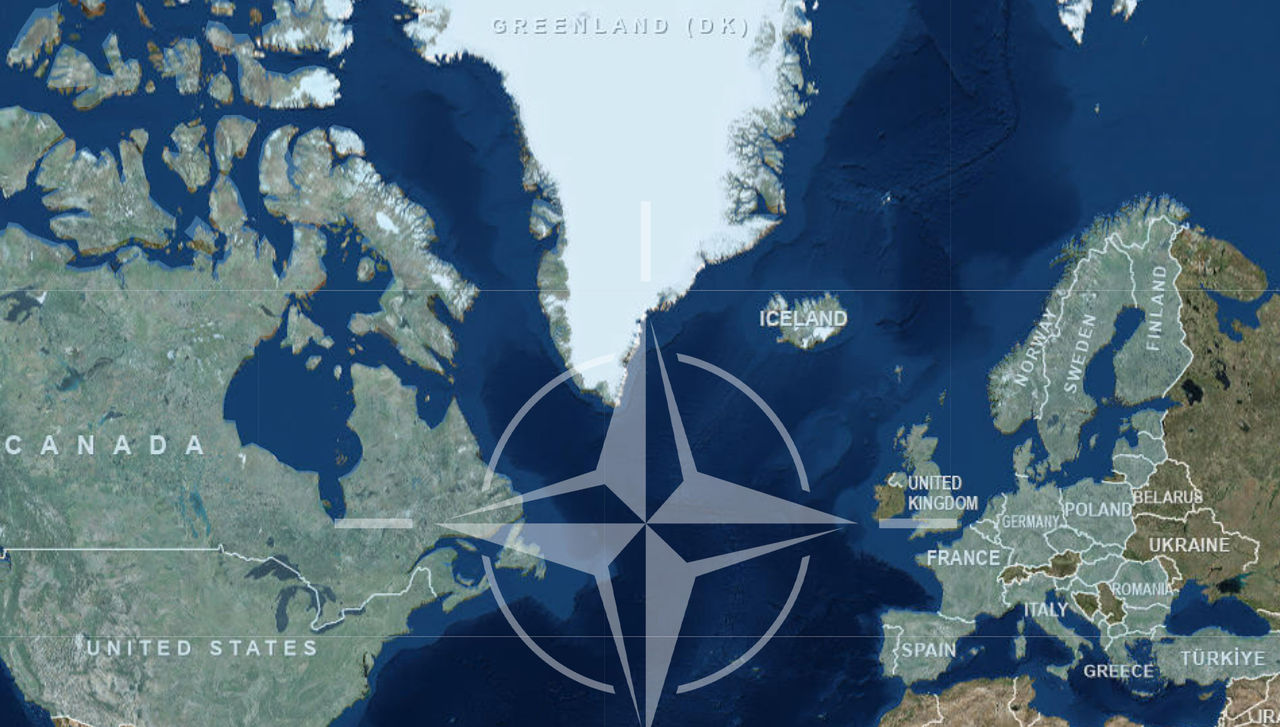
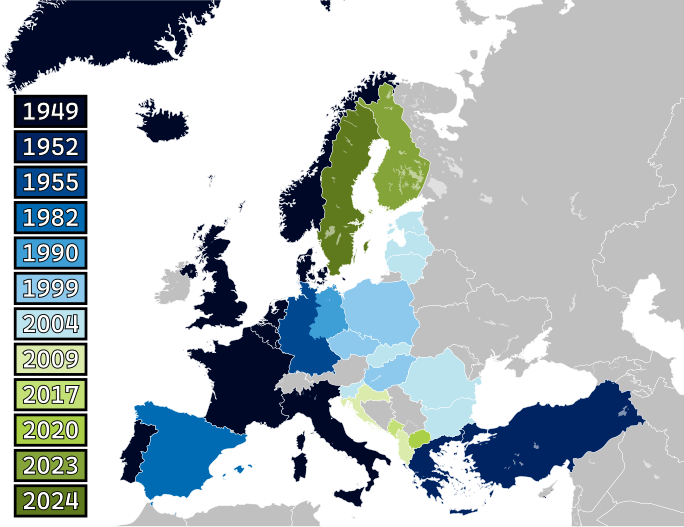
For NATO, the implication is practical rather than doctrinally abstract. The alliance’s members do not need to reproduce a maximalist warfighting posture in the Gulf to draw the lesson. They do need better planning for mine-clearing, tanker escort politics, air-and-missile defence burden sharing, and the security of civilian energy infrastructure. Reuters reported that countries such as Germany, Italy, and Spain hesitated to join naval escort efforts without a clear mandate. That hesitation is itself part of the deterrence picture. In the next crisis, alliance ambiguity will be read in Tehran not as procedural caution, but as exploitable political fragmentation.
Takeaways for policymakers
First, Iran’s dual military structure is not just a bureaucratic quirk. It is a source of both regime durability and operational friction. The IRGC can still escalate regionally even when homeland defence around the capital is degraded, while the Artesh can help hold the state together without necessarily controlling strategic choices. Policy built on a single-chain model of Iranian command will misread both escalation risk and de-escalation opportunities.
Second, the March 7 refinery episode should be read as a warning about urban command failure under precision strike conditions. The combination of decapitated command nodes, degraded air defence, internet blackout, contradictory state reporting, and prolonged industrial fires shows how quickly a nominally resilient system can lose coherent control in a metropolitan battlespace.
Third, the greatest escalation danger lies in the gap between where Iran is weakest and where the IRGC is strongest. Iran struggled to defend Tehran; the IRGC still managed to threaten the Gulf and the Strait of Hormuz. That means future diplomacy and deterrence should focus as much on maritime crisis management, civilian infrastructure protection, and alliance mandates as on headline strikes against missile or command targets inside Iran.