Europe’s Eastern Flank After US Drawdown: Can Readiness Replace Reinforcement?
The United States has begun reducing parts of its European posture through cancelled rotations, selective withdrawals and smaller contributions to NATO structures, but Washington has not published a complete country by country end state. European allies are responding with higher readiness formations, expanded multinational brigades, pre positioned equipment and stronger national forces. These measures can reduce NATO’s vulnerability during the opening phase of a crisis, but they cannot yet replace American intelligence, strategic lift, command and control, air defence and long range strike capabilities. The central policy challenge is therefore not to substitute readiness for reinforcement, but to make European readiness credible enough to hold the line until reinforcement arrives.
A drawdown without a published destination
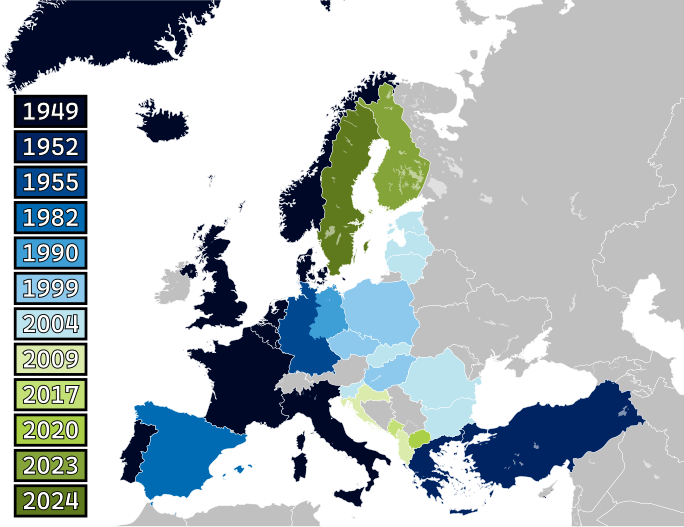
As of late July 2026, the US drawdown is real but strategically ambiguous. In October 2025, Washington ended the rotation of a brigade that had elements across Eastern Europe; between 1,000 and 1,200 personnel left Romania without replacement, leaving roughly 1,000 US troops there. In May 2026, the Pentagon announced a further reduction of approximately 5,000 personnel associated with Germany and cancelled the deployment of about 4,000 troops from an armoured brigade intended for Poland and other eastern flank locations. Several hundred US personnel subsequently departed Estonia, with no publicly confirmed return date.
The reductions have largely been implemented by stopping incoming rotations rather than abruptly removing every established headquarters, base or permanently assigned unit. Around 10,000 US troops have continued to operate in Poland, including the permanent V Corps forward headquarters and US Army Garrison Poland. NATO officials have said broader adjustments should be gradual and structured over several years, but the ultimate scale, geographical distribution and capability mix remain unspecified.
Readiness can narrow the reinforcement gap
NATO’s answer is increasingly based on forces that can move quickly rather than permanently stationing every required formation at the frontier. The Allied Reaction Force provides a multinational, multi domain strategic reserve at very short notice, while the NATO Force Model organises national formations into readiness tiers. Forward battlegroups, NATO Force Integration Units and regional plans are intended to receive and command reinforcements before an adversary can achieve a fait accompli.
Readiness, however, is more than placing a brigade on a roster. It requires available personnel, ammunition, transport, fuel, functioning rail and port infrastructure, pre positioned armour, secure communications and rehearsed cross border procedures. NATO’s Eastern Sentry activity has added fighters, surveillance aircraft, air defence systems, helicopters and naval assets, while exercises test whether eastern battlegroups can expand rapidly to brigade strength.
The most difficult gap concerns high value enablers. European militaries possess significant conventional forces, but remain disproportionately dependent on the United States for strategic intelligence, surveillance and reconnaissance, space support, air to air refuelling, strategic lift, integrated missile defence and some precision strike capabilities. Readiness can therefore delay or deny an attack; it cannot yet reproduce the complete US reinforcement architecture.
Spending, escalation and deterrence credibility
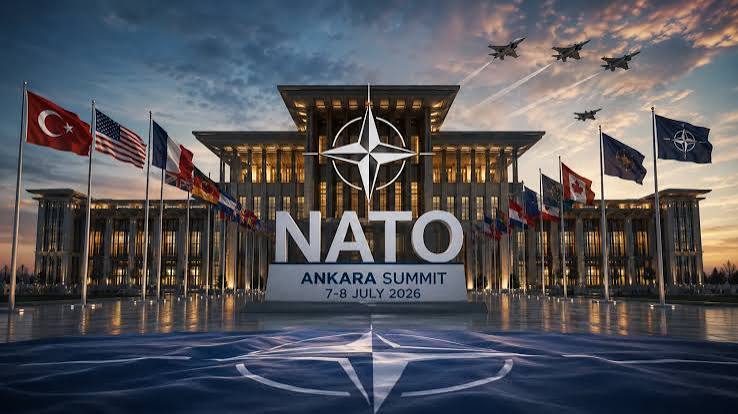
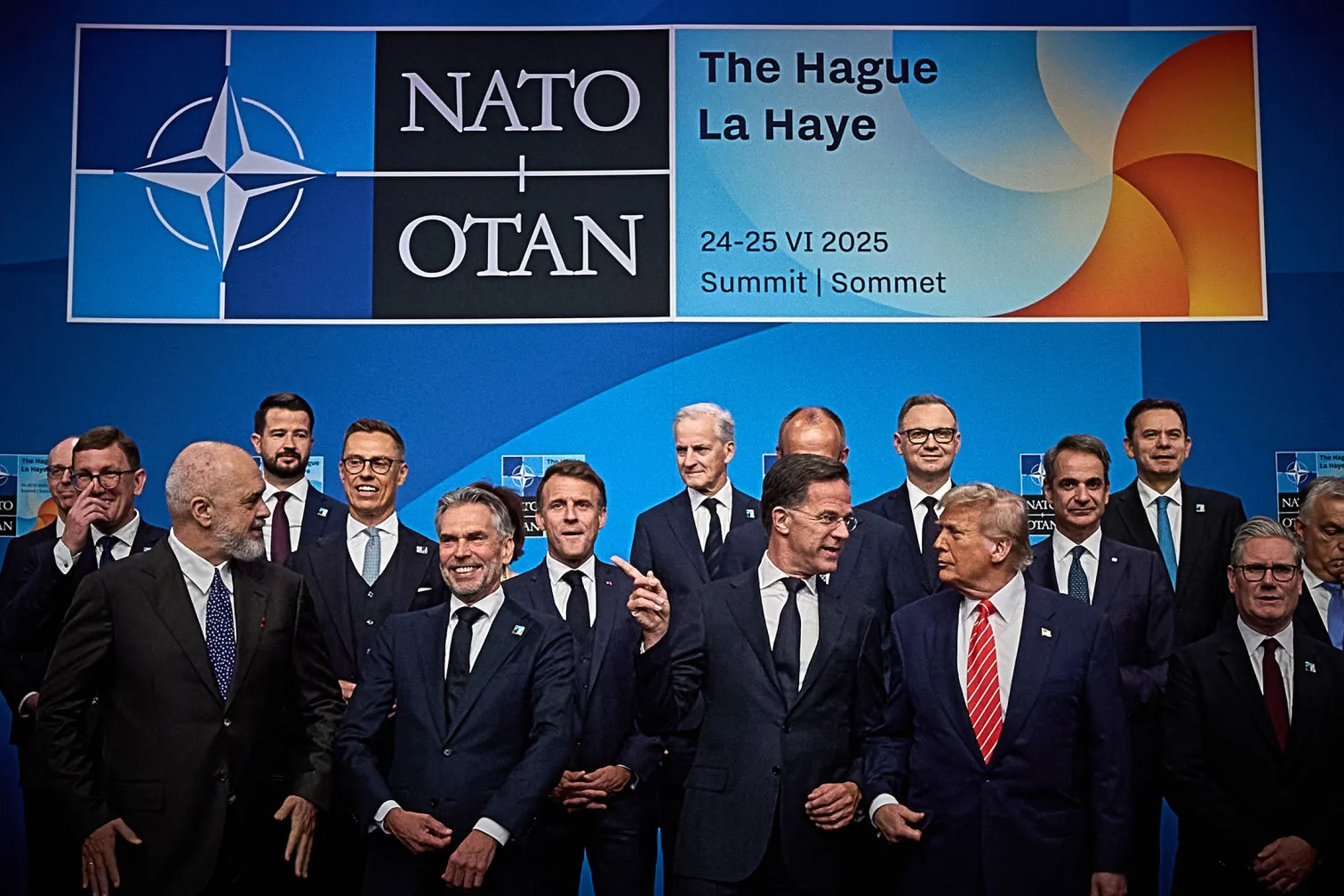
The 2025 Hague pledge requires allies to invest 5% of GDP by 2035: at least 3.5% for core defence and up to 1.5% for infrastructure, resilience, networks and industrial capacity. NATO reported at the July 2026 Ankara Summit that combined defence and security investment was already approaching 4%, while SIPRI recorded a 14% real increase in European military expenditure during 2025.
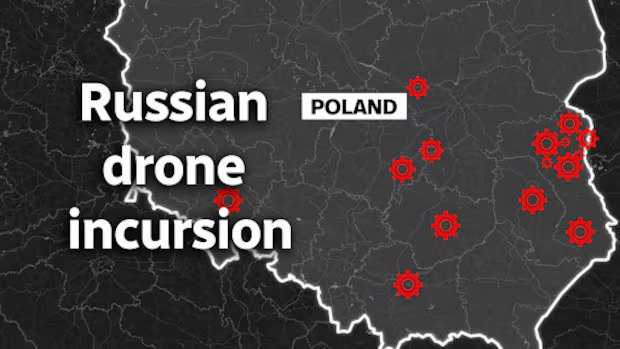
Money alone does not create deterrence. The credibility test is whether budgets produce deployable formations, interceptors, artillery ammunition, protected logistics and command systems before US reductions create a transition gap. Sudden, poorly coordinated withdrawals could encourage Moscow to test NATO through sabotage, drone incursions, cyber operations or limited military coercion below the threshold of an unmistakable Article 5 attack.
In the short term, NATO should publish a coordinated transition plan, protect US and European ISR links, pre position additional ammunition and air defence interceptors, and repeatedly exercise reinforcement routes from Germany and the North Sea to Poland, the Baltic states and Romania. In the medium term, European allies should establish more deployable corps level logistics, expand layered air and missile defence, procure strategic transport collectively and convert headline spending increases into multi year industrial contracts.