Impact of Latin America’s Political Shifts on Regional Security and Alignments
Rising ideological diversity, deepening great-power engagement (China, Russia, U.S.), and shifting domestic priorities are reshaping Latin America’s security landscape. This comprehensive analysis examines political changes since 2023, their security implications, key flashpoints, and pragmatic policy recommendations for regional and external actors.
Latin America is experiencing a moment of substantive political reconfiguration. Elections, leadership turnovers, and shifting policy priorities since 2023 have created a new strategic environment in which domestic agendas and external partnerships interact in ways that materially affect regional security and diplomatic alignments. Policymakers, analysts and civil society actors face a landscape where the balance between institutional resilience and immediate political demands will determine whether recent shifts become a source of stabilization or a driver of new fragility.
This article provides a clear-eyed, evidence-informed account of the most consequential political changes in the region, explains how those changes translate into security effects, identifies immediate flashpoints to watch, and offers pragmatic policy recommendations for regional governments and external partners. The analysis emphasizes institutional quality, transparency in external engagements, and respect for human rights as central to any sustainable security strategy.
The New Political Map: Key Transformations
Several national trajectories deserve attention for their outsized regional effects. Mexico: Mexico’s domestic politics have consolidated around a dominant coalition with significant control over the legislative agenda. While the government retains an emphasis on social programs and sovereign policymaking, it also faces complex migration management and cartel-related security challenges that require sustained engagement with neighboring countries and international partners.
Brazil: Brazil’s foreign policy continues to tilt toward strategic autonomy, a posture that emphasizes pragmatic engagement with multiple great powers, including China and the United States. This stance provides Brazil with flexibility in trade and diplomatic initiatives, but it also complicates regional consensus-building in forums where alignment with Washington has historically been more straightforward.
Colombia: Colombia’s security trajectory is defined by the mixed progress of post-conflict implementation. Negotiated settlements and reintegration initiatives coexist with persistent criminality and dissident armed groups that exploit governance gaps, particularly along borderlands where illicit trafficking routes persist.
Venezuela and strategic partnerships: Venezuela’s foreign policy has deepened select partnerships, particularly with states that offer diplomatic or economic support. Such alignments have implications for regional stability, external sanctions regimes, and maritime or energy-related leverage.
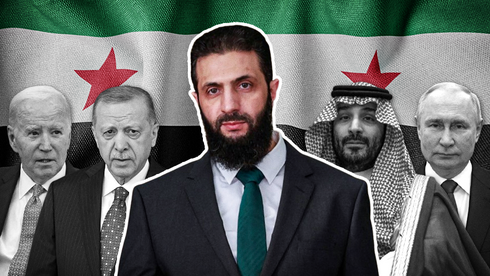
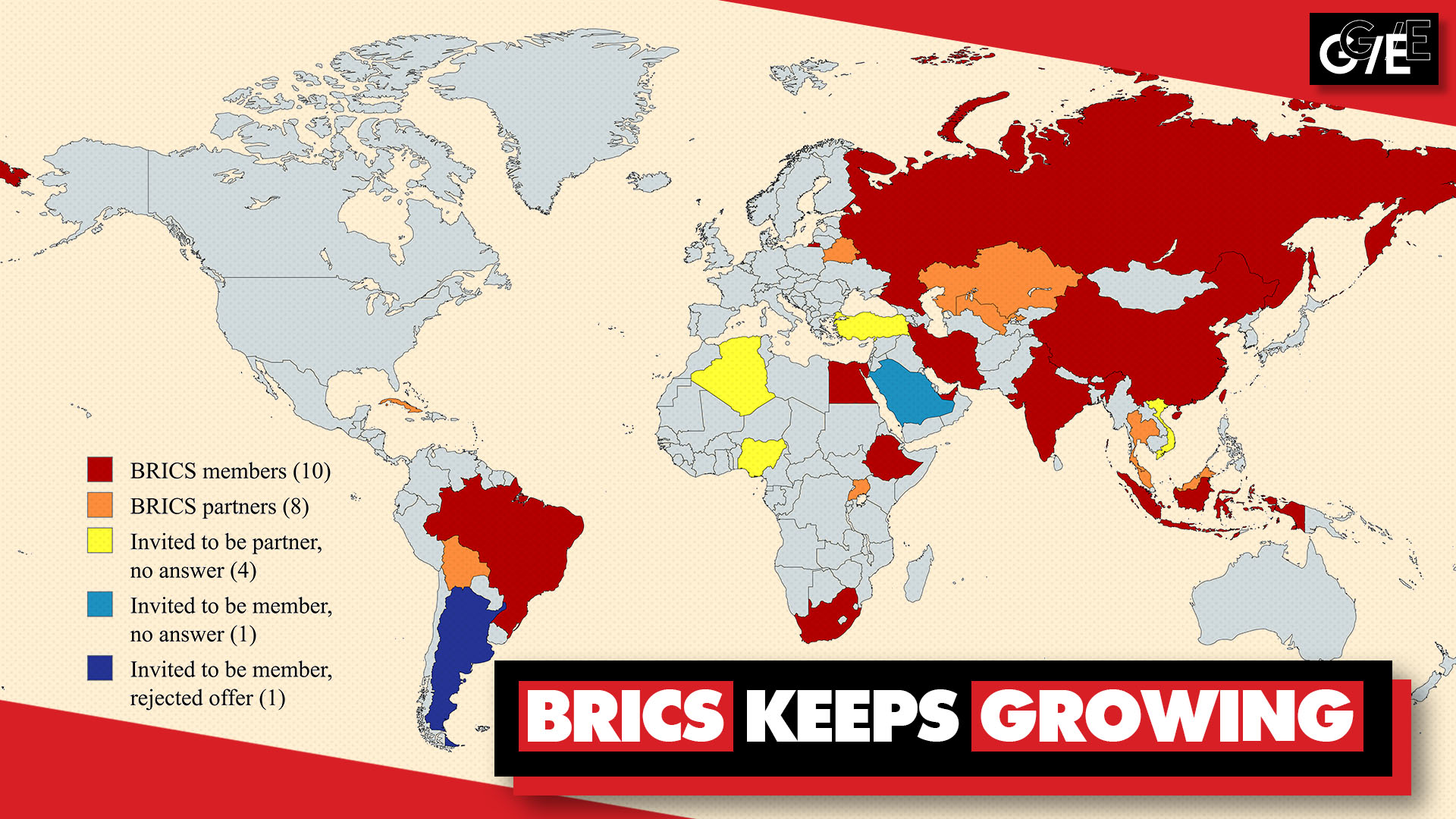
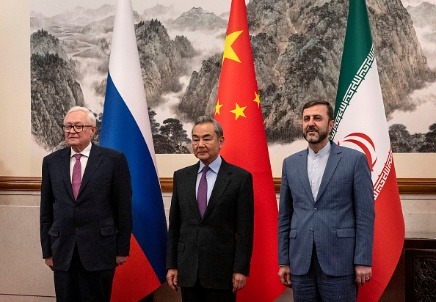
China, Russia and diversified external engagement: Across the region, governments are actively seeking diversified financing and trade partners. China’s investments and infrastructure financing, along with Russia’s selective military and intelligence partnerships, provide alternatives to traditional Western sources of capital and security cooperation, altering incentives for domestic elites and shifting the terms of diplomatic bargaining.
How political shifts translate into security effects
Political choices set priorities and determine the allocation of resources, both of which shape security outcomes. Three primary channels translate political change into security effects: state capacity and policy orientation, the adaptive behavior of organized crime, and the dynamics of great-power engagement.
State capacity and policy orientation Government approaches to public security range from short-term, high-visibility enforcement to long-term institution-building and community-based prevention. Some administrations emphasize forceful, executive-driven campaigns designed to quickly reduce violence and project control. While these measures can produce immediate reductions in homicides or headline-making arrests, they frequently risk eroding due process, straining judicial capacity, and provoking human-rights concerns that ultimately undermine public trust.
Conversely, governments that prioritize negotiated peace processes, reintegration programs, and judicial reform often encounter slower, more politically contested progress. Effective implementation demands resources, time, and social investments, including education, livelihoods, and state presence in previously neglected areas. The uneven capacity to finance and manage these long-term investments is a major determinant of whether negotiated gains translate into durable security improvements.
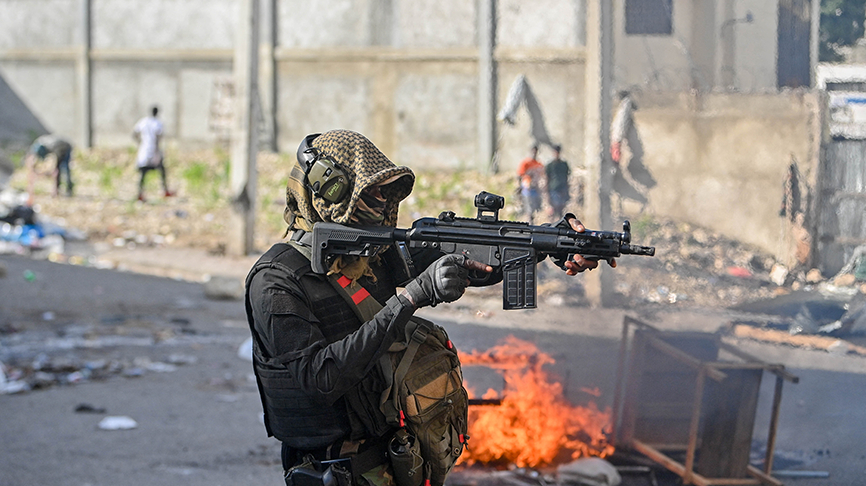
Organized crime and criminal entrepreneurship Transnational criminal networks are highly adaptive. Cartels, gangs, and smuggling rings respond rapidly to enforcement pressure by changing routes, diversifying commodities (from narcotics to human trafficking), and innovating financial concealment. Political upheaval and governance gaps create openings for criminal entrepreneurs to expand influence, particularly in rural or marginal urban zones where the state’s presence is weak.
Economic stressors, including slow growth, unemployment and informal labor markets — also increase the attractiveness of illicit economies as alternative livelihoods, reinforcing criminal governance in some communities. The strategic geography of ports, logistics hubs and financial conduits matters greatly: investments that expand linkages without strengthening regulatory and customs oversight can inadvertently widen vulnerabilities that traffickers exploit.
Great-power competition and external projection A defining feature of the current period is the increasingly prominent role of external actors. China’s economic diplomacy — credits, infrastructure financing and expanded trade ties, has become a central resource for many Latin American governments. Beijing’s engagement is often transactional and focused on large-scale projects that deliver visible development gains.
Russia’s engagement is more selective, concentrated on diplomatic support, arms sales, and limited intelligence cooperation where it serves immediate geopolitical objectives. Western partners, particularly the United States and the European Union, continue to be critical sources of investment and security cooperation but face constraints related to domestic politics, competing priorities, and sometimes inconsistent policy levers.
This diversification of external partners expands policy options for Latin American governments, but it also multiplies the number of actors with stakes in regional outcomes. Where external involvement overlaps with contested domestic politics, competition can exacerbate tensions, for example, if investments in critical infrastructure coincide with weakened regulatory frameworks or if security ties are perceived to undermine sovereignty.
Immediate security flashpoints
While the region-wide picture is heterogeneous, several localized and cross-border flashpoints deserve close attention.
Venezuela’s external posture: Partnerships that include military or dual-use cooperation, combined with contested domestic legitimacy, raise the risk of diplomatic escalations, maritime tensions and targeted sanctions that can ripple through the region’s energy and trade networks.
Colombian border dynamics: In areas where post-conflict implementation remains fragile, armed groups and drug-trafficking organizations can expand into bordering states, creating pressure on neighbouring governments and forcing difficult security coordination choices.
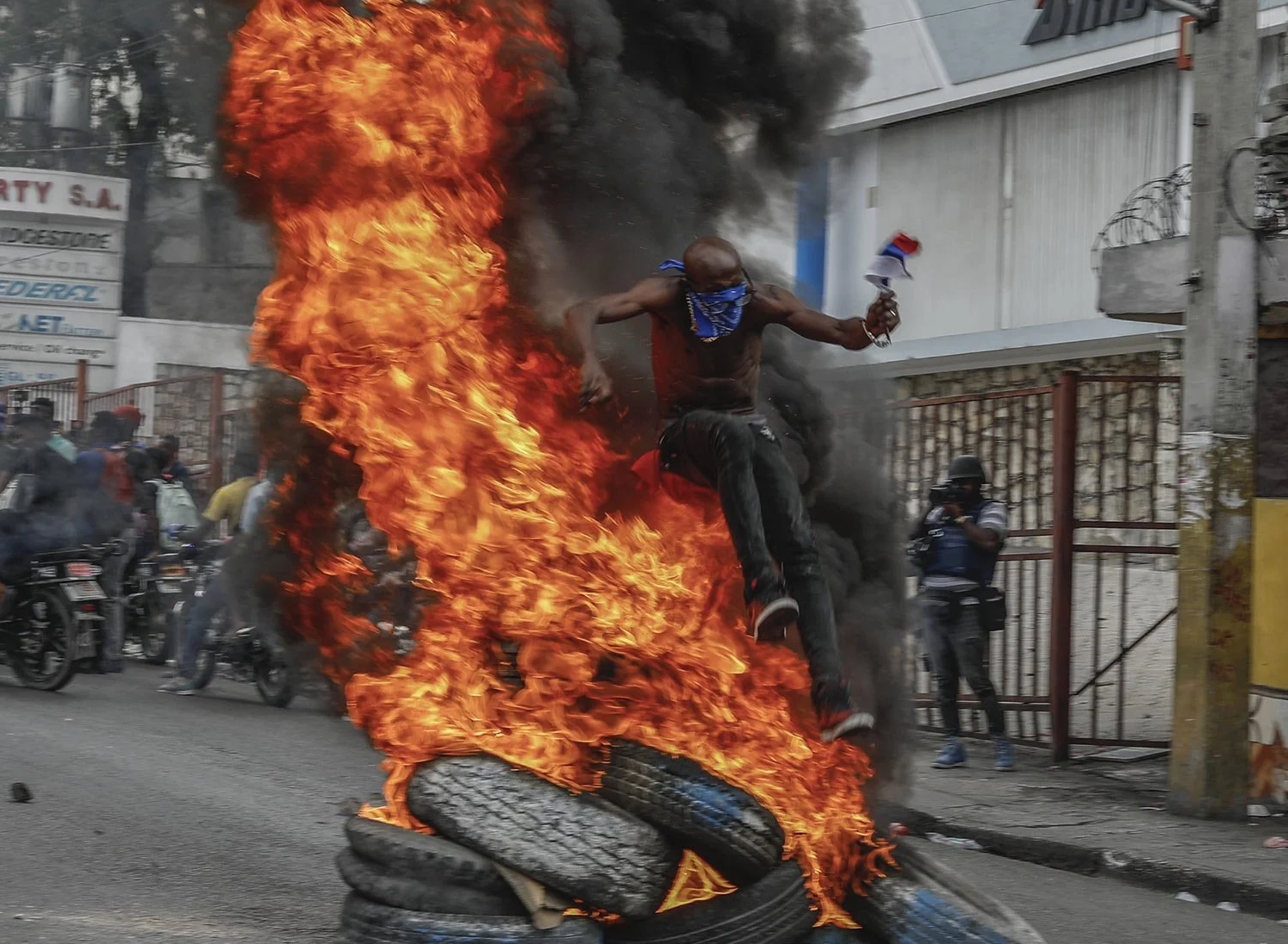
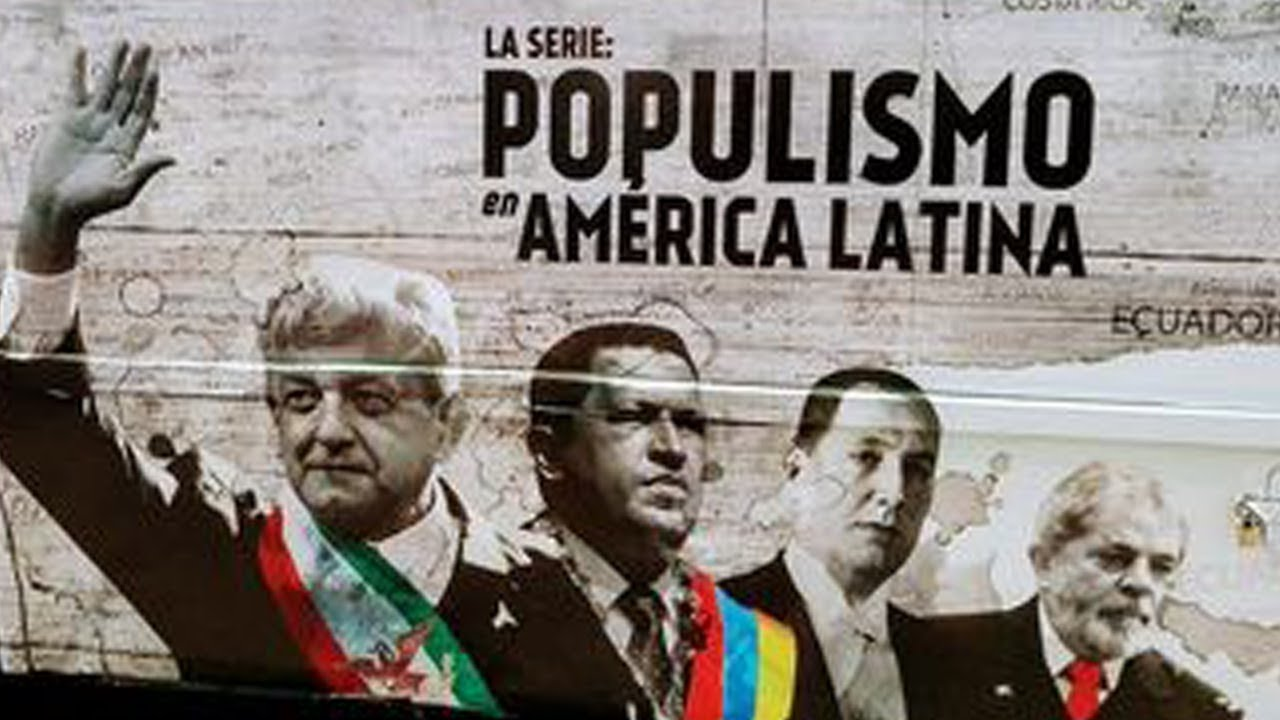
Central America’s gang dynamics and governance responses: Populist anti-gang campaigns may yield rapid reductions in visible crime in the short term but are often accompanied by mass detentions and human-rights concerns. The legitimacy trade-off has long-term political consequences and complicates international cooperation on migration and human-security issues.
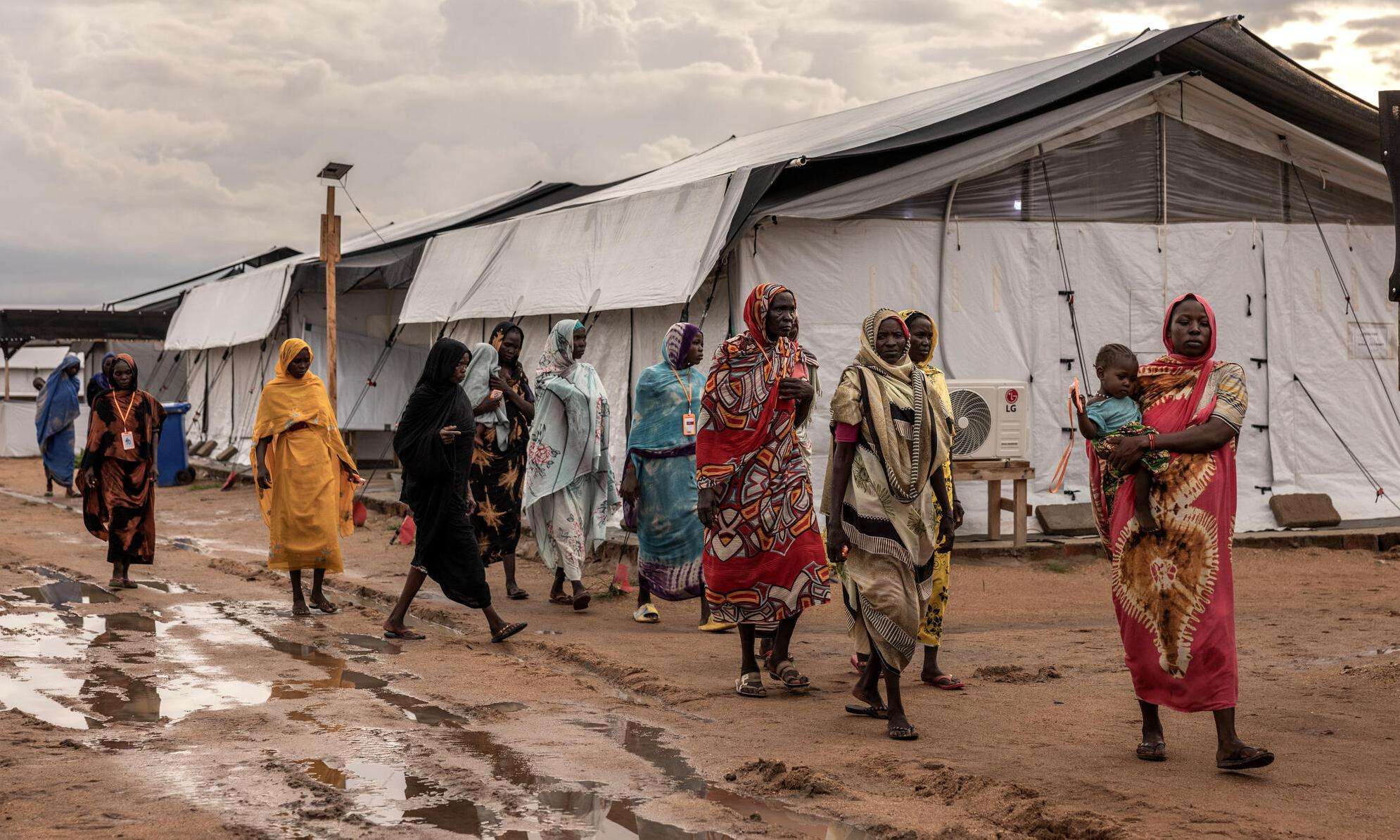
Irregular migration and humanitarian strain: Large-scale displacement, notably from Venezuela and under conditions of economic stress elsewhere, creates humanitarian burdens for host countries. If not managed cooperatively, migration flows can trigger political backlash, erode public services, and provide an entry point for smuggling networks.
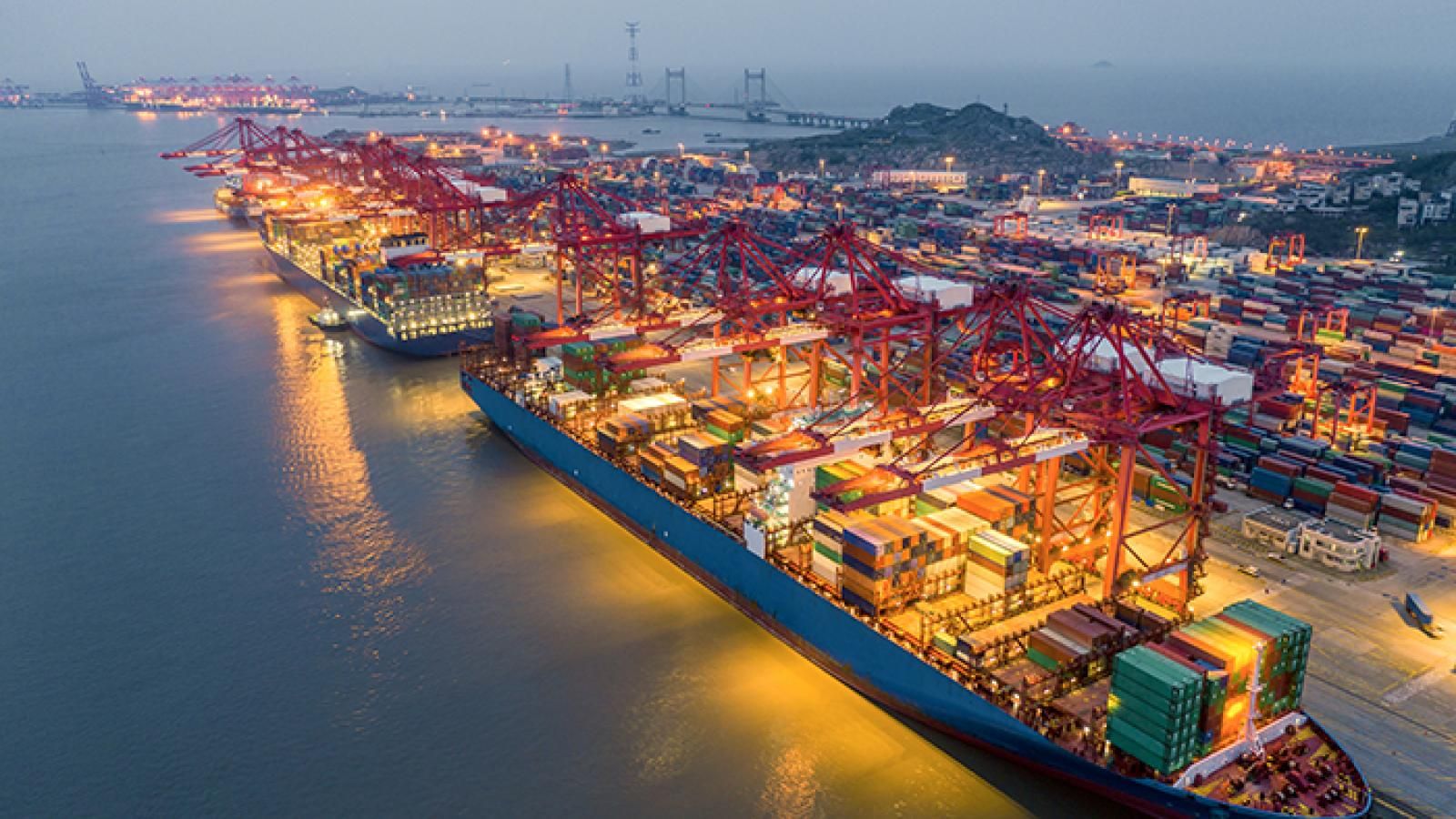
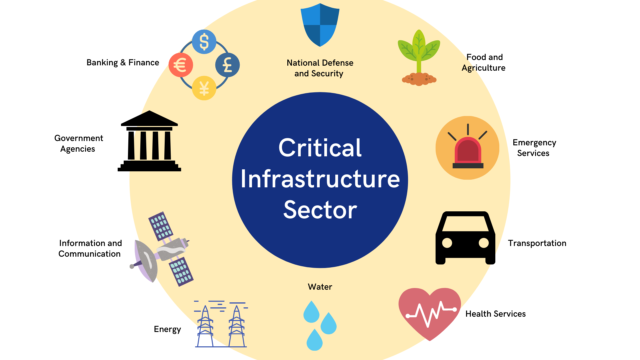
Critical infrastructure and strategic exposure: Expanded foreign involvement in ports, telecoms, and energy projects increases economic integration and concentrates strategic nodes whose compromise would have outsized consequences. Transparent contracting and rigorous oversight are essential to mitigate these exposures.
How alignments are shifting, beyond left and right
Predicting foreign policy based solely on ideological labels is misleading. A more reliable predictor of alignment patterns is institutional orientation and strategic needs. Countries with strong, transparent institutions are more likely to pursue balanced, multilateral engagement; those with weaker checks and balances may trade alignment for short-term advantages, whether in financing, security assistance or diplomatic cover.
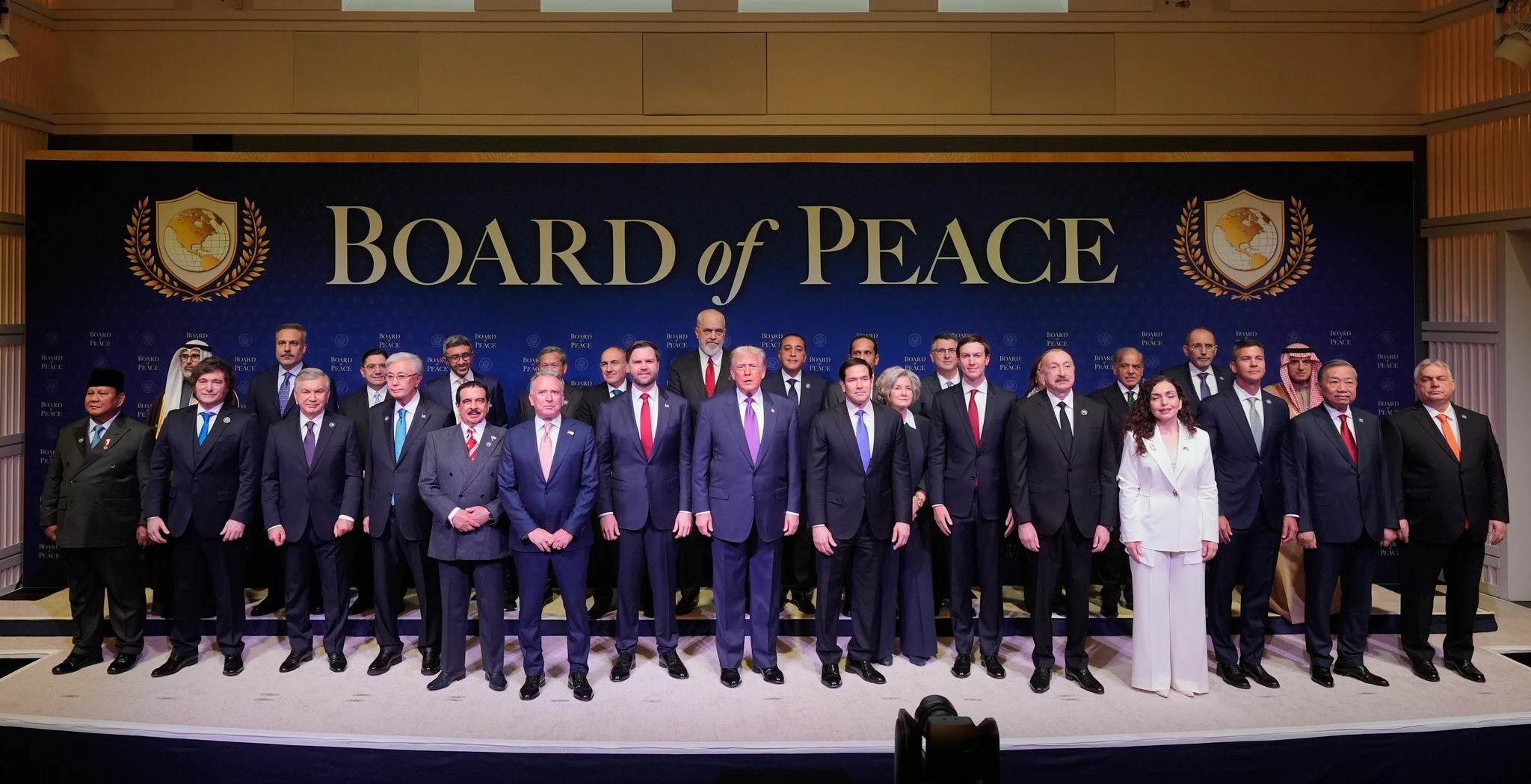
Regional organizations remain essential platforms for coordination, but their effectiveness varies with political will. New forms of multilateral engagement, notably those that involve non-traditional partners, demonstrate that diplomacy in the Americas is no longer constrained to a binary Western vs. non-Western framing. Instead, the region is navigating a multipolar context in which pragmatic economic and security interests increasingly drive decision-making.