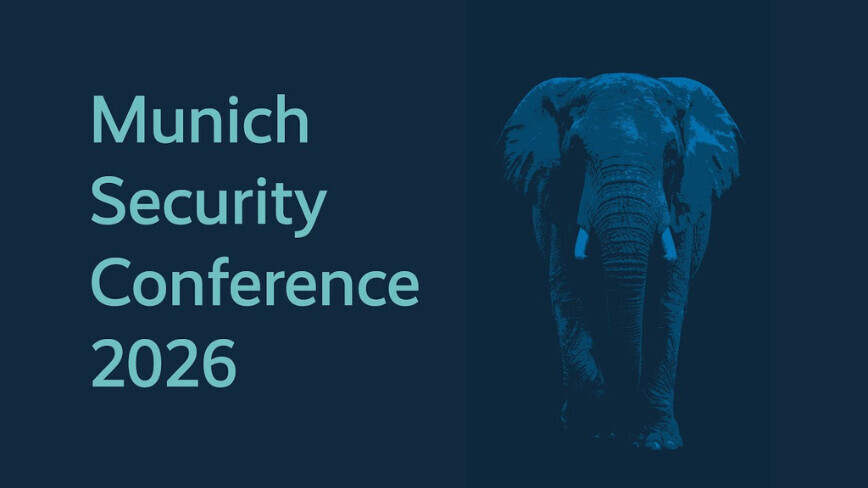
Under Destruction: Why the 2026 Munich Security Report is a Wake-up Call
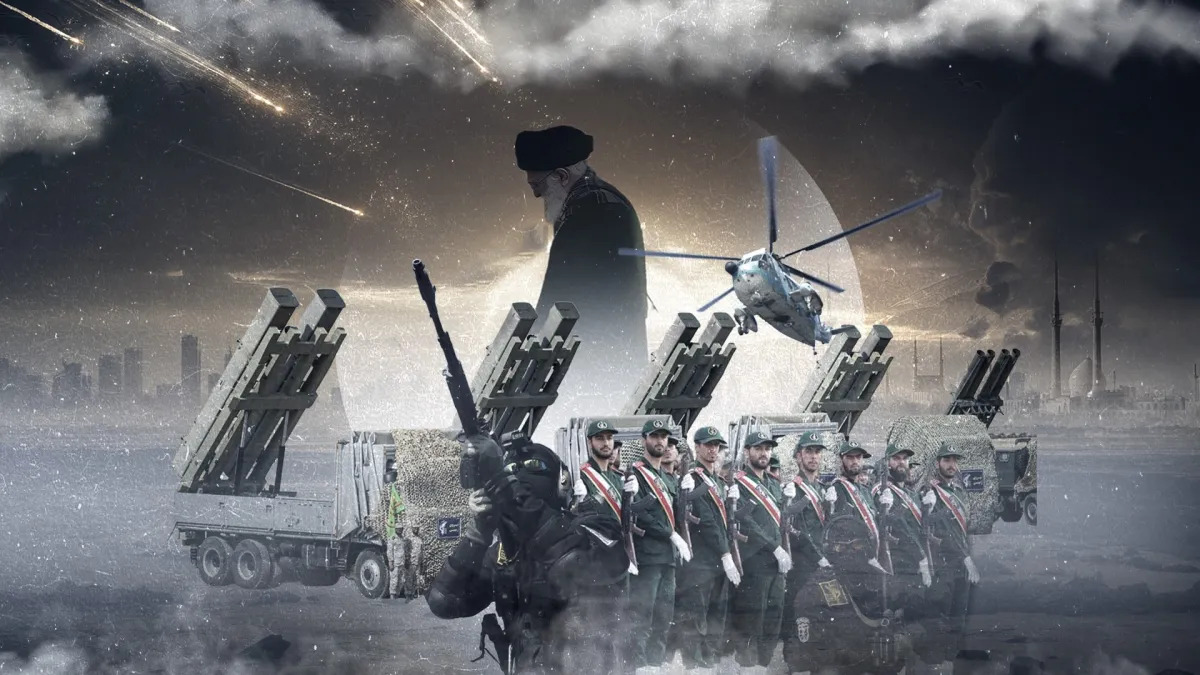
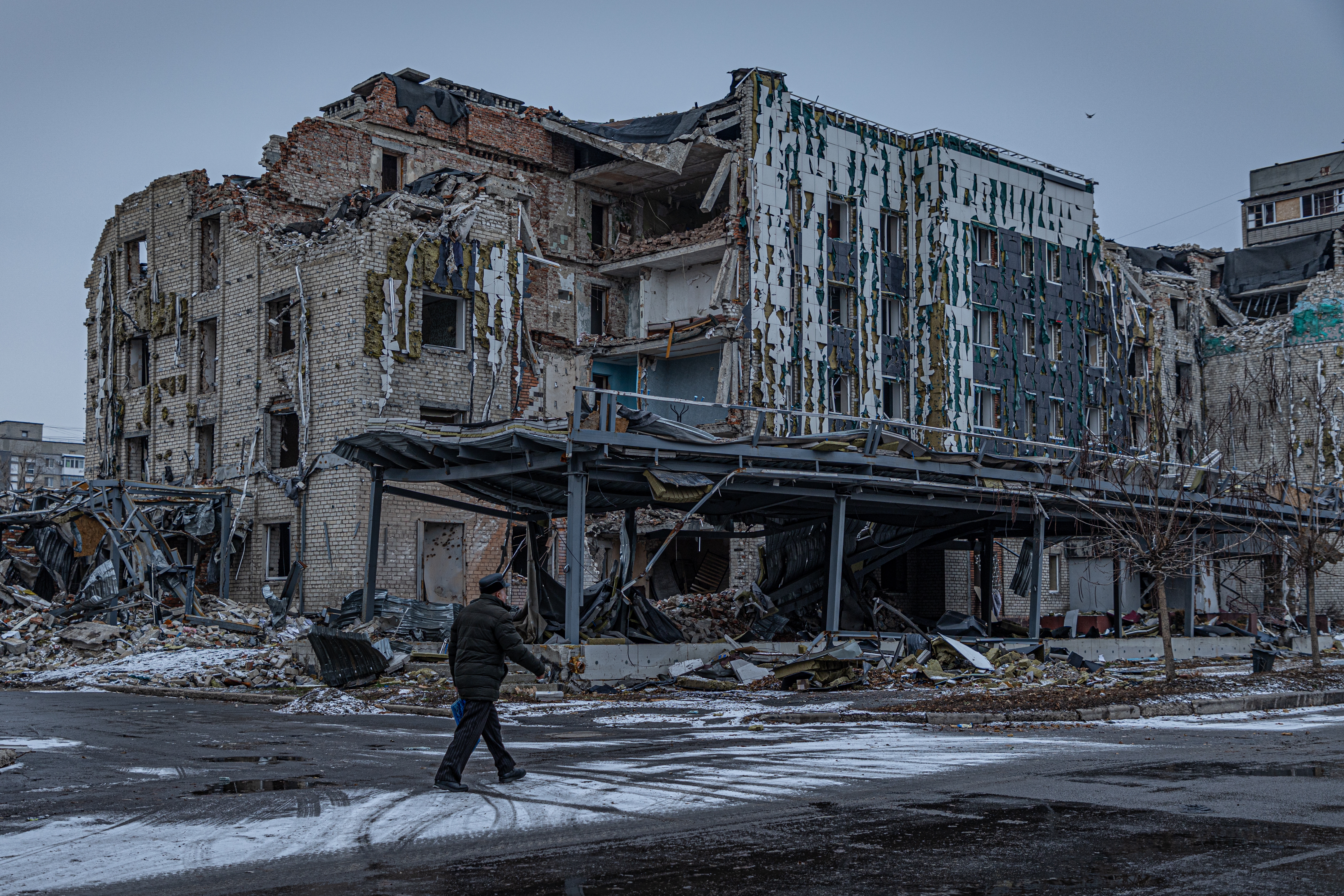
This year’s Munich Security Report wears its verdict in the title: “Under Destruction.” The authors don’t mince words. In an era when bulldozers and wrecking balls are admired by rising leaders, the age of careful rule of law is over. We are “no longer talking about fixing the global order; we are talking about its demolition,” one analyst warns. In short, the rules based world built after 1945 is being deliberately torn apart. It’s a bold, unsettling claim but one that resonates across news headlines. From G7 capitals to security forums, policymakers are now wrestling with a simple question: If the old rules are gone, what comes next?
Transactionalism Over Principles
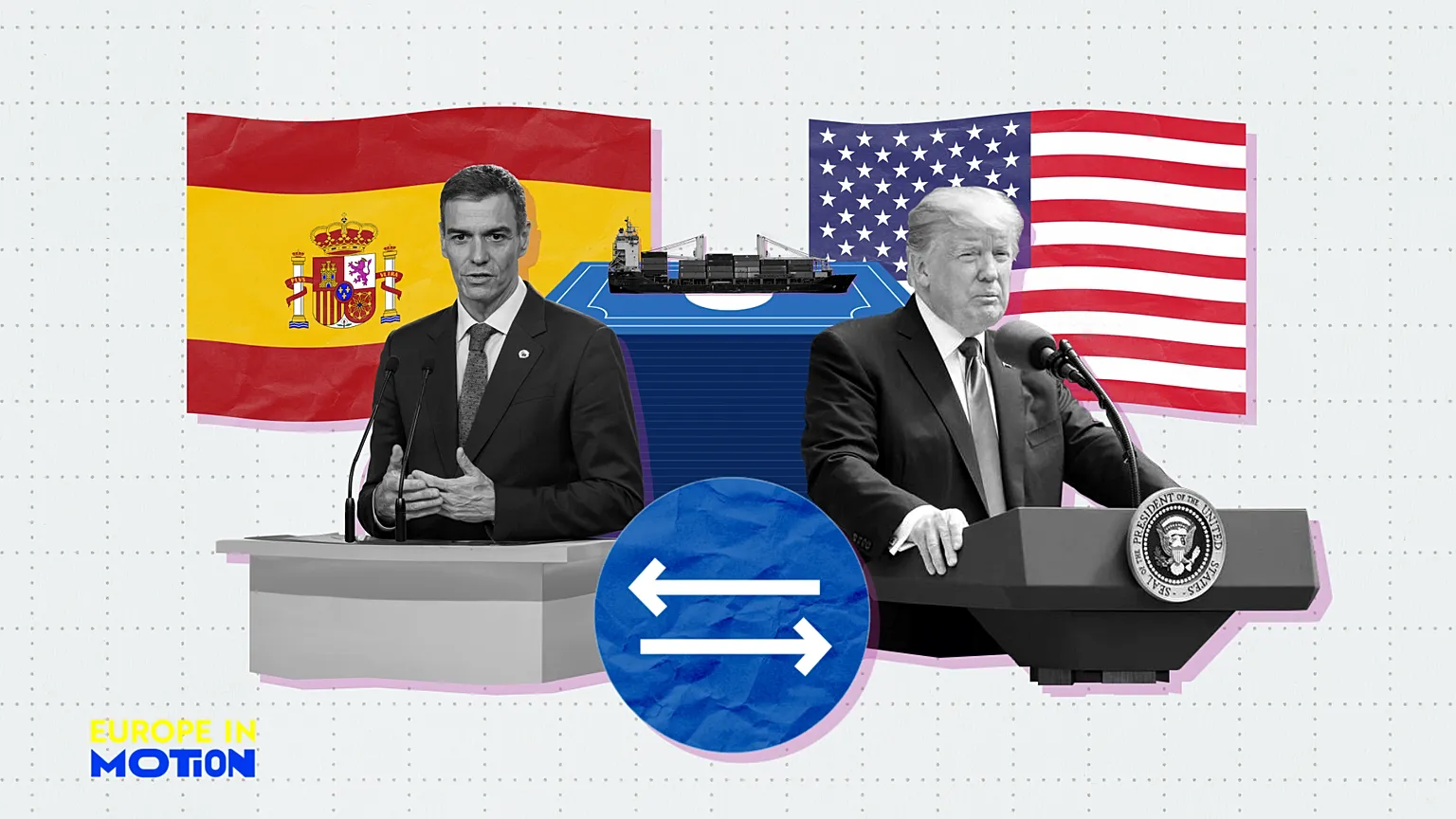
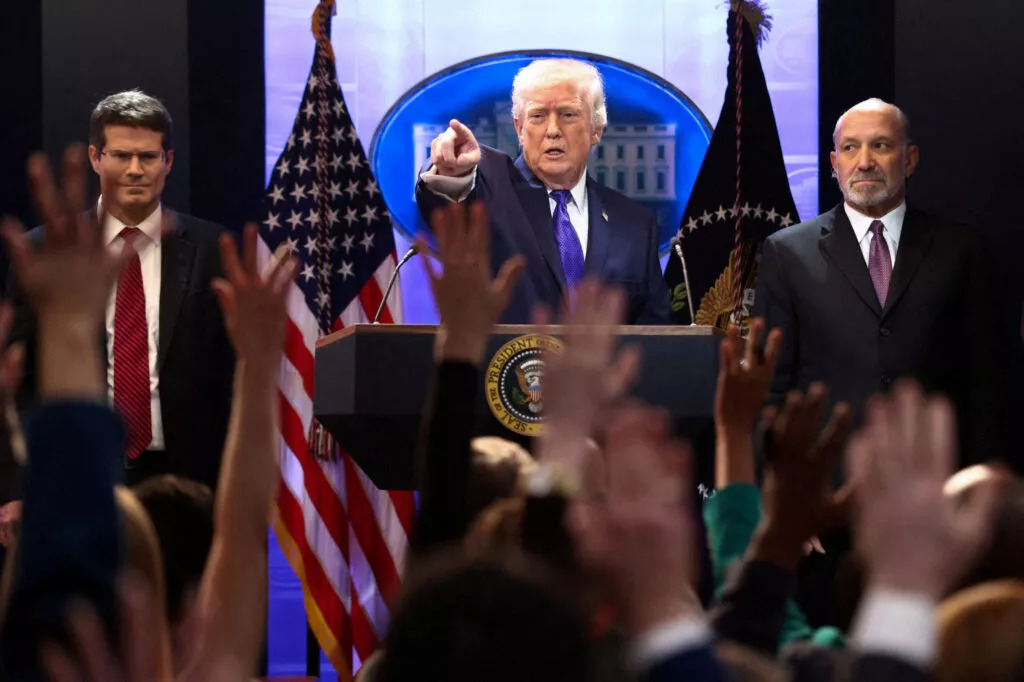
The Munich report argues that diplomacy today looks more like a marketplace than a courtroom. “Handshake deals” between strongmen are replacing treaties; statecraft is privatized, serving private interests rather than global norms. The language is stark: instead of “careful reforms and policy corrections”, the new order is about “sweeping destruction”. The world’s most prominent wrecking ball, the report says, is the current U.S. administration: it openly eschews alliances, rips up international agreements, and pursues gut instinct. “The US led post 1945 order is now under destruction,” the report concludes.
Observers agree that this is more than rhetorical flourish. In practice, we’ve seen allies undercut by surprise tariffs, treaties abandoned, and a logic of zero sum bargaining. As one policy analyst put it bluntly, “it is the difference between living under law and living under deals”. Confidence between allies is eroding, and institutions like NATO are being viewed as optional tools rather than bedrock commitments. Indeed, at the recent G7 summit, senior European leaders privately complained that U.S. policy had been “a wrecking ball to their own security”, citing unilateral actions (from trade wars to summit walkouts) that seemed to betray allied interests.
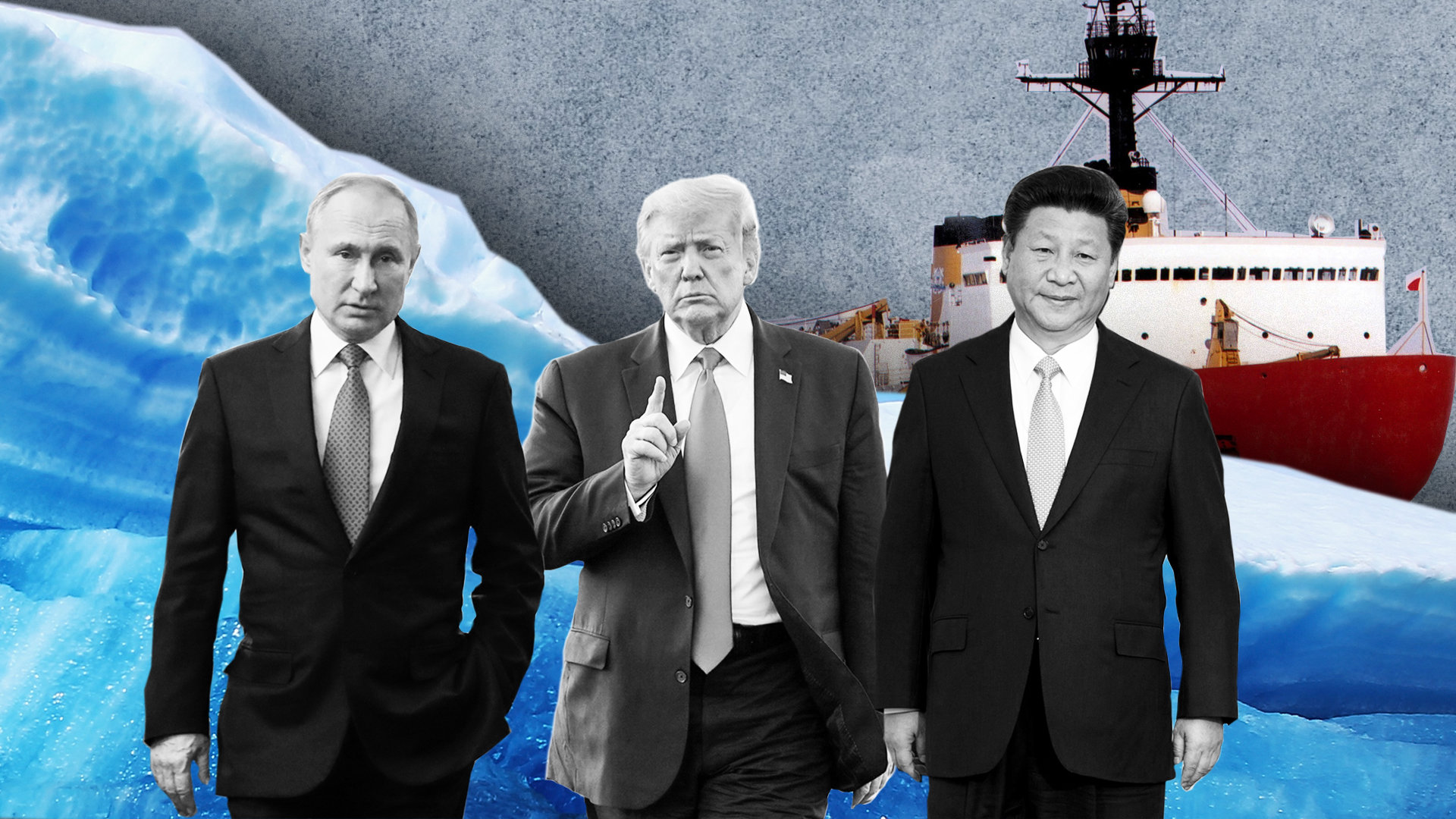
To be clear: transactional diplomacy is not new all states barter interests in some way. The difference now is the unapologetic abandonment of principle. Multilateral frameworks are dismissed as relics. Even human rights are treated as bargaining chips. The Munich report notes this trend isn’t limited to one government: strongmen in Russia, China and elsewhere also gloat in the dismantling of rules. But it singles out the once self styled leader of the free world as the prime mover of this shift. Summing it up, one commentator noted that the rules based order’s defenders are “mourning them as if they are dead” but the living must now confront the fact that the bulldozers are here to stay. The question becomes not how to return to 1945, but what structures emerge from the rubble.
The Transatlantic Rift
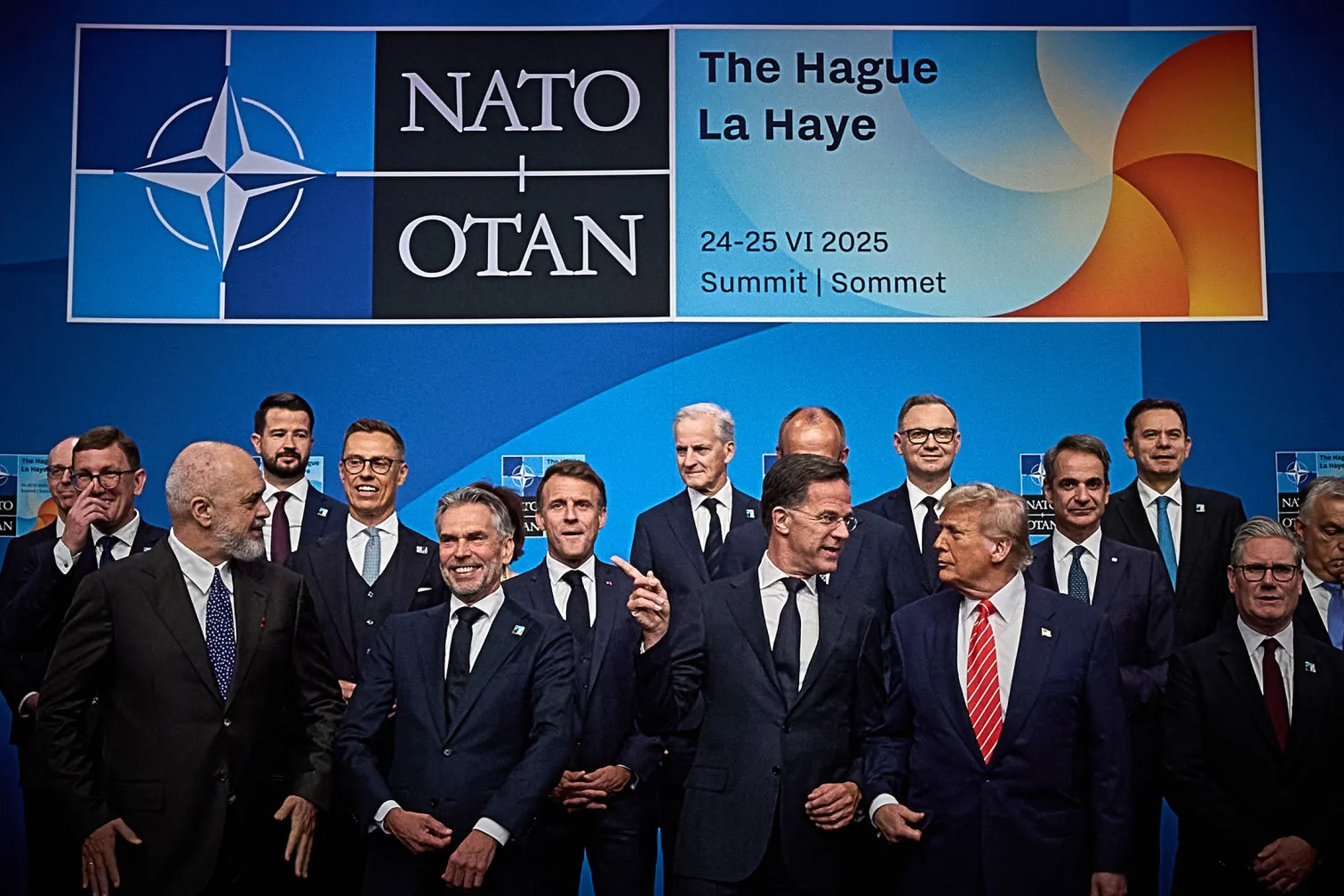
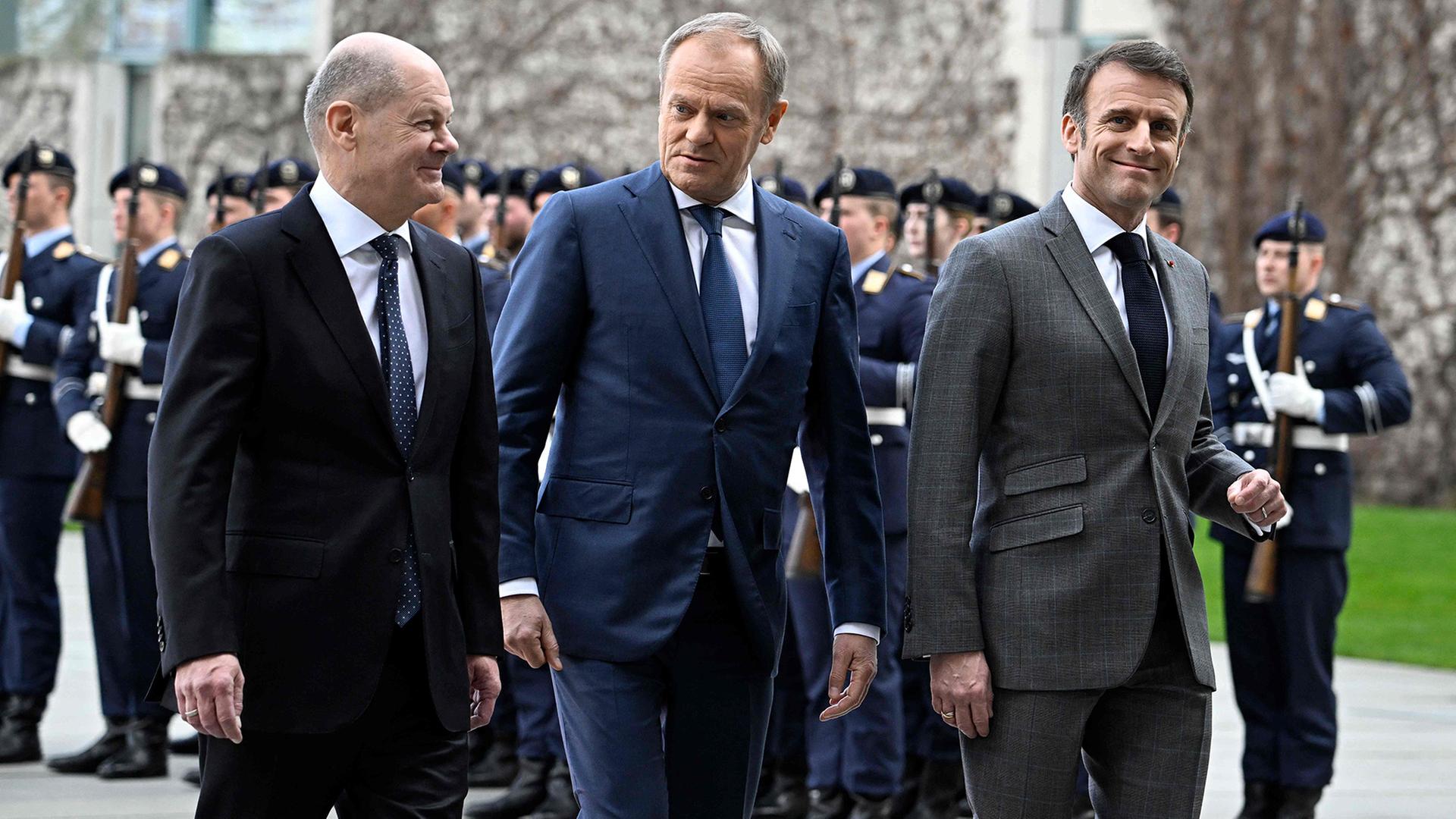
No surprise, perhaps, that a central theme of Munich 2026 was a deepening rift between America and its allies. US Secretary of State Marco Rubio spoke of “togetherness,” but the undercurrent was clear: Europeans have lost trust in US policy. Surveys cited in the report show that in every G7 nation, no respondent believed US policies were currently good for the world. In practice, governments from Berlin to Ottawa are scrambling to fill the security void. French and Italian leaders openly pondered European sovereignty when they couldn’t depend on Washington’s leadership. German Chancellor Friedrich Merz warned that the Western alliance could only hold if the U.S. accepts “rules, laws, [and] convictions” an obvious jab at the rhetoric of recent U.S. administrations.
administrations. This sense of betrayal is both political and public. European newspapers describe the decade’s diplomacy as “America first at all costs” a stance that undermines partners. At Munich, even traditionally pro US voices acknowledged that “traditional friendships” are being tested. Some analysts dub this a crisis of the “West” itself: if core democracies no longer share principles, the entire project of a Western led order is in jeopardy. A senior EU official phrased it simply: “We used to worry Russia was drilling holes in our boat; now it feels like we’re leaking because we can’t agree with our crew.”
To be sure, there is still unity on some issues (resisting Iran or China, for instance). But on the margins, misalignment grows. A Reuters commentator noted that Canada bristled at U.S. pressure in the Mexico summit; Britain eyes deals with rivals that put Washington in an awkward spot. The overarching image from Munich was an alliance watching the building burn, partly at U.S. hands. It’s no wonder European citizens are uneasy: one Brussels poll found majorities in France, Germany, and Italy think the US no longer cares about their security. For an order premised on mutual trust, that is a catastrophic schism.
Competitive Authoritarianism
Another unsettling reality highlighted at Munich is how democracy itself is being hollowed out from within. It’s not just foreign strongmen on the attack it’s their democratic masks. The report notes a global surge in “competitive authoritarianism”: regimes where elections happen, but are skewed by media control, intimidation, and elected leaders who then dismantle checks and balances. Recent years have seen leaders who won power at the ballot box (in nations like the U.S., Hungary, Brazil, India and Turkey) then consolidate it through legal warfare, polarizing rhetoric, and “us vs them” tactics. In effect, they use democracy’s tools to kill democracy.
Experts at Munich warned that these tactics have a toxic global effect. When the world’s most powerful democracies flirt with illiberalism, it emboldens would be autocrats elsewhere. A striking analysis from Carnegie Endowment noted that some believe the U.S. itself has “already descended into ‘competitive authoritarianism’.”. In simple terms, the behaviors of one leader encourage the erosion of norms elsewhere. This trend shakes the very idea of universal democratic values. Institutions meant to spread stability now face capture or co option. But the high level irony was apparent to Munich participants: the same leaders who champion national sovereignty and populist nationalism abroad are undermining their own domestic liberal order at home. The result is a feedback loop of despair: if democracy is “fake” in big powers, why should it thrive elsewhere?
The Takeaway: Rethinking the Rules
The Munich report isn’t a policy prescription it’s a challenge. It dares policymakers to admit that the old rules may truly be dead. In that reality, laments or nostalgia won’t save us. Instead, global leaders must ask: What new framework will replace them, and who will set it?
Some possible answers were floated at the conference. Suggestions included reinventing alliance structures (perhaps a looser “coalition of democracies”) or strengthening parallel institutions (like a G10 security club) to hedge against U.S. abandonment. Others urged a recommitment to law for instance, by diplomatically isolating any country that nukes trade wars. But consensus was thin. Even staunch allies could only agree on one thing: inaction is not an option.
To many, the report’s ultimate message is almost philosophical. If “wrecking ball politics” is now the norm, then maybe it’s time to move beyond mourning 1945 and start writing our own rules. That might mean accepting messy alliances, creating new checks for unchecked power, or even redefining concepts like sovereignty for the 21st century. It will surely be contentious how do you build order from destruction?
In the end, the MSC 2026 conference was a wake up call. Policymakers left Munich under no illusion: the post war order is rotting, and not from the outside alone. The question now is not whether to preserve it, but how to safeguard any future order. As one European diplomat mused over the chaos, “We have to stop asking, ‘Who broke it?’ and start asking, ‘What comes next?’”