Beyond the Frontline: The Doctrine of Attrition in Ukraine
By April 2026, the most important fact about the war in Ukraine was not a dramatic breakthrough on the map, but the way the war was being stabilised behind the map. The line remained largely static in operational terms, yet the violence intensified through mass drone salvos, constant pressure on logistics, and a widening “kill zone” that made rotation, resupply and evacuation dangerous across dozens of kilometres. The clearest lesson is that attrition in Ukraine is now institutional before it is territorial: the side that can repair faster, rotate people better, fuse sensors more effectively, and absorb technological shocks will endure longer. The evidence suggests Ukraine has adapted impressively through low-cost interceptors, robotic logistics, distributed air defence and rapid procurement mechanisms, but those gains remain fragile because manpower strain, component bottlenecks and inconsistent data still limit the system.
Why April Matters
The old way of reading the war in Ukraine was village by village. In April 2026, that frame became too narrow. What mattered was whether Ukraine could keep functioning under a record tempo of Russian long-range strikes while making small but real local gains and preventing operational collapse along a 1,200-kilometre front. This is why attrition now has to be understood as a contest between institutions: command systems, procurement loops, repair depots, air-defence layers, training pipelines and information flows. Official Ukrainian policy reflected that shift. The Ministry of Defence of Ukraine described its “Drone Line” as a doctrine of technology-driven warfare built to create a 10–15 kilometre kill zone, and later announced integrated drone-assault units combining aerial and ground unmanned systems with infantry into a single combat model.
What The Numbers Really Say
The reported figure of 7,889 drone launches and a roughly 92% interception rate is real in the sense that it appears in the April 22 scorecard from Russia Matters, which cites a monthly updated strike-tracker associated with the Center for Strategic and International Studies. That scorecard lists 7,889 drones launched in March and 7,232 intercepted, which is 91.7% rather than a rounded 92%. But that is not the only count. Ukraine’s official March summary reported 6,463 “Shahed-type drones and others” launched and 5,833 intercepted, or 90.25%. A separate Reuters reconstruction based on air-force data compiled by the Come Back Alive charity also put the figure at about 6,500 long-range drones and around a 90% interception rate. The safest conclusion is not one exact number, but a narrower analytic judgment: March set a new monthly record for Russian long-range drone pressure and Ukraine defeated roughly nine out of ten of those threats.
The discrepancies matter because the methodologies differ. Some datasets appear to count all drones in the strike tracker; official Ukrainian summaries separate “Shahed-type drones and others” in mass aerial attacks; and public reporting often merges hard kills with drones “neutralised”, “suppressed” or “forced down” by electronic warfare. That makes the numbers highly useful for trend analysis, but less reliable as a forensic measure of kinetic interception alone. The even larger official claim that interceptor drones destroyed more than 33,000 enemy UAVs in March is not comparable to the 6,463 or 7,889 figures: that 33,000 total includes multiple drone classes across the whole battlespace, from Shaheds and Gerberas to Molniyas, ZALAs and Orlans.
From maps to institutions
“Shift from tactical mapping to institutional analysis” means looking past which settlement changed hands and asking which side is getting better at generating repeatable combat power. On that measure, Ukraine’s most important adaptations in early 2026 were systemic. The defence ministry said more than 9,000 combat and logistical missions were conducted by unmanned ground vehicles in March, with 167 units already using them, up from 67 in November 2025. It also said frontline units can now use a digital marketplace to order not just complete systems but components, with average delivery times already cut to around 10 days. Meanwhile, 24 companies had joined the private air-defence initiative by the start of May, and 8,000 Octopus interceptor drones were contracted for delivery after the government opened military technologies to licensed manufacturers. These are not tactical anecdotes. They are institutional adaptations: shortening supply loops, reducing infantry exposure, widening the production base and making innovation scalable rather than artisanal.
The contrast with Russian practice is increasingly stark. CSIS has argued that Moscow’s mixed drone-missile salvos now reflect an attritional punishment campaign built around saturation, persistence and psychological strain rather than operationally coherent fires linked to manoeuvre. A later CSIS study found no clear relationship between larger Russian missile salvos and battlefield intensity days later, while reconnaissance and strike UAV activity did correlate more strongly with combat tempo. In plain terms, Russian firepower remains immense, but its long-range mass-fire doctrine often functions as punishment and pressure more than as a reliable engine of breakthrough. Ukraine, by contrast, appears to be converting battlefield pressure into organisational learning.
Humans, Signals and Machine Speed
The debate is sometimes framed as human-centric SIGINT versus AI-enabled systems, but the Ukrainian experience suggests the real answer is fusion. Human-centric systems remain indispensable because the battlefield is still full of ambiguity, deception and rapid adversary adaptation. Reuters reporting from the north-east described interceptor crews with only minutes to find, identify and engage a Shahed after it appeared on radar, with weather sometimes making target acquisition impossible. The same reporting said human operators remain highly effective against propeller-driven Geran-2s, but jet-powered variants travelling at up to 400 kilometres per hour are increasingly difficult for purely human piloting to defeat. At the same time, Ukraine’s air force still keeps firing authority under central command in the private air-defence system, which is an important reminder that autonomy in sensing is not autonomy in weapons release.
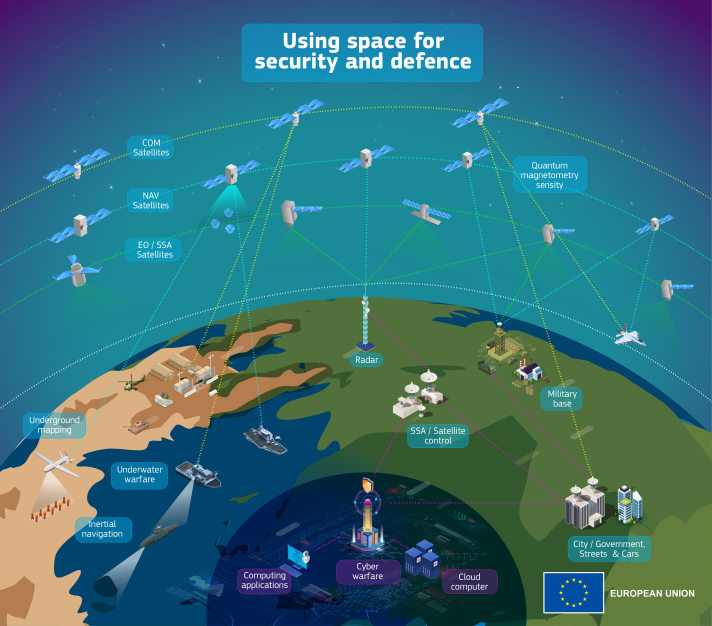
AI-enabled systems are therefore being used to lift the ceiling, not remove the human altogether. Ukraine has opened battlefield datasets to allies for AI model training, saying the platform contains millions of annotated combat images. Its defence ministry also says more than 30 companies are already testing or validating more than 50 AI models for aerial-target detection and interception under varied weather and light conditions. The joint Ukraine-NATO UNITE-BRAVE programme explicitly prioritises both enhanced SIGINT/electromagnetic capabilities and autonomous guidance systems, which is a telling pairing: better sensing and better automation are being developed together, not as opposites. The likely division of labour is now clear. Human-centric SIGINT is more adaptable, more legally resilient and less vulnerable to model drift; AI-enabled systems offer scale, speed, pattern recognition and remote operation. Their shared failure modes are jamming, poor data, adversary redesign and sensor degradation in contested weather or terrain.
Why a Static Front is Still an Attrition Machine
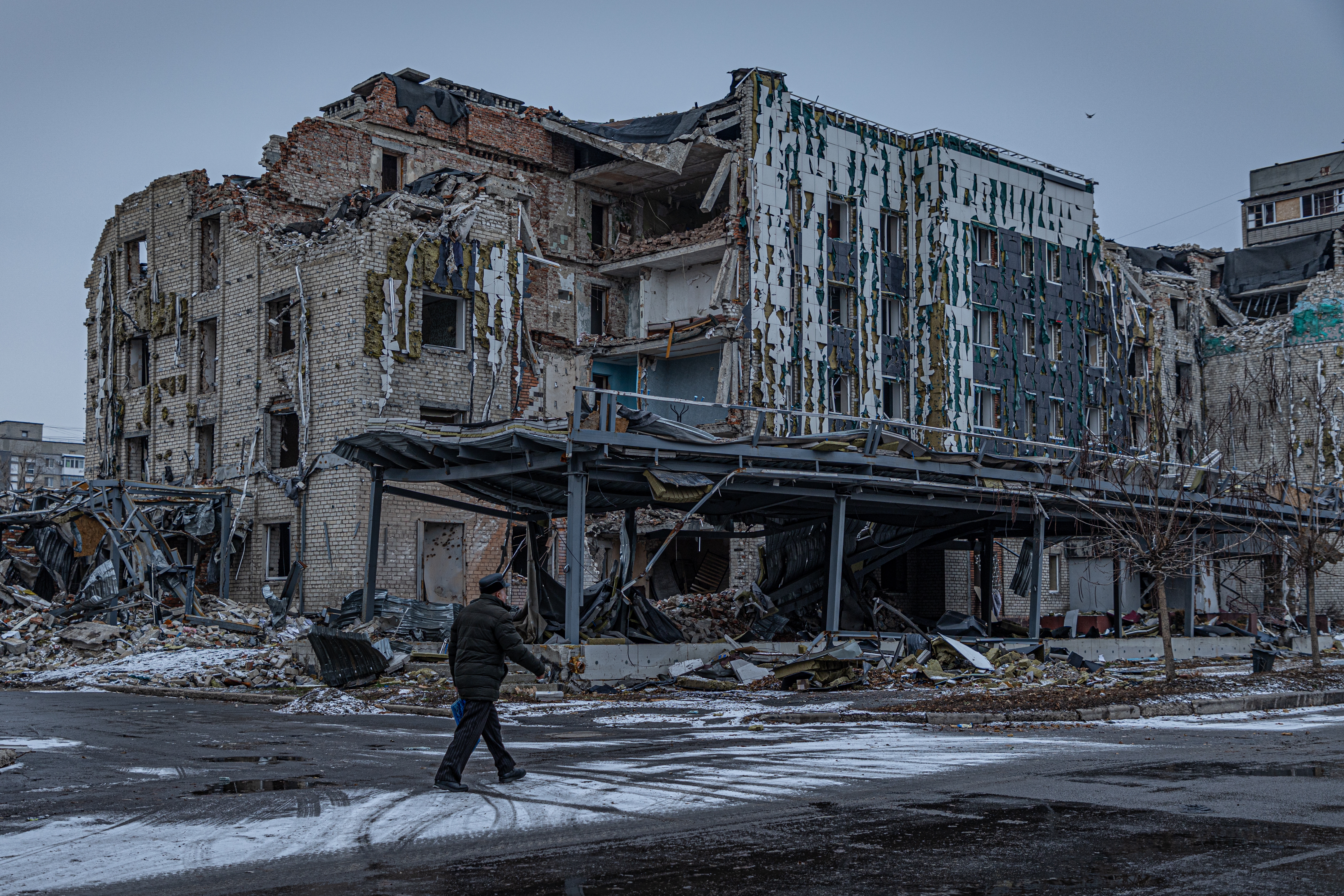
The frontline looked stagnant in April only if one confuses limited territorial movement with limited violence. Open-source and field reporting point the other way. Reuters reported on 3 April that the situation was the best for Ukraine in ten months, but still described a 1,200-kilometre frontline under grinding pressure. On 6 April, the commander-in-chief, Oleksandr Syrskyi, said Ukrainian forces had regained 480 square kilometres since late January and nearly 50 square kilometres in March, while ISW-based tallies cited by Russia Matters later assessed that Russian forces had suffered a net loss of 2 square miles of Ukrainian territory in the four weeks from 24 March to 21 April. Those figures vary, and Moscow’s own claims are far larger, but together they point to the same operational reality: the line is moving in low double digits of square miles, not in the kind of depth associated with strategic breakthrough.
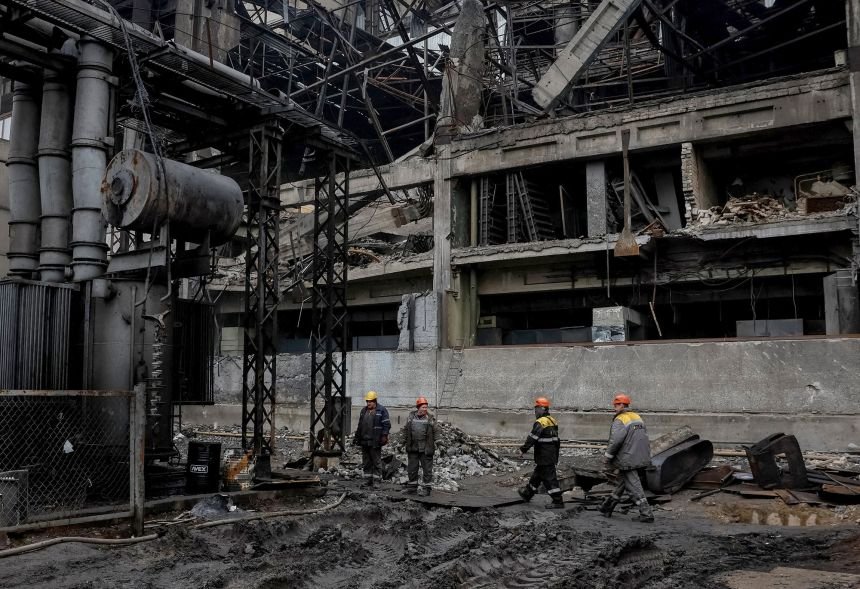
That is precisely what modern attrition looks like. Reuters reported on 30 April that a drone dominated “kill zone” now spans dozens of kilometres on both sides of the front, making troop rotations, resupply and casualty evacuation exceptionally dangerous. The same dispatch described manpower shortages, long deployments in forward positions, and the new Ukrainian order limiting time on the line to two months before rotation. Logistics pressure is visible elsewhere too: Ukraine is trying to move “100% of frontline logistics” to robotic systems, yet Reuters also found that shortages of mini turbojet engines are constraining parts of the deep-strike and interceptor-drone programme. This is attrition not just of bodies and armour, but of food delivery, repair time, batteries, engines, pilot hours and organisational stamina.
Implications and Recommendations
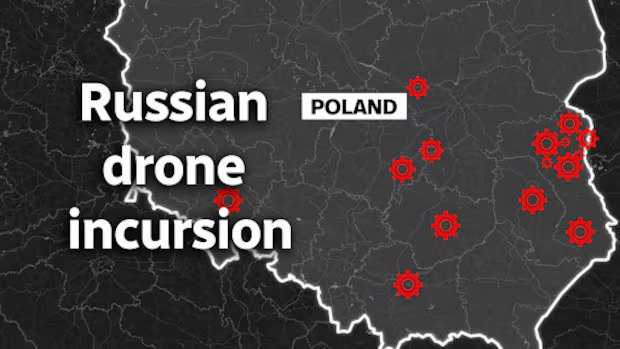
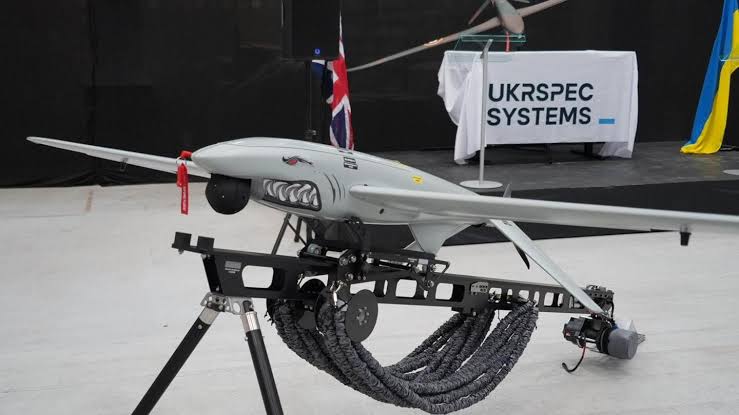
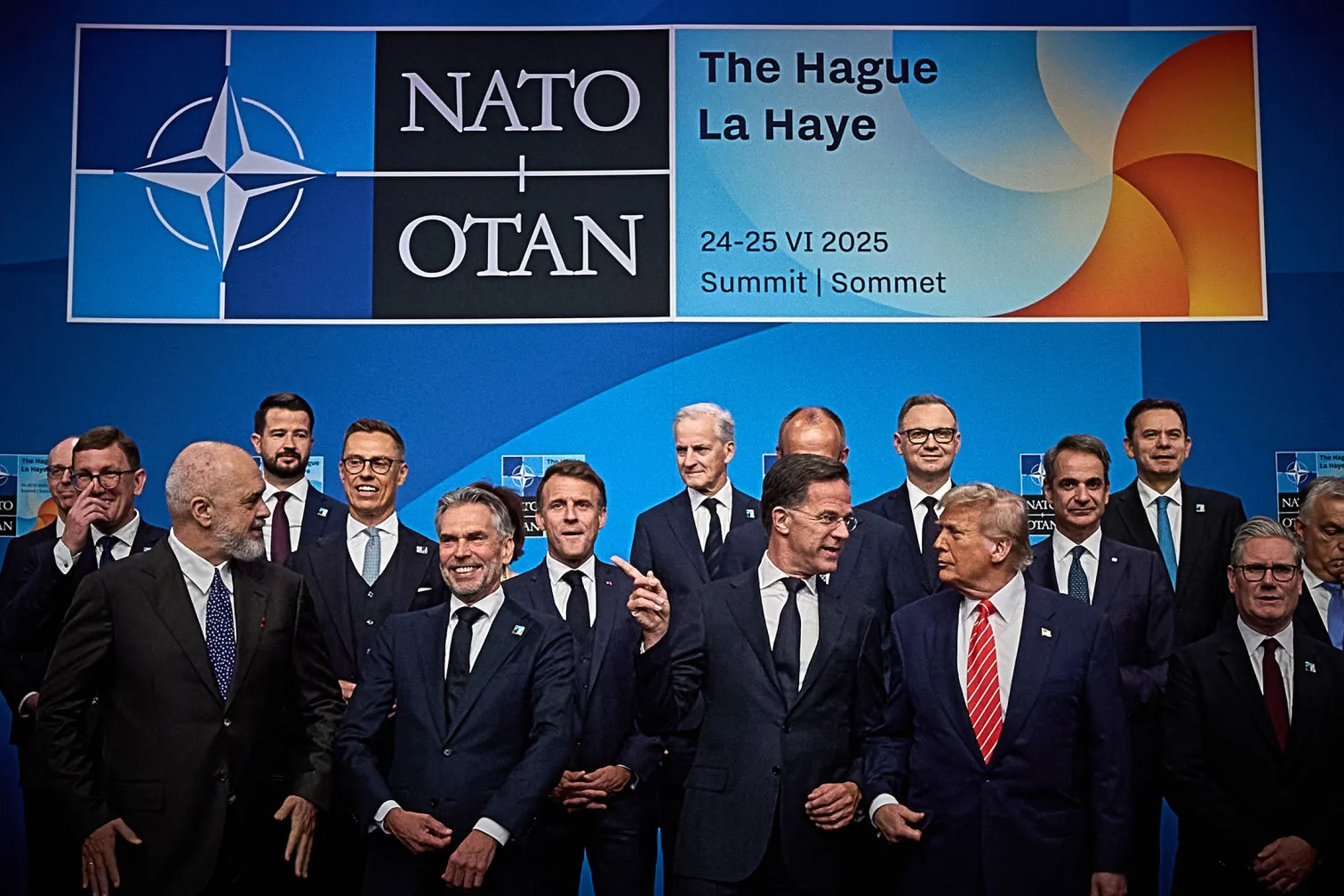
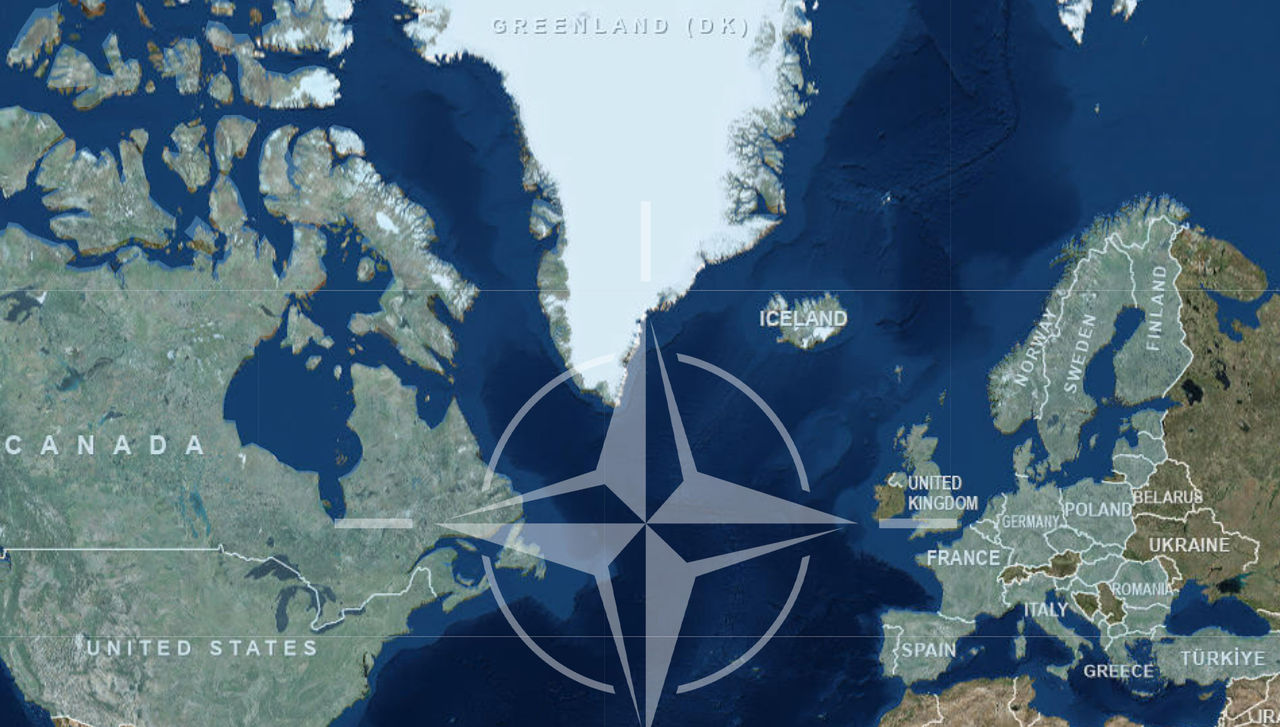
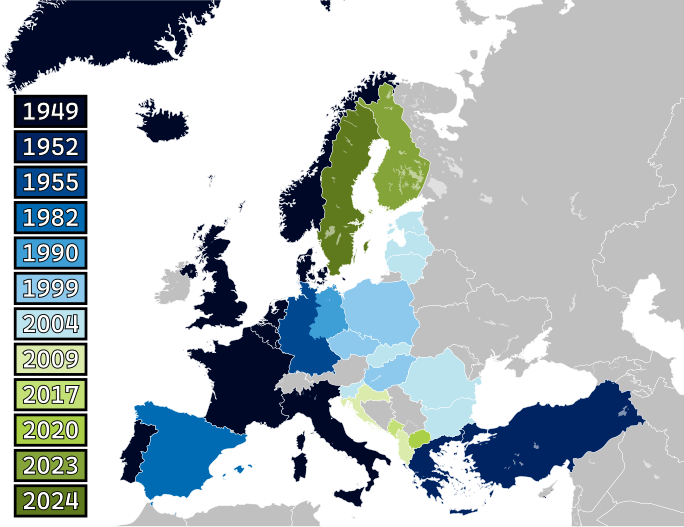
For allies, the message is no longer abstract. NATO secretary general Mark Rutte said in April that Ukraine’s expertise in countering drones and missile threats is “helping save lives beyond its borders”, while a January NATO speech linked Russian drone incursions into allied airspace to the launch of Eastern Sentry, which bolsters air defence and surveillance across the eastern flank. Reuters also reported that Ukrainian counter-drone software is now being used at a key U.S. air base in Saudi Arabia, and the UK Ministry of Defence has paired a 120,000-drone package for Ukraine with repair facilities inside the country that return battle-damaged systems to the front faster. The lesson for Europe is straightforward: Ukraine is not just a recipient of security; it is now a producer of operational knowledge that is already being exported into allied defence architectures.
The policy implications follow directly from the evidence. First, allies should standardise strike accounting methods with Ukraine so that launches, kinetic interceptions, EW suppressions and confirmed impacts are clearly separated; without that, monthly dashboards will remain analytically useful but operationally muddy. Second, investment should prioritise the full attrition ecosystem rather than prestige platforms alone: low-cost interceptors, repair networks, robotic logistics, component supply and sensor fusion. Third, human endurance needs to be treated as part of air and ground combat power: rotation discipline, training pipelines and rear-area sustainment are now as decisive as the next drone model. Finally, NATO should treat Ukrainian lessons as alliance doctrine, especially for eastern-flank air defence, counter-drone command-and-control and distributed sustainment. That is an inference from the available evidence, but it is a strong one.
Key limitations remain. Public launch and interception figures are not independently verifiable; different trackers appear to count different categories of drones; official claims often bundle hard kills with EW-induced neutralisations; and territorial estimates still diverge sharply between Ukrainian, Russian and OSINT-based reporting. But these uncertainties do not weaken the central conclusion. In April 2026, the doctrine of attrition in Ukraine was no longer chiefly about who could take the next few square miles. It was about who could keep a modern war system functioning under relentless pressure for one month more, and then another.